









 22 - 26 June 2026: Find out more






BUILD YOUR OWN
RESOURCE LIBRARY



Podcasts

Cities Thriving on Lighting, Episode 2 – Simplicity by design in smart lightingSponsored by Paradox Engineering
Cities Thriving on Lighting, Episode 1 – Lighting as the backbone of the smart citySponsored by Paradox Engineering
Opinions

Transforming indoor public safety with smart sensor networksSponsored by Motorola Solutions
Mexico's largest cities promote digital inclusion
Mexico City and Guadalajara are partnering with the global Smart Cities for All initiative to track the progress and measure their commitment to digital inclusion.


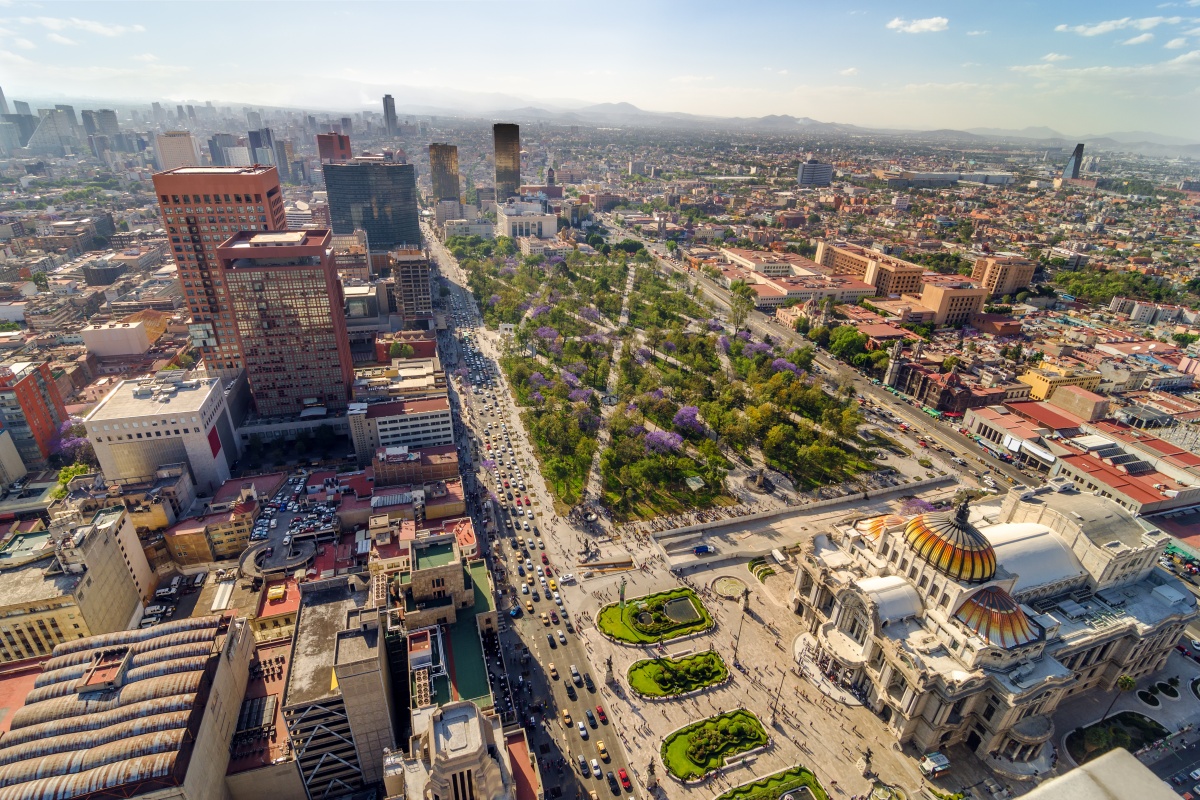
Mexico City (above) and Guadalajara are committed to being smarter and more inclusive
Smart Cities for All has announced it is to track the progress and measure the commitment to digital inclusion of Mexico’s two largest cities, Mexico City and Guadalajara. Both cities are committed to being smarter and more inclusive.
A project of the Global Initiative for Inclusive ICTs (G3ict), a team of global smart technology and inclusion experts from Smart Cities for All have convened in Mexico to evaluate the cities’ digital inclusivity.
Leaders from industry and civil society
Conducted in collaboration with accessibility consultancy, HearColors, and leaders from industry and civil society, the experts will use the smart city digital inclusion assessment tool developed by G3ict and its partners.
In each city, the expert team will meet with leadership and key personnel from numerous city departments to understand how the cities’ coordinate their digital inclusion and smart city efforts to create inclusive experiences for everyone.
“In Guadalajara we are working to be an inclusive city. In the Government Innovation Department, we developed this objective through digital inclusion, promoting accessibility to information technologies, to contribute to the social and economic development of the city,” said Saúl Jiménez, director of governmental innovation in Guadalajara.
“Together with the G3ict organisation and with HearColors we will work on an exchange of information, with the objective of detecting the areas of opportunity and best practices to implement in the municipality, in order to continue on this route, where each and every person will have easy access to the contents generated on the sites of this municipal government.”
The Smart City Digital Inclusion Maturity Model tool helps cities evaluate the current state of information communication and telecommunications (ICT) accessibility and inclusion of persons with disabilities in city digital and smart services.
“Both Mexico City and Guadalajara are global cities that are taking important steps to be both smarter and more inclusive”
Focused on a broad range of functions important to all cities, such as communications, procurement, training, and technology standards, it defines key performance indicators and metrics to support advancing accessibility and digital inclusion in a smart city context.
To help deepen its partnership and collaboration, G3ict has signed a separate memorandum of understanding (MoU) with both Mexico City and Guadalajara.
The agreement calls for leveraging resources and expertise to support each city’s digital transformation initiatives and promote the increased accessibility of ICT technologies.
“It is fitting that G3ict’s first assessments of smart cities outside the United States are these two cities,” added James Thurston, vice president, G3ict and managing director of Smart Cities for All.
“Both Mexico City and Guadalajara are global cities that are taking important steps to be both smarter and more inclusive. G3ict and our Smart Cities for All global initiative want to support their efforts with our tools and resources.”
You might also like:
Why not try these links to see what our SmartCitiesWorld AI can tell you.
(Please note this is an experimental service)
How does the Smart City Digital Inclusion Maturity Model assess ICT accessibility?What roles do public-private partnerships play in Mexico's digital inclusion efforts?How are Mexico City and Guadalajara coordinating digital inclusion across departments?Which key performance indicators measure progress in smart city digital inclusion?How does the G3ict partnership support Mexico's digital transformation initiatives?Chicagocivil societyConnectivityConnectivity & DataDataDevicesdigital inclusionFeaturedG3ictGovernanceGovernance and CitizengovernmentGuadalajaraHearColorsJames ThurstonMexico CityNetworkPlatformsPlatformsPolicy MakingPublic/Private PartnershipsPublic-private partnershipsSaúl Jiménezsmart citiesSmart Cities for AllSmart City Digital Inclusion Maturity ModelUnited States
Latest City Profile
SmartCitiesWorld Newsletters (Daily/Weekly)
You may also like these related articles...
BECOME A MEMBER
© 2026 SmartCitiesWorld
Smart Cities World Ltd, 37 Lombard Street, London, EC3V 9BQ