



Project is leveraging IoT and decentralised wireless networks technology to gather real-time data about the wellbeing of Valencia’s most vulnerable citizens.
The City of Valencia in Spain is investing in an Internet of Things (IoT) project powered by the Helium Network to help combat energy poverty.
More than 130 air quality sensors using LoRaWan have been deployed throughout the city in technological collaboration with specialised integrator Damal Redes, with more deployments expected in 2024.
Helium, a member of the LoRa Alliance, showcased the project at Smart City Expo World Congress in Barcelona this week. It was one of several members presenting projects as part of the panel, Enhancing Urban Life through IoT, led by LoRa Alliance CEO, Donna Moore.
Valencia’s Fundació Clima i Energia and Damal Redes are leveraging IoT and decentralised wireless networks technology to gather real-time data about the wellbeing of its most vulnerable citizens.
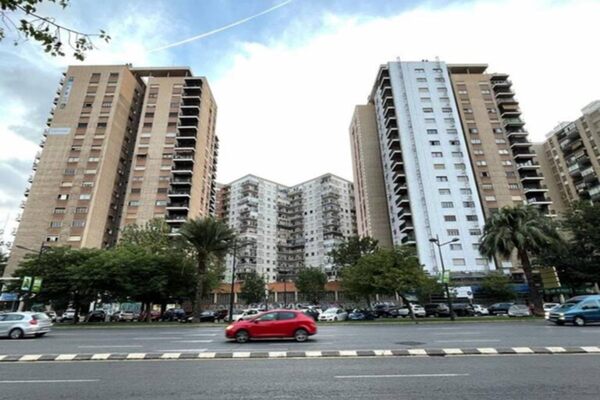
Spain’s third-largest city is facing the formidable challenge of energy poverty – a lack of adequate, affordable, and reliable environmentally sound energy services, which affects almost one quarter (23 per cent) of its households.
The City reports European welfare systems are burdened by the inequalities resulting from living conditions in urban contexts, causing direct and detrimental impacts on health and wellbeing. Health complications resulting from energy poverty include respiratory diseases, heart attacks, stroke, mental disorders, and acute health issues such as hypothermia, injury, or flu.
“We have the technology to address an equality issue that affects many of the world’s urban centres and deprives residents of fundamental energy needs”
Energy poverty increases the risk of respiratory illnesses, which is why Fundació Clima i Energia has chosen to adopt low-cost, high-impact air quality sensor deployments for citizens, ultimately benefiting the welfare of the entire area. Fundació Clima i Energia leads and supervises the Wellbased and Ebento projects, with Damal Redes serving as its trusted technological collaborator. Wellbased has distributed 130 sensors throughout the city of Valencia to address energy poverty.
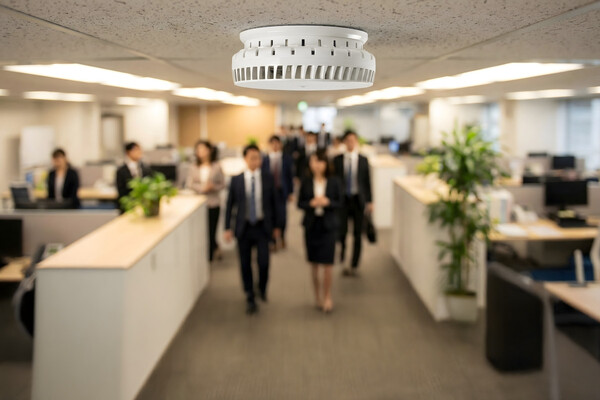
Meanwhile, Ebento is focused on enhancing energy efficiency in buildings and plans to deploy 52 sensors across two buildings in the city. These projects utilise atmospheric sensors that measure dry temperature, relative humidity, and CO2 concentration, offering insights into the environmental conditions within the participants’ homes.
“By leveraging the Helium Network, we’ve realised an astounding 98 per cent success rate in installing sensors in low-income residences and construction sites. This allows us to continuously monitor CO2 levels, weather patterns, and other crucial data. No other technology can match this capability," said Jose Antonio Hernández, IoT technical lead at Damal Redes.
“We have the technology to address an equality issue that affects many of the world’s urban centres and deprives residents of fundamental energy needs,” said Abhay Kumar, CEO of the Helium Foundation.
The LoRa Alliance® is an open, nonprofit association that has become one of the largest and fastest-growing alliances in the technology sector since its inception in 2015. Its members closely collaborate and share expertise to develop and promote the standard, the de facto global standard for secure, carrier-grade IoT LPWAN connectivity. LoRaWAN has the technical flexibility to address a broad range of fixed and mobile IoT applications and a robust LoRaWAN Certification program to guarantee that devices perform as specified.
“With Helium’s decentralised, peer-to-peer wireless network, we can gain insights that are impossible to access with a centralised system. It’s gratifying to work alongside Damal Redes and LoRa Alliance member companies to deploy on the Helium Network in Valencia, allowing for real-time environmental data that can result in meaningful change.”
“With Helium’s decentralised, peer-to-peer wireless network, we can gain insights that are impossible to access with a centralised system”
The Helium Foundation is a 501(c)(6) not-for-profit dedicated to the proliferation of secure, cost-effective wireless coverage around the globe. As the steward of the Helium Network, what it claims is the world’s largest decentralised wireless network, the Helium Foundation exists to benefit the wireless industry and its stakeholders, implementing network governance, ecosystem development, and public education.
Established in March 2007, Valencia-based Damal Redes is a specialised integrator in wireless technologies and industrial sensorisation.
The LoRa Alliance is an open, nonprofit association. Its members closely collaborate and share expertise to develop and promote the standard, the de facto global standard for secure, carrier-grade IoT LPWAN connectivity.
Why not try these links to see what our SmartCitiesWorld AI can tell you.
(Please note this is an experimental service)
How does LoRaWAN technology improve air quality monitoring in Valencia?What role do decentralised wireless networks play in combating energy poverty?How are CO2 and humidity sensors used to assess vulnerable citizens' wellbeing?What benefits does the Helium Network provide for real-time environmental data?How can IoT data analytics enhance energy efficiency in urban housing?