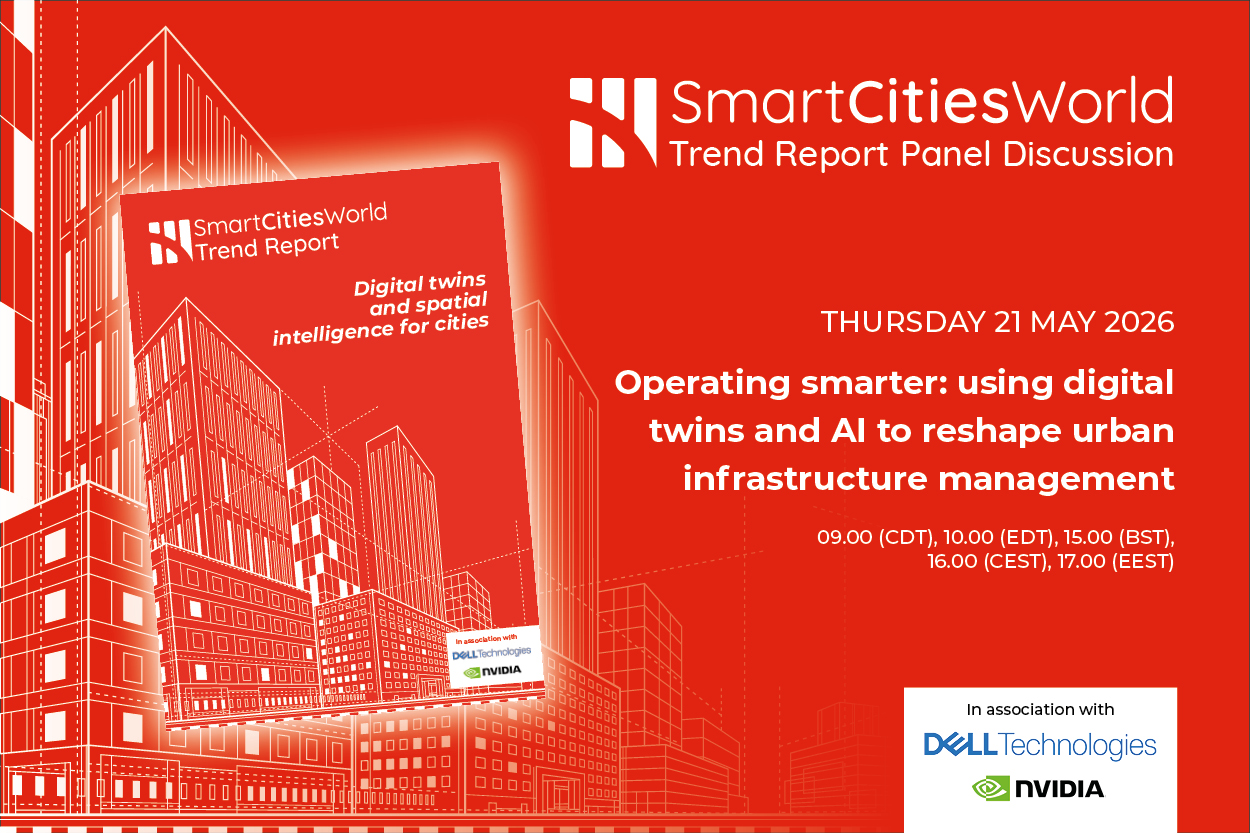



Discover how AI-powered digital twins are transforming urban infrastructure and how these innovations can improve efficiency, resilience, and sustainability.
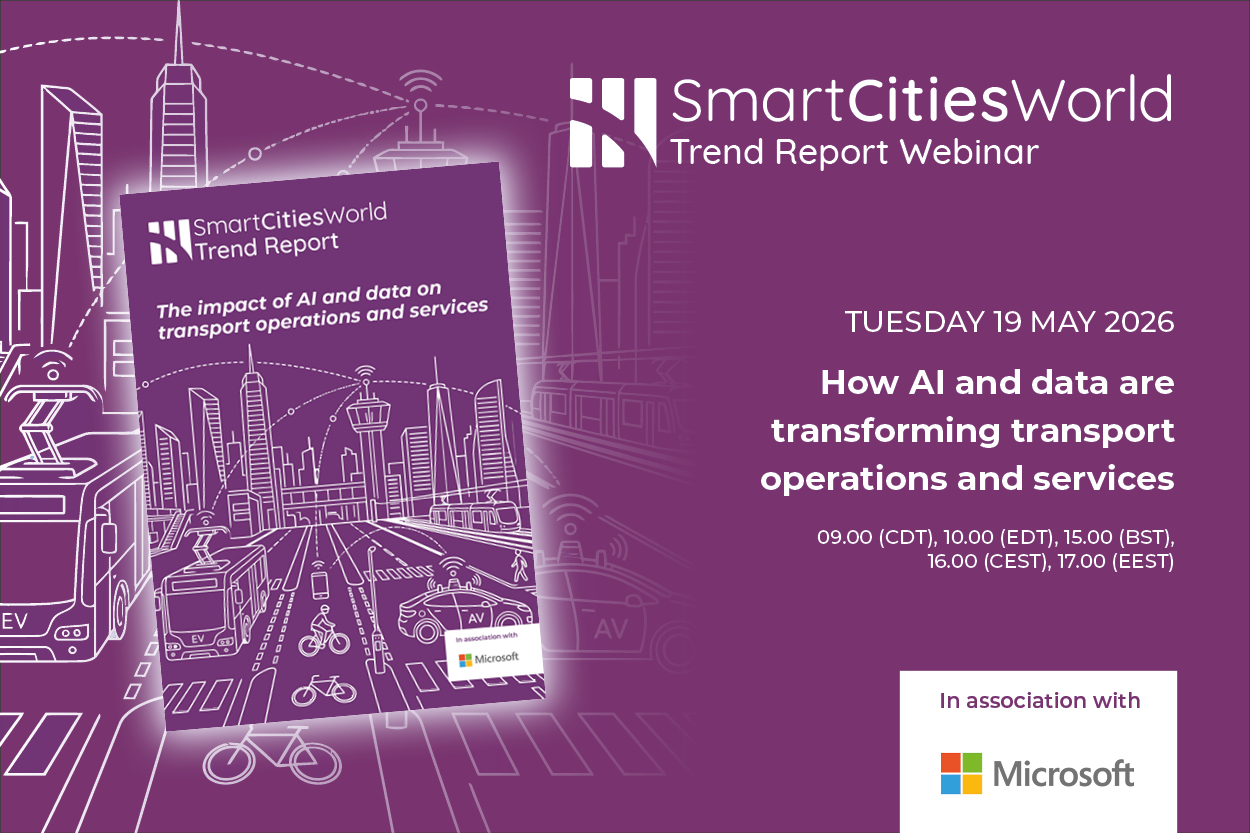
Explore how data and AI are being used in urban transport networks to support planning, day-to-day operations, and improve outcomes for communities and passengers.
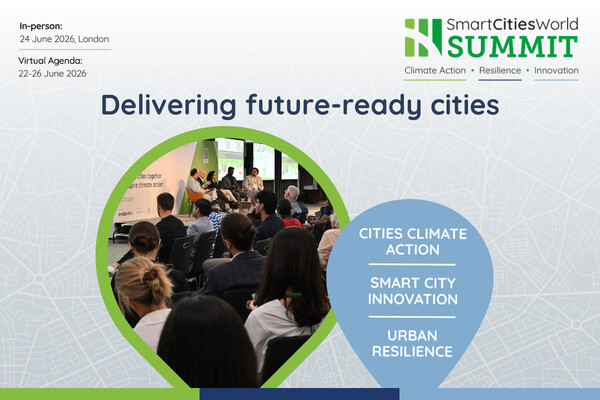
As cities confront the combined pressures of climate change, infrastructure resilience and digital transformation, the SmartCitiesWorld Summit 2026 will bring together urban leaders and partners during London Climate Action Week to explore how these agendas intersect – and how cities can translate strategy into practical action.
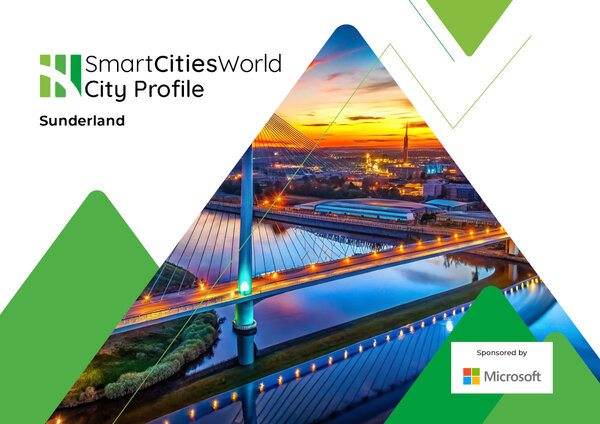
Find out how Sunderland is repositioning itself as a leading smart city – using digital infrastructure and low-carbon innovation to build a resilient, future-focused economy in the latest SmartCitiesWorld City Profile.
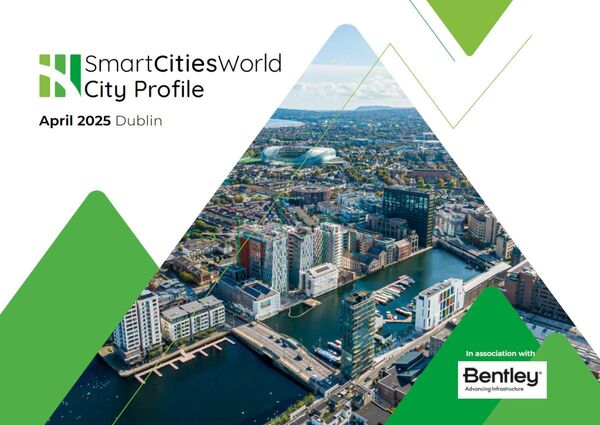
Find out how Dublin is innovating to improve experiences and services for its communities in the latest SmartCitiesWorld City Profile, including digital twin projects, traffic reduction, and economic growth.
Tune into the SmartCitiesWorld podcast to understand the world of sovereign AI for cities, featuring PNY Technologies’ Youssef Nadiri as our expert guest.
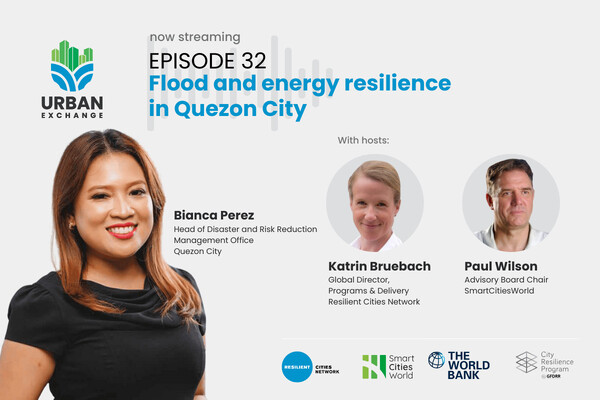
Tune in for the latest Urban Exchange where we get a first-hand account of city resilience measures from Quezon City following unexpected extreme rainfall.
How smart sensor networks can help improve indoor safety by detecting risks early, improving situational awareness and supporting healthier, more secure and sustainable buildings.
Gareth Tang, President of Urban Solutions at ST Engineering, explains how urban AI applications are set to evolve, detailing projects where AI is already making significant impact.
Atkins is a design, engineering and project management consultancy employing more than 18,300 people across the UK, North America, Middle East and Africa, Asia Pacific and Europe.
Air quality is acceptable; however, for some pollutants there may be a moderate health concern for a very small number of people who are unusually sensitive to air pollution.
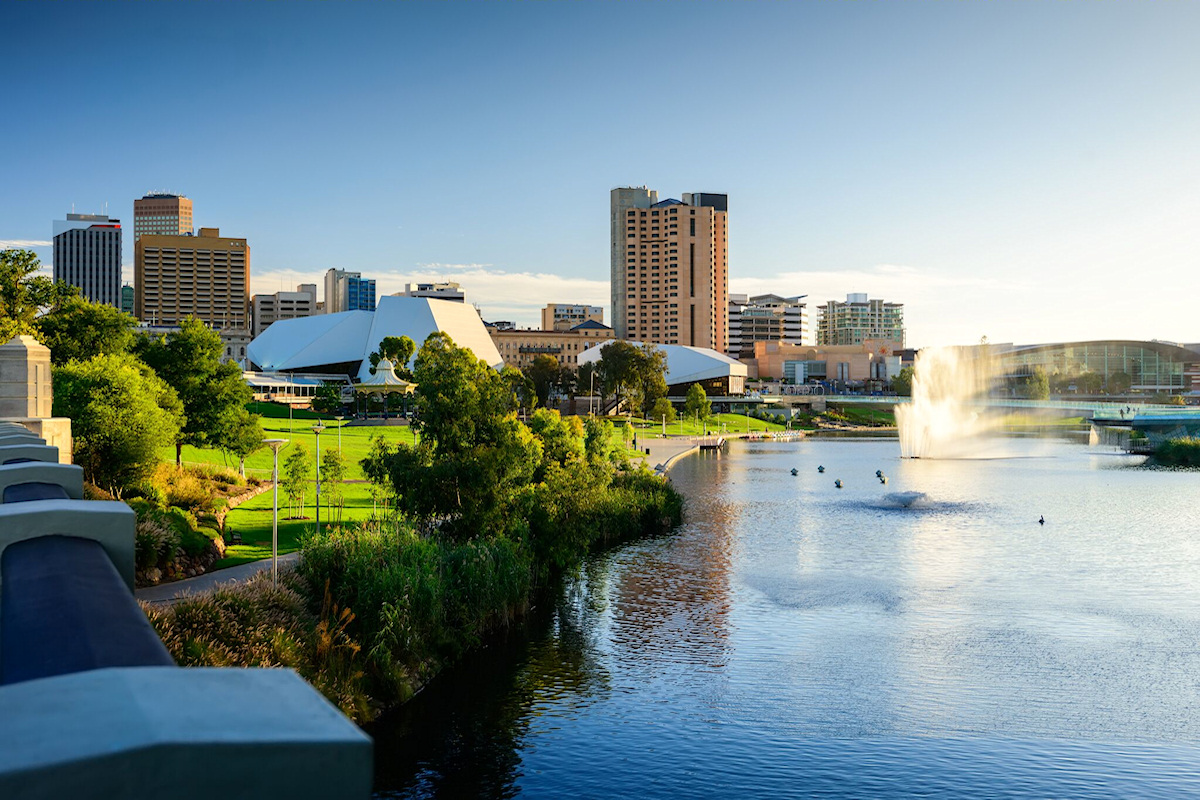
Adelaide is the capital city of the state of South Australia, and the fifth-most populous city of Australia. In June 2016, Adelaide had an estimated resident population of 1,324,279. South Australia, with a total of 1.7 million inhabitants, has the most centralised population of any state in Australia, with more than 75 percent of its people living in greater Adelaide, while the other population centres in the state are relatively small.
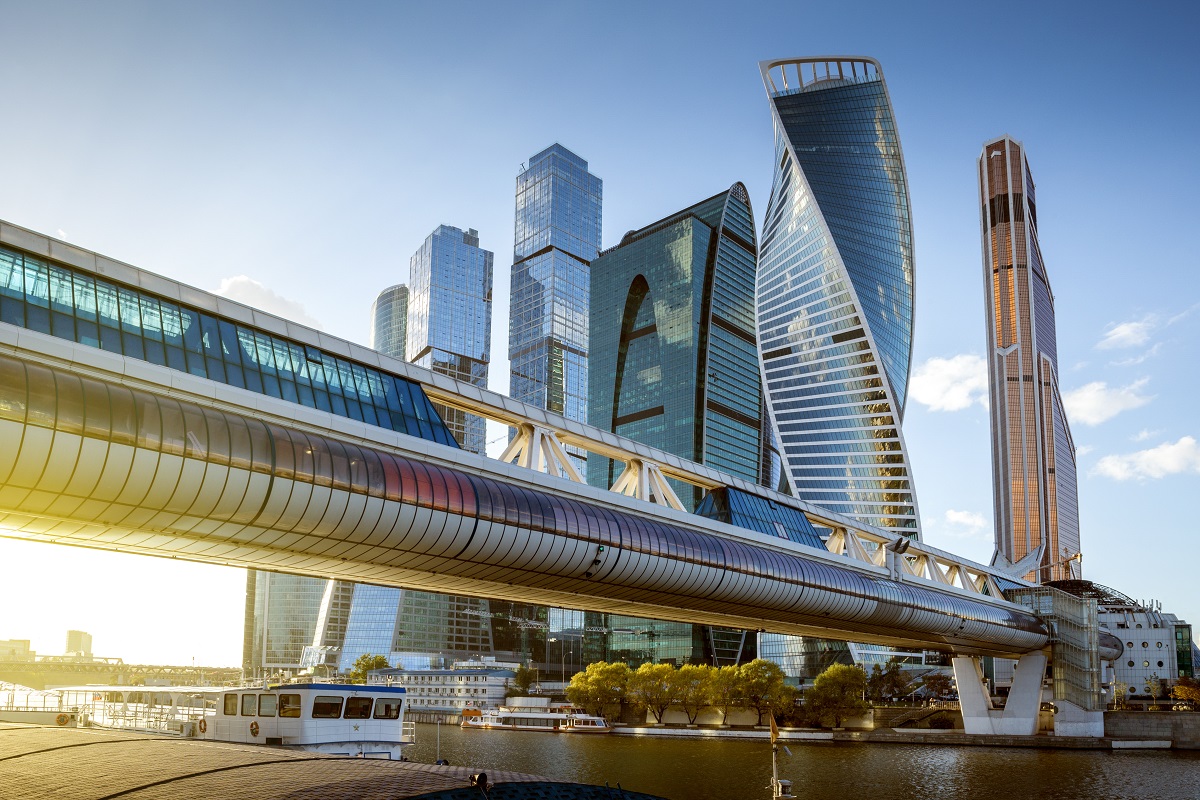
According to the Brookings Institute, Moscow is economically the sixth most powerful city in the world, with a Gross Regional Product (GRP) of $553bn in 2014. Its debt to GRP ratio is marginal – just 1.1 per cent compared to 11.7 per cent for New York – and in 2015, according to the country’s Central Bank, it attracted half of all the foreign direct investment made in Russia.
A city of paradoxes, the government would like Moscow to also be known as one of the smartest cities in which to live.
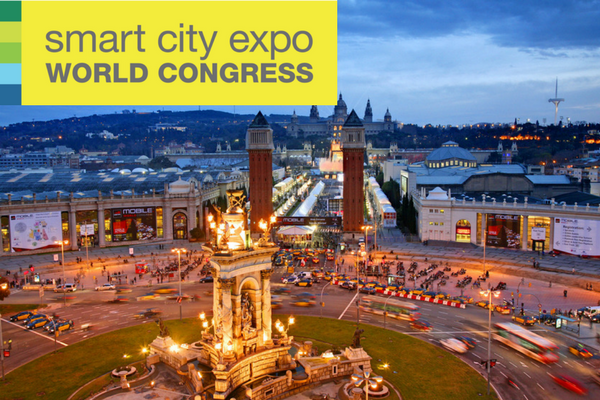
SmartCitiesWorld will once again report from the Smart City Expo World Congress in Barcelona in November. Our team will be busy publishing news, interviews, speaker insights and guest opinions.
This is your HUB for all the news related to SCEWC!
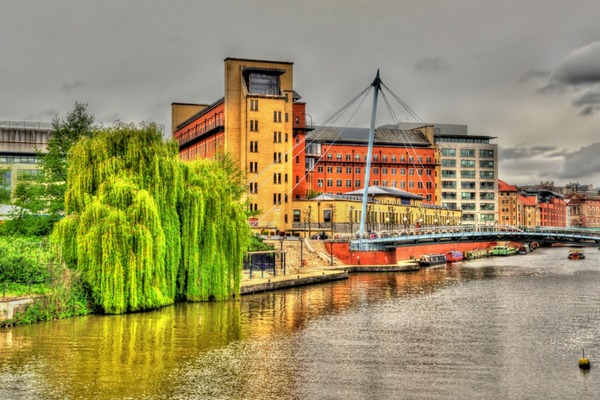
Bristol is a city and county in South West England, with a population of 449,300 in 2016. Bristol is one of the eight largest regional English cities that make up the Core Cities Group, and is ranked as a gamma world city by the Globalization and World Cities Research Network - the fourth highest ranked English city. In 2014, Bristol’s gross domestic product was £30.502 billion.
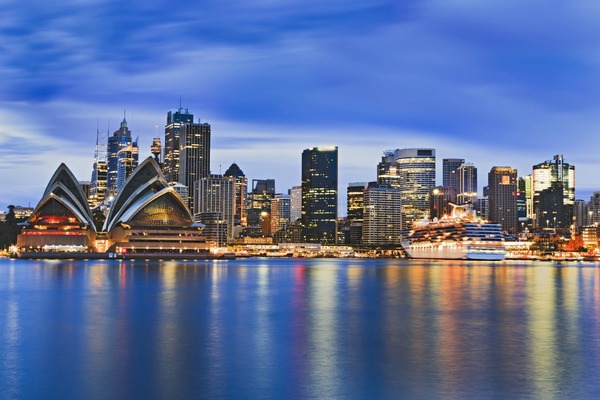
Located on Australia’s east coast, the metropolis of Sydney surrounds the world’s largest natural harbour. The city has transformed from a colonial outpost into a major global cultural and economic centre. As of June 2016, Sydney’s estimated population was 5,005,358.