












 22 - 26 June 2026: Find out more



BUILD YOUR OWN
RESOURCE LIBRARY



Podcasts

Cities Thriving on Lighting, Episode 2 – Simplicity by design in smart lightingSponsored by Paradox Engineering
Cities Thriving on Lighting, Episode 1 – Lighting as the backbone of the smart citySponsored by Paradox Engineering
Opinions

Transforming indoor public safety with smart sensor networksSponsored by Motorola Solutions
Lynchburg upgrades transit technology to improve services
The Greater Lynchburg Transit Company is introducing dispatch and location technologies alongside a fare payment system to serve the Central Virginia community.


Greater Lynchburg Transit Company (GLTC), the transit agency serving the US city of Lynchburg and its surrounding areas, has announced that it has selected Equans, Masabi and the Transit app to deliver transit technology upgrades.
GLTC will introduce integrated dispatch and vehicle location technologies alongside a new fare payment system with a view to delivering improved affordability, accessibility, and ensuring the continued provision of high-quality public transportation service to the Central Virginia community. GLTC serves a population of 80,846 in an area covering 72 square miles.
Real-time dispatch functionalities
Equans will provide its Navineo integrated intelligent transportation system (ITS). System features include:
- a computer aided dispatch/automatic vehicle location (CAD/AVL) providing real-time dispatch functionalities for detour or trip cancellation information
- an automatic voice annunciation (AVA) supplying data to interior next stop signage and announcements as well as real-time passenger information via the Transit app
- and a link to General Transit Feed Specification (GTFS/GTFS RT) allowing riders to be informed about their bus location and arrival information as well as giving GLTC useful information about the use of bus validator by location.
Equans’ performance reporting module will provide GLTC with the ability to easily retrieve, summarise, and analyse performance data for internal use and planning, as well as for satisfying all requirements for federal reporting to the National Transit Database (NTD) including vehicle revenue miles, vehicle revenue hours, passenger miles travelled and unlinked passenger trips.
“The deployment of this new tracking system along with the ability for customers to pay their fares through their smartphone, Transit, or using a smartcard will make riding GLTC a more convenient option”
Ticketing innovation using riders’ mobile phones will be provided by Masabi, the company bringing fare payments-as-a-service to public transit. Masabi will power mobile ticketing through the Transit app and a branded GLTC App – as well as giving riders the ability to top up their GLTC account balances using cash at retail locations throughout Central Virginia using Incomm Payments.
Masabi will also install its Justride Validators on board GLTC buses, which will quickly verify mobile tickets, accelerating the boarding process.
Read More
The integrations between the Transit app, Masabi and Equans, means riders in Lynchburg will be able to plan their journeys, locate their next bus, pay their fares, and ride through a single app.
“The deployment of this new tracking system along with the ability for customers to pay their fares through their smartphone, Transit, or using a smartcard will make riding GLTC a more convenient option along with giving our customers more information so they can plan their trips and ride with ease,” said Josh Moore, general manager for GLTC.
“We want to make riding public transit as simple and stress-free as possible, and this solution with our partners at Masabi and Equans helps do that”
“With our partners Masabi and Transit, Equans is proud to support GLTC by providing an integrated intelligent transportation system, which improves the quality of public transit for residents in the Lynchburg area.” added Stephan Goguet, chief operating officer Ineo Systrans USA, an Equans company.
“We want to make riding public transit as simple and stress-free as possible, and this solution with our partners at Masabi and Equans helps do that,” added David Block-Schachter, chief business officer at Transit. “GLTC passengers already rely on Transit to find their next trip and track their ride in real-time. Adding the ability to buy transit fares gives riders everything they need in one app.”
Multi-technical installation
Equans is a provider of multi-technical installation and maintenance services with operations in 20 countries, 95,000 employees on five continents, and annual revenue of over €17bn.
Equans designs, installs, and delivers customised solutions to help improve its customers’ equipment, systems and technical processes and optimise their use in the context of their energy, industrial and digital transitions.
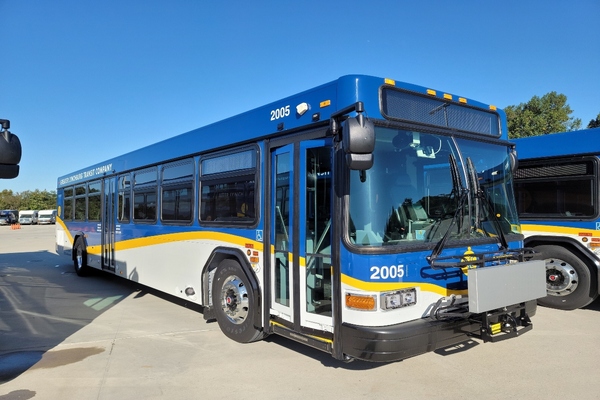
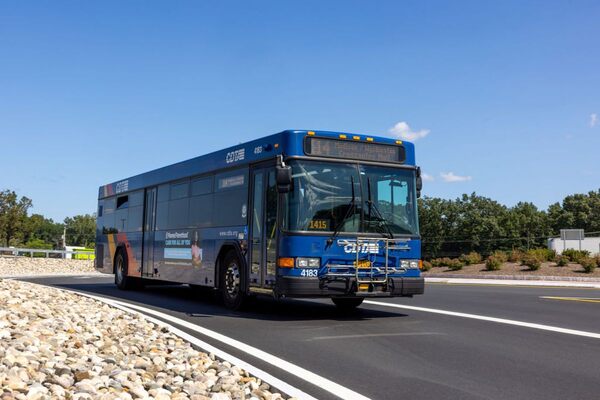
Greater Lynchburg Transit Company serves a population of more than 80,000 in an area covering 72 square miles
Why not try these links to see what our SmartCitiesWorld AI can tell you.
(Please note this is an experimental service)
How does Equans' Navineo ITS improve real-time bus dispatch efficiency?What benefits does Masabi's mobile ticketing bring to GLTC riders?How does integration of Transit app enhance user trip planning?In what ways does the new system support federal transit reporting?How will Justride Validators speed up the boarding process on buses?Central VirginiaEquansGLTCGreater Lynchburg Transit CompanyLynchburgMasabimobilitymobility-as-a-serviceRoad

Latest City Profile
Latest Urban Exchange Podcast
Latest Special Report
SmartCitiesWorld Newsletters (Daily/Weekly)
You may also like these related articles...
BECOME A MEMBER
© 2026 SmartCitiesWorld
Smart Cities World Ltd, 37 Lombard Street, London, EC3V 9BQ