













 22 - 26 June 2026: Find out more




BUILD YOUR OWN
RESOURCE LIBRARY



Podcasts

Cities Thriving on Lighting, Episode 2 – Simplicity by design in smart lightingSponsored by Paradox Engineering
Cities Thriving on Lighting, Episode 1 – Lighting as the backbone of the smart citySponsored by Paradox Engineering
Opinions

Transforming indoor public safety with smart sensor networksSponsored by Motorola Solutions
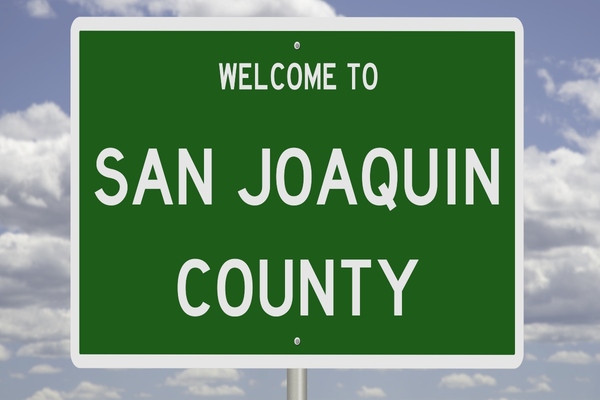
San Joaquin Regional Rail to roll out account-based ticketing
ABT system will eventually enable contactless EMV payments with other long-term goals including interoperability between Ace Rail and other services.


The San Joaquin Regional Rail Commission (SJRRC) is introducing an account-based ticketing (ABT) platform, mobile app, and customer portal on its rail network in partnership with mobility payments specialist Kuba Group.
In the first phase of its contract, the system will be rolled out across the Altamont Corridor Express (Ace) commuter rail network.
Interoperable fare system
SJRRC selected Kuba to help advance key goals. First, to upgrade and modernise Ace Rail’s fare collection system. The commission reports this upgrade is a critical step towards delivering a data-driven, efficient operation, while improving the rider experience. Kuba’s ticketing platform offers potential to achieve the longer-term vision of deploying open-loop fare payments and supporting an interoperable fare system across Ace Rail and other connecting services.
Multi-token acceptance was an essential requirement for SJRRC, to ensure payment options for the unbanked and underbanked, as well as digital natives. Kuba’s solution accepts multiple “travel tokens” in place of traditional tickets, including digitised cash and dynamic barcodes in a mobile app. It will also eventually be enabled to accept contactless EMV payments.
“We look forward to demonstrating how Kuba’s mobility platform can be used to make journeys simpler and transport operations easier to manage and optimise”
Riders will be able to plan, book and pay for journeys. The customer website and mobile app, both provided by Kuba, will be fully integrated into the ABT system. Using either interface, riders can get full access to their travel and payment history.
“Ace riders now have a much-improved ticketing experience,” says David Lipari, deputy director of passenger experience and communications at Ace Rail. “The solution will better prepare our agency to provide a service that incentivises ridership by making travel easier.”
Read More
In addition, Kuba’s ABT platform can connect with third-party systems, such as government portals that handle concessions eligibility. Using this type of integration, SJRRC could allow a “right to a reduced fare” to be linked to a rider’s account and automatically applied as they use the system. Eligible groups, to be defined by Ace Rail, could include communities that work or study in institutions along the route, riders with disabilities, seniors and children.
Brian Frank, Kuba’s general manager, North America, said: “We look forward to demonstrating how Kuba’s mobility platform can be used to make journeys simpler and transport operations easier to manage and optimise. Our teams are already working well together, and we’re eager to see the project unfold.”
“The solution will better prepare our agency to provide a service that incentivises ridership by making travel easier”
Kuba’s technology provides a rich source of data on riders’ travel and payments behaviour that can be captured for analysis and reporting. Information on how riders use the network and how they prefer to pay is a valuable asset, which could be used to inform Ace Rail’s service and fare policy decisions going forward.
Ace Rail provides essential service from California’s Central Valley to the Bay Area. It connects commuters between Stockton and San Jose with 815,000 unlinked trips yearly. Supporting Silicon Valley commuters, the heart of the world’s tech industry, Ace also provides special event service to Levi’s Stadium, the site of NFL games and a host venue for the 2026 World Cup.
Why not try these links to see what our SmartCitiesWorld AI can tell you.
(Please note this is an experimental service)
How will the ABT platform improve fare collection efficiency on Ace Rail?What payment methods will Kuba’s system support for unbanked riders?How can interoperability between Ace Rail and other services be achieved?In what ways will rider data influence Ace Rail’s service policies?How will the mobile app enhance the overall passenger travel experience?
Latest City Profile
Latest Urban Exchange Podcast
Latest Special Report
SmartCitiesWorld Newsletters (Daily/Weekly)
You may also like these related articles...
BECOME A MEMBER
© 2026 SmartCitiesWorld
Smart Cities World Ltd, 37 Lombard Street, London, EC3V 9BQ