











 22-26 June 2026: Find out more












BUILD YOUR OWN
RESOURCE LIBRARY



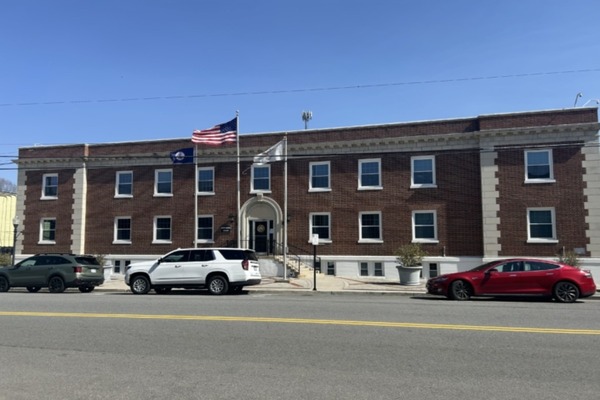
Historic Virginian building receives energy efficiency upgrade
Project delivers infrastructure upgrades, efficiency benefits and long-term cost savings for the Moses Building, home to Pittsylvania County Sheriff’s Office.


 At a glance
Who: Ameresco; Pittsylvania County.
What: Ameresco has delivered an energy efficiency and infrastructure upgrade to the historic Moses Building, home to the Pittsylvania County Sheriff’s Office in Virginia.
Why: To deliver cost-savings while enhancing building performance, reliability, and sustainability for years to come.
When: The project has been completed.
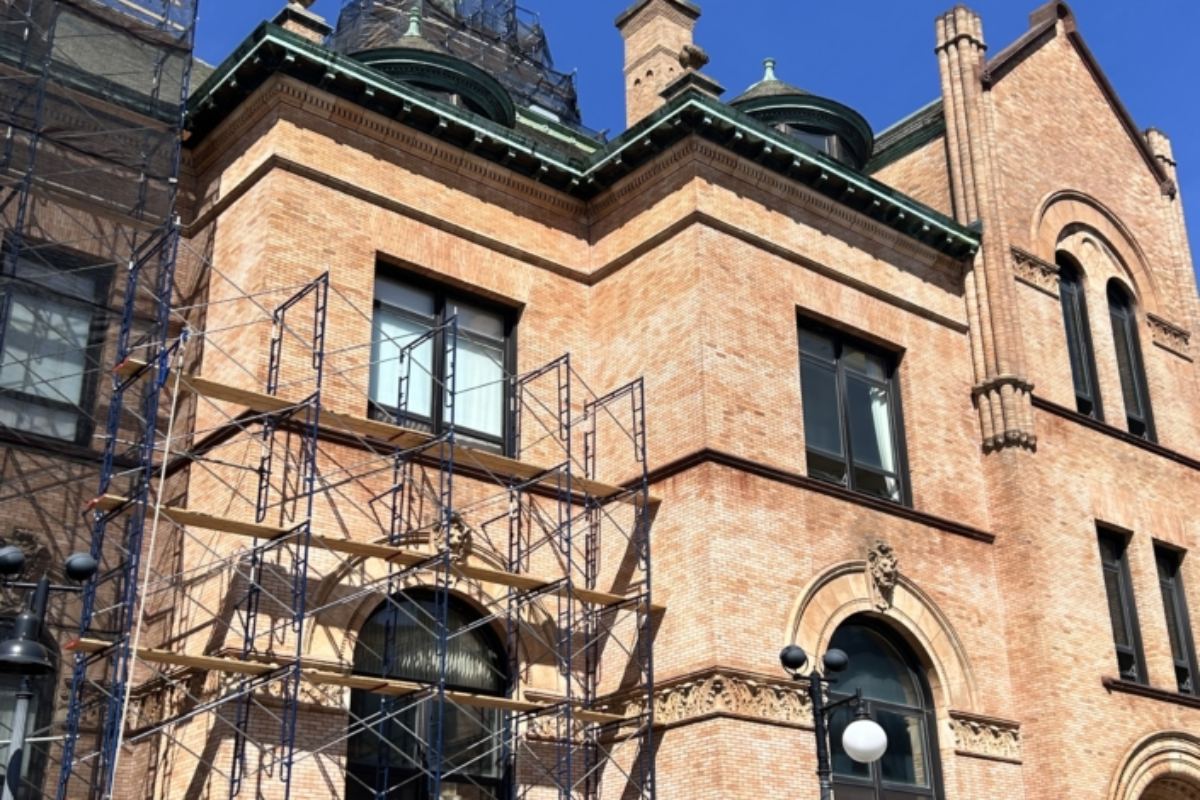
The historic Moses Building, home to the Pittsylvania County Sheriff’s Office in Virginia, has received an energy efficiency and infrastructure upgrade, designed to deliver cost-savings while enhancing building performance, reliability, and sustainability for years to come.
It was carried out by energy infrastructure solutions provider Ameresco, which has announced the completion of the Energy Savings Performance Contract (ESPC) project.
Energy conservation focus
A core part of the project included a targeted energy conservation initiative designed to deliver guaranteed energy savings over the life of the project while preserving the historic character of the building, originally constructed during the Great Depression era.
To achieve these goals, Ameresco implemented a range of upgrades designed to improve efficiency, reduce costs, and enhance occupant comfort. The project included the installation of a variable refrigerant flow (VRF) heat pump HVAC system, replacement of ageing single‑pane wood windows with new double‑pane units that complemented the building’s historic architecture, and repairs to interior wood and plaster surfaces damaged by long‑term water infiltration.
“By leveraging the ESPC model, we were able to deliver critical infrastructure upgrades with guaranteed savings, while minimising disruption to county operations”
“Ameresco’s performance was outstanding and exceeded our expectations,” said Chris Adcock, public works director at Pittsylvania County, Virginia. “Thanks to their attention to detail and commitment to excellence, the project delivered lasting benefits to our facility. We now have a more modern, efficient, and reliable environment that better serves both staff and the community.”
Ameresco said completing the work in an occupied public safety facility presented a unique challenge, requiring meticulous planning to maintain daily operations and ensure the safety of staff and visitors.
Read More
Through careful coordination of schedules and installation activities, the project team was able to carry out extensive upgrades while keeping the facility fully operational, demonstrating that major improvements can be achieved without disrupting critical public services.
“This latest project reflects Ameresco’s commitment to advancing energy efficiency and helping our public-sector partners achieve their energy and sustainability goals, while also respecting historic architecture,” said Peter Christakis, president of East USA & Greece and project risk at Ameresco. “By leveraging the ESPC model, we were able to deliver critical infrastructure upgrades with guaranteed savings, while minimising disruption to county operations, helping strengthen building performance and support the services the community relies on.”
The County prioritised this project to address the Moses Building’s ageing infrastructure, comfort challenges, and long‑deferred maintenance needs, ensuring the facility could continue operating without interruption.
By preserving the building’s historic character while modernising its systems, Ameresco helped Pittsylvania County support the continuity of critical public safety operations and extend the useful life of an essential county facility.
Why not try these links to see what our SmartCitiesWorld AI can tell you.
(Please note this is an experimental service)
How did the ESPC guarantee energy savings over the project lifetime?What VRF heat pump specifications improved building efficiency and comfort?How were historic windows replaced while preserving architectural character?What measures minimized disruption in the occupied public safety facility?How did the project effectively repair long-term water infiltration damage?
Latest City Profile
Latest Summit Speakers
(22-26 June)
Latest Urban Exchange Podcast
Latest Special Report
SmartCitiesWorld Newsletters (Daily/Weekly)
You may also like these related articles...
BECOME A MEMBER
© 2026 SmartCitiesWorld
Smart Cities World Ltd, 37 Lombard Street, London, EC3V 9BQ