













BUILD YOUR OWN
RESOURCE LIBRARY



Podcasts

Cities Thriving on Lighting, Episode 2 – Simplicity by design in smart lightingSponsored by Paradox Engineering
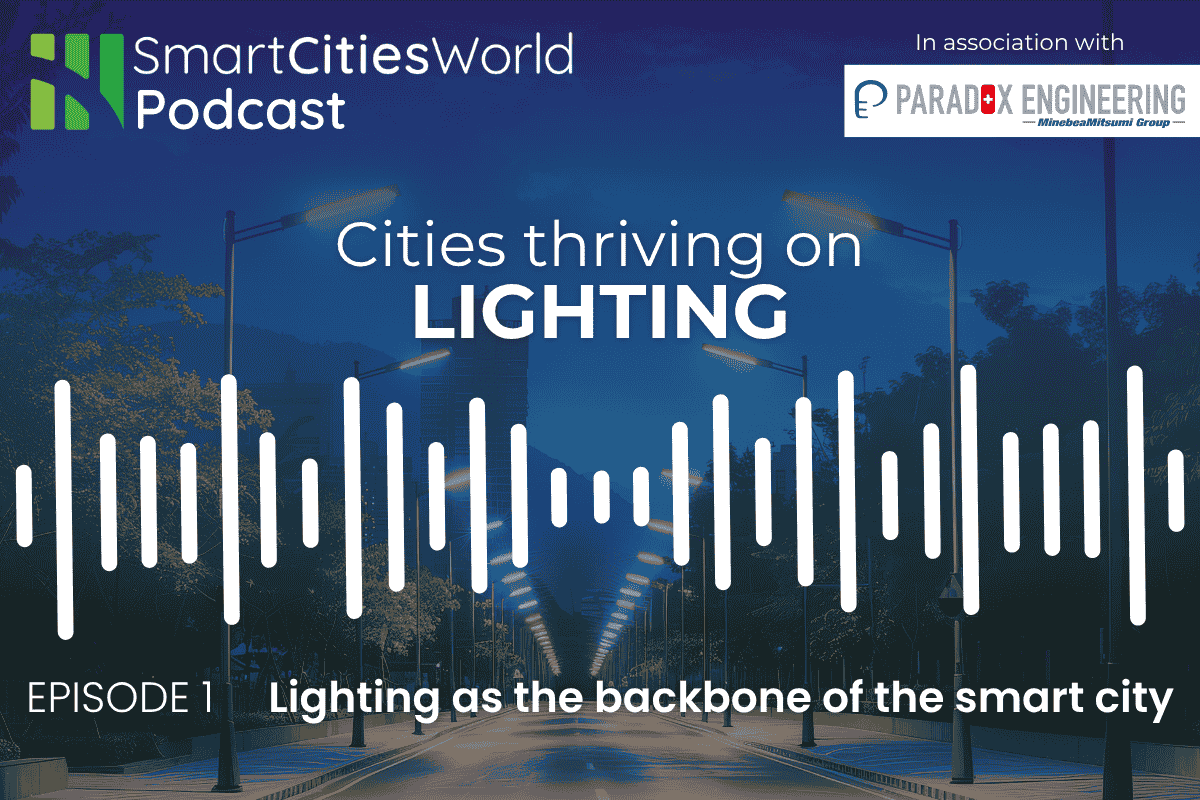
Cities Thriving on Lighting, Episode 1 – Lighting as the backbone of the smart citySponsored by Paradox Engineering
Cop31 Presidency outlines vision for resilient, people-centred cities
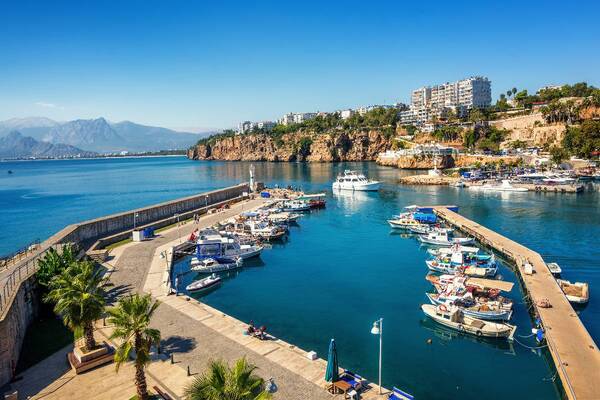
The Presidency says the November conference being held in Antalya will be “a platform for solutions” and one which will “turn words into concrete results”.


 At a glance
Who: Cop31 Presidency.
What: Türkiye Cop31 President-Designate, Murat Kurum, has outlined a vision to make resilient, sustainable and people-centred cities one of the main pillars of the global climate agenda.
Why: With nearly three quarters of global energy consumption taking place in cities and around 70 per cent of greenhouse gas emissions originating from them, he said cities “are the main arenas of climate action”.
When: The Cop31 Presidency outlined its vision in the Hatay Resilient Cities Forum, taking place from 8-9 May in Hatay, Türkiye. Cop31 takes place in Antalya 9-10 November 2026.
Türkiye Cop31 President-Designate, Murat Kurum, has declared resilient cities as a key priority for the Antalya UN Climate Summit. He has also highlighted how Türkiye’s model of urban reconstruction following the 2023 earthquake represents a vision of scaling up climate action in cities.
During his keynote address at the Türkiye’s road to Cop31: Resilient Cities event, he outlined a vision “to make resilient, sustainable and people-centred cities one of the main pillars of the global climate agenda”.
Responding to the challenges of cities
Kurum, who will lead the annual UN climate summit Cop31 in Antalya (9-20 November) and serves as Türkiye’s minister for environment, urbanisation and climate change, has led the ministry’s reconstruction effort which has already rebuilt almost half a million homes across the affected region.
Speaking at an international conference in Hatay, one of the epicentres of the destruction, Kurum set out how the Cop31 President sees the November conference as “a platform for solutions – one that responds to the challenges of cities, makes the capacity of local governments visible, and turns words into concrete results.”
“We are taking all these steps in harmony with our 2053 Net Zero Emissions Target and our Green Development Vision”
He explained the Presidency’s intention to make resilient cities one of the fundamental priorities of the international climate agenda “because globally, we must reduce emissions from buildings”.
With nearly three quarters of global energy consumption taking place in cities and around 70 per cent of greenhouse gas emissions originating from them, he added that cities “are the main arenas of climate action”.
Kurum noted that through the reconstruction process, Türkiye had expanded its definition of resilience beyond earthquake preparedness and created a new roadmap built on the principles of efficiency, environmentally friendly buildings, zero-waste, smart systems management.
Read More
By adopting the nearly-zero energy building concept, new developments in Hatay had reduced energy consumption by almost 40 per cent. “We are taking all these steps in harmony with our 2053 Net Zero Emissions Target and our Green Development Vision,” said Kurum.
The Cop31 Presidency is currently running consultations with key stakeholders on key outcomes that can be delivered during the summit. Resilient cities will be in the spotlight at the summit in Antalya and provided with platforms to share best practice, while Türkiye would also share its experience.
To advance its work, the Presidency is signing at the conference an agreement with UN-Habitat to establish Istanbul as a regional hub for cooperation on urban planning, housing and land management across Eastern Europe, the Western Balkans, the Caucasus and Central Asia. Serving more than 24 countries, the centre will advance joint projects and help connect investable urban development initiatives with international financing.
The Hatay Resilient Cities Forum is taking place from 8-9 May in Hatay, Türkiye against the backdrop of one of the largest reconstruction and urban resilience programmes currently underway in the country. The Forum brings together key ministers, government officials, financial institutions, local authorities and civil society and is designed to generate practical outcomes and policy contributions ahead of Cop31.
Following the February 2023 earthquakes, Türkiye accelerated a nationwide urban transformation and reconstruction programme focused on rebuilding homes and infrastructure while strengthening disaster preparedness, energy efficiency and climate resilience across its cities. This urban transformation programme combines large-scale housing renewal, public investment, local delivery and updated resilience standards, with a particular focus on high-risk urban areas such as earthquake-hit areas and Istanbul.
The Forum provides an opportunity to discuss how resilient cities policies are being implemented in practice, and how reconstruction and urban planning efforts can support safer, more sustainable, and more liveable urban development over the long term.
Why not try these links to see what our SmartCitiesWorld AI can tell you.
(Please note this is an experimental service)
How can nearly-zero energy buildings reduce urban emissions and operational costs?What measurable resilience indicators should guide post-disaster urban reconstruction projects?How can local governments scale smart systems for energy and waste management?Which financing mechanisms unlock investable urban development initiatives regionally?How will Istanbul's UN-Habitat hub coordinate cross-border urban planning cooperation?climate actionClimate change/ResilienceCOP30Energy & EnvironmentGovernance and Citizennet zeroresilienceSustainable Development Goals
Latest City Profile
SmartCitiesWorld Newsletters (Daily/Weekly)
You may also like these related articles...
BECOME A MEMBER
© 2026 SmartCitiesWorld
Smart Cities World Ltd, 37 Lombard Street, London, EC3V 9BQ