




















BUILD YOUR OWN
RESOURCE LIBRARY



Opinions

Smart lighting: enabling smart cities beyond illuminationSponsored by Paradox Engineering

How AI and biometrics are shaping next-generation mobility paymentsSponsored by ST Engineering
How to design safe and bikeable streets
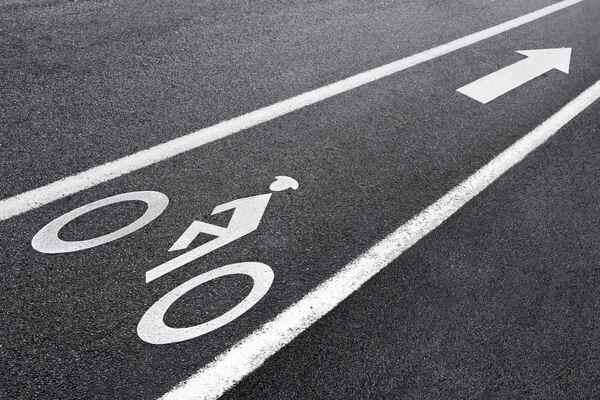
The Urban Bikeway Design Guide includes detailed policy, planning, and project guidance to ensure connected bikeable streets become standard practice in the US.


The National Association of City Transportation Officials (Nacto) is launching the latest edition edition of the Urban Bikeway Design Guide to support the next generation of cycling infrastructure in the US.
Developed for cities, by cities, the guide aims to be a blueprint for changing decades-old practices on city streets.
Safe and accessible street design for biking
Endorsed by the US Department of Transportation and recognised in federal law, the Urban Bikeway Design Guide is used by hundreds of municipalities, state DoTs, and regional agencies across the US and Canada to design streets that are safe and accessible for people biking.
“We commend Nacto for their work with local planners and designers to build safer streets and more connected bikeway networks,” said US secretary of transportation Pete Buttigieg. “The newest edition of the Urban Bikeway Design Guide will be an important resource for communities as they improve safety and design for cyclists, pedestrians, and everyone who uses our streets and roads.”
“The story of urban design over the last decade is the story of how innovative and easy-to-implement cycling infrastructure transformed thousands of city streets into safe, bikeable places”
The new edition includes detailed policy, planning, and project development guidance to ensure connected bikeable streets become standard practice. It also shows how to centre equity and access in every step of planning and implementing a bike network – addressing inequities caused by the transportation system and building collaborative partnerships with historically marginalised groups of residents.
“The story of urban design over the last decade is the story of how innovative and easy-to-implement cycling infrastructure transformed thousands of city streets into safe, bikeable places,” said Janette Sadik-Khan, Nacto’s board chair and a principal at Bloomberg Associates. “The Urban Bikeway Design Guide is the source code for this explosive new cycling era, now updated with the latest designs and technical insights from hundreds of projects across the country.”
Read More
With more detailed technical guidance than previous editions, the guide points the way for cities to plan and implement bike networks that account for the many different types of people who may be using the street. The third edition also reflects the increasing use of new types of vehicles using bike infrastructure and features best practices to integrate more types of bikeway users – including those riding e-bikes, scooters, and cargo bikes – into the design process.
Beyond design guidelines, the new edition of the guide broadens its scope to include network planning, community engagement, design context, project delivery, and maintenance needs to ensure that high-quality bike routes remain functional and comfortable – even during construction disruptions.
The Urban Bikeway Design Guide illustrates a vision for cities that features safe streets, economically strong local business districts, and vibrant streetscapes. It shows how effective leadership strategies can unlock the resources, structure, and backing necessary to change city streets.
“Access to transportation means access to opportunity,” said Ryan Russo, executive director of the National Association of City Transportation Officials (Nacto). “The third edition of the Urban Bikeway Design Guide takes all that we’ve learned from hundreds of projects across North America. It provides more than just a kit of parts for designing a bike lane: it provides the how-to blueprint and strategies for creating a whole bike network for people of all ages, abilities, and identities.”
The Urban Bikeway Design Guide, Third Edition, will be available from Island Press in hardcover and ebook format on 14 January 2025. For more information, visit nacto.org/bike-guide.
Why not try these links to see what our SmartCitiesWorld AI can tell you.
(Please note this is an experimental service)
How does the Urban Bikeway Design Guide improve bike network connectivity?What strategies ensure equity and access in bike infrastructure planning?How can cities integrate e-bikes and scooters into bikeway designs?What role does community engagement play in successful bike network projects?How does the guide address maintenance during construction disruptions?Latest City Profile
SmartCitiesWorld Newsletters (Daily/Weekly)
You may also like these related articles...
BECOME A MEMBER
© 2025 SmartCitiesWorld
Smart Cities World Ltd, 27 Clements Lane, London, EC4N 7AE