

















BUILD YOUR OWN
RESOURCE LIBRARY



Opinions

Smart lighting: enabling smart cities beyond illuminationSponsored by Paradox Engineering

How AI and biometrics are shaping next-generation mobility paymentsSponsored by ST Engineering
US cities invited to take data-driven approach to littering
Litterati’s Analyse tool allows cities to take a data science approach to addressing the problem of litter by applying machine learning to photos of litter to develop a baseline of its composition.


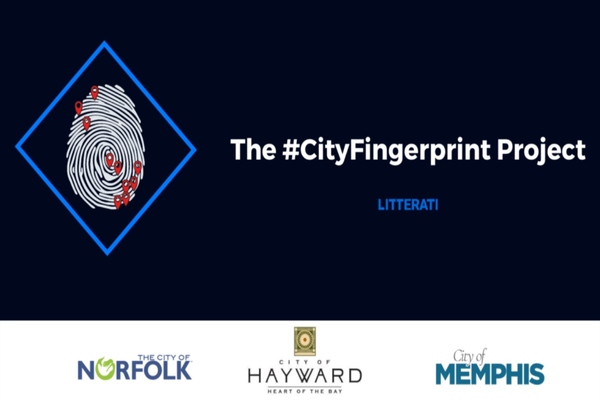
The global litter data science company Litterati has chosen the US the cities of Hayward, California, Memphis, Tennessee, and Norfolk, Virginia, to participate in its new City Fingerprint project.
All three cities are already committed to using data to make their city smarter and a better place to live and work for their residents and business community.
Machine learning
Litterati’s Analyse tool allows cities to take a data science approach to addressing the problem of litter. It applies machine learning to photos of litter to develop a baseline of litter composition (material, object, and brand) throughout a certain section of the city such as commercial corridors or illegal dumping hotspots.
This information provides government partners with a single evaluation of the who, what, where, and when data on the litter so that cities can better develop strategies to prevent litter.
The City Fingerprint project builds on the Analyse platform by expanding the locations of the baseline to cover more geographic research areas than is covered in Analyse’s existing/current scope. The City Fingerprint project also expands the research through four evaluation periods in each city to monitor changing conditions as well as determine which litter prevention interventions are working and what aren’t.
Through the consistency of working with the three cities over a determined period, Litterati will better understand how to do a comparative analysis of data from different cities to identify macro littering trends, patterns, and insights across multiple cities.
Read More
“You can’t solve a problem without first understanding it,” said Litterati founder and CEO Jeff Kirschner. “These cities are taking the first step to getting to the root of their litter problem.”
In Memphis, Litterati is working with the Public Works Department after forging partnerships with Memphis non-profits CleanMemphis and Memphis Transformed. Memphis has experienced increased illegal dumping, especially during the pandemic, and the Litterati platform can inform what actions can be taken to prevent illegal dumping in the future.
“Combatting litter is a constant struggle in just about every city across the country,” said Memphis mayor Jim Strickland.
“Since I’ve been mayor, everything we do in city of Memphis government, from filling potholes to answering 911 calls, is based off data. Now, thanks to Litterati, the way we address litter will be no different.”
“You can’t solve a problem without first understanding it. These cities are taking the first step to getting to the root of their litter problem”
Norfolk wants to better understand littering on commercial corridors and actions that can be taken to reduce litter on commercial corridors.
“Litter is a global issue, impacting cities across the country,” said Norfolk mayor Kenneth Cooper Alexander. “The City of Norfolk is excited to partner with Litterati to combat litter in our city, which has significantly increased during the Covid-19 pandemic. Data collected through Litterati will aid in ongoing public awareness, education, and grassroots efforts to create a litter-free Norfolk.”
Hayward will also take part in the project to better understand what types of single-use plastic are most littered and better inform future action on single-use plastic.
“Hayward is a data-driven city that prioritises being clean and green,” said Hayward mayor Barbara Halliday. “I’m looking forward to seeing how the City Fingerprint project can help us develop policies and practices to respond more quickly and efficiently to litter and illegal dumping hotspots.”
Litterati kicked off the project with each city this November and will continue to work with each one for the entire year to conduct four litter monitoring periods and leave each city with a final report on their litter composition and evaluation of effective prevention strategies.
Litterati plans to use these learnings internally to improve the Analyse product and continue its mission to create a litter-free world one city at a time.
Why not try these links to see what our SmartCitiesWorld AI can tell you.
(Please note this is an experimental service)
How does Litterati's machine learning analyze litter composition from photos?What data metrics does the City Fingerprint project collect for litter analysis?How can cities use litter data to develop targeted prevention strategies?What benefits arise from comparing litter trends across multiple cities?How does monitoring litter over time improve intervention effectiveness?CaliforniaEnergy & EnvironmentGovernance and CitizenHaywardlitterLitteratiMemphisNorfolkTennesseeUSAVirginiawaste
Latest City Profile
SmartCitiesWorld Newsletters (Daily/Weekly)
You may also like these related articles...
BECOME A MEMBER
© 2026 SmartCitiesWorld
Smart Cities World Ltd, 27 Clements Lane, London, EC4N 7AE