


















BUILD YOUR OWN
RESOURCE LIBRARY



Opinions

Smart lighting: enabling smart cities beyond illuminationSponsored by Paradox Engineering

How AI and biometrics are shaping next-generation mobility paymentsSponsored by ST Engineering
Harnessing data to build more sustainable communities
Sponsored by SAP
SAP’s Dante Ricci explains how city governments can use data to build more resilient and sustainable communities.


Climate change is no longer a distant threat but a crisis that demands urgent action. With rising global temperatures and more frequent extreme weather events, the need to reduce carbon emissions and improve resilience has never been more crucial for liveability and prosperity.
As the world’s population continues to urbanise, with 70% of people projected live in cities by 2050, city governments are uniquely positioned to lead the charge towards a more sustainable future. They not only set and implement central policies in addition to curbing their emissions footprint, but also cities generally are more connected from an internet perspective which enables them to collect and exchange data from systems, people, and physical objects.
Data management and analytics in particular play a crucial role in helping city governments improve resilience and sustainability
Given their unique advantages, city governments are collaborating with national, state, and regional authorities, as well as commercial companies, that contribute to the functioning and development of the city to accelerate the transition to a low-carbon economy and community.
Partnerships between cities and transportation companies, utilities, and telecoms firms are pushing municipal progress across all sectors. Many of these projects use digital technology combined with new thinking to iteratively make progress to a more sustainable future.
Use of technology and data in sustainability
Data management and analytics in particular play a crucial role in helping city governments improve resilience and sustainability. City governments can maximise the value of data for a more resilient and sustainable community by leveraging it in combination with other digital technologies. By doing so, it enables governments and their ecosystem partners to address a number of critical challenges.
Data collection and management
- Collect, store, and manage vast amounts of data from various sources (for instance databases, social media, sensors, enterprise resource management systems and citizen experience solutions)
- Automate data collection, processing, and analysis tasks to reduce manual effort and enable stakeholders to focus on higher-value tasks like interpretation and decision-making
- Protect data using encryption techniques, access controls, and compliance frameworks to maintain trust with citizens.
Data analysis and visualisation
- Uncover patterns, correlations and trends using data mining, machine learning, and statistical analysis. Using advanced analytics techniques, such as predictive modelling, cities and their ecosystem partners can better forecast future outcomes based on historical data
- Analyse data in near real-time to respond quickly to changing conditions, citizen issues and operational disruptions
- Visualise data insights in intuitive and interactive ways through charts, graphs, dashboards, and other visual representations that make it easier to understand complex data and communicate insights
- Visualising insights from data plays a pivotal role in empowering city governments to achieve their sustainability objectives and align with their liveability and prosperity goals. The value in insights usually provides evidence to support the incremental building of value over time.
Some cities have effectively utilised analytics and are poised to become even more proficient in their use. We are witnessing city governments harnessing the power of data analytics to drive progress towards a more sustainable future, exemplifying their commitment to sustainability. To give you a sense of how, here are a few examples below.
Urban planning and resource allocation
- Designing urban communities using simulations of population density, land use, and transportation patterns to become smarter about zoning regulations and land use policies
- Identifying areas of improvement to allocate resources more efficiently across all city departments
- Reducing energy consumption in buildings, street lighting, transportation systems, and other infrastructure leading to significant energy savings
- Optimising waste collection routes and predicting waste generation patterns
- Identifying traffic patterns, optimising traffic signal timings, and developing efficient public transportation networks.
Environmental sustainability and maintenance
- Formulating policies as well as tracking the implementation of policies and assessing progress, and effectiveness
- Monitoring air quality from sensors and satellite imagery to identify pollution hotspots and track emission sources
- Using data from sensors and monitoring systems to predict equipment failures, optimise maintenance schedules, and reduce downtime
- Evaluating the sustainability practices of suppliers including sustainability metrics, compliance with environmental standards, and social responsibility initiatives. Equally impactful insights from data can provide situational awareness between analysis, planning, and execution
- Reporting on regulatory compliance
- Connecting environmental, social, and financial data to gain use one source of truth to collaborate
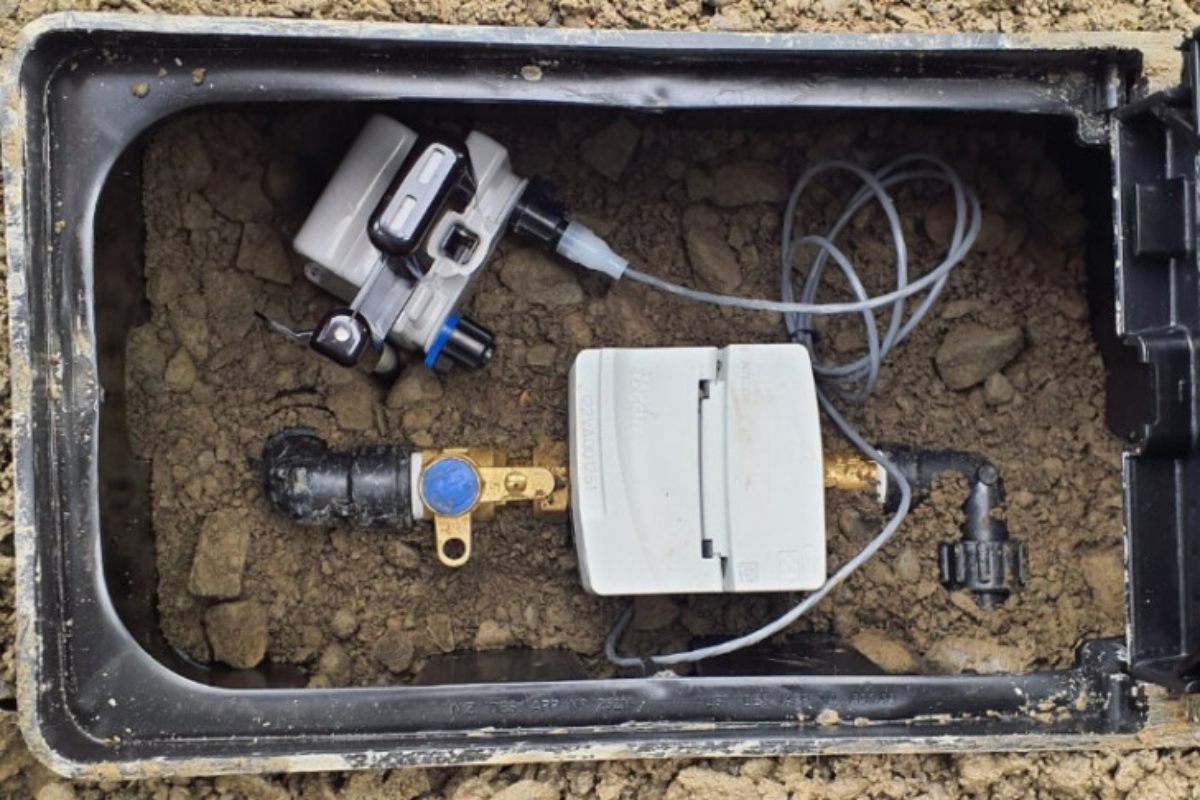
- Monitoring water usage, detect leaks, and optimise water distribution systems, reducing flooding.
Why collaboration is a sustainability imperative
Through collaboration city governments and the entire ecosystem can partner to iteratively reduce energy consumption, increase resiliency, address social needs, and make progress at reducing inequalities.
We urge you to join the movement towards a sustainable future. The above only begins to scratch the surface of the incredible power of data-driven insights and their potential to transform our cities; there are countless untapped opportunities for city governments to leverage data for even greater progress.
Collaboration is key in meeting cities’ environmental sustainability goals – that’s why we want to hear from you. Share how your city government is harnessing data to create a more liveable and sustainable environment, and together, let’s uncover the innovative ways cities can use insights to shape a brighter future.
Join the conversation by leaving your thoughts in the comments section below; your input could be the key to unlocking new possibilities for your city and inspiring others to act. Don’t miss out on your chance to make a difference.
Why not try these links to see what our SmartCitiesWorld AI can tell you.
(Please note this is an experimental service)
How can data analytics improve urban resource allocation and energy efficiency?What technologies enable real-time monitoring of environmental sustainability metrics?How do city governments protect citizen data while enabling data sharing?In what ways can predictive modeling optimize public transportation systems?How does collaboration between cities and private sectors accelerate climate action?AnalyticsAnalyticsclimate actionClimate change/ResilienceConnectivity & DataEnergy & EnvironmentGovernance and Citizen
Latest City Profile
SmartCitiesWorld Newsletters (Daily/Weekly)
You may also like these related articles...
BECOME A MEMBER
© 2026 SmartCitiesWorld
Smart Cities World Ltd, 27 Clements Lane, London, EC4N 7AE