










 22 - 26 June 2026: Find out more





BUILD YOUR OWN
RESOURCE LIBRARY



Podcasts

Cities Thriving on Lighting, Episode 2 – Simplicity by design in smart lightingSponsored by Paradox Engineering
Cities Thriving on Lighting, Episode 1 – Lighting as the backbone of the smart citySponsored by Paradox Engineering
Opinions

Transforming indoor public safety with smart sensor networksSponsored by Motorola Solutions
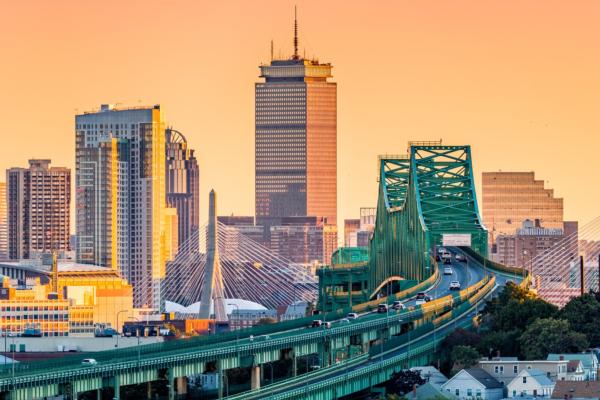
Boston expands fare-free bus programme following pilot
After fares were eliminated in August 2021 on one of the chosen routes, ridership increased to more than 90 per cent of pre-pandemic levels with over 12,000 riders every day.


The City of Boston is launching a two-year fare-free programme on MBTA bus Routes 23, 28, and 29.
Beginning in March, the programme extends the successful fare-free Route 28 pilot programme and eliminates fares on two other important bus routes.
All-door boarding
Fare-free buses enable all-door boarding, which eases congestion and speeds up bus service. Riders will still have to pay for transfers to other MBTA routes and services.
“Expanding fare-free transit to Routes 23, 28, 29 will better connect our communities, increase ridership, and ease congestion for all our residents,” said mayor Michelle Wu.
She added: “As we work to ensure every resident knows about the programme, we hope this is just the beginning of access to fare-free public transit in Boston. I’m thrilled to partner with the MBTA to expand this successful ongoing programme and look forward to working with our partners across the Commonwealth to build a sustainable, reliable, accessible, and affordable transportation system that truly serves our residents and our local economy.”
Boston chief of streets Jascha Franklin-Hodge, said the city plans to use the two years to learn how making transit free can affect peoples’ travel decisions, improve the performance of the bus itself, as well as bring additional benefits to riders and the communities along these routes.
Bus routes 23, 28 and 29 each serve a diverse ridership, and all three travel through and along Blue Hill Avenue, an important corridor connecting riders who are underserved by the existing transit network. Blue Hill Avenue has been identified by the Livable Streets Alliance as one of the corridors that should be prioritised for improvements to increase reliability and boost ridership, which the City is working to address through the Blue Hill Ave Redesign Plan.
Read More
These three routes are some of the routes with the highest ridership throughout the City of Boston. Route 23 serves over 100,000 monthly riders, runs past Madison Park Technical Vocational High School, the Grove Hall Branch of the Boston Public Library and various places of worship.
The route also intersects with Columbus Avenue, home to the first centre-running bus lane in New England, demonstrating the potential to combine fare-free transit with modern transit infrastructure to reduce local air pollution, ease congestion and speed up service.
Increase in ridership
After fares were eliminated in August 2021, Route 28 saw ridership increase to more than 90 per cent of pre-pandemic levels with over 12,000 riders every day, making it the most popular route in the system. Route 29 intersects with Route 28 and runs past Egleston Square Branch of the Boston Public Library, and several Boston Housing Authority developments, including the Franklin Field Apartments and the Doris Bunté Apartments.
“We were pleased to collaborate with the City on the Route 28 pilot and now to expand the programme to include these additional routes for the next two years,” said MBTA general manager Steve Poftak.
“As we work to ensure every resident knows about the programme, we hope this is just the beginning of access to fare-free public transit in Boston”
The Boston Transportation Department has been working with the MBTA to manage the 28 bus pilot programme that was first launched in August last year, including partnering on a comprehensive evaluation of the Route 28 bus pilot.
The evaluation includes analysis of ridership and service reliability data as well as interviews with bus riders to get their views on the benefits of the pilot. The analysis suggests that by enabling all-door boarding, fare-free service reduced dwell time – the amount of time the bus stopped to allow passengers to board – decreased by more than 20 per cent.
The expansion of this programme will provide the City of Boston, MBTA and other transit partners the opportunity to measure the benefits of fare-free bus service, such as increased ridership, faster buses, less traffic, and business development, over a longer period of time. The duration of the programme will also allow the City to make sure every resident knows about the fare-free service and provides an opportunity for residents to integrate riding the bus into their day-to-day routines.
Why not try these links to see what our SmartCitiesWorld AI can tell you.
(Please note this is an experimental service)
How does fare-free bus service impact overall ridership levels?What are the effects of all-door boarding on bus service speed?How can fare-free transit reduce local air pollution and congestion?What benefits do fare-free routes bring to underserved communities?How does eliminating fares influence residents' daily travel decisions?
Latest City Profile
Latest Urban Exchange Podcast
Latest Special Report
SmartCitiesWorld Newsletters (Daily/Weekly)
You may also like these related articles...
BECOME A MEMBER
© 2026 SmartCitiesWorld
Smart Cities World Ltd, 37 Lombard Street, London, EC3V 9BQ