












 22 - 26 June 2026: Find out more





BUILD YOUR OWN
RESOURCE LIBRARY



Podcasts

Cities Thriving on Lighting, Episode 2 – Simplicity by design in smart lightingSponsored by Paradox Engineering
Cities Thriving on Lighting, Episode 1 – Lighting as the backbone of the smart citySponsored by Paradox Engineering
Opinions

Transforming indoor public safety with smart sensor networksSponsored by Motorola Solutions
Smart parking spaces to see major growth in global cities
A smart traffic management study published by Juniper Research forecasts there will be 16 million smart spaces globally by 2028, up from 5.8 million in 2024.


The number of smart parking spaces in cities around the world is projected to grow by 182 per cent by 2028, according to research.
A study by Juniper Research forecasts there will be 16 million smart spaces globally, up from 5.8 million in 2024.
Smart parking sensors and data
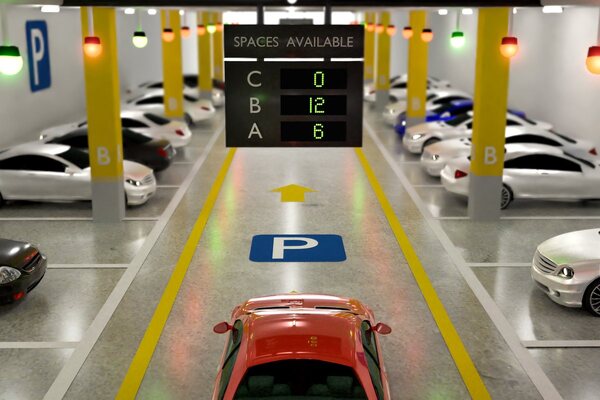
Smart parking utilises a combination of sensors and real-time data to provide road users with information on closest available parking spaces and prices, through either signage, apps or dashboards. This helps reduce congestion and emissions produced by vehicles searching for suitable parking spaces.
The Global Smart Traffic Management Market 2023-2028 report urges city municipalities to seriously consider investing in and implementing smart parking initiatives within highly congested cities.
“In cities where on-street parking is a major issue, dynamic signage can be deployed to utilise available parking more efficiently at quieter times; significantly reducing congestion”
The advantages surrounding dynamic pricing in smart parking can not only be used to strategically increase revenue, but also have the ability to ease ongoing congestion issues. This is achieved by lowering prices in less congested parking areas; making them more attractive to drivers.
“With more data than ever available and the low latency that 5G provides, parking solutions have become highly responsive,” said research author Cara Malone.
Read More
“In cities where on-street parking is a major issue, dynamic signage can be deployed to utilise available parking more efficiently at quieter times; significantly reducing congestion.”
Juniper Research recommends smart parking vendors offer data analytics services to municipalities and governments as a priority.
It added that this data is critical to analysing parking and occupancy patterns, which can be used to optimise transit routes and development; helping shift citizens to public transport and providing significant value for cities.
Why not try these links to see what our SmartCitiesWorld AI can tell you.
(Please note this is an experimental service)
How do smart parking sensors reduce urban traffic congestion effectively?What role does dynamic pricing play in managing parking space demand?How can 5G connectivity enhance real-time smart parking data responsiveness?In what ways can parking data analytics optimize city transit routes?How do smart parking systems contribute to lowering vehicle emissions?
Latest City Profile
Latest Urban Exchange Podcast
Latest Special Report
SmartCitiesWorld Newsletters (Daily/Weekly)
You may also like these related articles...
BECOME A MEMBER
© 2026 SmartCitiesWorld
Smart Cities World Ltd, 37 Lombard Street, London, EC3V 9BQ