































BUILD YOUR OWN
RESOURCE LIBRARY



Report highlights importance of wrong-way alerts
Analysis by road safety technology company Tapco of 3,370 alert records across 23 states offers DoTs practical recommendations ahead of holiday travel.


 At a glance
Who: Tapco.
What: Tapco’s The Crash That Never Happened Report analysed 3,370 wrong-way alerts and found eight in 10 ended with the driver turning round.
Why: The report outlines steps transportation departments can take to strengthen warnings, prioritise detection and prepare responders as evenings grow darker earlier.
When: The data was collected across 23 states from October 2025 through September 2026.
More than eight in 10 wrong-way alerts on US roads, recorded by the road safety system Tapco, ended with the driver turning around.
Tapco’s The Crash That Never Happened Report analysed 3,370 wrong-way alerts across 23 states from October 2025 through September 2026. It also outlines steps transportation departments can take to strengthen warnings, prioritise detection and prepare responders as evenings grow darker earlier.
Identifying where wrong-way movements occur
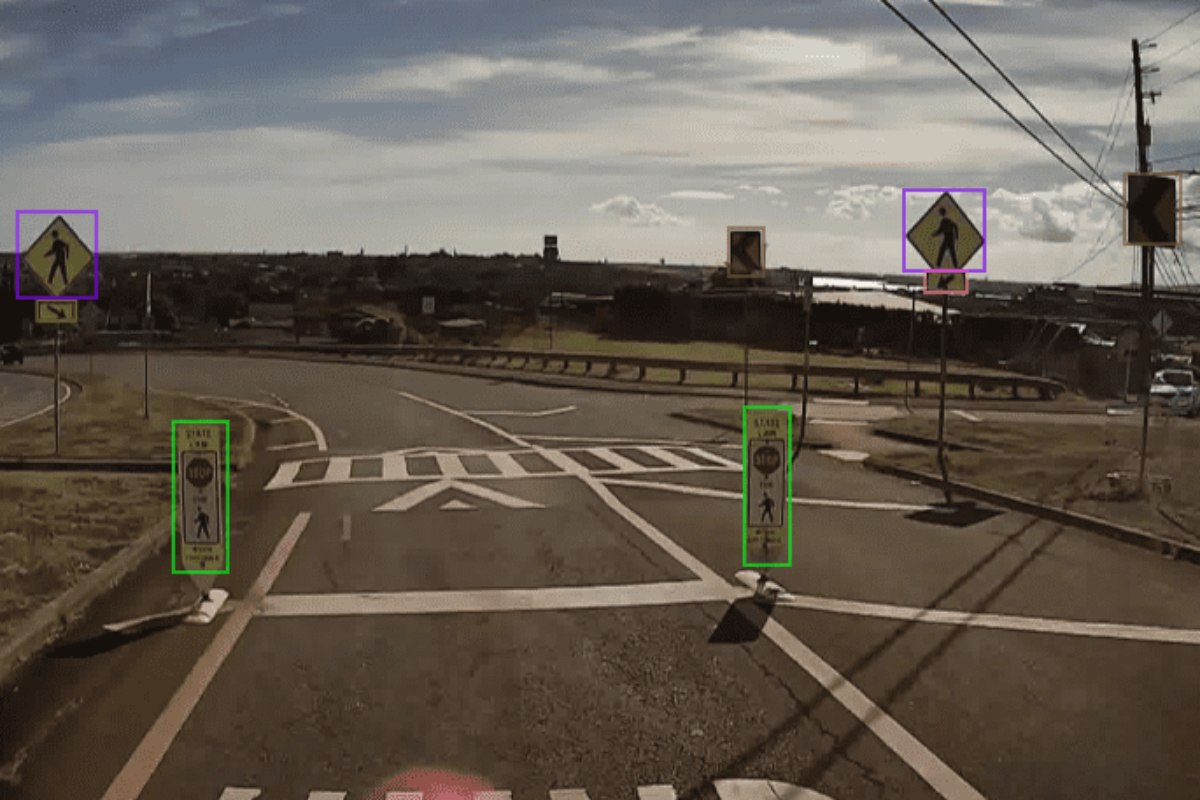
Tapco’s Wrong-Way systems detect vehicles travelling in the wrong direction and activate LED-enhanced signs to encourage drivers to turn around. Connected systems also notify transportation agencies and law enforcement when drivers continue the wrong way, while recording event data and footage for review. Those records help cities and DoTs understand where wrong-way movements occur, assess outcomes and guide safety improvements.
Tapco found alerts were most frequent from October through March, with October the busiest single month.
“Before holiday travel picks up, agencies should use alert data to identify high-risk locations and times”
“Families deserve to reach their destinations safely, during the holidays and every day,” said Tapco president and chief executive officer Eric Stangel. “Every wrong-way alert tells an agency something about where drivers are entering the wrong way and what happens next. Before holiday travel picks up, agencies should use alert data to identify high-risk locations and times, focus safety campaigns around those patterns, and work with responders to test notifications and confirm communication procedures.”
The report finds:
- Most drivers turned around: of the 2,883 alerts where the system captured the outcome of the incident, 2,455, or 85.2 per cent, ended with the driver turning around (another 487 alerts had an unconfirmed or unknown outcome)
- About one in seven kept going: in 428 of those alerts, or 14.8 per cent, the driver continued the wrong way. Those are the moments when real-time agency notification matters most
- Alerts rose in the months with the longest nights: October through March accounted for 1,945 alerts (57.7 per cent), compared with 1,425 from April through September
Read More
- The holiday stretch carried nearly three in 10 alerts: October through December alone accounted for 1,005 alerts, or nearly 30 per cent of the annual total
- October was the busiest month: it recorded 357 alerts, compared with a low of 206 in May
- Most alerts came in the evening and overnight: between 6pm and 6am Tapco recorded 2,050 alerts (60.8 per cent),compared with 1,320 (39.2 per cent) during the day (times are as recorded by the alert system, which labels all timestamps Central Time regardless of location or season)
- Alerts spiked during Christmas week: from 22-28 December 2025, Tapco recorded 83 alerts, about 30 per cent more than a typical week, with 19 on 26 December alone.
The report recommends that DoTs who want to act quickly without the delays of permanent installations start with portable detection to gather location-specific data. Solar-powered units could provide coverage at ramps without permanent power or trenching, helping agencies document wrong-way movements and use alert patterns alongside crash histories to guide warning placement, detection and response decisions.
Ahead of darker evenings and holiday travel, the report calls for agencies to share those insights with highway safety offices and law enforcement, strengthen low-light visibility, and test notification procedures and overnight coverage. It also encourages agencies to use the data to inform safety plans and funding requests.
“Data helps agencies move from identifying a concern to choosing a system that fits the location,” said Tapco senior ITS business development manager, Lindsay Harvey. “When you can see where drivers enter the wrong way and what happens next, you can make more informed decisions about warning placement, detection and response and keep evaluating those decisions as conditions change.”
“Data helps agencies move from identifying a concern to choosing a system that fits the location”
Tapco collaborates closely with agencies to translate observations into solutions that account for ramp geometry, existing infrastructure, staffing and available resources. In Connecticut, the state’s detection programme recorded approximately 1,100 successful turnarounds. In Massachusetts, the state’s broader initiative detected more than 215 wrong-way incidents, with approximately 140 drivers correcting course, following its June launch. Tapco’s involvement in both states illustrates how technology, local engineering knowledge and coordinated response procedures work together to address complex roadway safety challenges.
The report follows Tapco’s announcement of 14 mobile Wrong-Way Detection Trailers deployed in Massachusetts, with Texas and Arkansas also moving forward with the technology. As agencies prepare for holiday travel and impaired-driving prevention campaigns, the report encourages them to put their data to work: prioritising site assessments, improving warnings and confirming that alerts reached the people responsible for responding.
The full report is available to view here.
Why not try these links to see what our SmartCitiesWorld AI can tell you.
(Please note this is an experimental service)
How often did wrong-way drivers turn around after an alert?When and at what times were alerts most common?What made Christmas week stand out in Tapco’s alert data?Why does Tapco recommend portable detection for some ramps?How did detection programmes perform in Connecticut and Massachusetts?Latest City Profile
Latest Summit Speakers
(22-26 June)
SmartCitiesWorld Newsletters (Daily/Weekly)
You may also like these related articles...
BECOME A MEMBER
© 2026 SmartCitiesWorld
Smart Cities World Ltd, 37 Lombard Street, London, EC3V 9BQ