
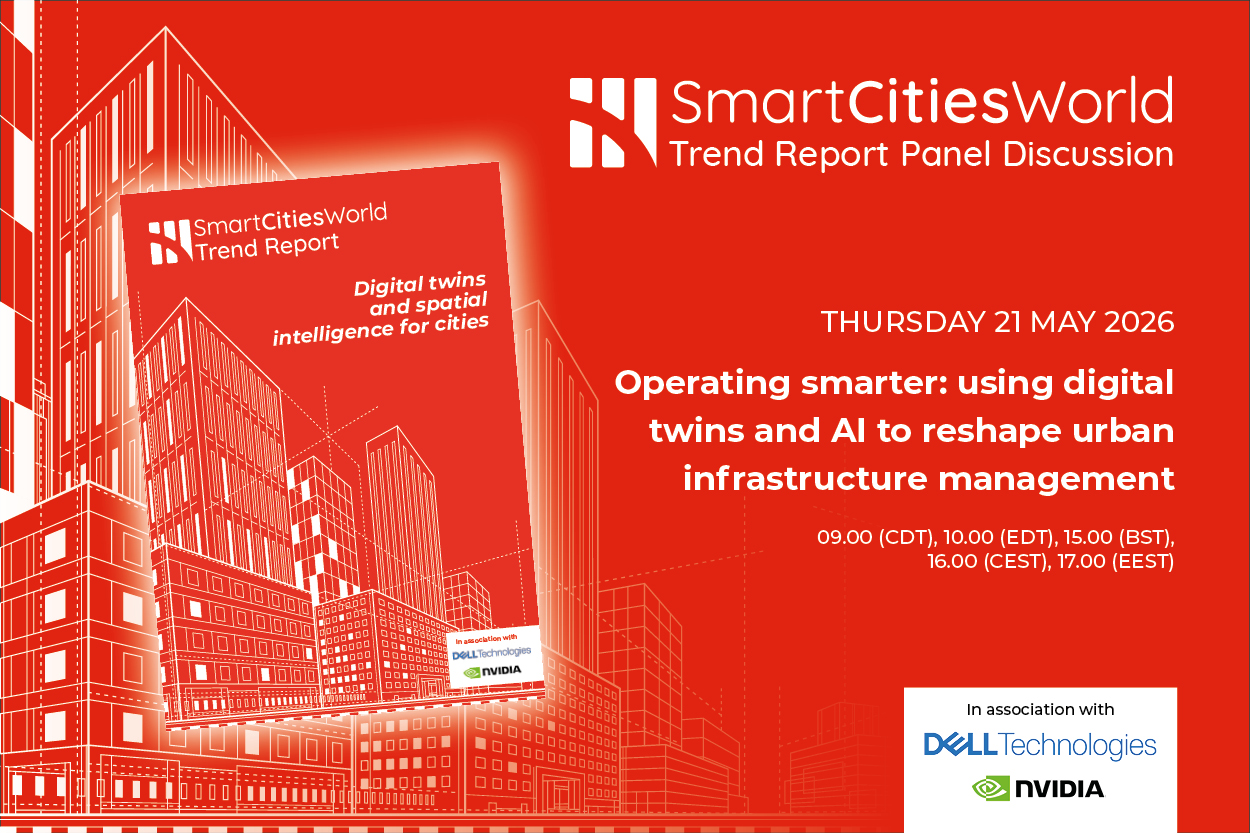
















Discover how AI-powered digital twins are transforming urban infrastructure and how these innovations can improve efficiency, resilience, and sustainability.
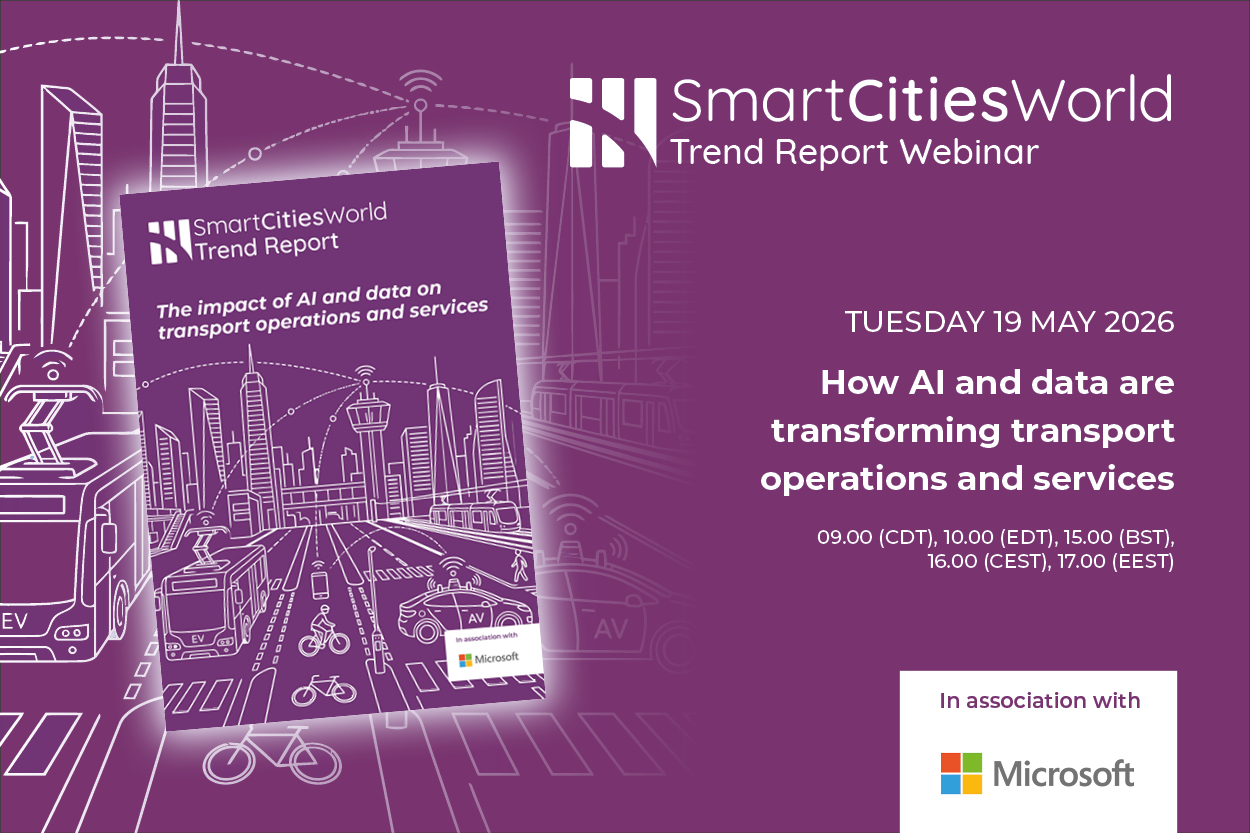
Explore how data and AI is being used in urban transport networks to support planning, day-to-day operations, and improve outcomes for communities and passengers.
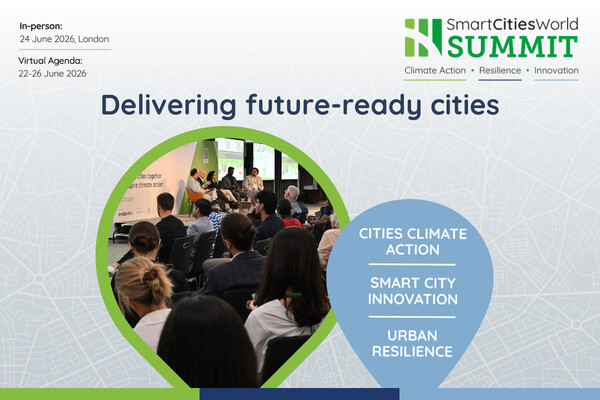
As cities confront the combined pressures of climate change, infrastructure resilience and digital transformation, the SmartCitiesWorld Summit 2026 will bring together urban leaders and partners during London Climate Action Week to explore how these agendas intersect – and how cities can translate strategy into practical action.
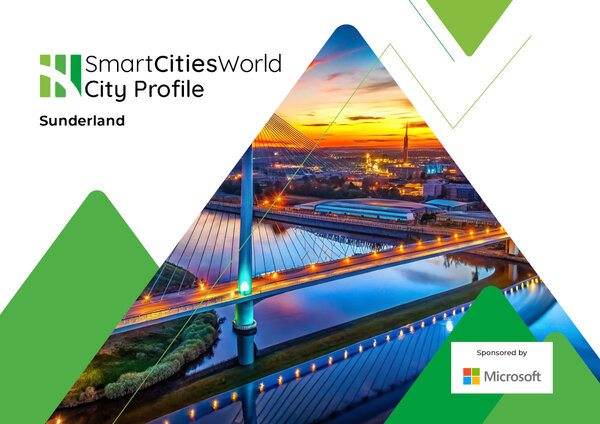
Find out how Sunderland is repositioning itself as a leading smart city – using digital infrastructure and low-carbon innovation to build a resilient, future-focused economy in the latest SmartCitiesWorld City Profile.
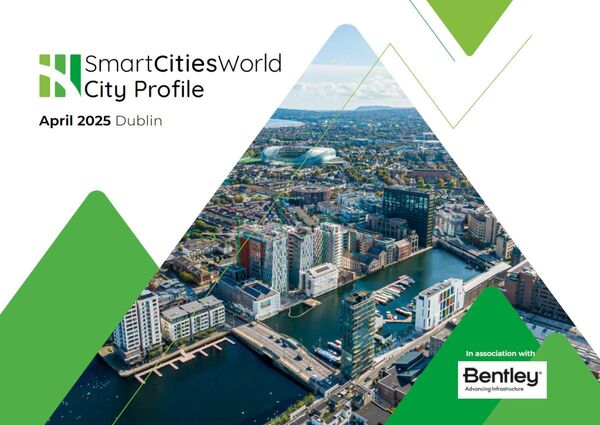
Find out how Dublin is innovating to improve experiences and services for its communities in the latest SmartCitiesWorld City Profile, including digital twin projects, traffic reduction, and economic growth.
Tune into the SmartCitiesWorld podcast to understand the world of sovereign AI for cities, featuring PNY Technologies’ Youssef Nadiri as our expert guest.
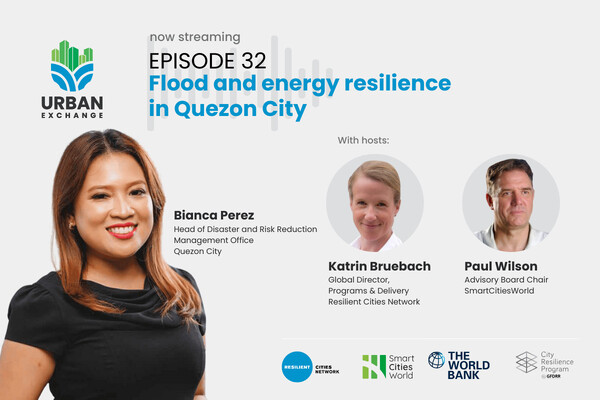
Tune in for the latest Urban Exchange where we get a first-hand account of city resilience measures from Quezon City following unexpected extreme rainfall.
How smart sensor networks can help improve indoor safety by detecting risks early, improving situational awareness and supporting healthier, more secure and sustainable buildings.
Gareth Tang, President of Urban Solutions at ST Engineering, explains how urban AI applications are set to evolve, detailing projects where AI is already making significant impact.
The public-private-partnership project harnesses digital twin technology, AI, ML and satellite imagery, combined with blockchain-enabled water accounting.
The facility in East Port Said will produce clean hydrogen to power Egypt’s domestic energy transition and enable it to become an exporter of hydrogen and a major player in the hydrogen economy.
C40 Cities is supporting nine mayors from cities around the world to simultaneously address these connected issues by curbing emissions, creating jobs, and building resilience.
The cities chosen are considered to have come up with the boldest urban innovations emerging from the pandemic with the challenge aiming to spread the most promising ideas.
The mission of the French, family-owned company is to advance the industrial internet of things. Vincent Sabot explains why the first “I” in IIoT should also stands for infrastructure.
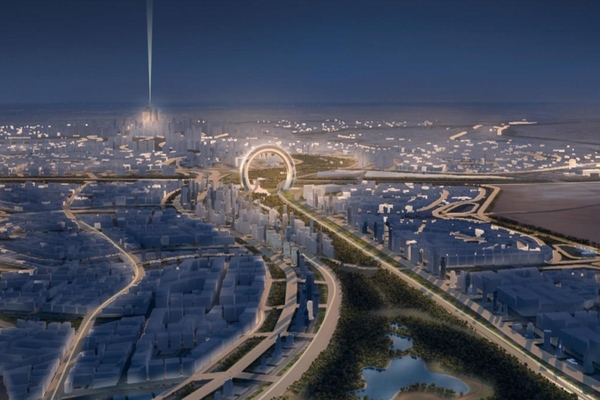
Orange Business Services has announced it will design and build centre to provide cloud services for the country’s new administrative capital on a greenfield site, east of Cairo.
The United Overseas Bank wants to make sustainable financing more accessible to companies that are helping to create smart cities but businesses must meet the criteria.
The World Economic Forum has chosen the cities to pioneer a global policy roadmap developed by its G20 Smart Cities Alliance for the ethical and responsible use of data and technology.
CDP has named 88 global cities that are working to become resilient, healthy, and prosperous places to live and work while cutting emissions and rapidly building resilience against the climate crisis.
The programme is aimed at both existing urban professionals, as well as those with multi-disciplinary environmental backgrounds and will create professional pathways in urban climate change leadership.
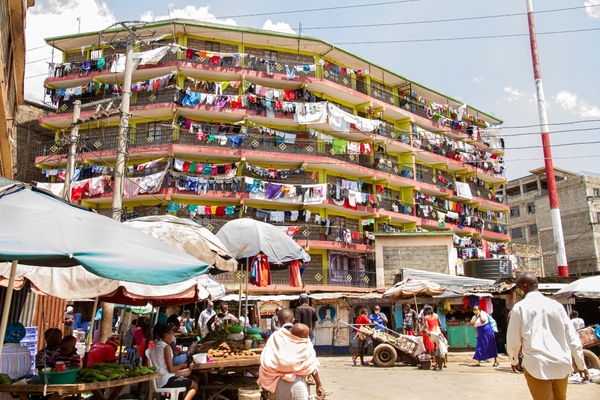
The smart affordable housing specialist Planet Smart City will provide data analytics and other solutions to help upgrade two of the oldest and biggest slums in Nairobi.
The increase in traffic congestion, together with the rise in the number of road accidents, is expected to drive the growth of the ITS market between now and 2024.
The renewable energy company won the bid to develop the 100-megawatt utility-scale solar plant in the Navoi region of the country under the Scaling Solar programme.
The project will integrate efficient infrastructure with transparent and effective governance, supported by the “intelligent application” of smart technology.