





































Discover how AI-powered digital twins are transforming urban infrastructure and how these innovations can improve efficiency, resilience, and sustainability.
Explore how data and AI is being used in urban transport networks to support planning, day-to-day operations, and improve outcomes for communities and passengers.
As cities confront the combined pressures of climate change, infrastructure resilience and digital transformation, the SmartCitiesWorld Summit 2026 will bring together urban leaders and partners during London Climate Action Week to explore how these agendas intersect – and how cities can translate strategy into practical action.
Find out how Sunderland is repositioning itself as a leading smart city – using digital infrastructure and low-carbon innovation to build a resilient, future-focused economy in the latest SmartCitiesWorld City Profile.
Find out how Dublin is innovating to improve experiences and services for its communities in the latest SmartCitiesWorld City Profile, including digital twin projects, traffic reduction, and economic growth.
Tune into the SmartCitiesWorld podcast to understand the world of sovereign AI for cities, featuring PNY Technologies’ Youssef Nadiri as our expert guest.
Tune in for the latest Urban Exchange where we get a first-hand account of city resilience measures from Quezon City following unexpected extreme rainfall.
How smart sensor networks can help improve indoor safety by detecting risks early, improving situational awareness and supporting healthier, more secure and sustainable buildings.
Gareth Tang, President of Urban Solutions at ST Engineering, explains how urban AI applications are set to evolve, detailing projects where AI is already making significant impact.
SmartCitiesWorld City Profiles explore the city of Shenzhen, designated as China’s first special economic zone and a role model of urban modernisation. Find out more about Shenzhen’s smart city strategy in this 16-page report.
The long term-impact of the UK’s decision to leave the European Union and the country’s poor performance in the Covid-19 pandemic, are among the complex set of challenges it faces if London is to remain one of the world’s most influential and enviable cities.
The initiative from Innovate Memphis aims to increase equitable access to trusted regional data for governments, nonprofits, researchers, and residents.
Platform brings together a range of datasets and information from public sources to support greater transparency and more informed community decision-making.
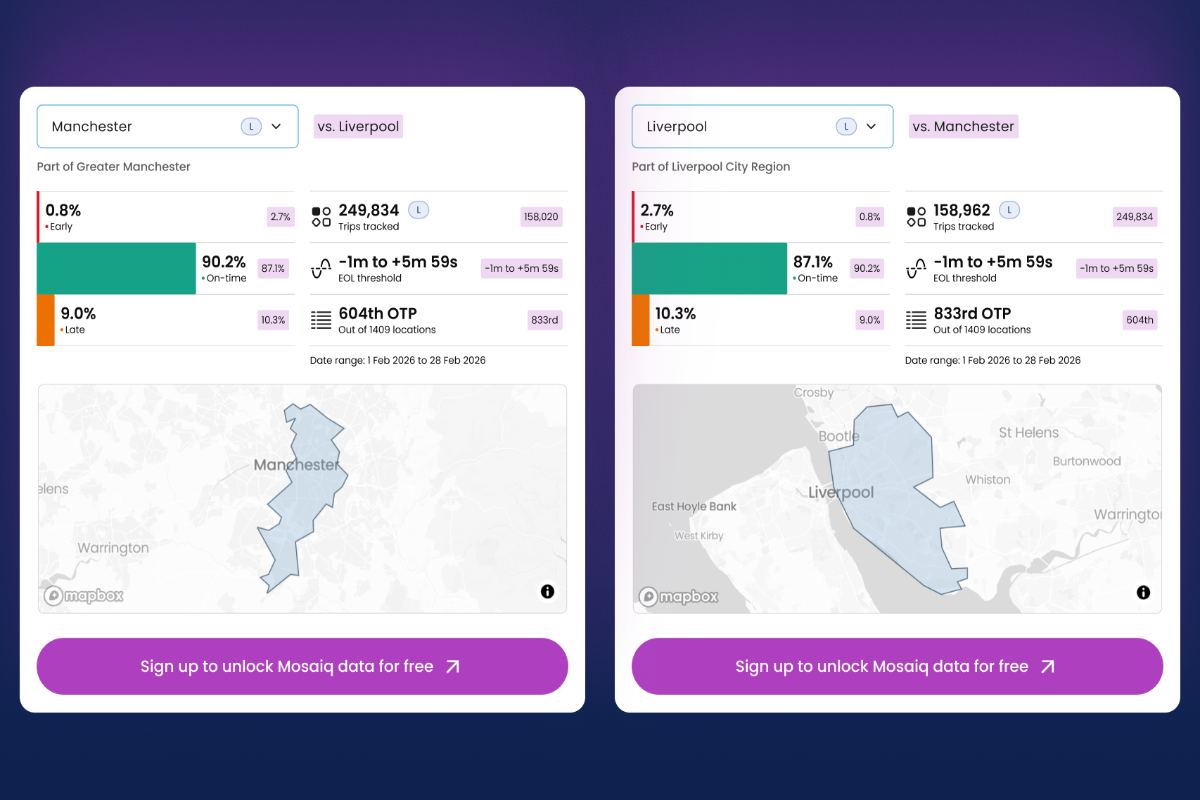
The Mosaiq Global Public Transit Index is built on open data from more than a 1,000 locations worldwide, providing an up-to-date view of network performance.
Bloomberg Philanthropies’ What Works Cities has recognised 13 new cities in its data excellence programme while 19 have further elevated their data practices.
With five pilot sites, the project aims to transform the way Europe monitors, evaluates and improves safety and maintenance of its urban and secondary roads.
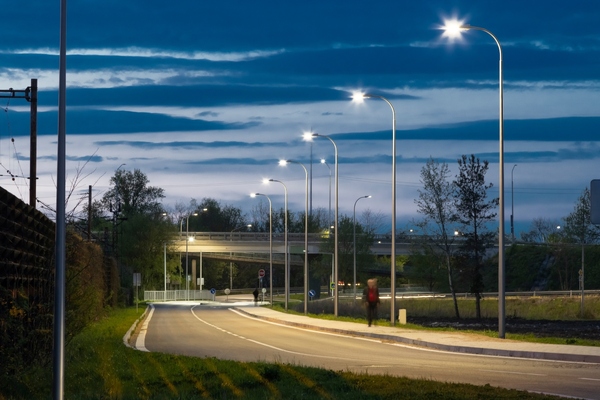
Carlo Bernocco, Head of Business and Customer Success at Paradox Engineering, explores how smart lighting is evolving from energy-saving infrastructure to a multifunctional platform at the heart of urban innovation.
City is inviting proposals from researchers, technologists, community leaders, and public sector professionals with a passion for using data to solve real-world challenges.
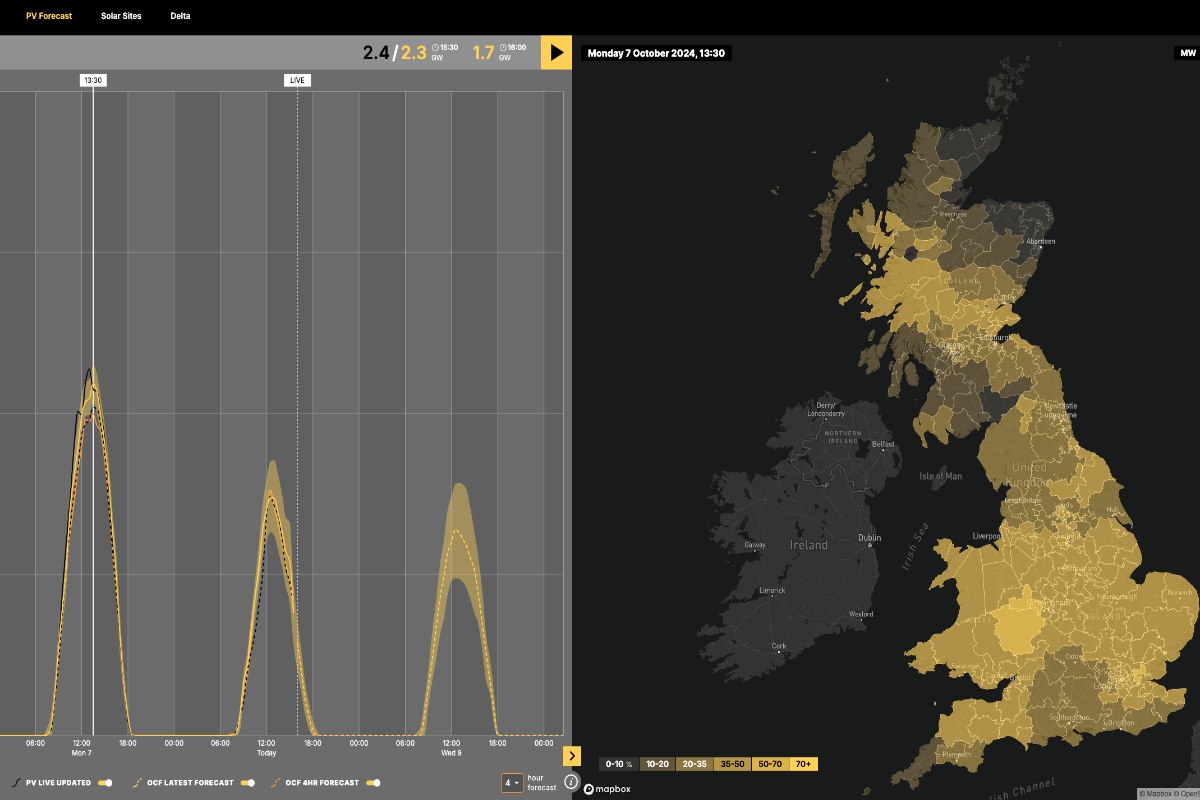
Quartz Solar combines machine learning, live satellite imagery and weather data to generate forecasts up to days ahead, providing superior within-day performance.
Judges at the World Smart City Awards gala said Rome’s visionary strategy is leveraging data, 5G and digital twins to enhance urban governance, improve public services and build resilience.
It enables Aucklanders to access data collected by the city council, including sand- and water-levels, as well as coastal camera imagery, at key beaches.
The Data for London Library, which replaces the Datastore, aims to make it easier to use data to benefit Londoners and power smarter, AI-enabled public services.
Foundational principle of data-as-a-service makes it easier for departments to access, share, and use high-quality data to improve service coordination.
The Moroccan capital is staging the two-day, open-source event, which aims to highlight the potential of smart and sustainable territories beyond Europe.
Tools helps residents find available free wifi while the dashboard highlights areas where enhanced connectivity is needed to help close the digital divide.
The research was conducted to benchmark the leading metropolitan statistical areas based on their capacity to generate and embrace emerging technologies.
Prize is calling on individuals, innovators, entrepreneurs, academia and civil society to prototype smart data solutions across different sectors of the economy.
West of England Mayoral Combined Authority is working with Opendatasoft to build its open data portal with a key focus on driving environmental improvements.
Talq Tender Template is designed to help cities, municipalities, utilities, operators and project developers create their own tenders with reduced effort.
It builds on Global Covenant of Mayors for Climate & Energy’s ongoing work to provide resources to achieve climate goals across all levels of government.
Transition Element Framework is an open-source tool for cities and nations to create actionable, measurable climate plans and KPIs that align with global standards.
In the latest pioneering study from ThoughtLab, delve into how a diverse range of 250 cities from around the world, are advancing their social, sustainability and economic goals and paving the way towards future readiness.
It will help provide the first national smart data donation service, a pioneering satellite imagery service, and geographic and sustainable places data services.
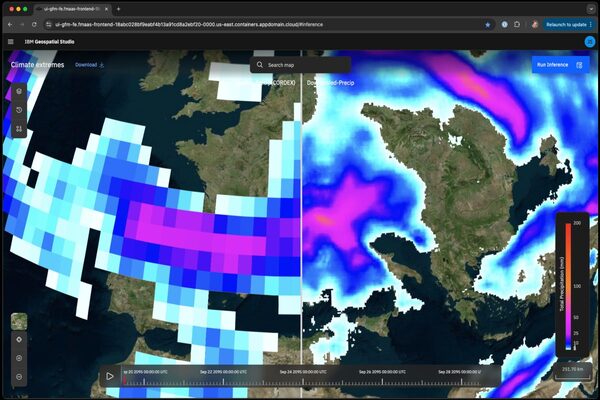
The model seeks to offer a flexible, scalable way to address a variety of challenges related to short-term weather as well as long-term climate projection.
Michael Hammett, director of the Office of Innovation in the City of Phoenix, explains how the strategic use of data and evidence, along with a series of hackathons, is helping the city overcome every day challenges.
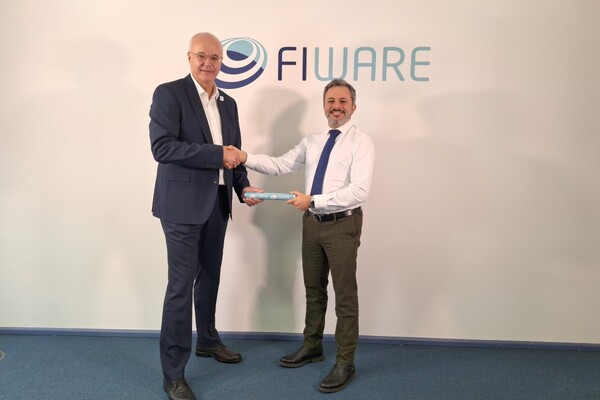
The FIWARE Global Summit will unite innovators to share knowledge and use cases deployed for smart cities, energy, mobility and other emerging sectors.
The Ontario city is committed to fostering open government by encouraging participation and demonstrating transparency with data-sharing central to its aims.
The North Carolina town originally launched its Opendatasoft-powered data portal in 2016, sharing information from its smart city and business systems.
In this virtual session, panellists will explore innovative approaches to issues such as urban planning, transportation, and public safety, with a specific focus on the role of local governments in implementing AI solutions.
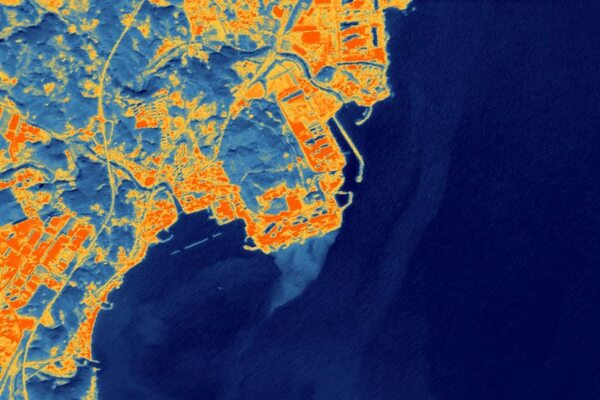
Latitudo 40 sits at the convergence of satellite imagery analysis and AI and will demonstrate the vital role satellite data has to play in helping cities tackle the challenges of climate change.
SSE Energy Solutions will show how by leveraging the power of smart city data, cities have a key role to play in lowering carbon emissions and energy consumption and costs.
SatVu will show how the nature of earth observation data makes it exceptionally inclusive and can help to create a much safer and more sustainable world.
ESA’s Business Applications and Space Solutions (BASS) will be showcasing the potential for space applications to tackle the challenges of climate change and the unprecedented growth that cities are facing.
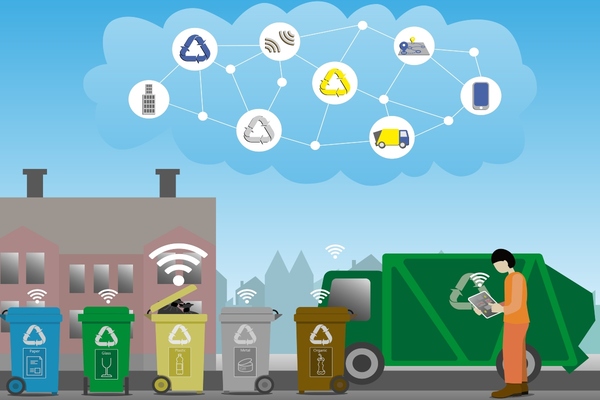
Are static routes for waste collection out and dynamic routes the future? REEN will be highlighting its sensor technology to demonstrate how cities can move away from old ways of working to smarter methods of collecting waste.
NeuerEnergy will demonstrate how it can help cities drive change by reducing the carbon footprint of the built environment using its net zero platform.
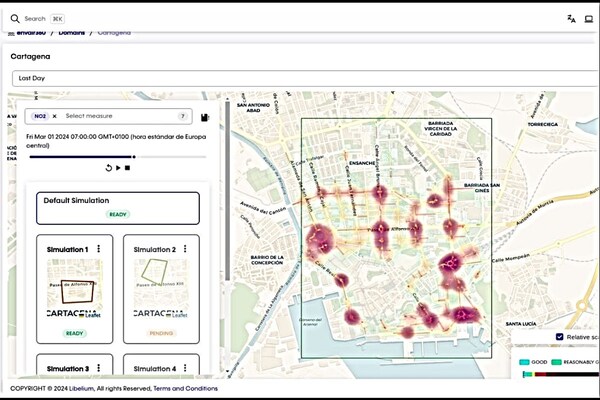
Libelium will be demonstrating its cutting-edge IoT solutions designed to monitor and reduce urban pollution based on artificial intelligence and digital twins.
AppyWay will show cities why they need to adopt dynamic and data-driven kerbside management systems to optimise the use of kerb space and reduce congestion.
Shelby Rust Busó, chief sustainability officer, City of San Diego, Sustainability and Mobility Department, explains why it’s important to hear about climate action failures as well as successes.
The New York Places Data Hub aims to make it simple and easy for BIDs and small businesses to access critical data to better understand community needs.
Yiu-Shing Pang of UK Power Networks will share how the electricity distribution operator’s open data programme can help to accelerate the journey to net zero.
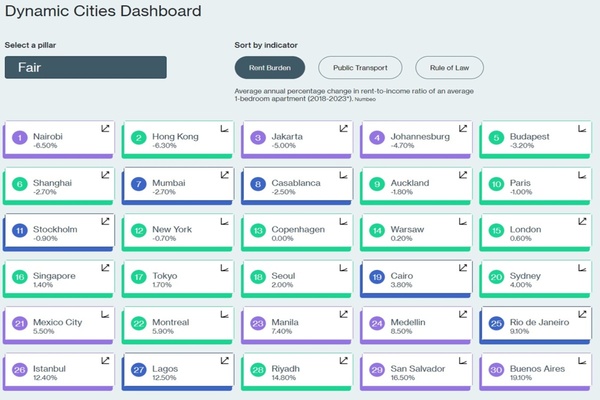
Based on the principles of the Bloomberg New Economy Dynamic Cities Framework, the dashboard aims to support city leaders take a more holistic approach.
In this next phase, Arup and the Open Data Institute will place renewed focus on the built environment and develop a roadmap for net zero data infrastructure.
The tool from the Municipal Data Office seeks to democratise access to and the usage of statistical data relating to the city from multiple perspectives.
The certified products include central management software and outdoor device networks for various smart city applications from 42 different vendors globally.
Under the theme of Become Better Connected, the event will emphasise the importance of close collaboration between cities and nurturing a robust network.
It is designed to optimise City’s use of data for more informed decision-making, enhanced collaboration and protecting privacy and standardising best practices.
Former Red Hat head of business development, Andrea Battaglia, will lead the open-source specialist in introducing new digital strategies and solutions globally.
SmartCitiesWorld gets up close and personal with the City of Dallas and its innovative smart city strategies. Panellist from City of Dallas, National League of Cities and Ubicquia. Watch OnDemand
UK Power Networks wants to provide connections customers like renewable energy developers more transparency and enable more informed decisions on new projects.
The open data challenge aims to come up with improvements that will help Syracuse deliver on Vision Zero aspirations to heighten traffic safety in the city.
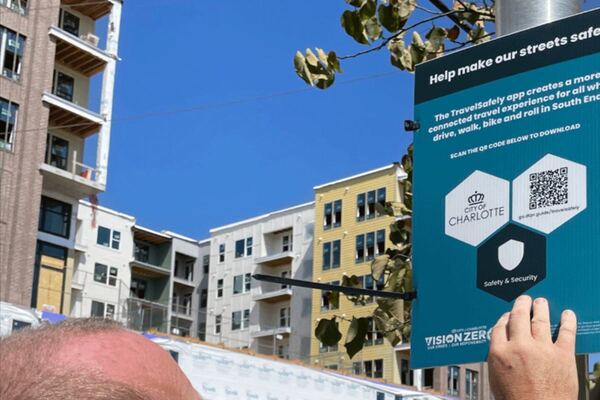
Charlotte, West Palm Beach and The Underline in Miami will join the digital trust open source pilot focused on the use of digital technology in public places.
It follows launch of the City Manager’s Performance Dashboard one year ago that displays more than 130 key metrics to provide a holistic view of its operations.
Adam Reiser, sales director, North America at Opendatasoft, explains how cities can liberate data from individual departmental silos so it can easily be used by all.
SmartCitiesWorld takes a closer look at the G20 Global Smart City Alliance’s Benchmarking Tool, and finds out from The Hague’s deputy mayor, digital innovation and smart cities advisor and cybersecurity lead how it can support cities in plotting their route to better smart city technology governance.
Data portal includes information on population density and traffic congestion in specific areas and at cultural events as well as other location-based services.
Raimundo Rodulfo, director of IT and CIO at the City of Coral Gables, explains how digital twin technology is taking its smart city vision to the next level.