
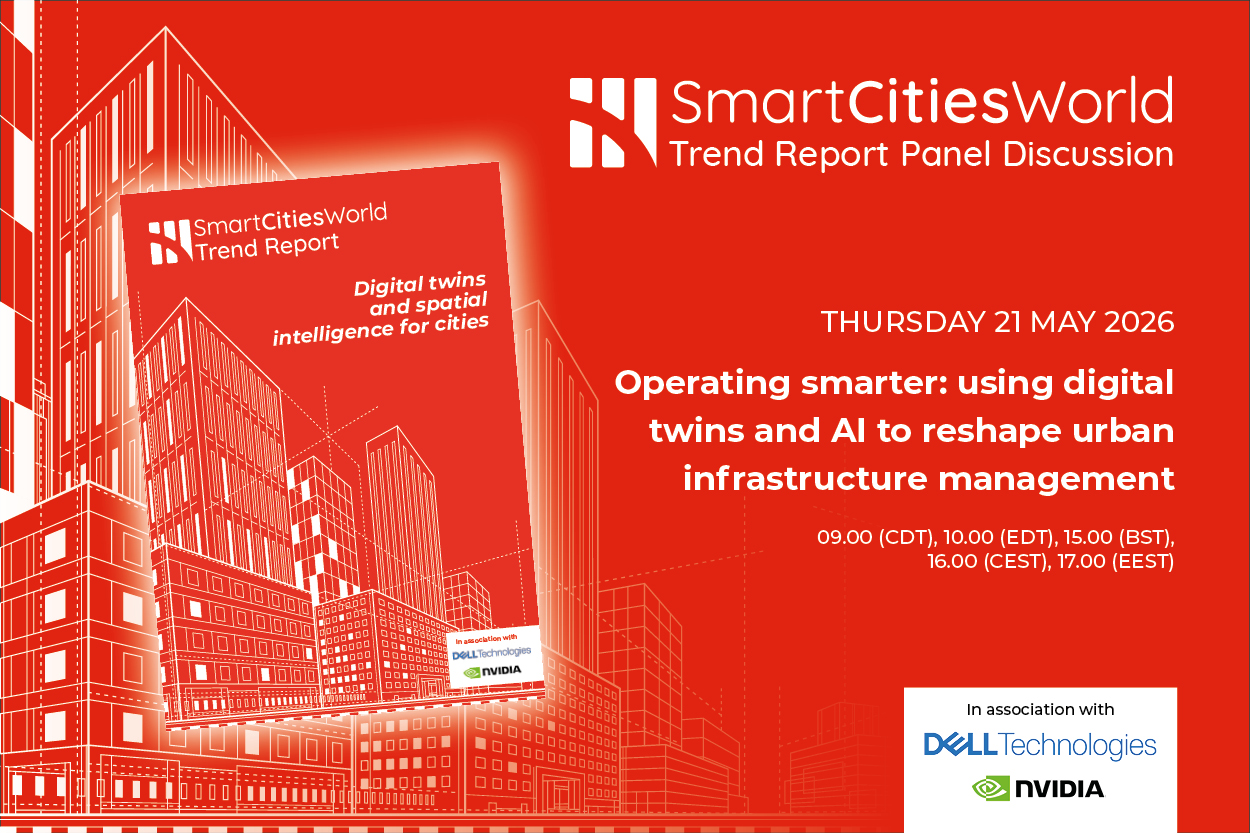










Discover how AI-powered digital twins are transforming urban infrastructure and how these innovations can improve efficiency, resilience, and sustainability.
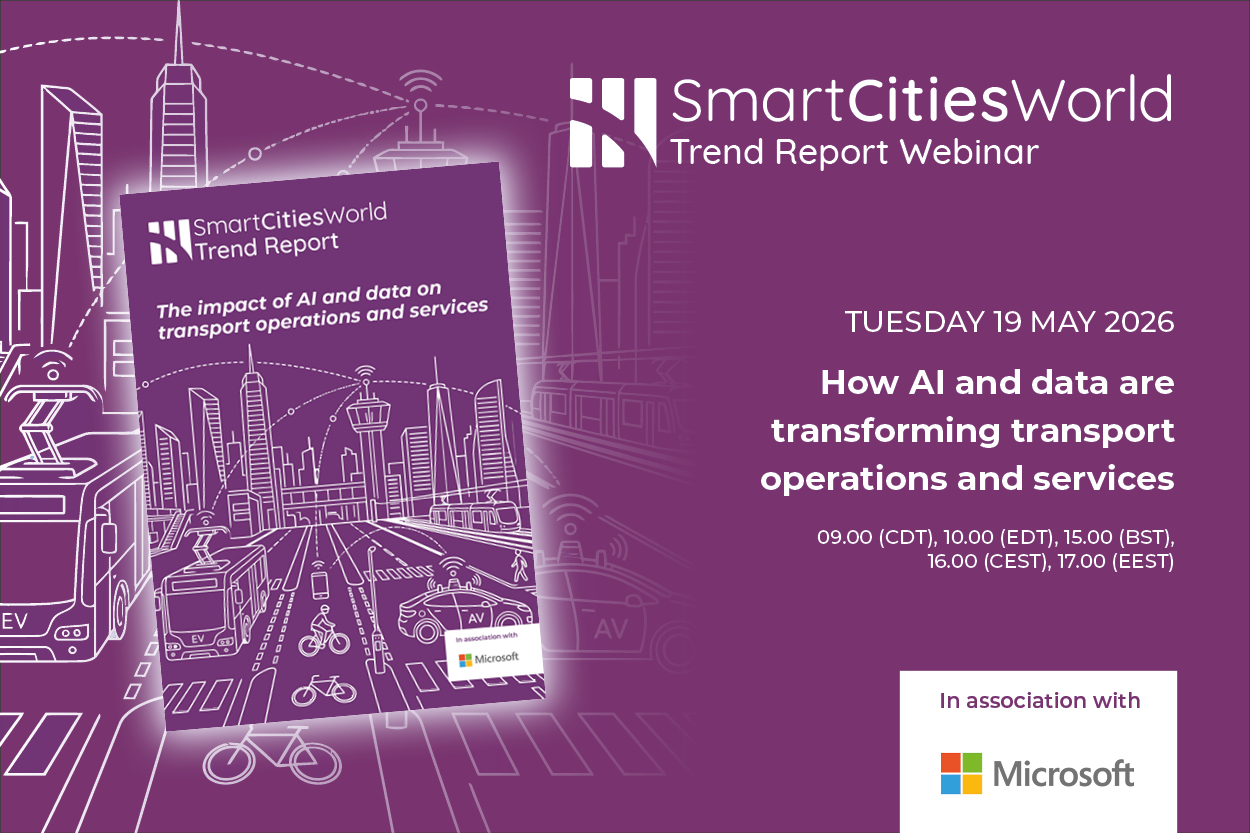
Explore how data and AI is being used in urban transport networks to support planning, day-to-day operations, and improve outcomes for communities and passengers.
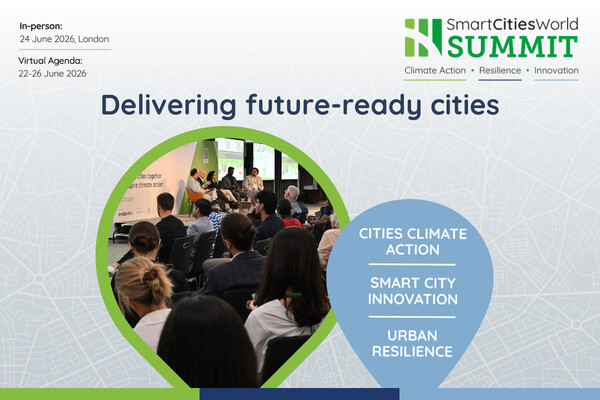
As cities confront the combined pressures of climate change, infrastructure resilience and digital transformation, the SmartCitiesWorld Summit 2026 will bring together urban leaders and partners during London Climate Action Week to explore how these agendas intersect – and how cities can translate strategy into practical action.
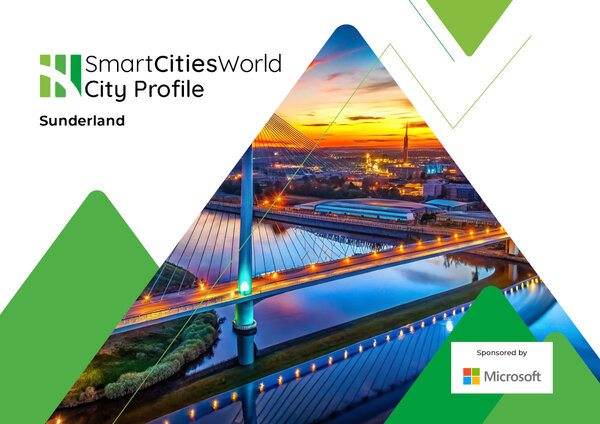
Find out how Sunderland is repositioning itself as a leading smart city – using digital infrastructure and low-carbon innovation to build a resilient, future-focused economy in the latest SmartCitiesWorld City Profile.
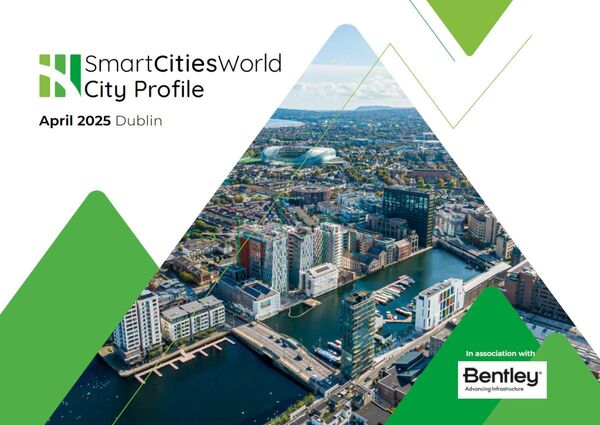
Find out how Dublin is innovating to improve experiences and services for its communities in the latest SmartCitiesWorld City Profile, including digital twin projects, traffic reduction, and economic growth.
Tune into the SmartCitiesWorld podcast to understand the world of sovereign AI for cities, featuring PNY Technologies’ Youssef Nadiri as our expert guest.
Tune in for the latest Urban Exchange where we get a first-hand account of city resilience measures from Quezon City following unexpected extreme rainfall.
How smart sensor networks can help improve indoor safety by detecting risks early, improving situational awareness and supporting healthier, more secure and sustainable buildings.
Gareth Tang, President of Urban Solutions at ST Engineering, explains how urban AI applications are set to evolve, detailing projects where AI is already making significant impact.
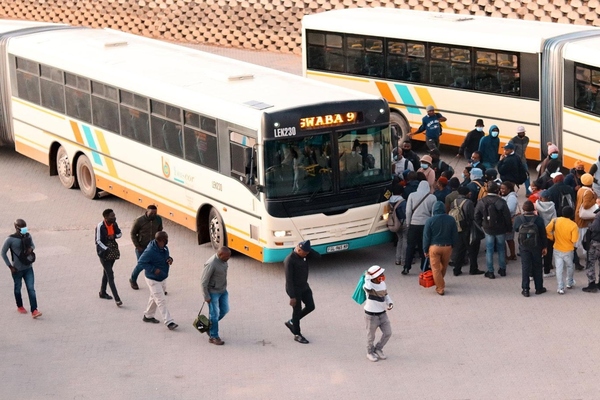
Buscor will use Optibus’ planning, scheduling, and rostering software products to enhance urban and inter-urban services for its 38 million annual passengers.
The Parks, a 1,700 hectare sustainable city in the eastern region of South Africa, aims to produce 100 per cent of its energy, water and food on site to become a self-sufficient destination.
A survey by the World Economic Forum finds that more than seven in 10 adults, including a majority in every single country, expect climate change to have a severe effect in their regions over the next 10 years.
Curbon uses data from around the world to estimate the emissions of customers’ carts at checkout and empowers shoppers to neutralise the carbon footprint of their purchases in real-time.
The privately funded South African platform has added an In the City function that aims to encourage citizens to better connect with and explore local attractions and places of interest.
The South African city is working with two technology providers to implement lidar-based vehicle detection solutions as part of its city-wide transportation infrastructure.
C40 Cities is supporting nine mayors from cities around the world to simultaneously address these connected issues by curbing emissions, creating jobs, and building resilience.
GoAscendal and Optibus are combining public transport expertise and data collection technology with AI transportation planning products, enabling an integrated offer to plan and optimise services.
WhereIsMyTransport is aiming to map the formal and informal public transport networks of the 30 major cities of the Majority World by 2023 and update the information as they expand.
More cities must ramp up their climate ambition and deliver urgent action, fast, says Kyra Appleby, Global Director of Cities, States and Regions at CDP.
It follows a year-long process between the Development Bank of Southern Africa and the Green Climate Fund and aims to accelerate climate initiatives in the region.