Find out how Dublin is innovating to improve experiences and services for its communities in the latest SmartCitiesWorld City Profile, including digital twin projects, traffic reduction, and economic growth.
Funding, which comes under the EU Just Transition Fund, recognises the key role local authorities play in making the transition to a climate-neutral economy.
Dublin Nights Mapped is a curated list compiled by the city’s night-time economy advisor on Google Maps to support a diverse, inclusive and vibrant city.
Play Streets are neighbourhood-led initiatives that temporarily close streets to through traffic, giving children the freedom to play safely on the street.
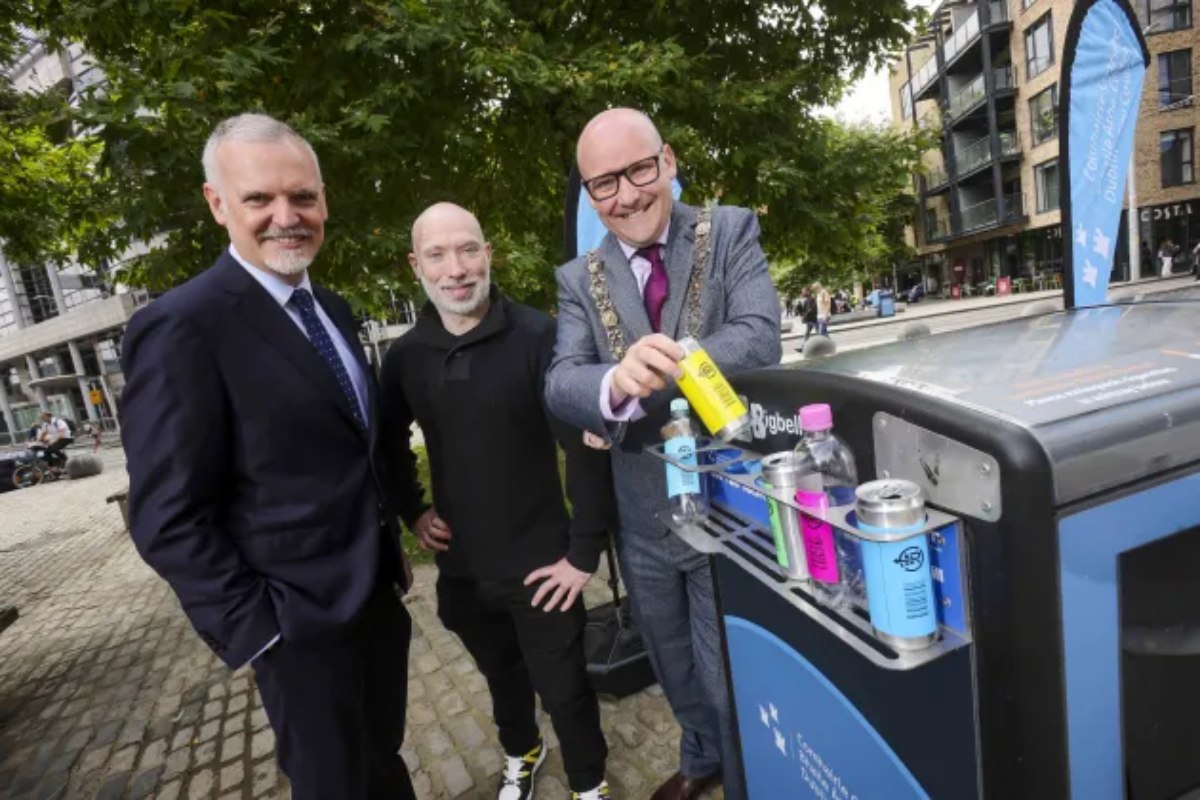
Its bin surrounds and deposit return programme allows consumers to leave their plastic bottles and cans for others to take and return to claim a deposit.
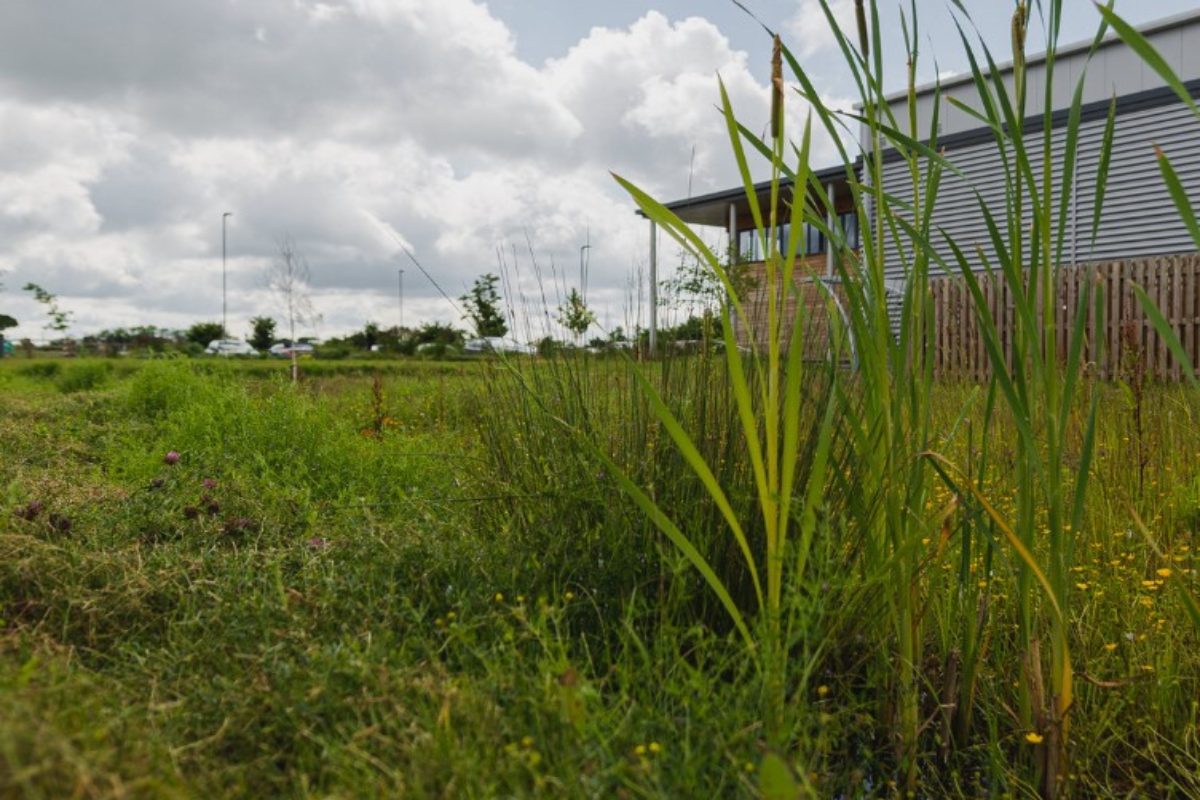
The nature-based solutions Rainscapes project aims to reduce polluted urban runoff – rainwater from road and footpaths – from entering the Santry River.
Find out how Dublin is innovating to improve experiences and services for its communities in the latest SmartCitiesWorld City Profile, including digital twin projects, traffic reduction, and economic growth.
The first two episodes, presented and produced by city council staff, explore the Irish capital’s smart city journey, and zoom in on the Smart Dublin programme.
It aims to leave a lasting legacy by building connections across the tech sector as well as encourage engagement within the wider community in Irish the city.
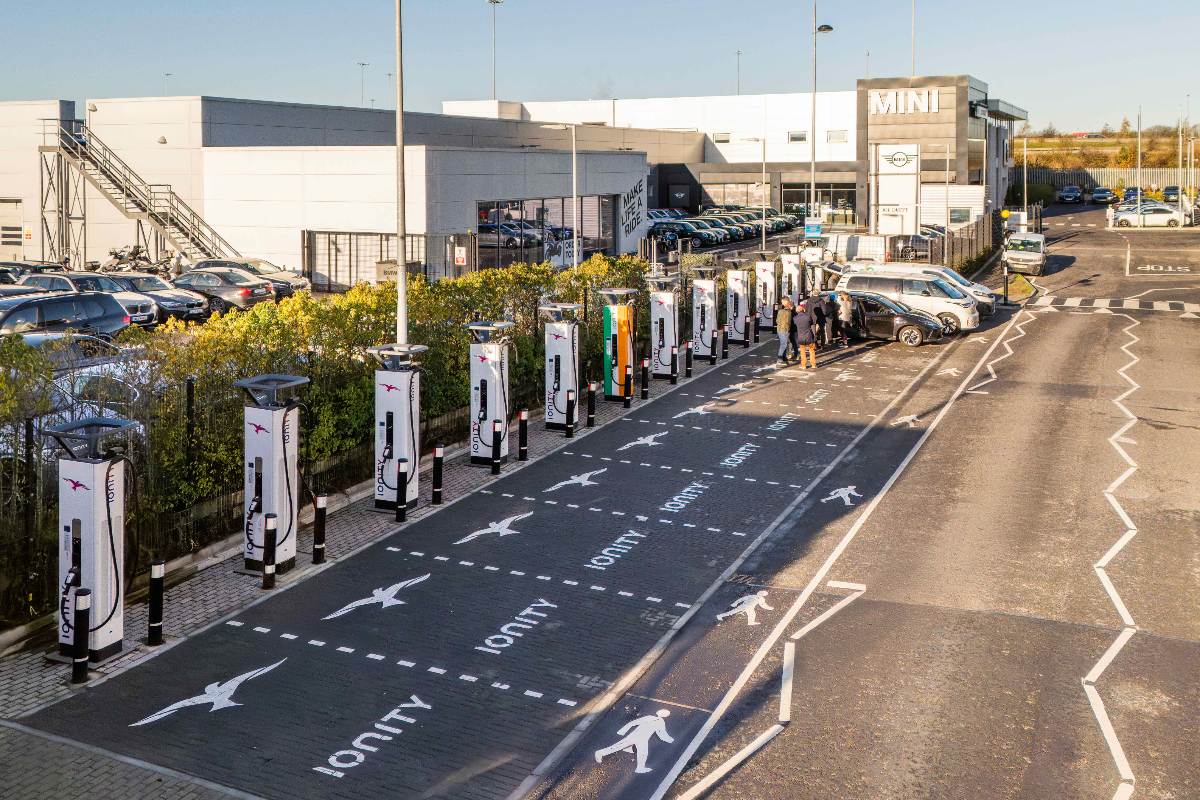
Dublin site represents a milestone in the country’s mission for 40 per cent of cars to be electric by 2030 and Ionity’s to make long-distance EV travel the norm.
Global Destination Sustainability Index evaluates sustainability across key areas, including destination management and environmental and social performance.
Dublin District Heating Project will deliver a sustainable heating network to residents and businesses, helping reach Ireland’s long-term climate targets.
City reports that drones are being applied across a range of city services, helping to increase service efficiencies, reduce costs and streamline operations.
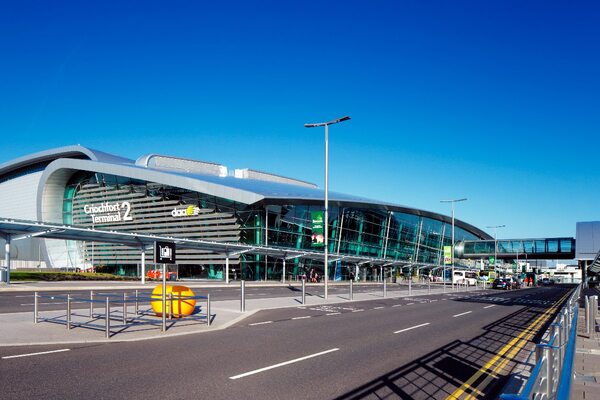
The latest addition from Frequentis means that T-Systems provides digitalisation solutions for almost all processes at Dublin Airport from a single source.
Twenty low-cost greenhouse gas sensors have been deployed across residential and commercial areas in Dublin to provide a real-time “visual pulse” of the city.
The €100m rollout is part of plans to address areas underserved by fibre-to-the-home and is central to the Irish capital’s mission to futureproof the city.
TomTom is releasing the 13th edition of its traffic index that provides data and information on traffic trends from 387 cities in 55 countries throughout 2023.
Fund will enable community groups, sports clubs and not-for-profits to address climate challenges locally and contribute to climate-neutral aims of the city.
Under the European Commission Smart Tourism umbrella, Grosseto in the Tuscany region of Italy was also crowned Green Pioneer for its sustainability efforts.
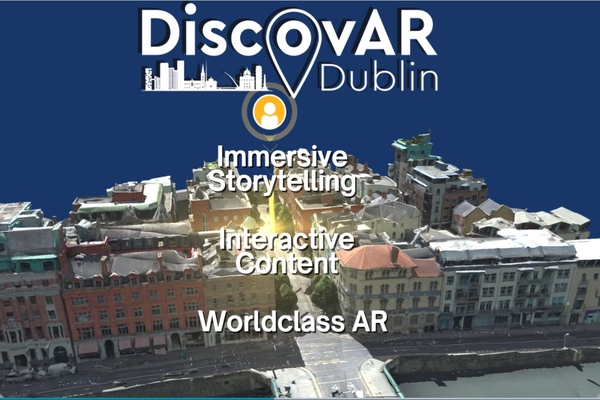
DiscovAR Dublin utilises open Google Maps technology to form an interactive 3D map where users can be transported into the city from anywhere in the world.
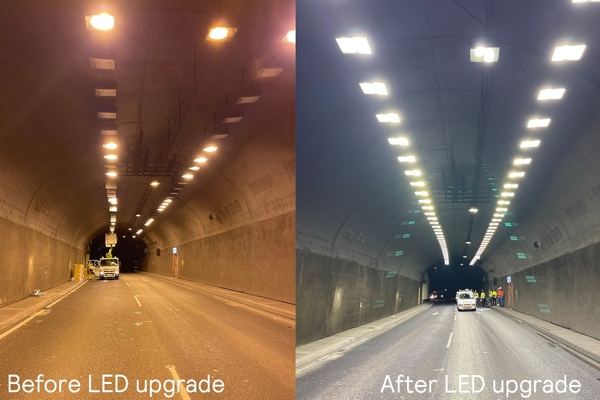
Erto and Transport Infrastructure Ireland worked with Signify to replace 1800 light points with the LED retrofit solution that supported the circular economy.
The network can be used for urban wifi deployments and allows selection of the most appropriate solution based on use case rather than a vendor’s products.
The success of the trial, initiated by Dublin City Council’s Smart Dublin programme and supported by the WBA and Virgin Media, will pave the way for a larger city-wide wifi deployment.
The cities will receive technical advice, ad hoc support, and advisory input to address the pressing challenges related to the ethical and digital rights aspects of their local digital strategies and projects.
The German city receives a cash prize of €1m while Vantaa in Finland is awarded €500,000 after being named winner in the European Rising Innovative City category.
Parcel-delivery company DPD Ireland has partnered with Pollutrack to install air quality sensors on 22 buildings and 102 vehicles in the Republic of Ireland capital.
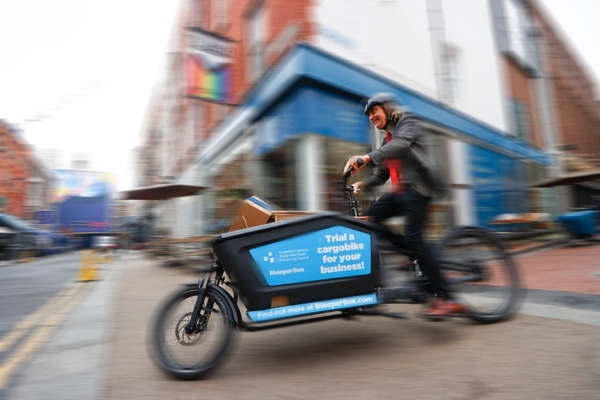
The project will give businesses based in the council area access to e-cargobikes at a discounted rate, enabling them to replace trips which would otherwise have been taken by car or by van.
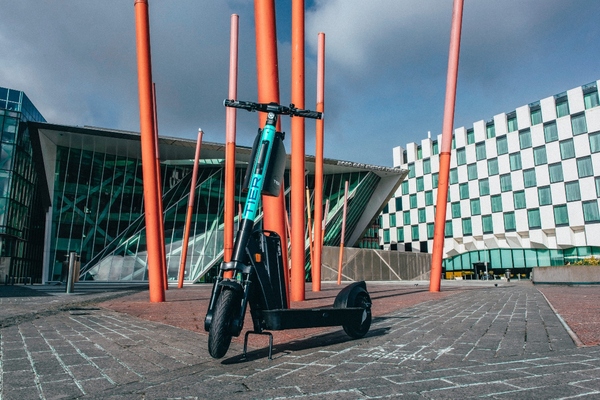
E-scooter operator Tier and Irish micromobility tech platform Luna have partnered to explore the piloting and deployment of the technology across fleets in Europe and the Middle East.
The Partnership for Healthy Cities is a collaboration with WHO and Vital Strategies to support mayors in implementing programmes to reduce non-communicable diseases and injuries in their communities.
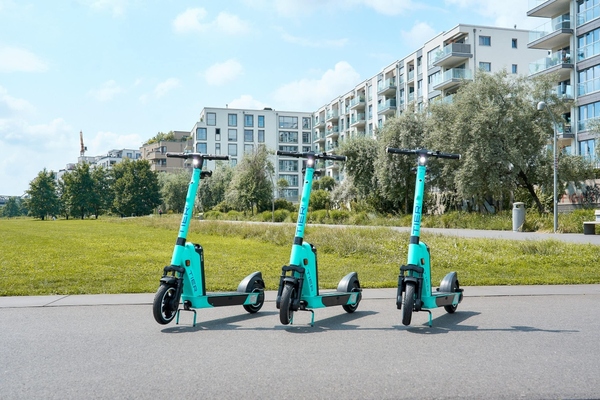
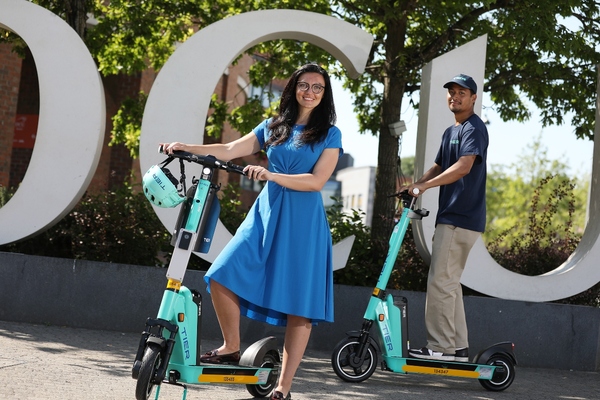
Tier’s fleet of 30 scooters will be equipped with computer vision technology to increase safety and allow researchers to explore a new source of smart city data.
A digital twin is a virtual representation of a physical product, service, or asset. It can be a digital replica of an individual object, such as a vehicle or building, but can also be extended to larger scales, such as entire cities.
It will operate on Dublin City University campuses and aims to improve e-scooter safety and explore smart city use cases for computer vision-equipped micro-mobility vehicles.
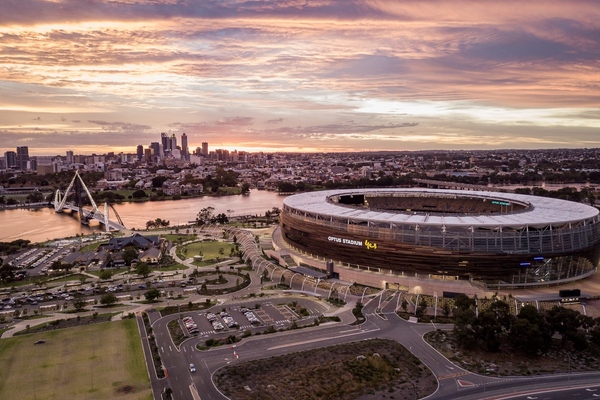
The Australian town, which is home to the Optimus Stadium, is implementing Smarter City Solutions’ vPermit to improve parking access and modernise the council’s parking management system.
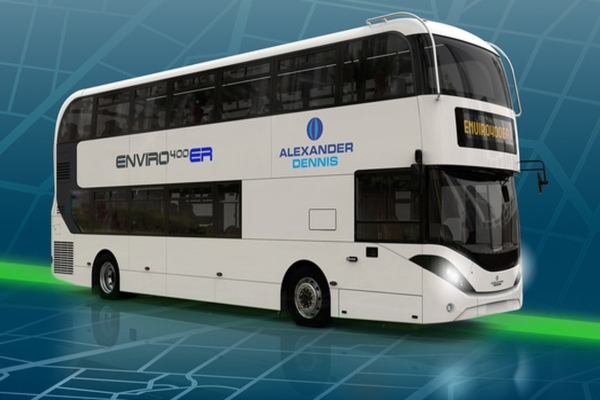
BAE Systems’ new plug-in technology means that as well as using the onboard generator to charge itself while the bus is on the move, the buses can also plug into the grid for power.
Digitising the kerb opens the door for more dynamic regulations and new approaches to kerb-usage fees that could enable more goal-driven management strategies.
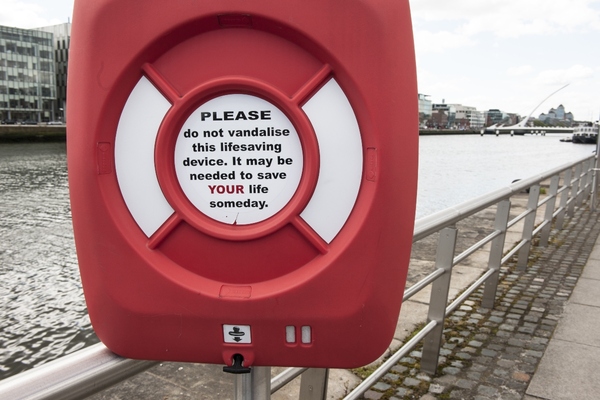
Proptech company ZiggyTec will work with the city on the first phase of Smart Dublin’s ring buoy monitoring project to reduce theft and help to save lives.
Alliance will combine Azure IoT Digital Twins and Azure Maps with the iTwins platform, enabling city planners to work within a comprehensive city-scale digital twin.
The first phase of Project Cygnus will deploy €1m in EIT Climate-KIC funding to analyse current economic and environmental investment trends to support regions and countries in their recovery.
Aspen, Nashville, Omaha, and West Palm Beach will team with kerb management company Coord on “smart zone” programmes tailored to their individual mobility challenges.
Cities from the US, Canada, Australia and Estonia make the 18th annual list by the Intelligent Community Forum. The 2020 winner will be announced in June.
Semi-finalists from five global cities and 10 citizens from eight nations attended the recent ChangeNow summit in Paris for the inaugural Climathon Global Awards.
The Bloomberg Philanthropies initiative aims to help the cities deliver "high impact" digital services and share lessons learned with the rest of the world.
Indonesia’s government plans to move the capital city from Jakarta due to overcrowding with over 10 million people, pollution and the fact that it is sinking.
A new ranking reveals that Singapore, London and New York are marginally better prepared but governments and private sector institutions around the world need to do more.
New research reckons that recalling previous green behaviour has a more positive impact on making future sustainable and environmentally friendly choices than feeling guilty.
The smart city of the future will be defined by quieter upgrades to existing infrastructure and new partnerships, not flashy developments that resemble science fiction, writes UCL’s James Ransom.
Global mobility expert ECA International evaluated cities on a range of factors such as infrastructure, air quality and personal safety for its annual liveability rankings