
Under the European Commission Smart Tourism umbrella, Grosseto in the Tuscany region of Italy was also crowned Green Pioneer for its sustainability efforts.
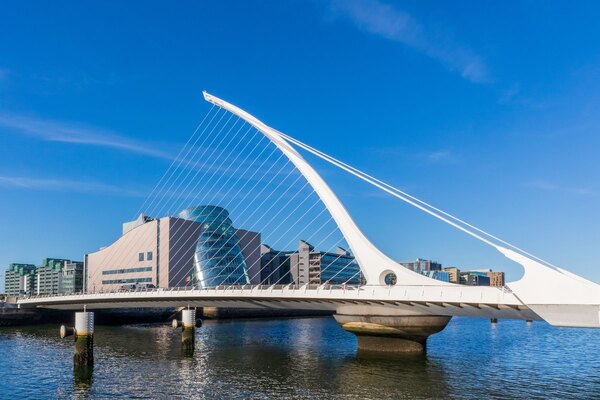
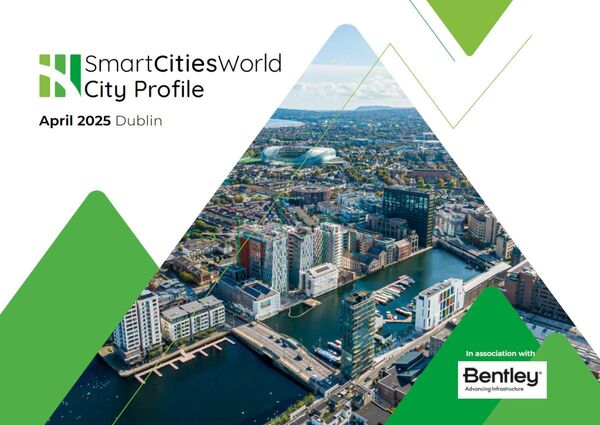
Dublin City, Ireland, has won the Smart Tourism Capital Award designation for 2024 by the European Commission, while Grosseto in the Tuscany region of Italy has been crowned Green Pioneer.
The two competitions aim to promote smart and sustainable tourism in the EU and facilitate the exchange of best practices.
The European Capital of Smart Tourism award recognises outstanding achievements by European cities as tourism destinations in four categories: sustainability, accessibility, digitalisation as well as cultural heritage and creativity.
Dublin beat a field of 30 candidates spanning 17 countries with six cities shortlisted: Bremerhaven (Germany); Cork (Ireland); Dublin (Ireland); Genoa (Italy); Helsingborg (Sweden); and San Sebastián (Spain).
All had their submissions evaluated by expert judges and following this the panel recognised that Dublin has embedded best smart tourism practices from across Europe through its collaborations with other cities and the publication of its first five-year tourism strategy with a strong focus on innovation.
New experiences such as 14 Henrietta Street, Epic the Irish Emigration Museum as well as digital innovations such as the Dublin Discovery Trails App, separated Dublin from other applicants.
“Our Smart Tourism programme, which was established in 2019 has been sharing, collaborating, and learning from some of the best cities in Europe and embedding this best practice in our own work”
Dublin has also committed to sustainability by being the first Irish city to sign the Glasgow Declaration on Sustainable Tourism. Dublin also impressed the judges through its vision to become the world’s first autism friendly city by 2026.
“We are delighted that Dublin has been awarded the 2024 European Capital of Smart Tourism. This designation is a recognition of our commitment to deliver a greener, more accessible, inclusive and innovative Dublin, for both our visitors and locals,” said Richard Shakespeare, chief executive, Dublin City Council.
“Our Smart Tourism programme, which was established in 2019 has been sharing, collaborating, and learning from some of the best cities in Europe and embedding this best practice in our own work through our new Tourism Strategy 2023-2028. We will proudly use this designation as a platform to deliver an innovative approach to tourism for Dublin.”
The European Commission judging panel described Dublin as a city “immersed in a rich tapestry of history” and as a “city full of culture and creativity”.
The judges added: “Now hailed for its commitment to sustainability and a strategic smart tourism vision and outstanding achievements, it has impressed the jury. Over the past year, this city has actively engaged people in decision-making, creating a destination that resonates with its people and embraces innovation at the same time.
“The city’s networking efforts with previous winners reflect a dedication to collaboration, leadership and innovation, and a beating European heart.”
The new Dublin City Council Tourism Strategy 2023-2028 is due to be launched this week.
The European Green Pioneer of Smart Tourism, successor of the European Destinations of Excellence (Eden) competition, rewards smaller destinations that have implemented successful strategies to boost sustainable tourism through green transition practices.
Grosseto, situated along the western coast of Italy, offers a blend of history, culture, and natural beauty. With its origins dating back to ancient Etruscan times, Grosseto carries a rich historical heritage that’s reflected in its well-preserved architecture and historic sites. Grosseto also boasts picturesque landscapes and the nearby Tyrrhenian Sea and invites tourists to explore its history and coasts through slow tourism initiatives.
It is described as an “ancient city with a young, innovative soul”. At the heart of Grosseto’s sustainability efforts lies the commitment to preserving its natural scenery. About 30 per cent of the city’s protected area is dedicated to agriculture, serving as the foundation for agritourism endeavours.
The Park of Maremma boasts 32 high-quality agritourism initiatives suited for all ages and abilities. One of the cornerstones of Grosseto’s sustainability ethos is mobility. The park combines cultural, archaeological, scientific research, and sustainable tourism projects, setting a precedent for responsible exploration.
About 30 per cent of the city’s protected area is dedicated to agriculture, serving as the foundation for agritourism endeavours.
As part of the city’s commitment to accessibility, Grosseto has an integrated cycle mobility system and shuttle service, bookable via an app. Year round, the park offers cooking activities, tutorials for collecting and processing local raw materials, tasting workshops, and bicycle routes.
Grosseto’s future plans include a green expanse to offer residents and tourists a haven for jogging, walking, cycling and relaxation. Additionally, the Grosseto Urban Trekking project, a regional venture to promote slow tourism, local art and history, aims to establish a web of walking a cycle paths connecting the entire province, inspiring green mobility and responsible exploration.
Why not try these links to see what our SmartCitiesWorld AI can tell you.
(Please note this is an experimental service)
How does Dublin's Tourism Strategy 2023-2028 promote smart tourism innovation?What digital tools support Dublin's accessibility and cultural heritage tourism?How does Grosseto integrate agritourism with sustainable mobility solutions?What role does citizen engagement play in Dublin's smart tourism governance?How does Grosseto's Urban Trekking project encourage slow and green tourism?