
























Discover how cities can expand their fiscal and institutional capacity to attract and manage climate finance. This session explores the role of digital tools for tracking and reporting, data platforms for transparency, and innovative approaches that allow cities to unlock new sources of investment.
Delve into how artificial intelligence is reshaping urban infrastructure to meet the rising pressures of climate change, ageing systems, and rapid urban growth.
Discover how this year’s Cities Climate Action Summit puts the spotlight on the switch to clean and renewable energy, and the importance of energy-efficiency.
Discover innovative concepts to solve urban issues through SusHi Tech Tokyo’s programme focused on leveraging diverse ideas, digital know-how and cutting-edge technologies.
Find out how Dublin is innovating to improve experiences and services for its communities in the latest SmartCitiesWorld City Profile, including digital twin projects, traffic reduction, and economic growth.
Discover how the city of Madrid is innovating to become a smarter, more sustainable city that’s able to deliver improved services to residents and visitors alike.
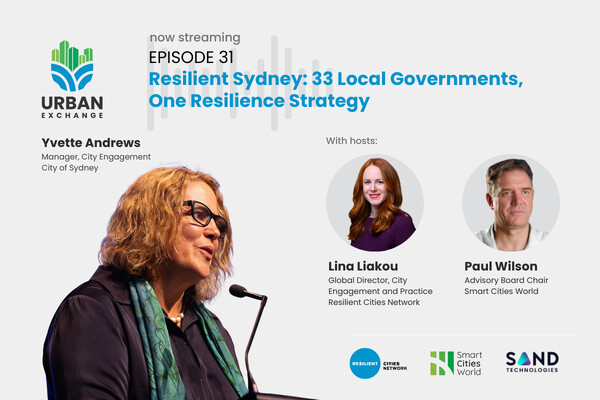
Join us for a journey of collaboration on the Urban Exchange Podcast, where we discover how Resilient Sydney is aligning more than 30 local council on a single resilience plan.
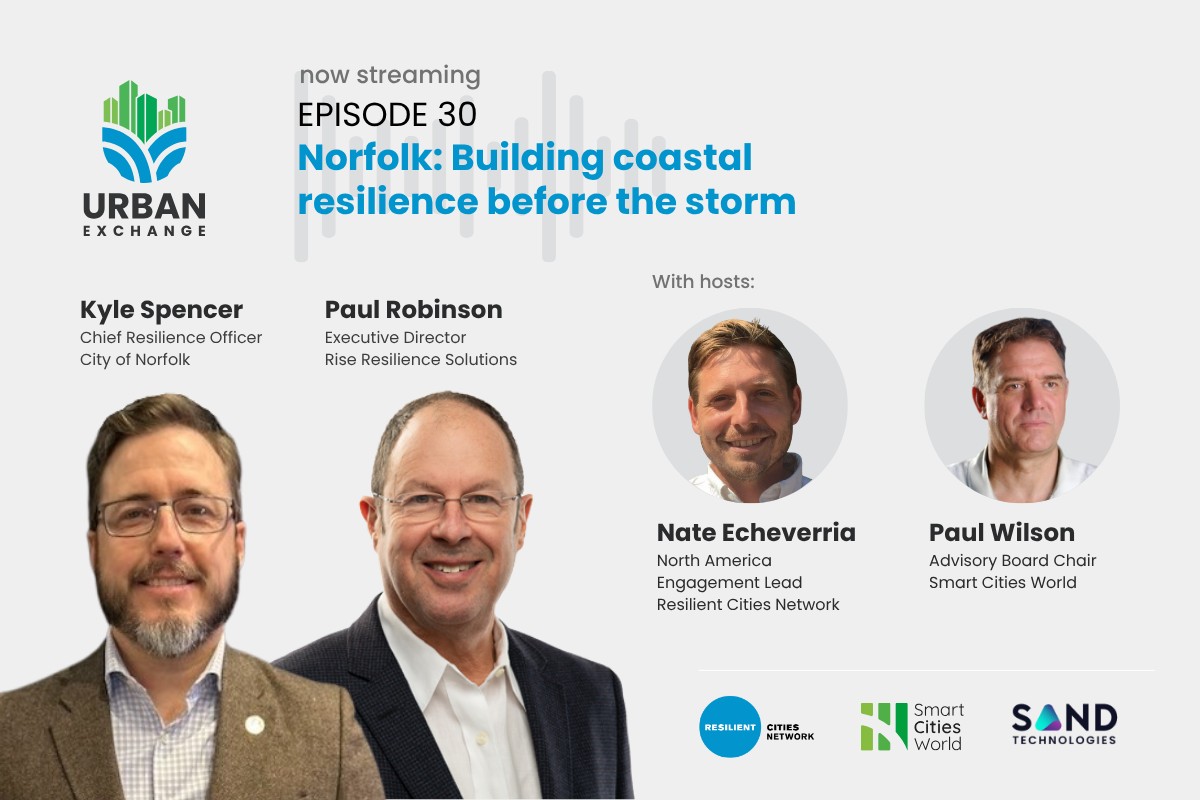
Blending green and grey infrastructure with innovative solutions like 3D printed reefs, discover how the City of Norfolk is tackling its coastal challenges head on.
ST Engineering’s Richard Ng explains how integrated smart city platforms can support cities in becoming more sustainable and efficient at the scale that is right for them.
Latitudo 40 sits at the convergence of satellite imagery analysis and AI and will demonstrate the vital role satellite data has to play in helping cities tackle the challenges of climate change.
Developed with input from emergency services workers, the Blue Light tool will bring together information on each site’s future energy needs in one place.
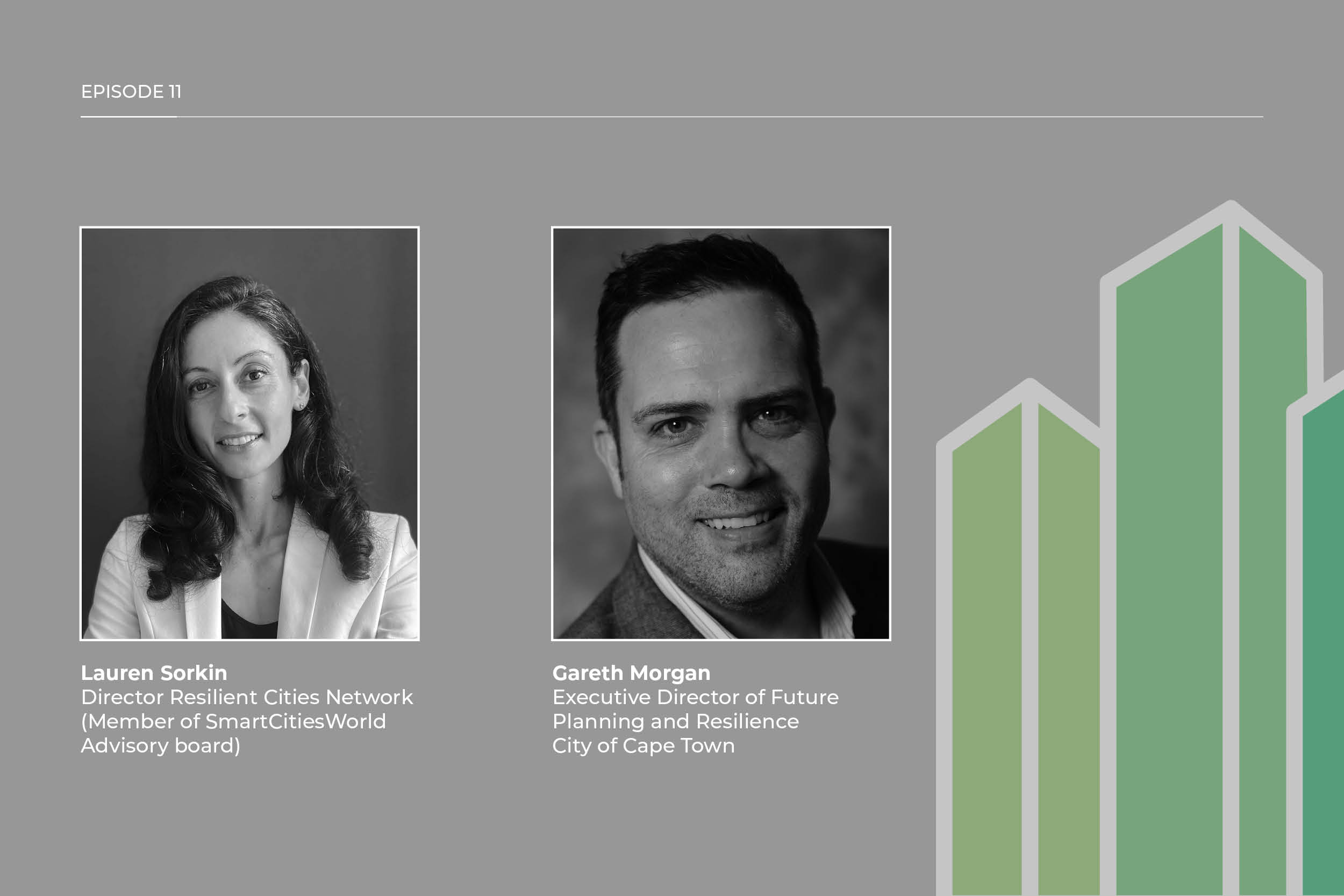
Gareth Morgan, executive director of future planning and resilience for the City of Cape Town, joins the Urban Exchange to talk about his efforts to put resilience front and centre of all aspects of the city’s work.
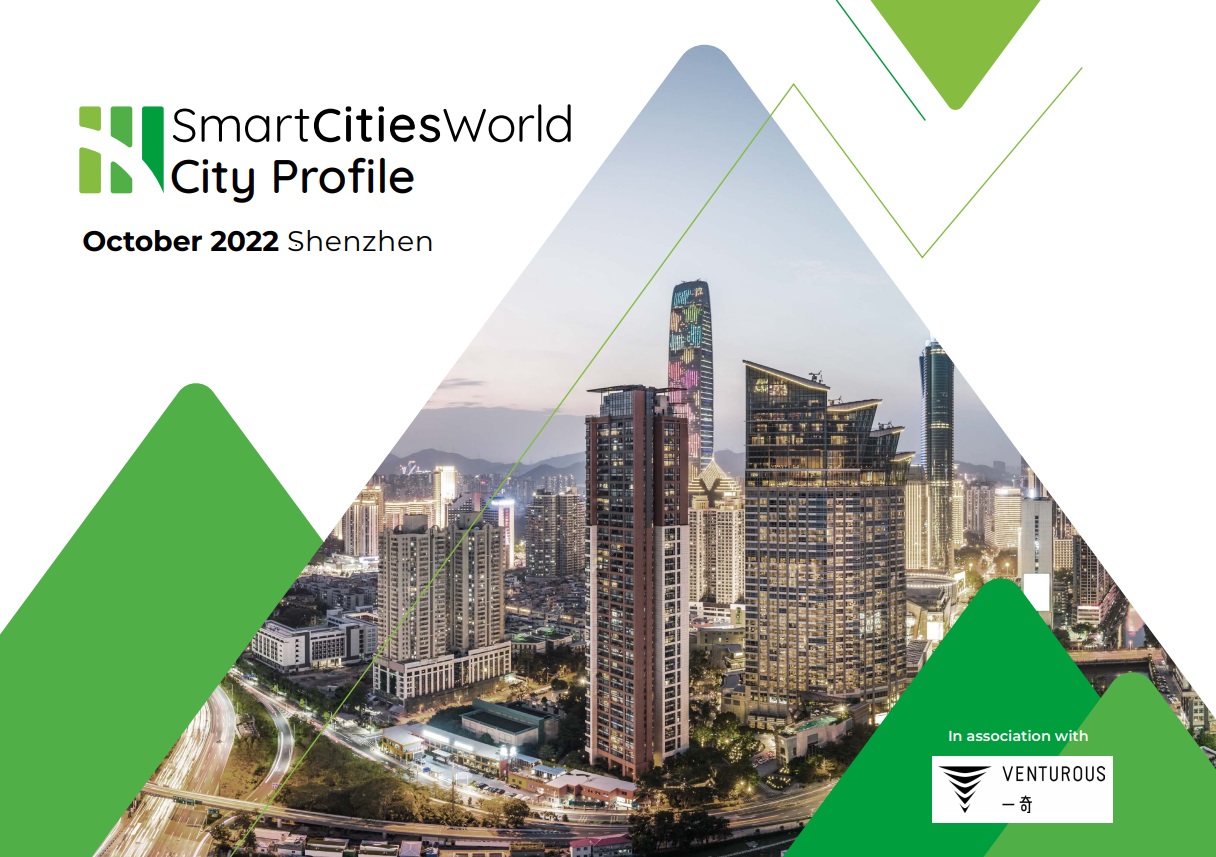
SmartCitiesWorld City Profiles explore the city of Shenzhen, designated as China’s first special economic zone and a role model of urban modernisation. Find out more about Shenzhen’s smart city strategy in this 16-page report.
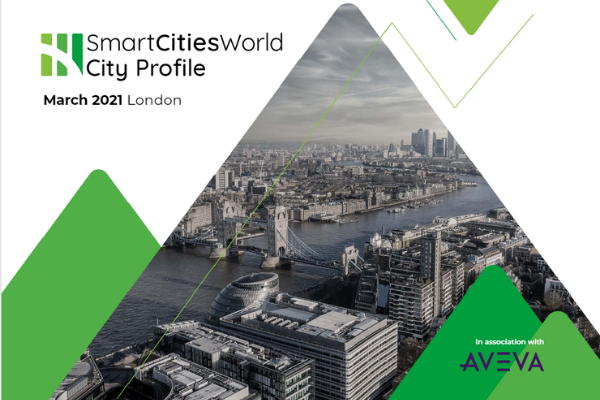
The long term-impact of the UK’s decision to leave the European Union and the country’s poor performance in the Covid-19 pandemic, are among the complex set of challenges it faces if London is to remain one of the world’s most influential and enviable cities.
Policymakers and city leaders must act to unlock vital sources of private capital and cities must engage investors at a much earlier stage, says Delphine Queniart of Bankers Without Boundaries.
Projects will enable public and private sector bodies to harness waste heat from sources such as rivers, data centres and sewage works to strengthen resilience.
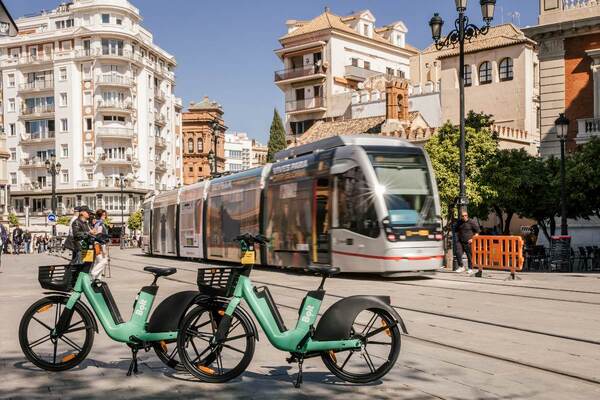
Preliminary report findings reveal how smarter rules in Hannover and visitor-led cycling in Seville are reshaping how Europeans move through their cities.
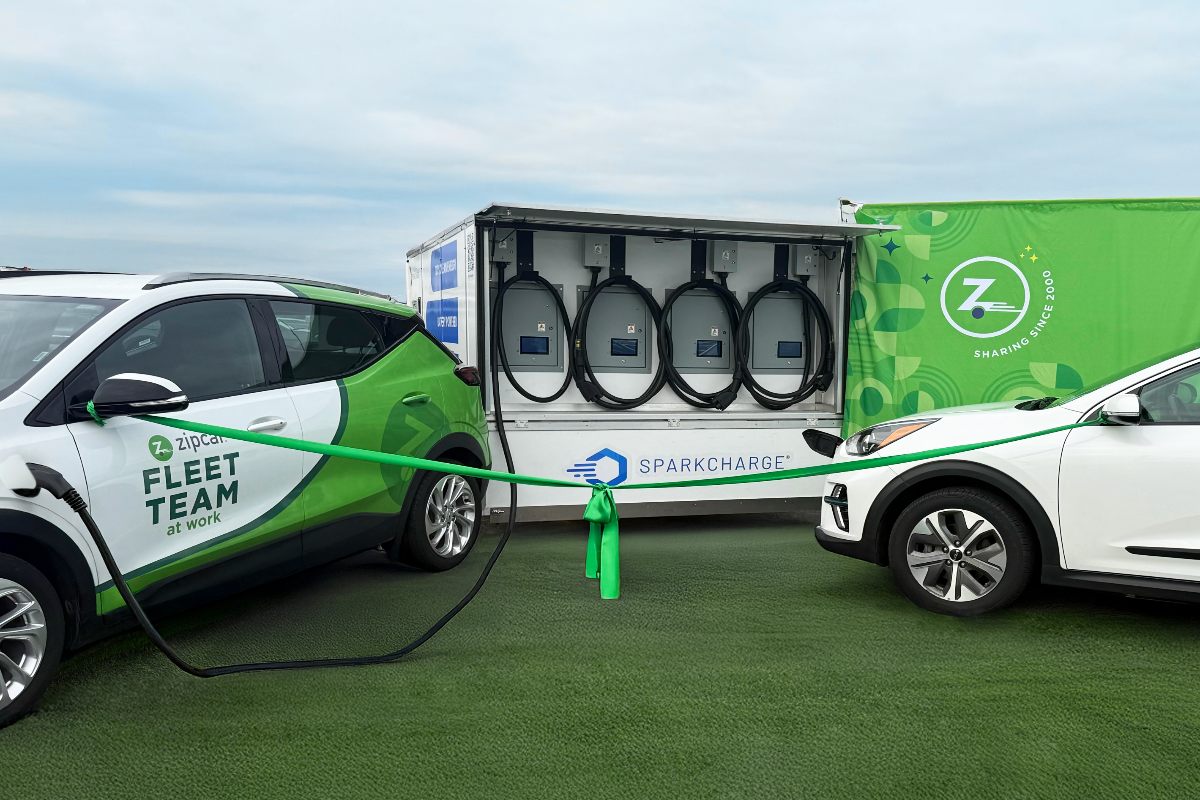
Located at Zipcar’s maintenance facility in East Boston, an Environmental Justice community, this project delivers scalable, equitable EV infrastructure.
The tech sector could unlock $800bn in value by 2030 if tech companies reduce their negative impacts on natural systems and dependencies on natural resources.
The ‘Twin cities’ will work together on local climate action as part of the Twinning Learning Programme, a peer-learning initiative of the EU Cities Mission.
ACT’s Strategic Economic Development Framework is designed to ensure Canberra remains a place where people can live well, work flexibly, and stay connected.
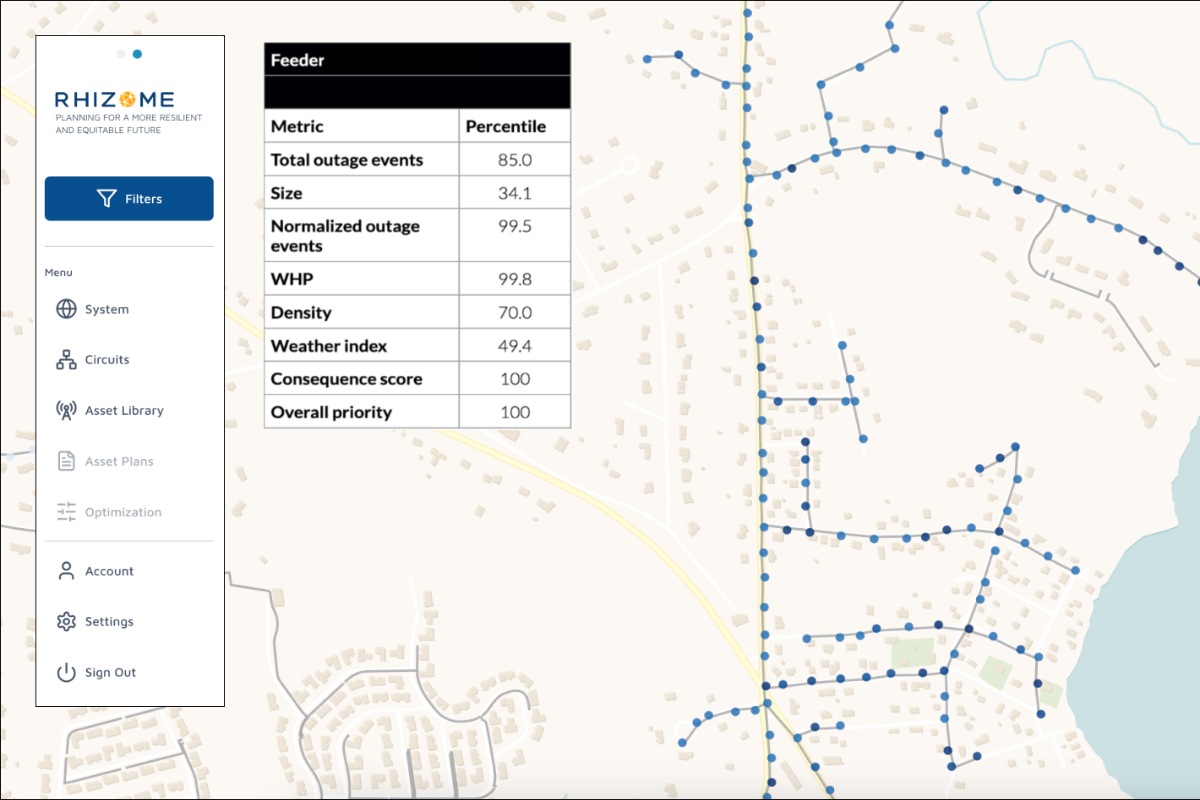
National Grid will deploy advanced AI technology that identifies and prevents wildfire risks across its electric transmission and distribution networks.
Greenshank Environmental’s platform enables developers to browse credits, view pricing and unit types, and purchase verified BNG and nutrient credits online.
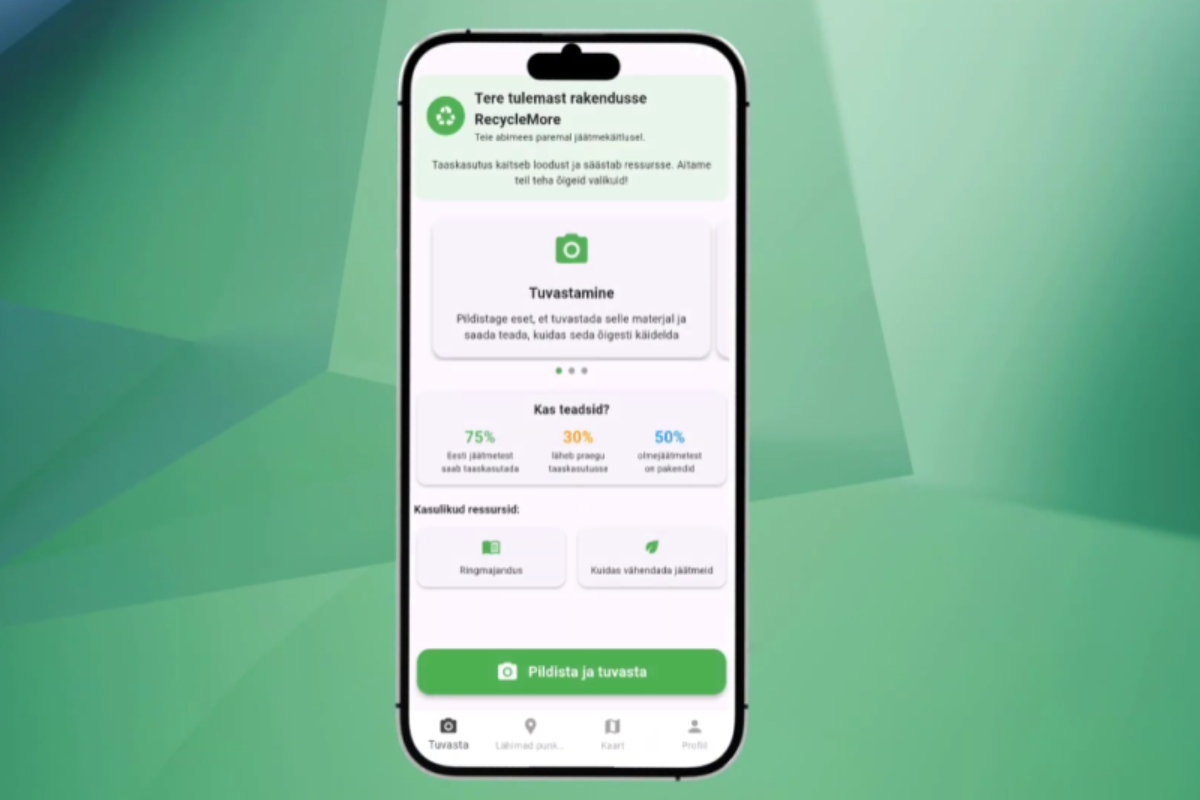
The AI-based RecycleMore mobile app allows the user to take a photo of an item, identify the material, and receive instructions on how to properly sort waste.
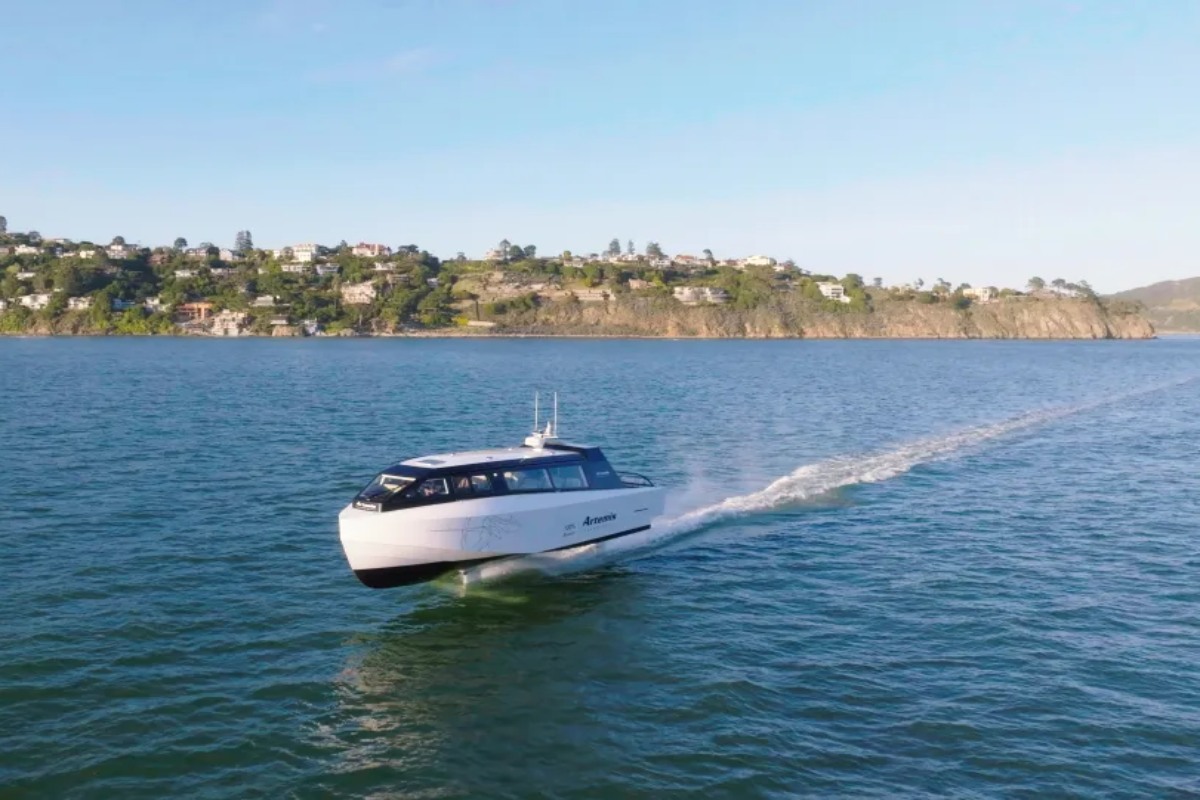
Prop Worldwide is partnering with Artemis Technologies to scale operations in waterway dependent communities that are often overlooked by larger ferry routes.
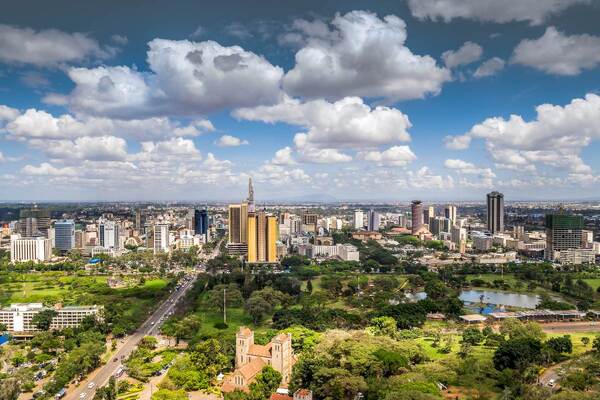
For the first time, city leaders and residents in the Kenyan city will have access to hyper-local data about pollution levels in the places they live and work.
A new London Assembly report warns that surging electricity demand from data centres in West London is squeezing grid capacity and delaying housing delivery.
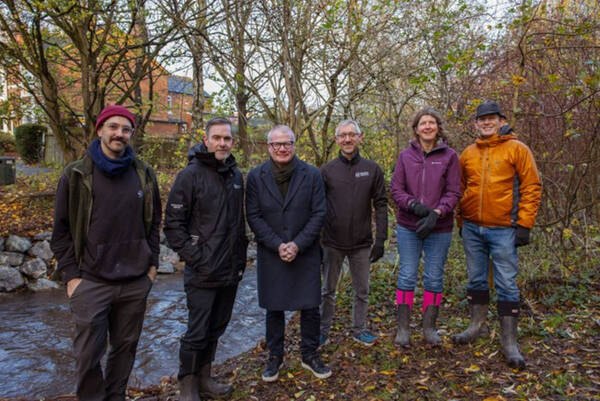
The Local Nature Recovery Strategy outlines 62 actions to restore habitats, improve rivers and canals, expand urban green space and strengthen resilience.
Local and regional governments are calling for deeper national collaboration and clearer funding pathways following on from the COP30 negotiations in Belém.
Water Efficiency Lab is opening a £5 million first-year funding round to support innovations that give clearer water-use insights and help drive down demand.
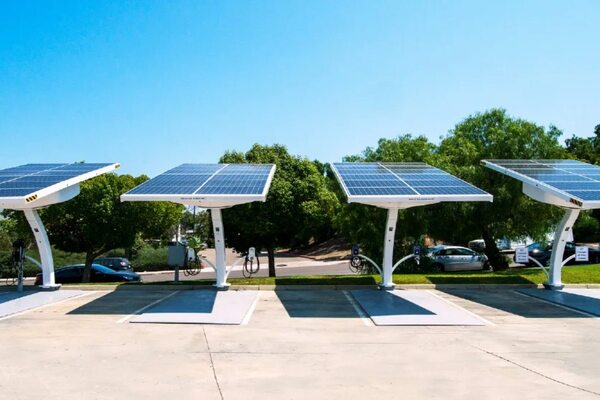
The systems, which generate and store their own clean electricity, will be used to charge the City’s growing fleet of EVs, including electric pickup trucks.
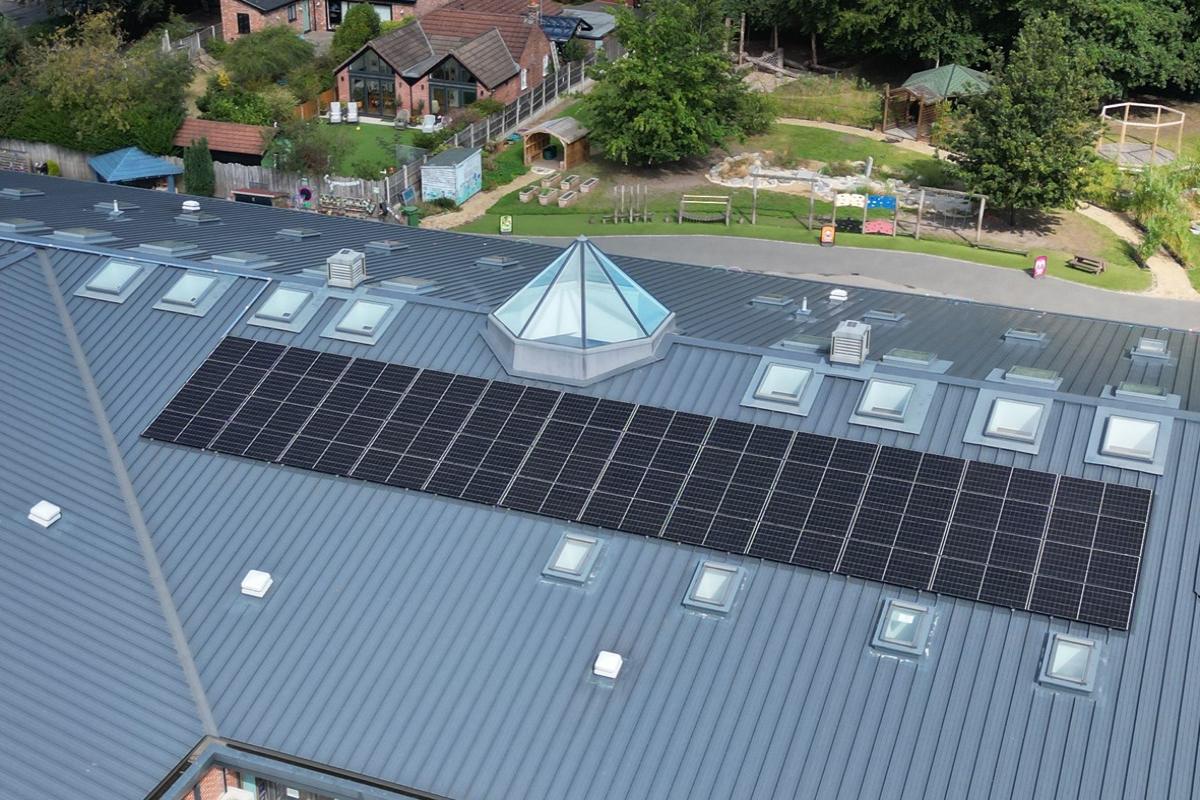
The building, a childcare centre, demonstrates the city’s leadership in climate action and supports its commitment to achieving net-zero emissions by 2040.
Winners’ achievements demonstrate the EC’s vision for a smarter, greener and more inclusive tourism sector, setting a benchmark for other destinations.
Our Roots Chicago is a community-driven initiative to expand tree planting in the city, with a focus on underserved neighbourhoods with low tree canopy cover.
The programme gave people, communities and businesses of Bristol an opportunity to invest in climate related projects, helping the city’s green transition.
The Arizona city is working with Ameresco to generate 14.5 million kWh annually, reduce utility costs, as well as enhance long-term energy independence.
Through a partnership with Sacramento Metropolitan Air Quality Management District’s programme, income-qualified residents receive $100 in Zipcar credits.
First city-scale heat network in Wales is delivering heat to Cardiff and Vale College with other major buildings in Cardiff Bay to follow, including the Senedd.
Carlo Bernocco, Head of Business and Customer Success at Paradox Engineering, explores how smart lighting is evolving from energy-saving infrastructure to a multifunctional platform at the heart of urban innovation.
Developed in partnership with Xylem and the University of Côte d’Azur, the €5.9m project will modernise 3,000km of infrastructure across the Côte d’Azur.
The ProUrbano programme helps cities across Latin America and the Caribbean better understand and transfer climate risks and finance adaptation measures.
Leading Cities’ resilience and smart city accelerator attracted entries from more than 820 startups in 71 countries and involved a six-month vetting process.
The San Francisco Municipal Transportation Agency contract includes three 40-foot battery-electric buses and three 60-foot articulated battery-electric buses.
Memorandum with Banco do Nordeste broadens technical assistance, maps environmental project opportunities, and advances low-carbon urban development strategies.
Five schools will save around £40,000 annually between them on energy bills and reduce the amount of carbon released into the air by about 40 tonnes each year.
Platform combines real-world intelligence and a comprehensive global EV database to create optimised charging infrastructure plans for fleet owners and operators.
It aims to enhance the health sector’s resilience to climate change via surveillance systems, capacity building, innovation, and evidence-based policymaking.
Bolton Council is using Lucy Zodion’s smart city platform Ki to manage school crossing beacons remotely to improve safety and reduce manual maintenance.
Joint venture between AI software company SenseTime and King Saud University will serve as a platform for AI use cases and research across multiple sectors.
Cop30 President André Corrêa do Lago highlighted the importance of adaptation and multilevel governance, while a report was launched on the inclusion of cities in new NDCs.
Municipalities and private entities worldwide are invited to apply for the pilots which are focused on helping communities prepare before crisis strikes.
Actions across 11 areas include key priorities such as transport, green economy, heating, built environment, energy, waste, biodiversity and carbon removal.
This session will examine how cities are creating energy systems that are both innovative and people-centred. It will highlight how digital tools, IoT-enabled efficiency platforms, and AI optimisation are driving progress, alongside community-focused initiatives that ensure inclusivity in the transition. Speakers from City of Toronto and CReDO.
The Global Mutirão Against Extreme Heat/Beat the Heat seeks to accelerate implementation of sustainable cooling and heat-resilience solutions in cities.
Plan to accelerate multilevel governance launches at Cop30 in Belém and Brazil and Germany are announced as the first co-chairs of the Champ coalition.
Seven Boston affordable housing developments will receive funding to advance retrofits and electrification as part of Climate Ready Housing grant programme.
The £1.65m Cardiff Council project, covering eight centres, is expected to reduce electricity-related carbon emissions at the sites by around 35 per cent.
The statement is the final outcome from the Local Leaders Forum in Rio and calls on national governments to strengthen partnerships with cities and regions.
The 2025 Global Snapshot contains fresh analysis of the 2,164 projects disclosed through CDP-ICLEI Track, by 507 cities in 62 countries, so far in 2025.
Colombian capital, recognised for its clean air programme, is one of five winners of the prestigious prize that celebrates innovators solving global challenges.
Judges at the World Smart City Awards gala said Rome’s visionary strategy is leveraging data, 5G and digital twins to enhance urban governance, improve public services and build resilience.
Projects will provide green transport, cut greenhouse gas emissions and introduce nature-based solutions to strengthen climate resilience in four major cities.
First-of-its-kind initiative launched at Cop30 Local Leaders Forum aims to mobilise €450m and deploy more than 1,700 electric buses across Brazil until 2030.
Launched at Smart City Expo World Congress in Barcelona, the app store aims to make digital twin tools, services, and datasets easily accessible for cities.
Report looks at overall trends of UK councils’ climate action giving comprehensive oversight of where progress has been made and where action is still lacking.