











 22 - 26 June 2026: Find out more





BUILD YOUR OWN
RESOURCE LIBRARY



Opinions
Smart lighting: enabling smart cities beyond illuminationSponsored by Paradox Engineering

How AI and biometrics are shaping next-generation mobility paymentsSponsored by ST Engineering
Sacramento incentivises residents to use EVs car share
Through a partnership with Sacramento Metropolitan Air Quality Management District’s programme, income-qualified residents receive $100 in Zipcar credits.


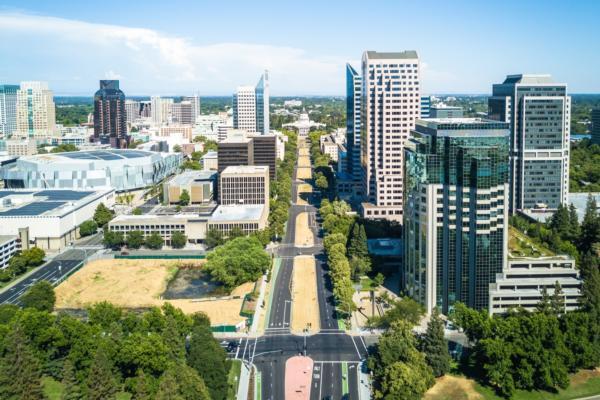
City of Sacramento is launching an electric vehicle (EV) car share incentive initiative to help residents get behind the wheel of zero-emission vehicles while advancing the City’s clean transportation goals.
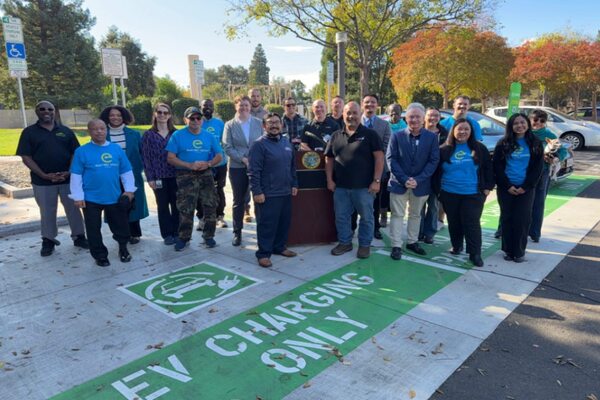
City leaders and community partners held an event earlier this month to announce the expansion of five new car share locations, the launch of the new incentive initiative, and highlighted major milestones in the City’s EV Blueprint Implementation project.
Clean transportation
Through a partnership with the Sacramento Metropolitan Air Quality Management District’s Our Community Car Share (OCCS) programme, income-qualified residents can now receive $100 in Zipcar driving credits. These credits will be distributed to new members who join OCCS through 31 December on a first-come, first-served basis to eligible residents, with a focus on underserved communities.
The incentive applies to residents who live within one mile of participating OCCS locations or meet income qualifications. Eligible OCCS sites include Valley Hi-North Laguna Library, Pannell Community Centre, Mangan Park and South Natomas Community Centre. Incentives to utilise the Belle Cooledge Library site are available only to residents who meet income qualifications.
“This project is another example of how Sacramento is leading with equity and innovation to advance clean transportation”
“Sacramento is building a clean transportation future that works for everyone,” said mayor pro tem Eric Guerra, who is also on the Air District board of directors. “These incentives make it easier for residents to choose zero-emission options for their daily needs, reducing both household costs and our community’s carbon footprint.”
The new incentive is part of the City’s broader EV Blueprint Implementation Project, a grant-funded initiative focused on reducing transportation-related greenhouse gas emissions and increasing equitable access to clean mobility options. Transportation currently accounts for more than half of Sacramento’s total greenhouse gas emissions.
Read More
“This project is another example of how Sacramento is leading with equity and innovation to advance clean transportation,” said Rachel Patten, the City’s climate action lead. “By taking a data-driven approach, we’re ensuring our climate investments deliver real benefits for the communities that need them most.”
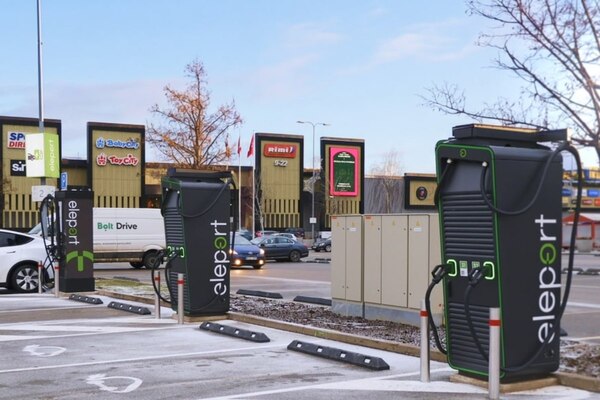
As part of the project, the City has installed 67 EV chargers at 13 public locations, primarily in historically underserved neighbourhoods, to expand access for residents who may not be able to charge at home or work.
The Department of Public Works led the installation of these new chargers at libraries, community centres and parks across Sacramento, closing gaps in the existing charging network and helping make electric vehicle access more convenient for residents.
“This pilot has been strongly utilised by library patrons, which really shows the community’s demand for zero-emission mobility options”
In addition to expanding electric car share and public charging access, the EV Blueprint project also supported a time-limited e-bike lending pilot programme through the Sacramento Public Library. Launched in 2023, the pilot aimed to introduce residents to electric-assist biking as an alternative to driving for short local trips.
After two years of lending e-bikes at four library sites across the city, the pilot will conclude as planned, with the last day to check out an e-bike on 6 December.
“This pilot has been strongly utilised by library patrons, which really shows the community’s demand for zero-emission mobility options,” said Patten.
“It achieved exactly what we set out to do: test the viability of shared e-mobility and understand what works and what doesn’t. Throughout the programme, we gathered valuable data on user behaviour, trip patterns, interest in electric mobility and the operational challenges that come with a shared fleet. All of that information will guide our future investments and help us design more scalable, sustainable models.”
The EV Blueprint Implementation Project was made possible through partnerships with the Sacramento Metropolitan Air Quality Management District, Sacramento Public Library, Zipcar, SacBreathe, and the California Energy Commission.
Why not try these links to see what our SmartCitiesWorld AI can tell you.
(Please note this is an experimental service)
How does the $100 Zipcar credit incentive promote EV adoption?What criteria determine eligibility for Sacramento's EV car share program?How do new EV chargers improve access in underserved Sacramento neighborhoods?What data was collected from the e-bike lending pilot program?How does the EV Blueprint project reduce Sacramento's greenhouse gas emissions?
Latest City Profile
Latest Urban Exchange Podcast
SmartCitiesWorld Newsletters (Daily/Weekly)
You may also like these related articles...
BECOME A MEMBER
© 2026 SmartCitiesWorld
Smart Cities World Ltd, 27 Clements Lane, London, EC4N 7AE