
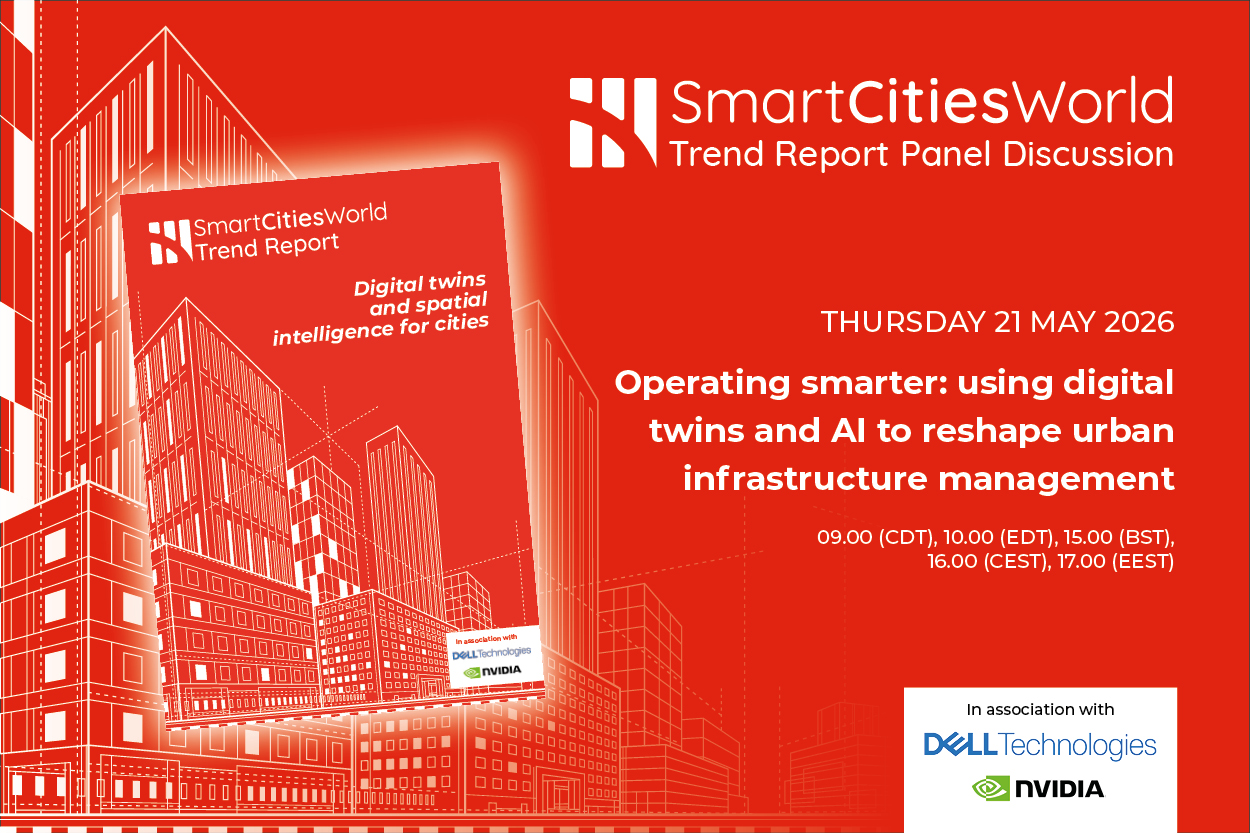








Discover how AI-powered digital twins are transforming urban infrastructure and how these innovations can improve efficiency, resilience, and sustainability.
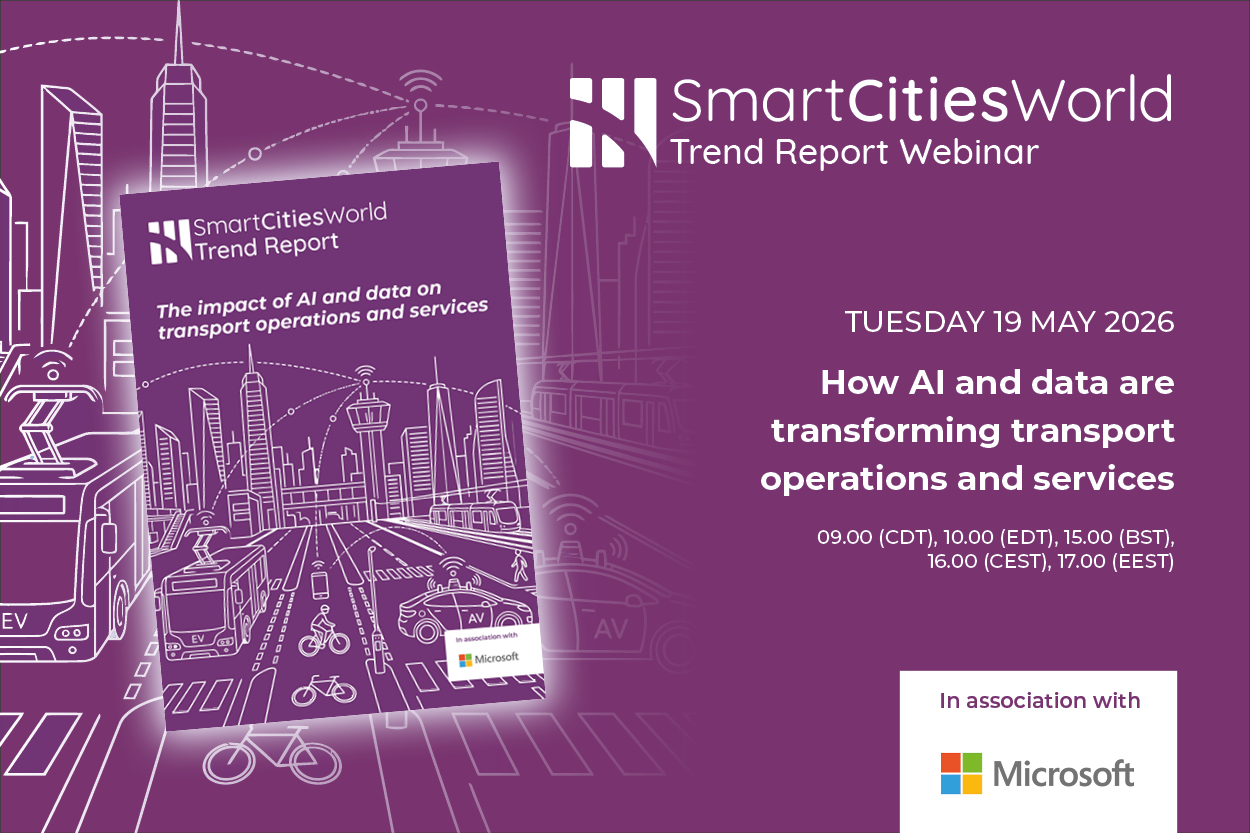
Explore how data and AI is being used in urban transport networks to support planning, day-to-day operations, and improve outcomes for communities and passengers.
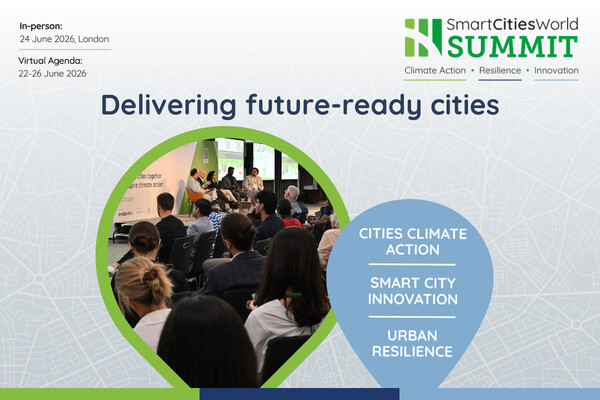
As cities confront the combined pressures of climate change, infrastructure resilience and digital transformation, the SmartCitiesWorld Summit 2026 will bring together urban leaders and partners during London Climate Action Week to explore how these agendas intersect – and how cities can translate strategy into practical action.
Find out how Sunderland is repositioning itself as a leading smart city – using digital infrastructure and low-carbon innovation to build a resilient, future-focused economy in the latest SmartCitiesWorld City Profile.
Find out how Dublin is innovating to improve experiences and services for its communities in the latest SmartCitiesWorld City Profile, including digital twin projects, traffic reduction, and economic growth.
Tune into the SmartCitiesWorld podcast to understand the world of sovereign AI for cities, featuring PNY Technologies’ Youssef Nadiri as our expert guest.
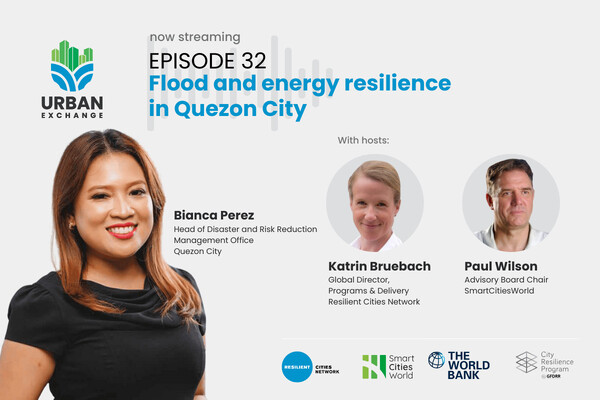
Tune in for the latest Urban Exchange where we get a first-hand account of city resilience measures from Quezon City following unexpected extreme rainfall.
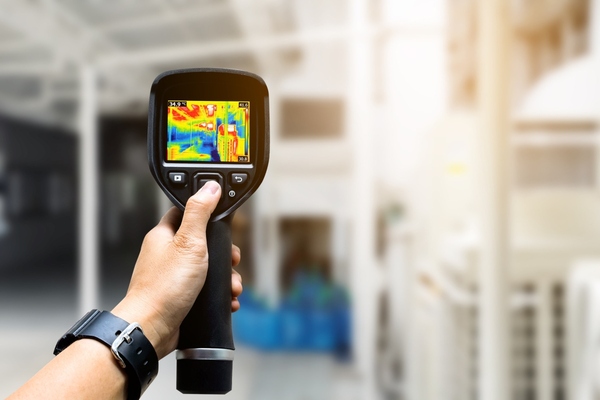
How smart sensor networks can help improve indoor safety by detecting risks early, improving situational awareness and supporting healthier, more secure and sustainable buildings.
Gareth Tang, President of Urban Solutions at ST Engineering, explains how urban AI applications are set to evolve, detailing projects where AI is already making significant impact.
Frost & Sullivan predicts the market will likely experience a boom with investments in telecommunications network upgrades to 5G standards driving growth.
Increasing government focus on such initiatives is driving demand for digital IoT solutions in areas such as e-government, smart traffic management and smart power grids.
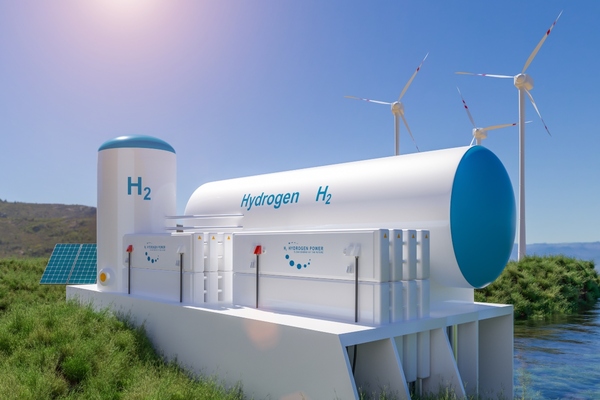
According to analysis from Frost & Sullivan, hydrogen production will double by 2030 as the world advances towards a sustainable energy economy and countries battle climate change.
According to analysis from Frost & Sullivan, post-pandemic, investment in smart projects like smart grids, autonomous vehicles, smart lighting and e-governance will gain traction.
Frost & Sullivan analysts are calling on technology leaders to assess the emerging opportunities resulting from Covid-19 and innovate to build company-, society-, and consumer resilience.
Analysis by Frost & Sullivan reveals how digitisation and advancements in Internet of Things are driving the large-scale adoption of sensor technologies for the development of smart cities.
Korean AV platform provider SpringCloud is partnering with Deepen AI to progress the development of autonomous vehicle sensor technology in the country