










Discover how AI-powered digital twins are transforming urban infrastructure and how these innovations can improve efficiency, resilience, and sustainability.
Explore how data and AI are being used in urban transport networks to support planning, day-to-day operations, and improve outcomes for communities and passengers.
As cities confront the combined pressures of climate change, infrastructure resilience and digital transformation, the SmartCitiesWorld Summit 2026 will bring together urban leaders and partners during London Climate Action Week to explore how these agendas intersect – and how cities can translate strategy into practical action.
Find out how Sunderland is repositioning itself as a leading smart city – using digital infrastructure and low-carbon innovation to build a resilient, future-focused economy in the latest SmartCitiesWorld City Profile.
Find out how Dublin is innovating to improve experiences and services for its communities in the latest SmartCitiesWorld City Profile, including digital twin projects, traffic reduction, and economic growth.
Tune into the SmartCitiesWorld podcast to understand the world of sovereign AI for cities, featuring PNY Technologies’ Youssef Nadiri as our expert guest.
Tune in for the latest Urban Exchange where we get a first-hand account of city resilience measures from Quezon City following unexpected extreme rainfall.
How smart sensor networks can help improve indoor safety by detecting risks early, improving situational awareness and supporting healthier, more secure and sustainable buildings.
Gareth Tang, President of Urban Solutions at ST Engineering, explains how urban AI applications are set to evolve, detailing projects where AI is already making significant impact.
The AV specialist will use the cloud to accelerate its ability to analyse and model vast amounts of data from multiple scenarios in its AI-powered metaverse.
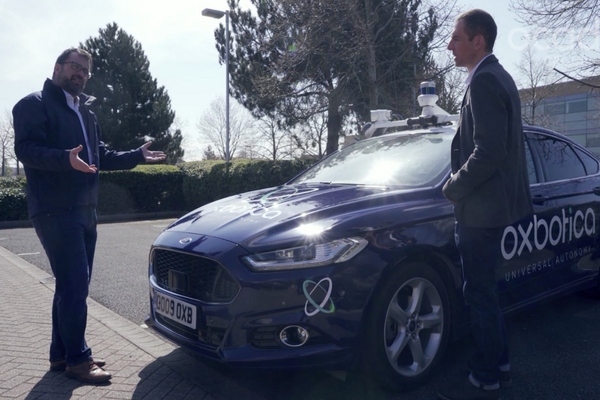
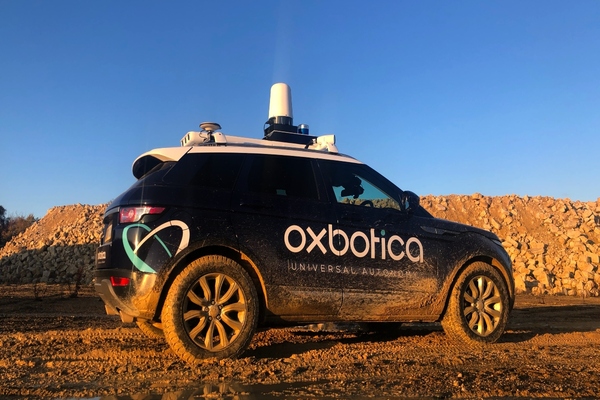
The autonomous software company has secured $140m funding to accelerate its Universal Autonomy vision in multiple commercial and industrial domains globally.
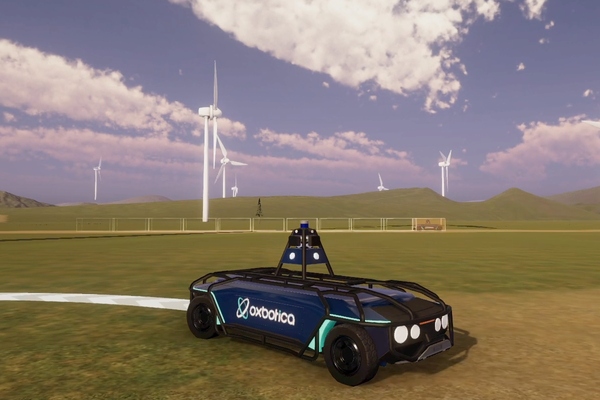
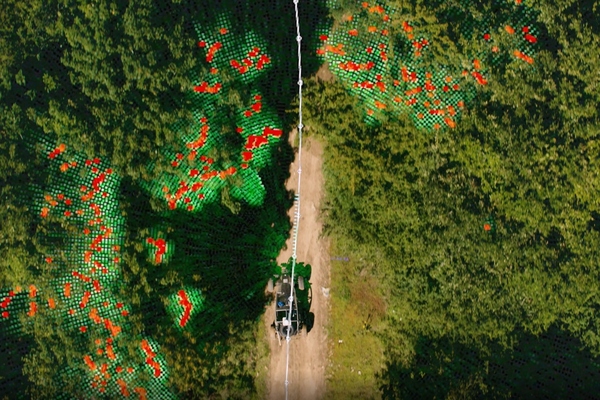
Software company Oxbotica’s suite of tools generate a vast bank of scenarios, which are used to test and refine autonomous operations and behaviours, without ever needing to physically drive in them.
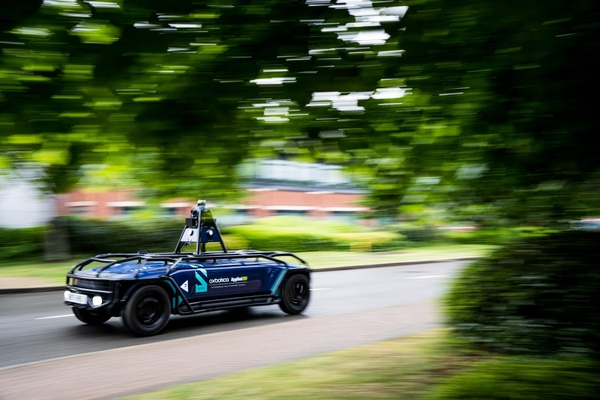
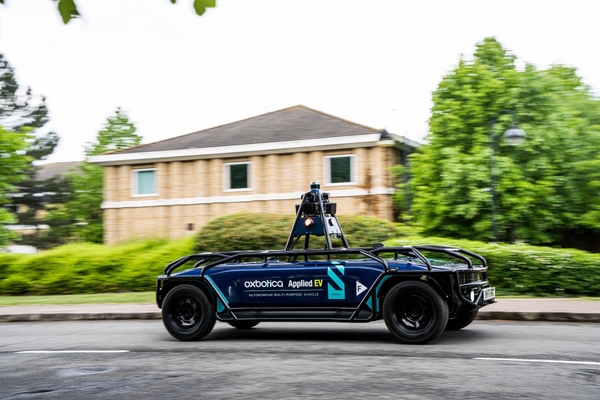
The all-electric AppliedEV vehicle, driven by Oxbotica, is operating in Oxford with no on-board driver, marking the next step in commercialising autonomous vehicle technology.
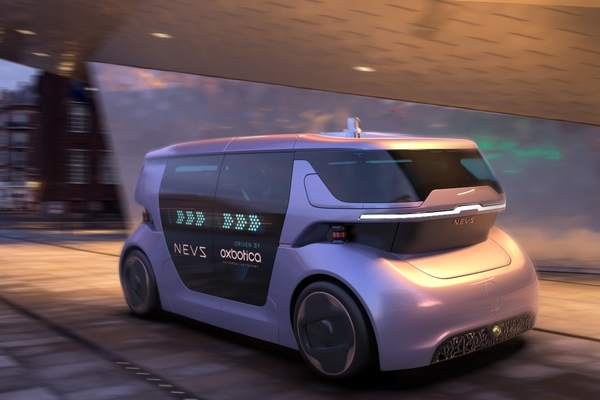
Oxbotica is collaborating with shared mobility solutions provider Nevs to develop a fleet of self-driving, all-electric vehicles to be deployed on public roads by the end of 2023.
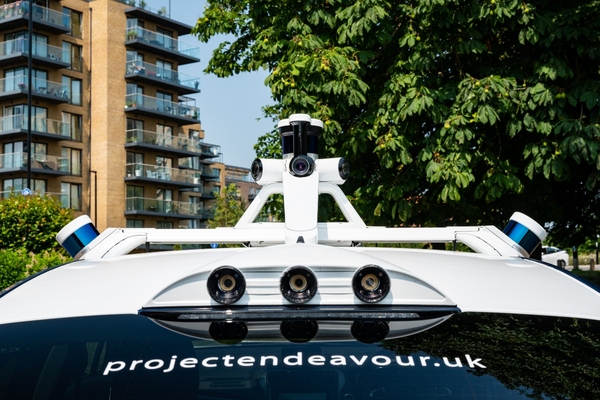
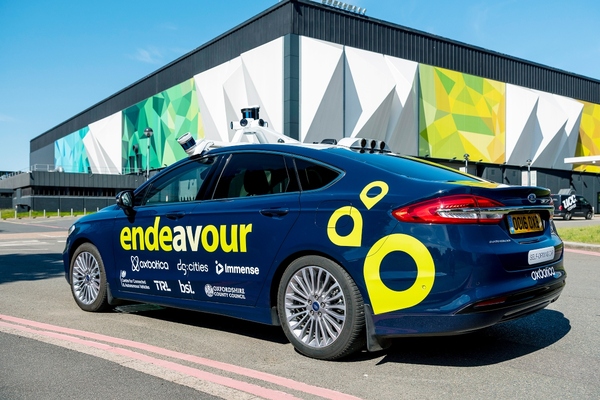
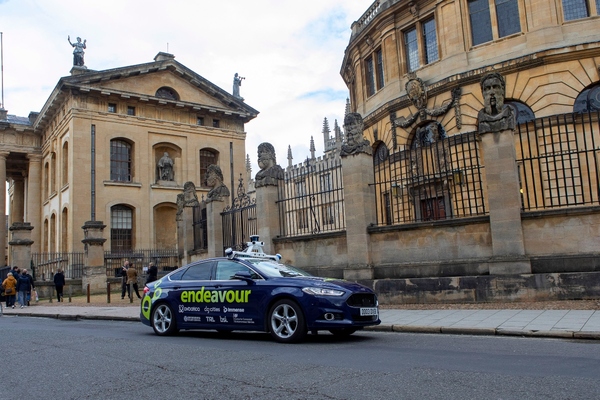
The roadmap from Project Endeavour seeks to provide a pathway to allow removal of the safety driver and test assistant roles from an automated vehicle for on-highway operations in the UK.
Oxbotica and ZF are working on a Level 4 self-driving system that can be integrated into mobility-as-a-service shuttles to provide on-demand passenger and also goods transportation vehicles.
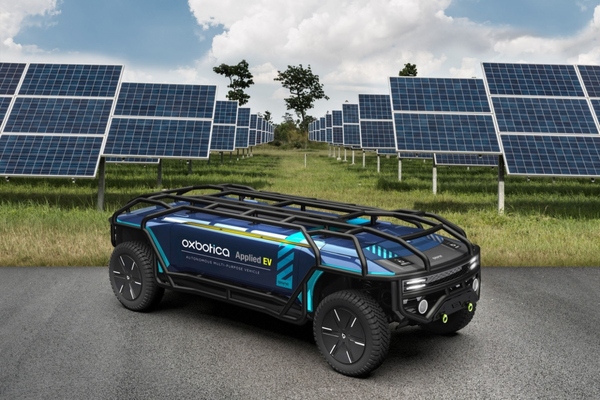
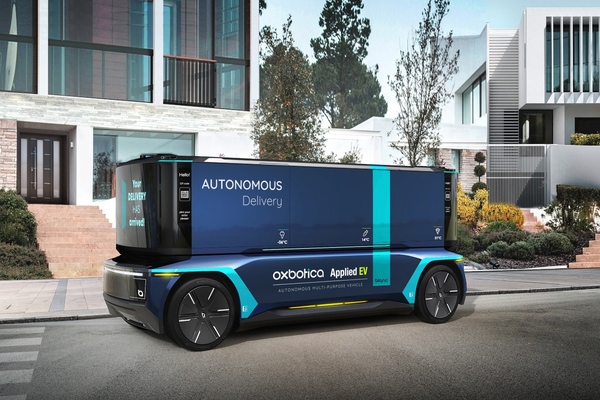
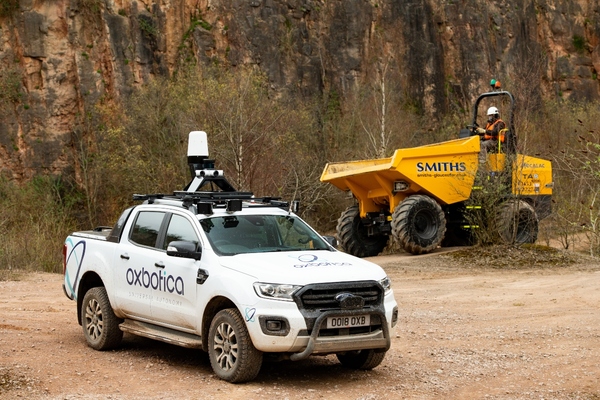
Oxbotica has integrated its autonomous vehicle software with AppliedEV’s programmable and configurable EV platform, which will initially target industrial logistics and goods delivery.
Six vehicles are being deployed in Greenwich as the final phase of Project Endeavour and will host passenger rides for first time to understand public perception of AVs.
Oxbotica’s autonomy software will power a fleet of specially adapted Ford Mondeos to operate across a five-mile area of the city in varied traffic and weather conditions.
The organisations claim the code of practice will help organisations transition to new working practices and harness the potential benefits with no impact on safety.
Oxbotica and Navtech have launched the world’s first all-weather radar localisation solution for industrial autonomous vehicles, providing cm accuracy in any environment.
Ocado Group has commercially partnered with Oxbotica to collaborate on hardware and software interfaces for autonomous vehicles, with use cases including “kerb-to-kitchen” robots.
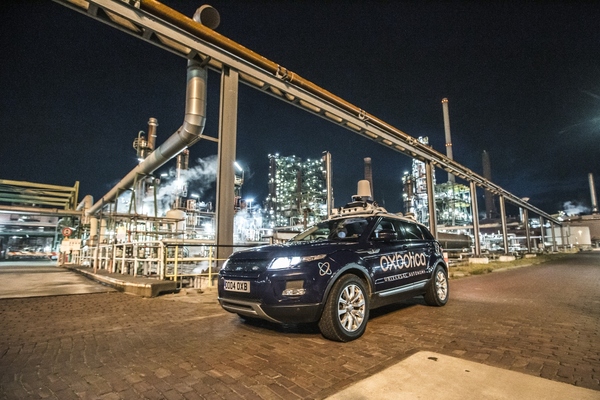
Working in partnership with Oxbotica, BP aims to progress to deploying its first autonomous vehicle for monitoring operations at the Lingen refinery by the end of the year.
Oxford-based Oxbotica will use the funding to accelerate commercial deployment of its autonomy software platform across multiple industries and key markets.
A fleet of six Ford Mondeo vehicles capable of Level 4 autonomous driving will complete a nine-mile round trip from Oxford Parkway station to the UK city’s main train station.
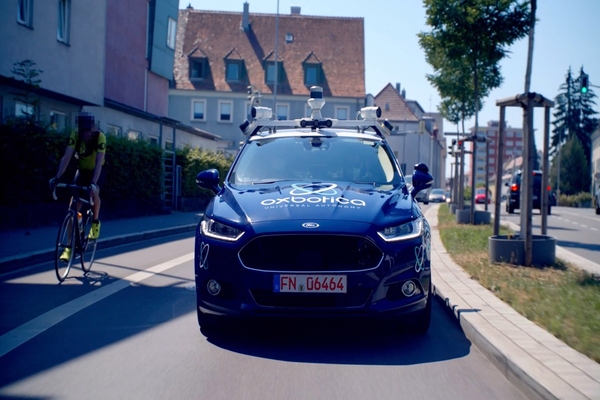
The official trials started last month on public roads near Friedrichshafen, southern Germany, with a fleet of self-driving vehicles navigating a complex urban environment.
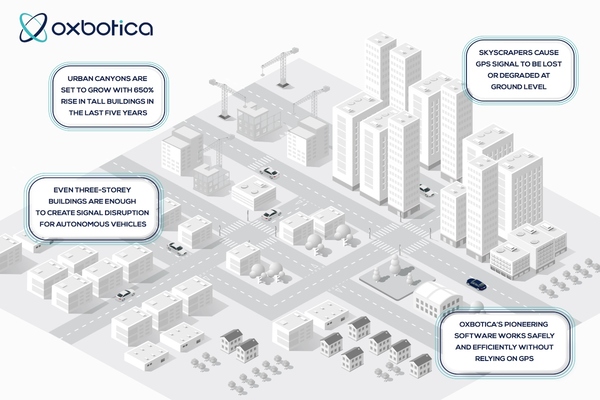
The continued growth of skyscrapers and urban infrastructure means AVs are at risk of signal black-out in cities across the world, warns UK-based AV software specialist, Oxbotica.
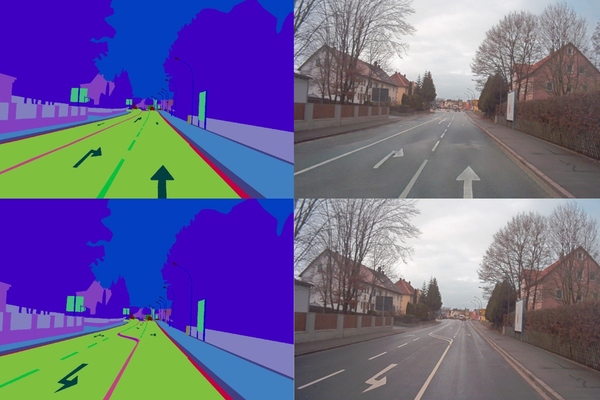
Developed by UK autonomous vehicle software specialist Oxbotica, the technology is capable of generating thousands of photo-realistic images in minutes to help test driverless vehicles safely.
The companies claim OpenRoaming offers the ability to unlock solutions to the large data transfer challenge for fully connected autonomous vehicle fleets.