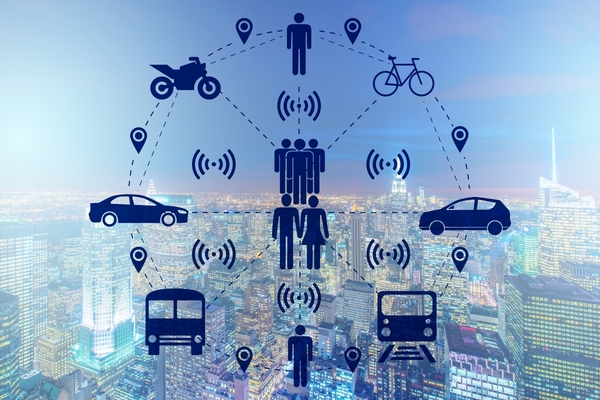
The Internet of Things (IoT) is playing a vital role in the development of smart transportation and logistics. Smart transportation has facilitated huge development in the field of smart cities.
From accelerating electric vehicle infrastructure to promoting active and shared modes of transport, the Cities Climate Action Summit (26-27 June) strives to unlock sustainable mobility solutions for a cleaner, healthier future.
SmartCitiesWorld City Profiles explore the city of Shenzhen, designated as China’s first special economic zone and a role model of urban modernisation. Find out more about Shenzhen’s smart city strategy in this 16-page report.
As the popularity and inevitability of smart cities expand, so too does a cybercriminal’s opportunistic attack surface. Keiron Shepherd, F5 Networks, evaluates the risks.
SmartCitiesWorld City Profiles explore the city of Shenzhen, designated as China’s first special economic zone and a role model of urban modernisation. Find out more about Shenzhen’s smart city strategy in this 16-page report.
The long term-impact of the UK’s decision to leave the European Union and the country’s poor performance in the Covid-19 pandemic, are among the complex set of challenges it faces if London is to remain one of the world’s most influential and enviable cities.
IVA for Trip Management enables paratransit and demand-response riders to check, change, or cancel trips using natural, conversational language without menus.
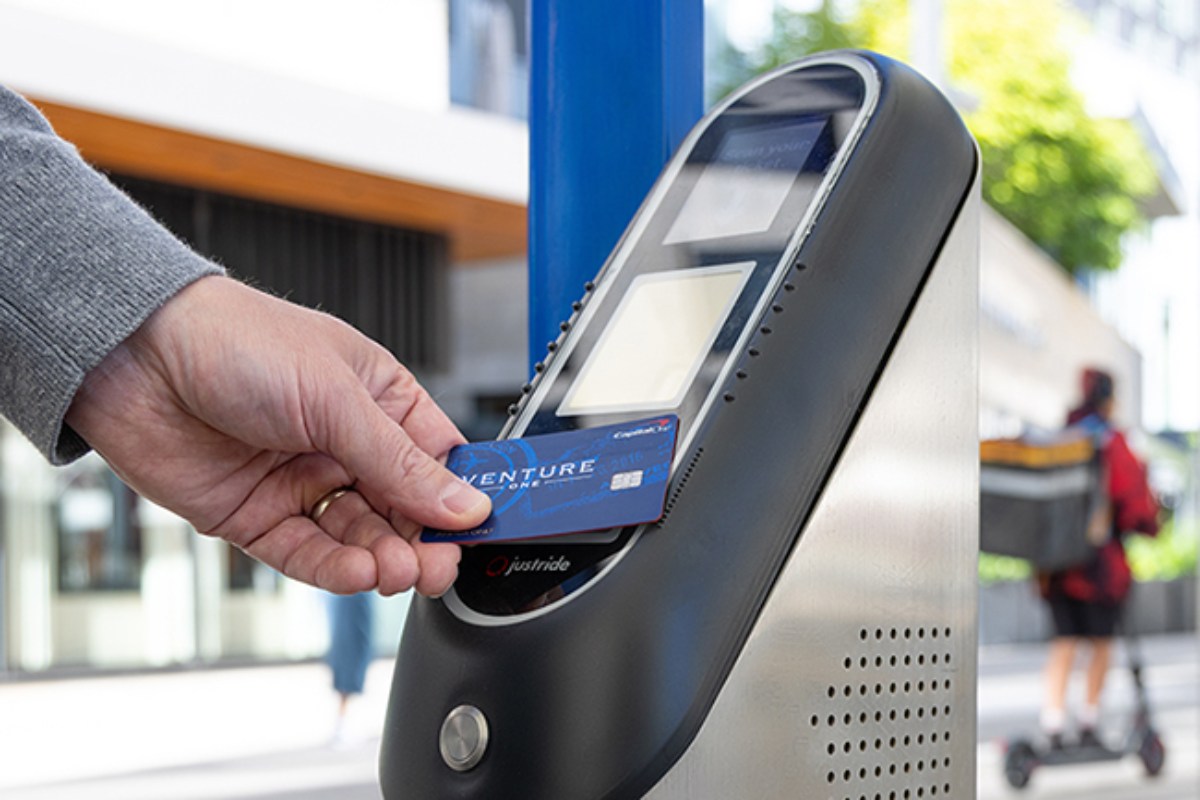
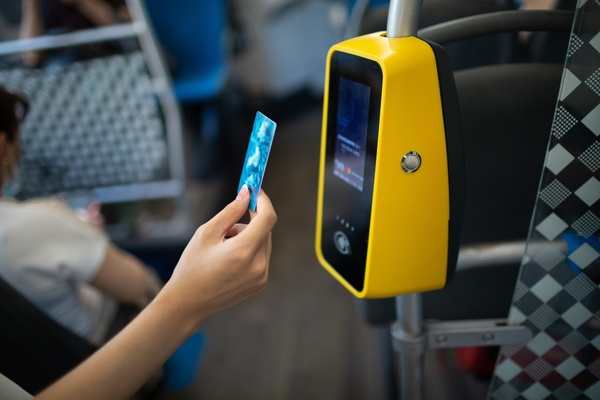
Denver RTD customers can now pay with contactless bank cards or mobile wallets – with fare capping and account linking ensuring everyone pays the best fares.
AT&T and Boldyn have activated the service in Metropolitan Transportation Authority’s G line tunnel segments between Court Square and Bedford-Nostrand Avenue.
It will connect lower district of Bellepierre to the La Montagne plateau in four minutes, providing thousands of residents with an alternative to car travel.
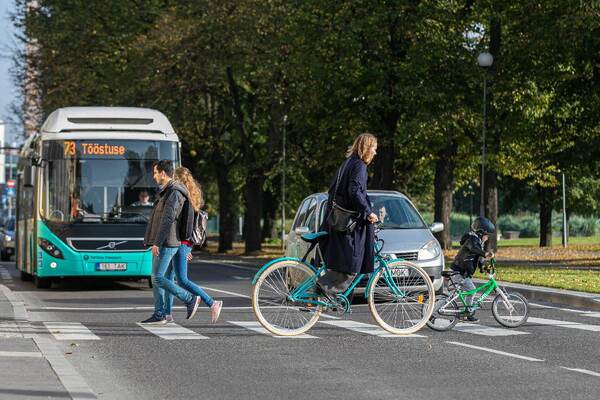
The collaboration is intended to strengthen the research-based development of the capital city’s mobility management and to help shape Tallinn’s mobility.
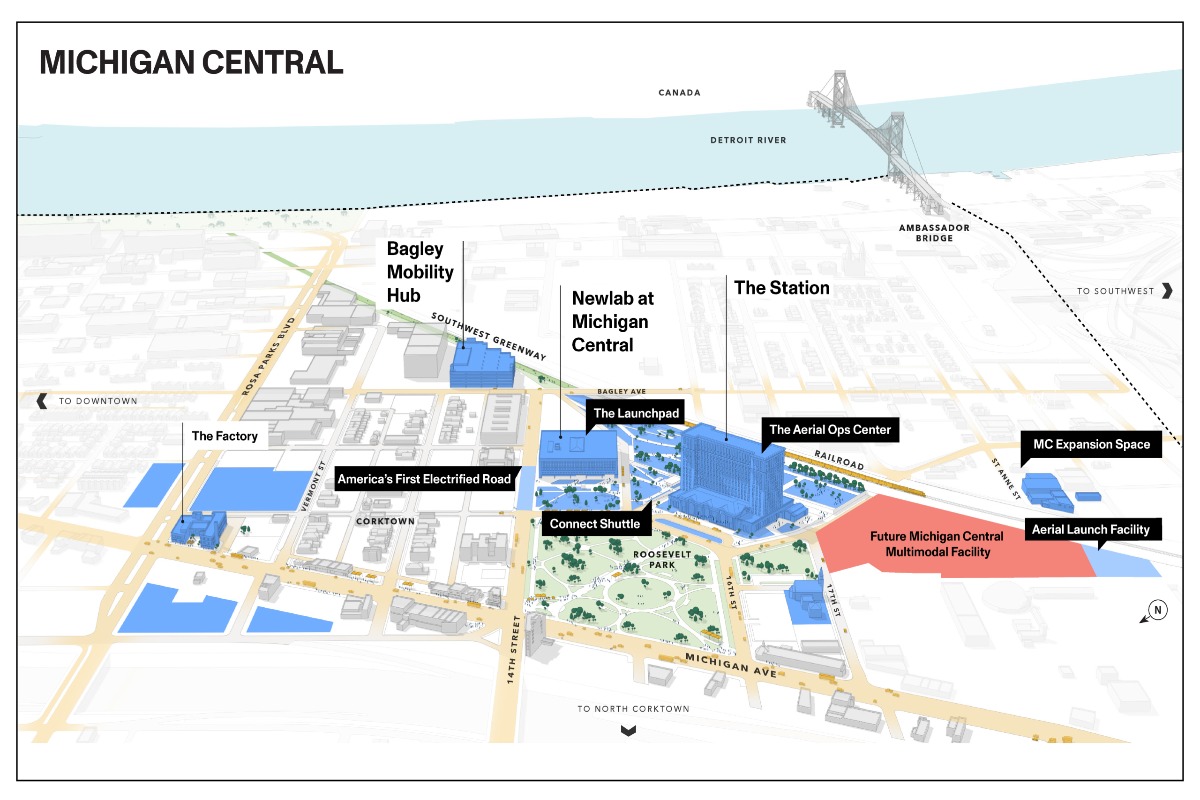
The multimodal hub will be located within the 30-acre Michigan Central Innovation District and feature a new passenger rail and intercity bus transit station.
The new system, branded as Galicia Mobility Platform 4.0, enables passengers in the Spanish region to plan, pay, and travel seamlessly using their mobile phones.
Urban transit app Moovit has joined the Association for Open Data of Public Transportation to provide local commuters with smoother journeys on public transport.
Italian mobility operator Atac is working with Moovit to enable public transport riders to find the best routes and seamlessly purchase and validate tickets.
The new system features the industry’s first commercial 5G radio for the 1900 MHz band, and a core platform designed to boost automation, safety, and cross border connectivity.
Moovit app displays GHG emissions of suggested public transportation journeys making it easier for users to make greener sustainable transportation options.
Fairtiq has been selected to deliver a trial on the Sheffield-Doncaster route launching in the coming weeks under the UK government’s Plan for Rail reform.
KRT, Tank, Cincinnati Metro, Altoona Metro Transit, and CityBus go live with account-based ticketing as EZfare extends to six states, powered by Masabi.
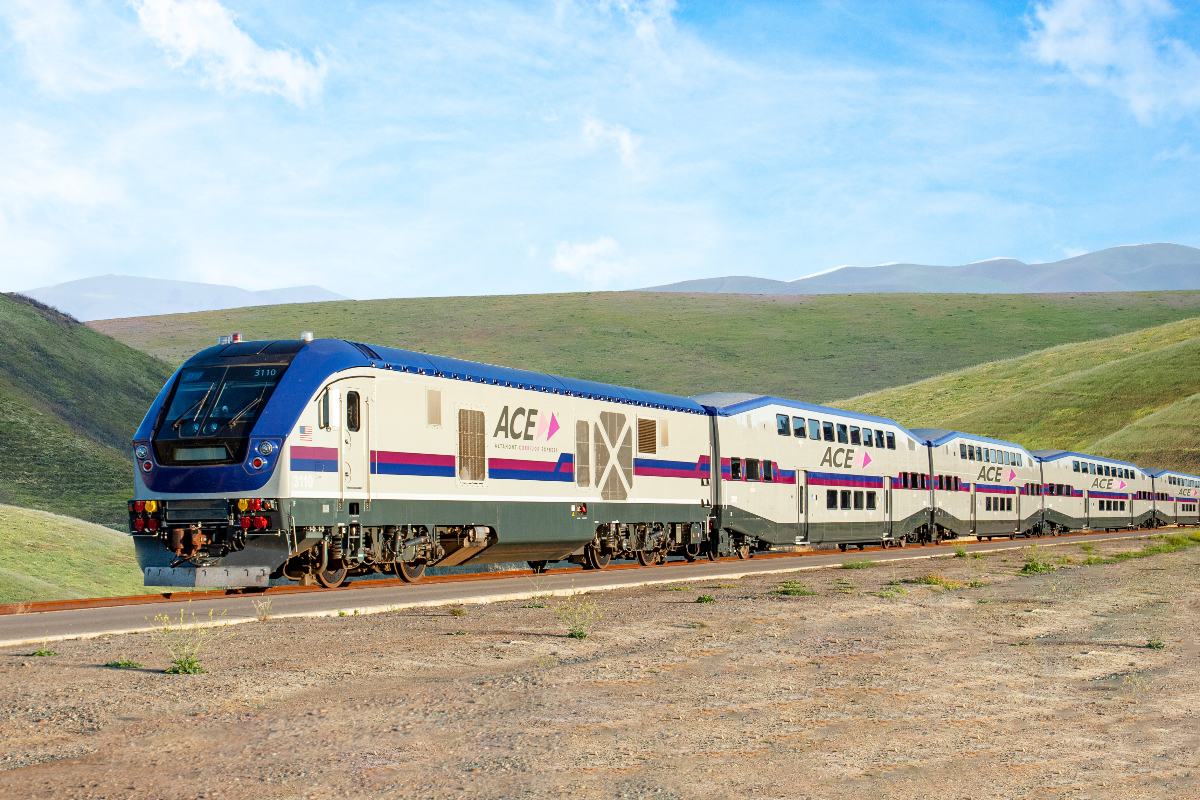
The low-emission Siemens Mobility trains will run on the line between Remscheid-Lennep and Düsseldorf Central Station from summer 2026, operated by Regiobahn.
The fastest growing contactless payment mechanism driving this expansion is near-field communication (NFC) ticketing, projected to grow by 300 per cent.
The Transit Tech Lab public-private initiative invests in companies and programmes that advance the application of new technologies to address urban challenges.
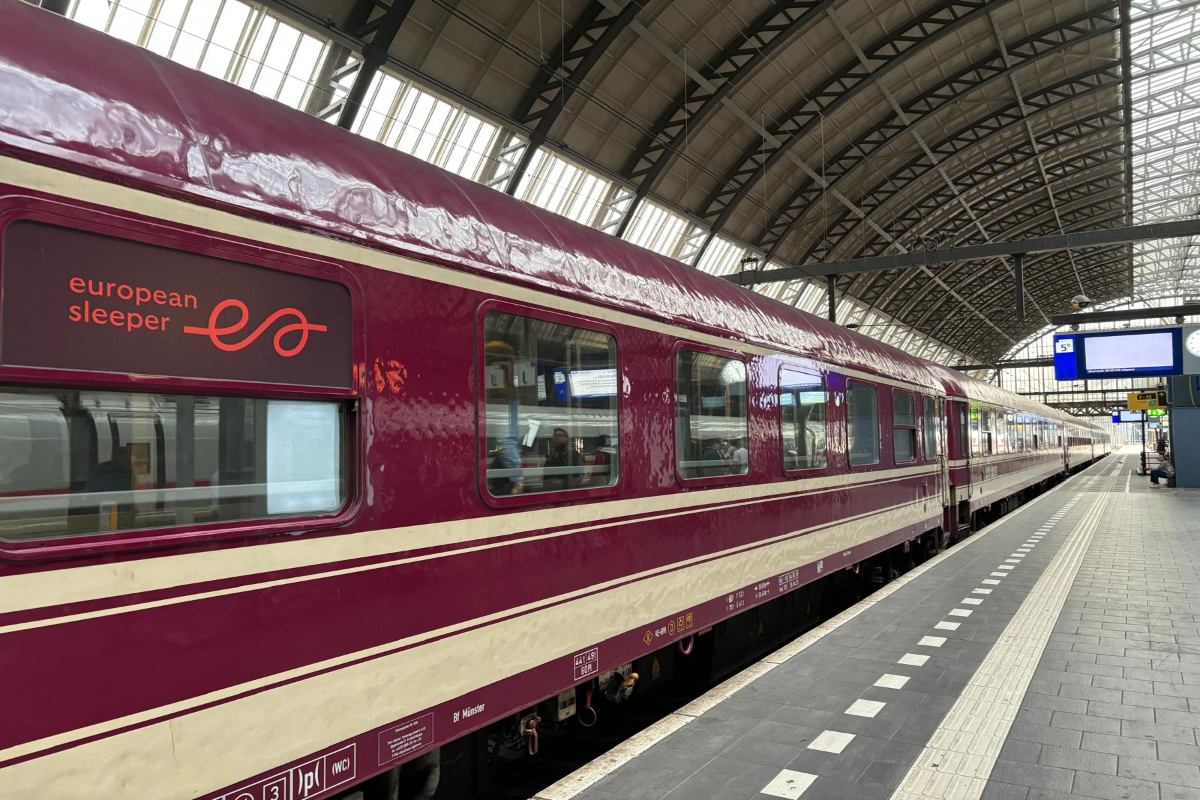
European Sleeper passengers from Brussels, Amsterdam, Berlin, and Prague, can seamlessly plan and pay for their direct night train journeys within Moovit’s app.
Priorities include reducing the volume of traffic going through the city and improving how people move around the city, with more options for sustainable travel.
New project focuses on first-mile/last-mile connections with public transit and will see e-bikes located at bus hubs and Commuter Rail stops in the region.
The Kingdom is working with Idemia Public Security and the TCC to enhance the security and efficiency of travel, transportation, and smart city infrastructure.
The plan is designed to create a balanced, equitable and sustainable mobility system, focusing on areas with the greatest needs for transportation improvements.
NeoRide is collaborating with industry partners Masabi and Velocia to introduce a passenger rewards programme to the US’ largest regional ticketing system.
South Central Extension/Downtown Hub was selected as a priority corridor after a comprehensive analysis and addresses the city’s critical transportation needs.
Connecting east and west of Taichung, it will integrate with the city’s existing Green Line and enhance the capacity of Taichung’s public transport network.
Sacramento Regional Transit District is implementing the Tap2Ride contactless open-loop payment system system initially on buses and SacRT GO paratransit.
The app from Moovit provides riders with shared mobility options with multimodal journey planning, real-time updates, and seamless trip planning and payment.
Cities will work with Sustainable Urban Transitions Lab to conduct studies of modern travel trends and enhance investments in public transport and mobility hubs.
Connected Places Catapult has selected three transport tech innovators for further funding in its programme focused on using AI to improve passenger experience.
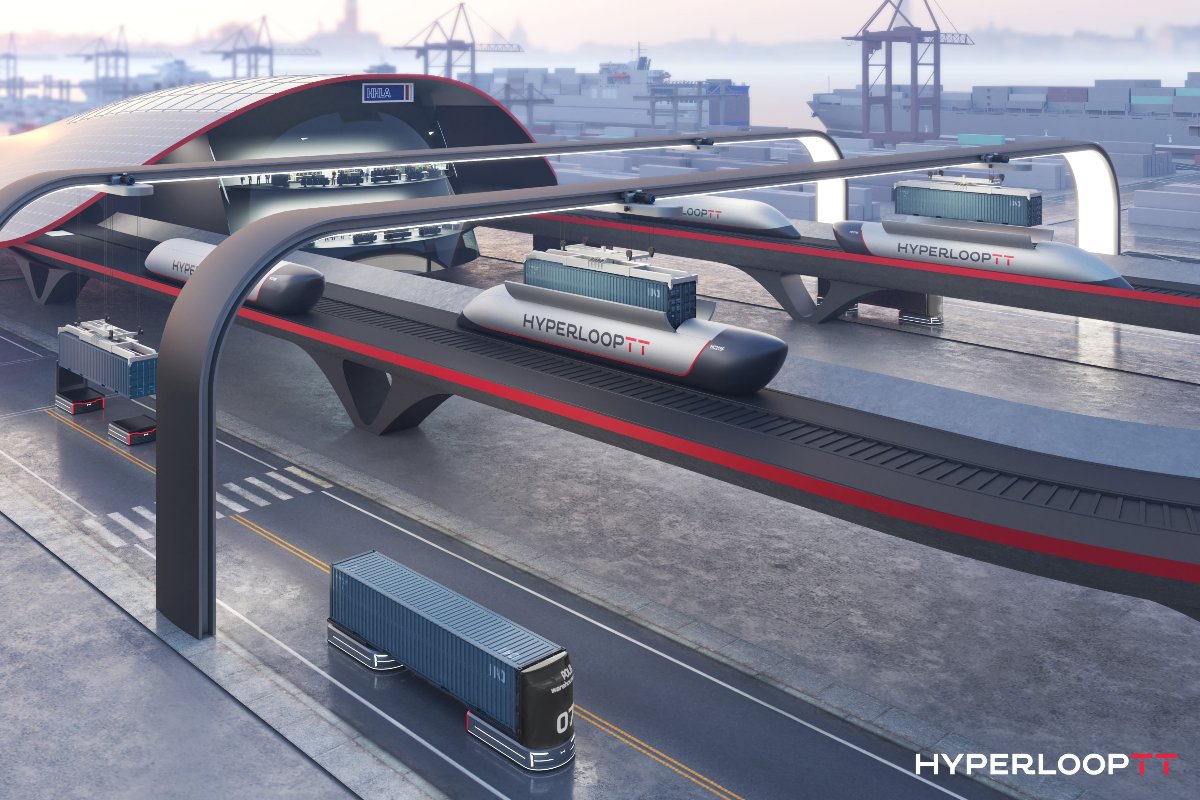
Working with EGA Group and the Federal University of Santa Catarina, HyperloopTT’s study highlights capacity, sustainability and economic benefits of a HyperPort system.
This is the key finding in the EIT Urban Mobility Better Mobility Trend report, based on insights from over 300 startups and 100 industry and academic experts across Europe.
Octopus Energy and gs8 have announced the UK’s largest Zero Bills housing development, a scheme of 113 new homes in Essex, for which construction is underway.
Cubic’s multi-million-pound investment aims to address transportation’s most critical challenges in collaboration with experts from Imperial College London.
Clean energy tax credits secure millions in cost-savings for communities through elective pay, build American energy independence, and help reduce pollution.
Artificial intelligence-assisted video analytics and automated ticketing solution to be deployed for the third largest public transit system in North America.
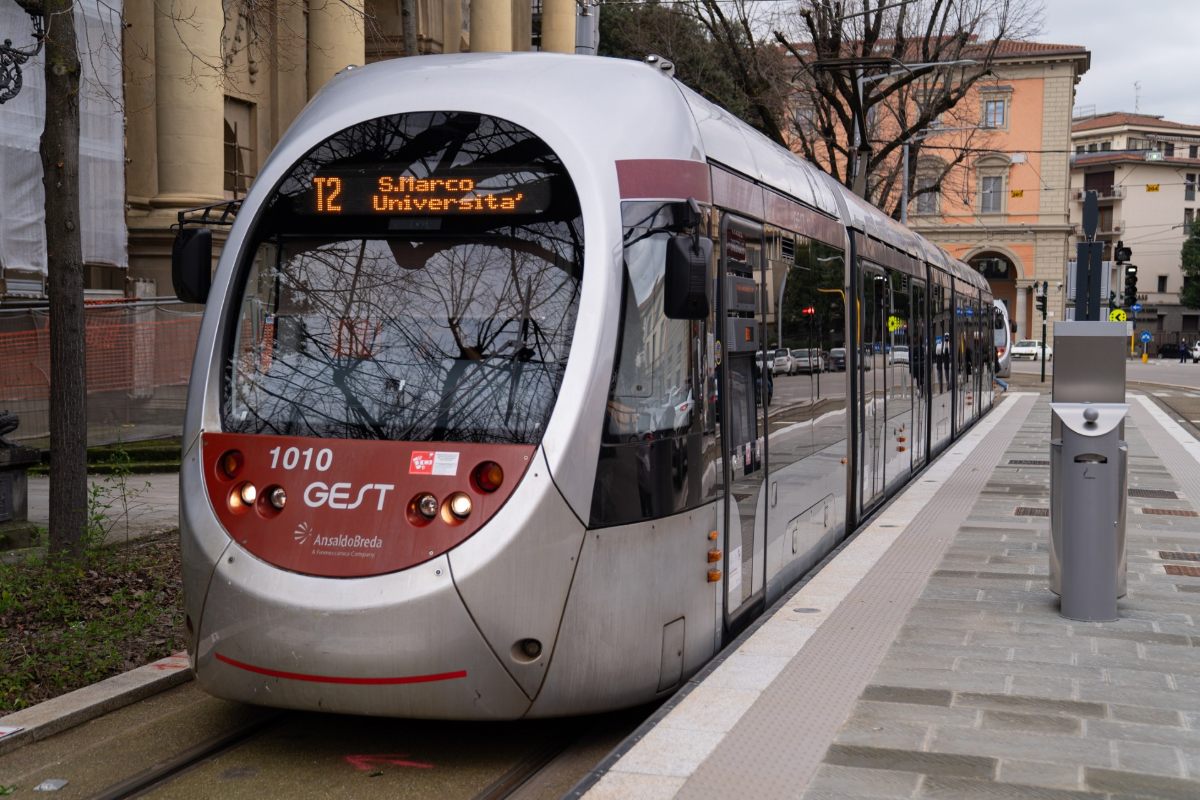
Tramway operator Gest has begun operations of the new extension of its T2 tramway line, connecting Peretola Airport to San Marco Square in the Italian city.
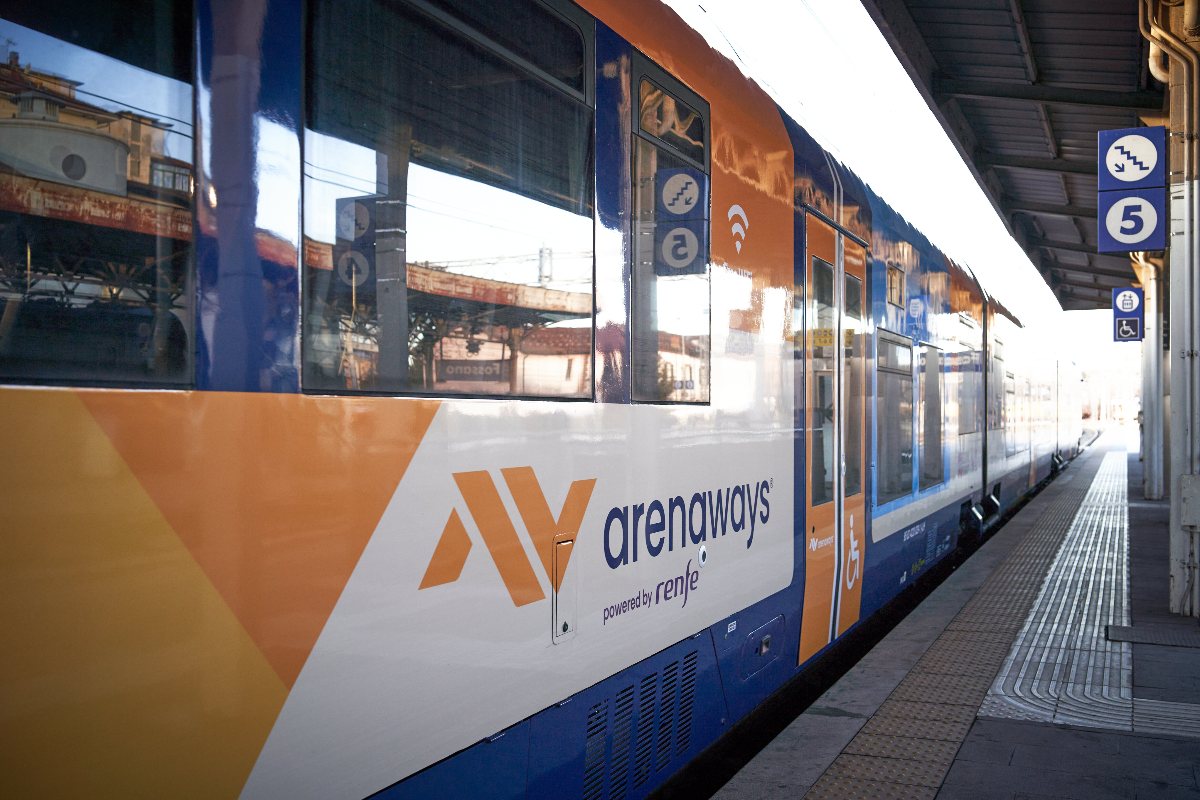
Fairtiq partners with transport operator Arenaways to launch the mobile solution on the formerly suspended line connecting Cuneo and Savigliano via Saluzzo.
It is working with Massachusetts Bay Transportation Authority to expand transit signal priority city-wide after a successful test along Brighton Avenue.
The Orange Line connects eastern and western Bangkok, enhancing connectivity across the city, reducing travel times and alleviating traffic congestion.
With ABT, riders no longer need to purchase a ticket or select a fare in advance but rather board, tap their mobile device on an onboard validator and ride.
Moovit big data insights from 50 cities across 17 countries reveals trends in commute times, wait times, transfers, payment, and transit improvement factors.
Actelis’ hybrid-fibre networking technology will power essential traffic management applications, including signals, cameras, and congestion monitoring systems.
Aiming to transform urban mobility, it advances Saudi Arabia’s Vision 2030 and contributes to improving air quality, alleviating congestion and reducing emissions.
The new, locally led and people-first transport strategy aims to join up transport networks as well as empower local leaders and drive economic growth.
Transition Element Framework is an open-source tool for cities and nations to create actionable, measurable climate plans and KPIs that align with global standards.
The Routing Company is integrating real-time data and delivering Google Maps functionality, while giving transit agencies control of on-demand dispatch.
The Cost and Benefit of the Urban Mobility Transition study by EIT Urban Mobility provides a roadmap for policymakers, city planners, and stakeholders.
Report from the Transit Tech Lab public-private initiative details how 18 tech companies partnered with New York-area transit agencies to test their technology.
Collaboration with NVIDIA means Hitachi Rail’s digital solutions will be powered by an enterprise-ready edge AI platform, providing AI computing on every asset.
Public transport users aged 18 and above in Denmark can now easily travel on trains, buses, trams, and the metro with just one swipe on their smartphones.