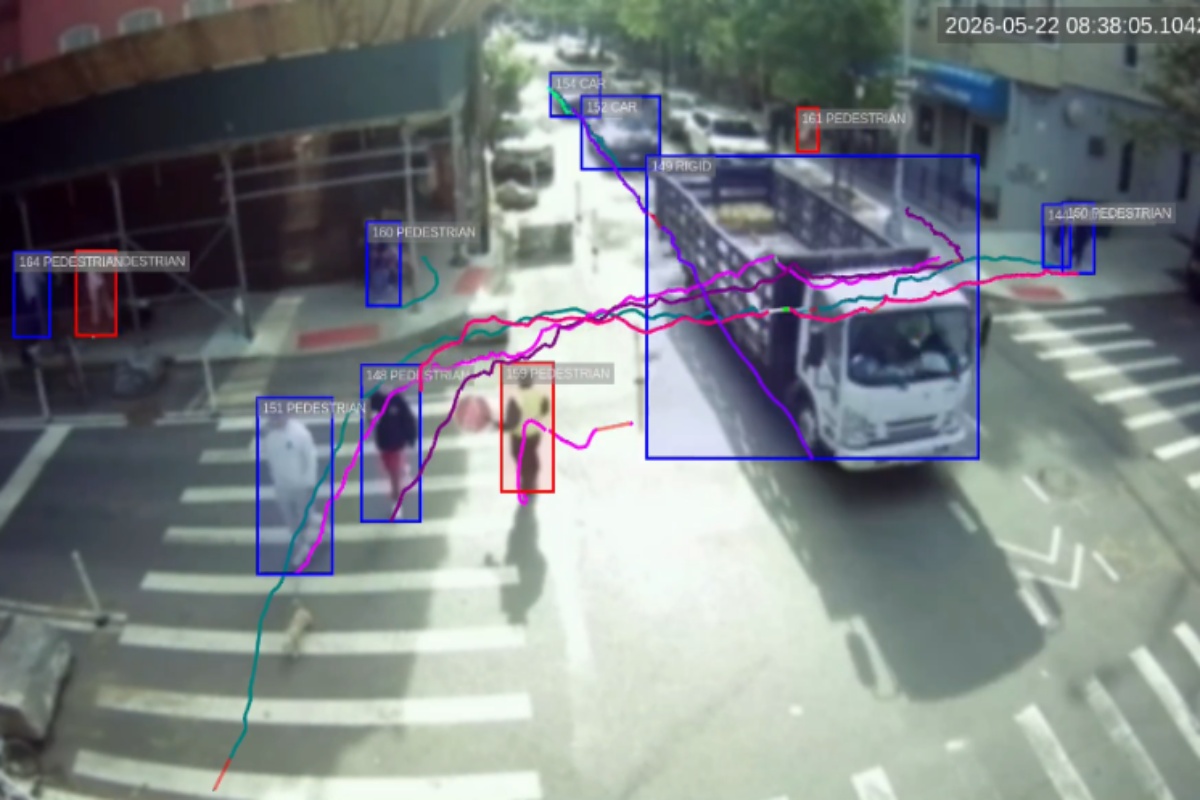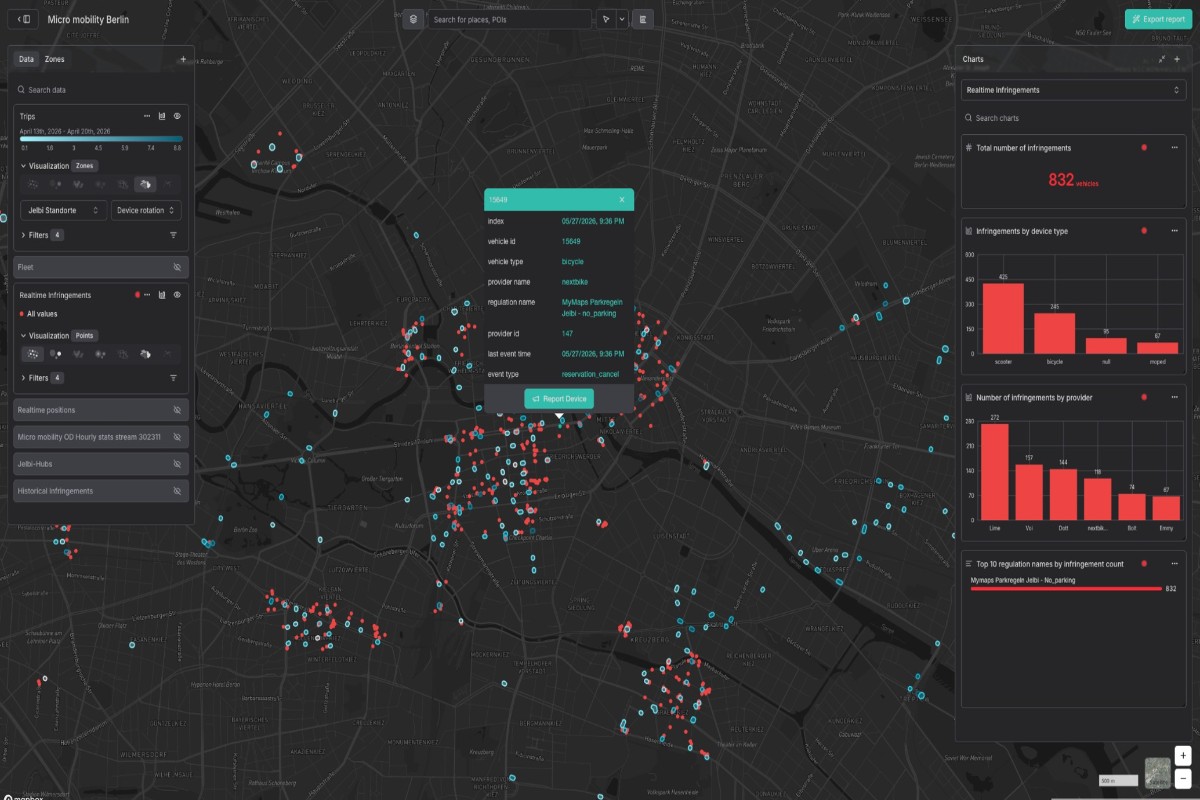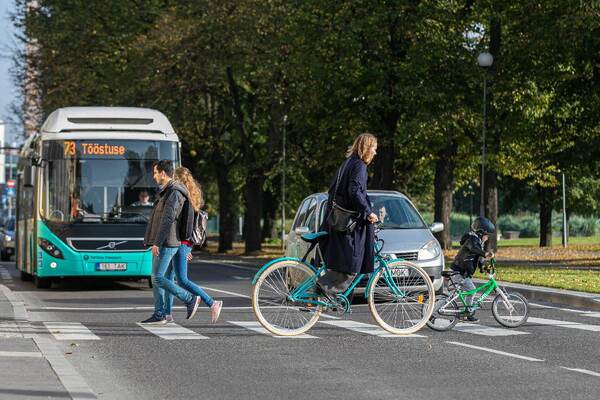



The collaboration is intended to strengthen the research-based development of the capital city’s mobility management and to help shape Tallinn’s mobility.

Estonian capital Tallinn has teamed with local with higher education institutions to find the best ways to use urban mobility data in teaching and research.
The collaboration is intended to strengthen the research-based development of the capital’s mobility management and to help shape Tallinn’s mobility so that residents’ daily movement can be smoother, safer and better organised in the future.
“We are taking the first step to make Tallinn’s mobility model public. This will give both researchers and the private sector the opportunity to find data-based ways to further improve Tallinn’s traffic and public transport,” said Kristjan Järvan, deputy mayor of Tallinn.
The initial consultation will take place with Tallinn University of Applied Sciences to find the best way to use the city’s mobility data in teaching and research. Tallin’s Transport Board sees great potential to involve the expertise and analytical capabilities of universities to improve intra-city movement and transport models.
“Collaboration with universities gives us additional analytical depth and helps us better understand how people move around the city and what they need”
“We want Tallinn’s mobility solutions to be based on the most accurate and up-to-date data possible,” said Indrek Gailan, head of the Tallinn Transport Board.
“Collaboration with universities gives us additional analytical depth and helps us better understand how people move around the city and what they need. This is how decisions are made that make movement in the city more convenient and safer.”
According to the partners, the cooperation benefits everyone: the universities’ research and analysis help shape more accurate and future-oriented mobility decisions that make everyday movement in Tallinn more convenient and safer.
The city will get better data-based tools for decision-making, students will get a practical learning environment, and Tallinn residents will get a research-based and better-functioning urban space. In the long term, the city reckons this will help shape a new generation of mobility experts and strengthen its position as a developer of innovative and sustainable urban mobility.
“Our goal is to prepare competent specialists for the labour market, and if students can solve real problems during their studies, then what could be better,” said Sven Kreek, head of the transport and mobility management curriculum at Tallinn University of Applied Sciences. “We have expanded this practice year after year, students use real-world data and offer solutions that the city can actually implement.”
Why not try these links to see what our SmartCitiesWorld AI can tell you.
(Please note this is an experimental service)
How can urban mobility data improve traffic management in Tallinn?What role do universities play in enhancing Tallinn’s transport models?How does data-driven research contribute to safer city movement?In what ways can students’ real-world projects impact city mobility?How will public access to Tallinn’s mobility model benefit stakeholders?