















BUILD YOUR OWN
RESOURCE LIBRARY



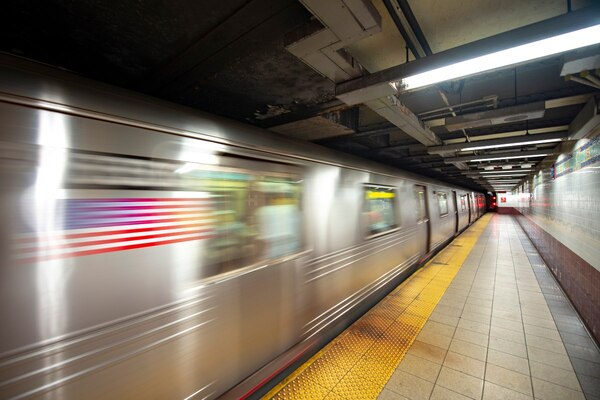
How transit tech is addressing NYC transportation challenges
Report from the Transit Tech Lab public-private initiative details how 18 tech companies partnered with New York-area transit agencies to test their technology.


New York’s Transit Tech Lab, a public-private initiative created by the city’s Metropolitan Transportation Authority (MTA), has released a report detailing results from its 2024 programme.
Over the course of eight weeks, beginning in May 2024, 18 startups worked closely with New York-area transit agencies to test their new technology solutions for building a more adaptive transit system, improving customer experience, and maximising the utility of kerb areas on New York City streets.
Proof-of-concept period
The resilience, customer experience, and kerb activity challenges were announced in January and, MTA reports, generated 150 applications from around the world. In May, 18 companies deployed their technologies over an eight-week proof-of-concept period in partnership with one or more of the participating agencies.
This was the first year in which the Lab ran three concurrent challenges. The kerb activity challenge, run in partnership with the NYC DOT, specifically aimed to source, test, and evaluate solutions to the problems outlined in the Kerb Management Action plan.
Results highlight how these new technologies can help New York’s regional transit agencies be more efficient, responsive, and adaptive to 21st century challenges:
Resilience Challenge – How can we build a more resilient and adaptive transit system?
Finalists include Advanced Rail and Transit Solutions, AlphaRoute, Cascara Energy, FLX Solutions, Intelligent Security Systems, Irmos Technologies QEA, and Voltpost.
The companies worked with agency partners to:
- Conduct a pre-feasibility study to demonstrate how an innovative cooling solution could repurpose $171,000 of excess heat annually at the Brooklyn Third Avenue Subway Station
- Install 16 environmental sensors in 12 MTA facilities to protect workers and critical infrastructure via alerts about extreme heating and flooding
- Proactively inform maintenance needs by installing vibration sensors on three bridges and conducting drone-based thermal energy audits on two administrative buildings
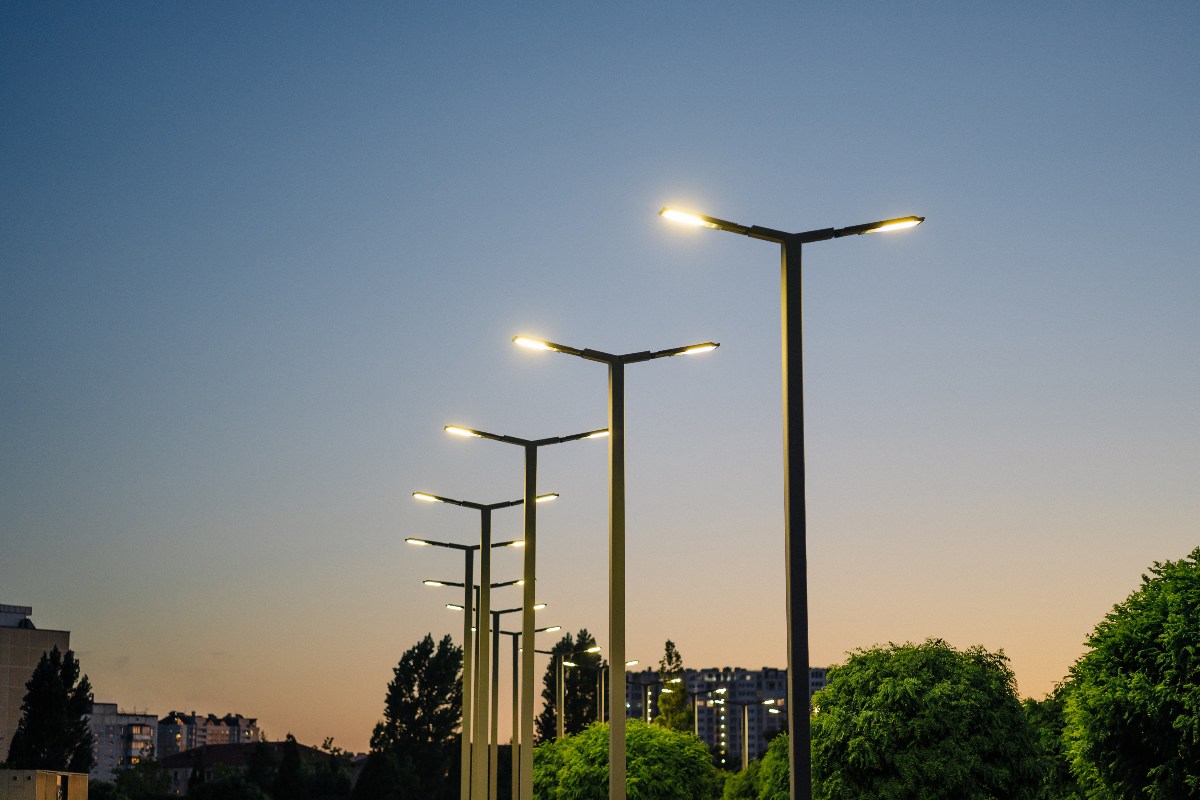
- Identify 10 MTA and NJT locations where lampposts could be retrofitted with EV charging capabilities in a cost-efficient way.
Read More
Customer Experience Challenge – How can we improve customer experience by better communicating service changes, reducing delays, and augment safety and cleanliness initiatives?
Finalists include BusPas, CloudMonitoring/Rems Plus, Convo Communications, GoodMaps, Urban Solar, and Velocia.
The companies worked with agency partners to:
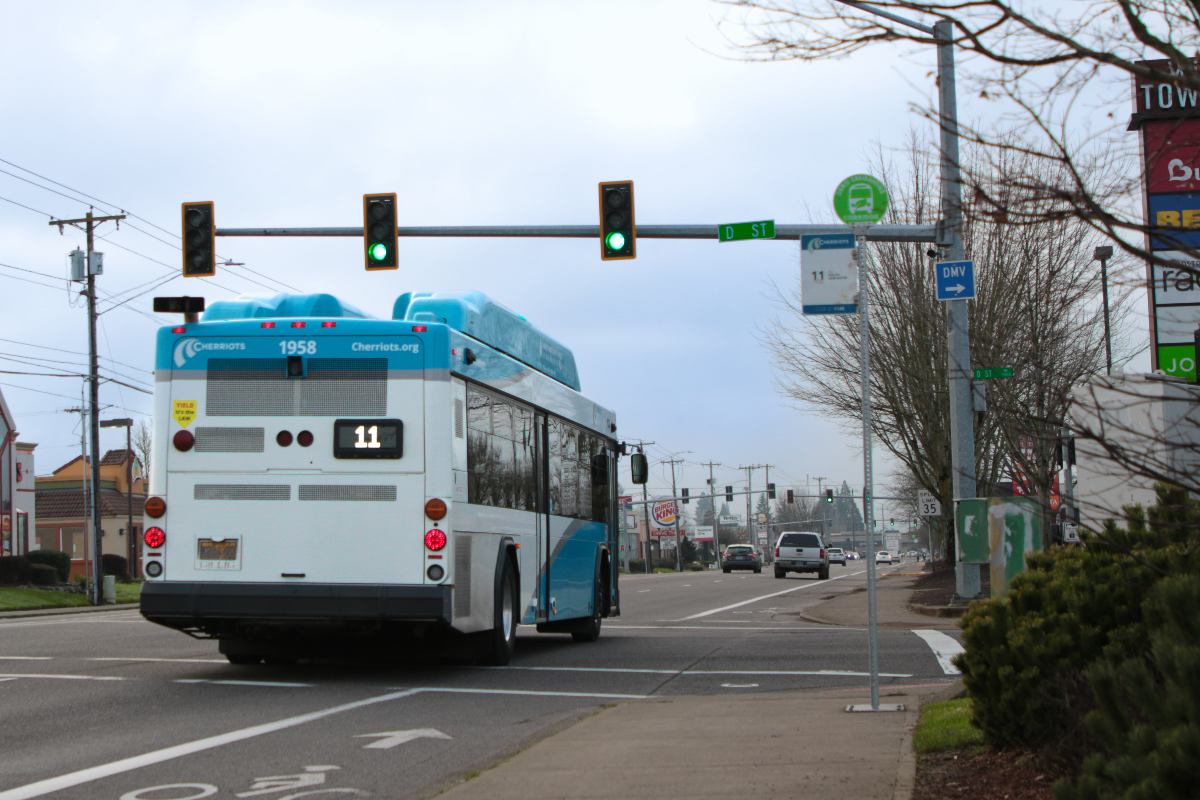
- Demonstrate how real-time passenger information can improve customer experience and lessen perceived wait times at three NJ Transit and NYC DOT bus stops
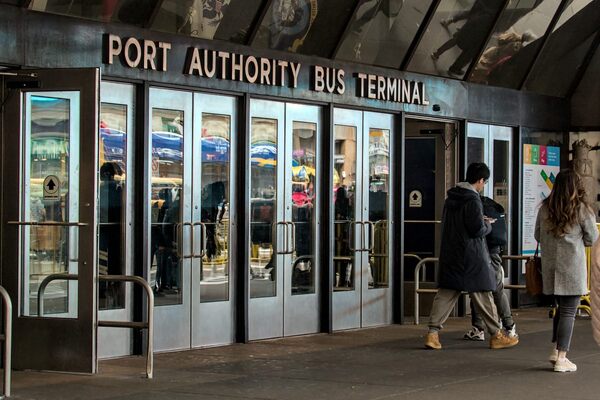
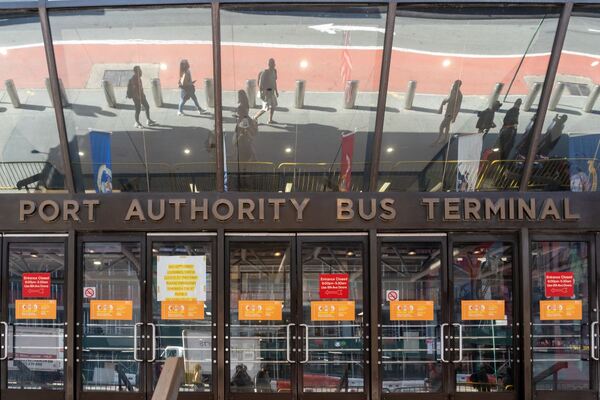
- Launch an American Sign Language (ASL)-translation service for deaf customers at four MTA and Port Authority facilities to improve accessibility of subway and bus stations
- Test a rewards platform with the MTA and the Port Authority to incentivise engagement and to encourage positive behaviour changes with hard-to-reach customer segments
- Prepare an augmented reality (AR)-enhanced indoor navigation experience to help customers navigate transfers at the Port Authority and NJ Transit’s Hoboken Terminal.
NYC DOT’s Kerb Activity Challenge – How can we maximise the city’s kerb space to serve the multiple and varied needs of New Yorkers?
Finalists include AIWaysion, Appyway, Populus, and Sevond. The companies worked with the NYC DOT to:
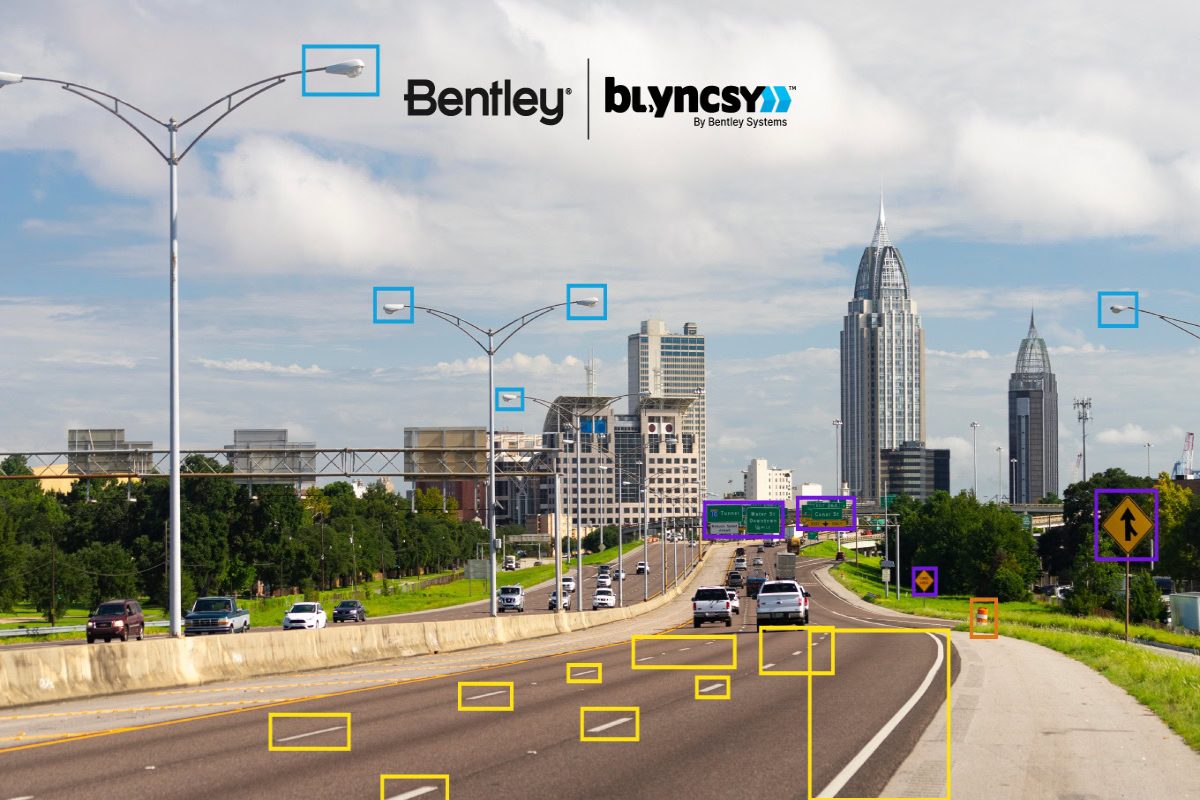
- Evaluate lidar and edge AI sensors as potential solutions to help automate the collection of kerb data
- Perform an assessment of existing data management systems to identify how a kerb management software solution could augment and digitise existing kerb data inventories.
“Through the Transit Tech Lab, we’ve been able to identify promising solutions that could help NYC DOT better manage our kerb space and provide reliable, real-time bus arrival information at bus stops”
“We established the Transit Tech Lab, as well as our other lab programmes, to ensure that government has access to transformative technologies,” said Maria Gotsch, president and CEO, Partnership Fund for New York City.
“We believe the 18 technologies demonstrated during this year’s proof-of-concept period provided valuable insights for our transit partner on how technology can enhance their operations and in doing so hold immense potential to improve our city.”
“NYC DOT is always looking to take advantage of new technologies to make our streets safer and more efficient. Through the Transit Tech Lab, we’ve been able to identify promising solutions that could help NYC DOT better manage our kerb space and provide reliable, real-time bus arrival information at bus stops,” said Ydanis Rodriguez, commissioner, New York City Department of Transportation.
“We look forward to exploring the use of these technologies further and thank the Transit Tech Lab for helping lay the foundation for a more resilient, adaptive, and accessible city.”
The partner agencies, which included the MTA, the Port Authority of New York and New Jersey, NJ Transit, and the NYC Department of Transportation (NYC DOT), rated the Transit Tech Lab with a Net Promoter score of 9.0, citing the expanded access to tech expertise and creative solutions as a major benefit.
Why not try these links to see what our SmartCitiesWorld AI can tell you.
(Please note this is an experimental service)
How can environmental sensors improve safety in transit facilities?What technologies enhance real-time passenger information at bus stops?How might kerb management software optimize NYC street space usage?In what ways can augmented reality assist navigation in transit hubs?How can retrofitting lampposts with EV chargers benefit transit agencies?Latest City Profile
SmartCitiesWorld Newsletters (Daily/Weekly)
You may also like these related articles...
BECOME A MEMBER
© 2026 SmartCitiesWorld
Smart Cities World Ltd, 27 Clements Lane, London, EC4N 7AE