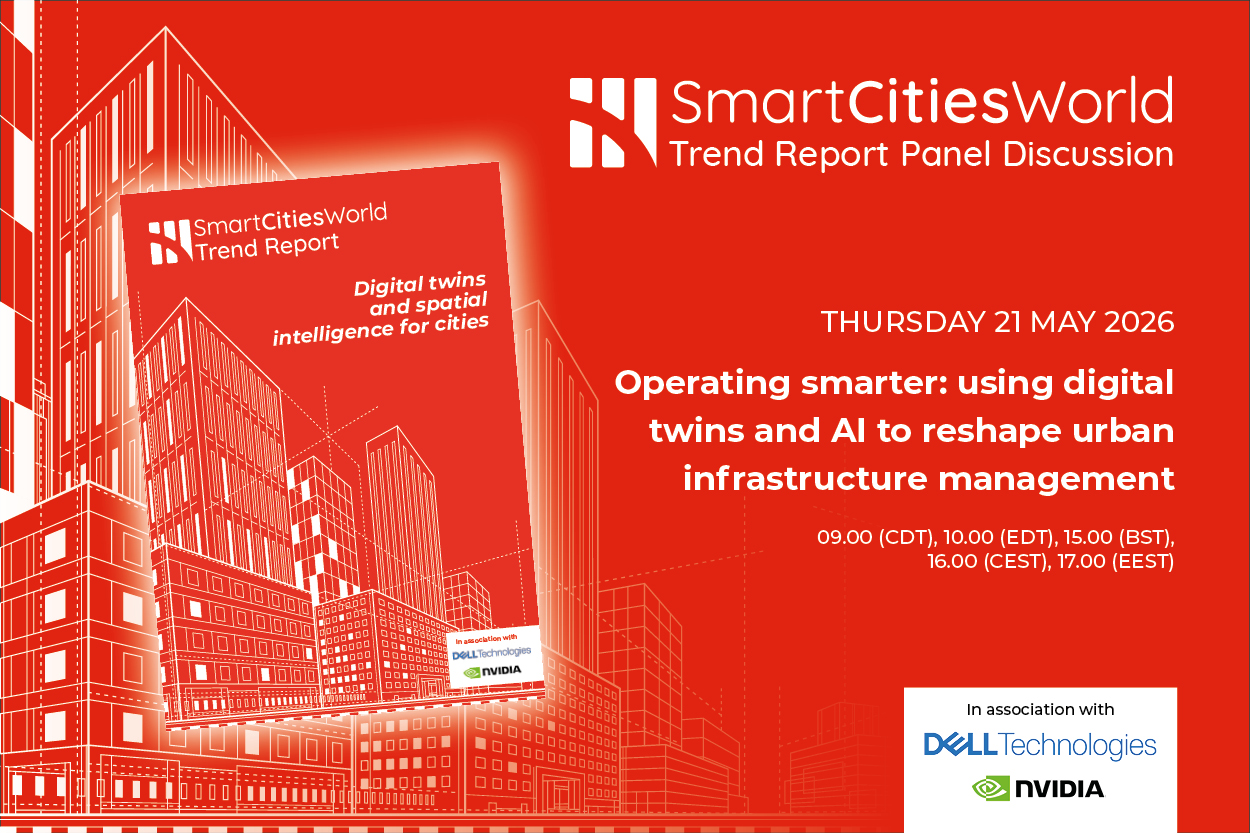















Discover how AI-powered digital twins are transforming urban infrastructure and how these innovations can improve efficiency, resilience, and sustainability.
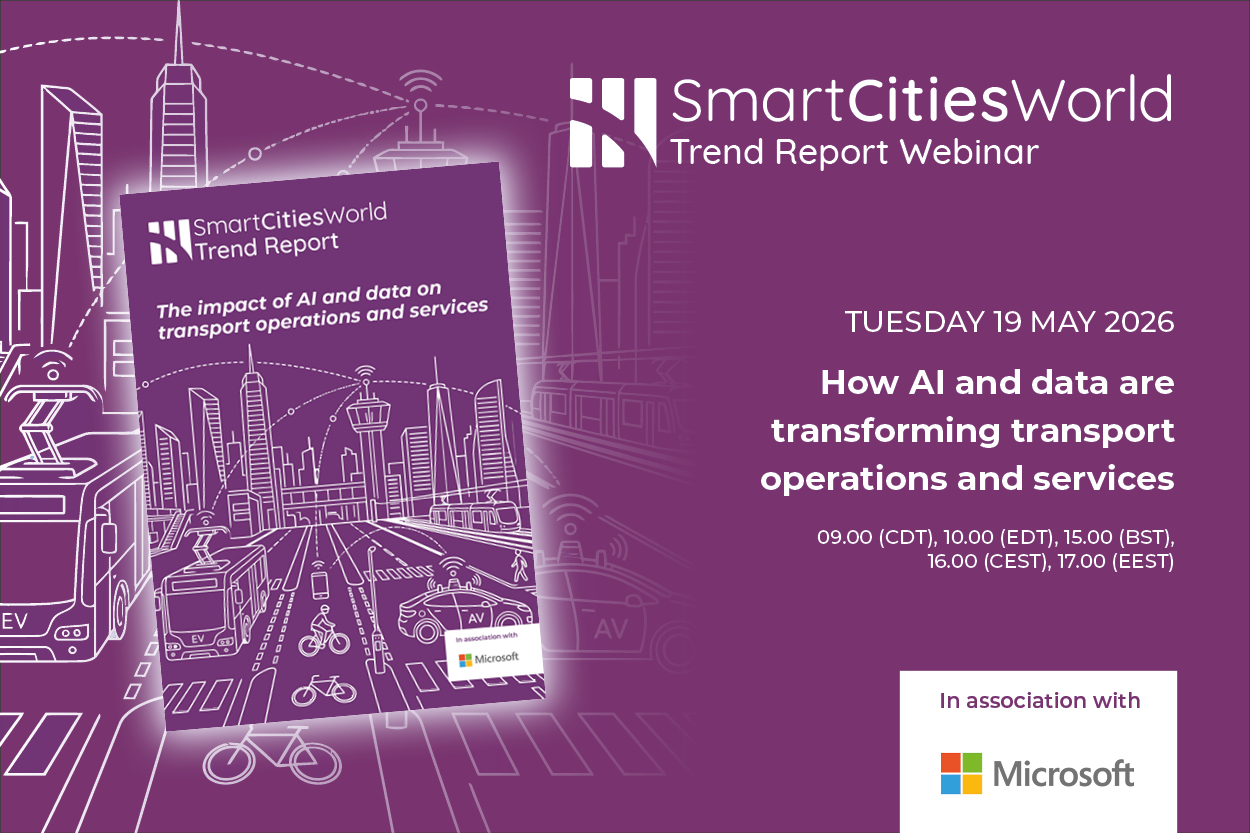
Explore how data and AI is being used in urban transport networks to support planning, day-to-day operations, and improve outcomes for communities and passengers.
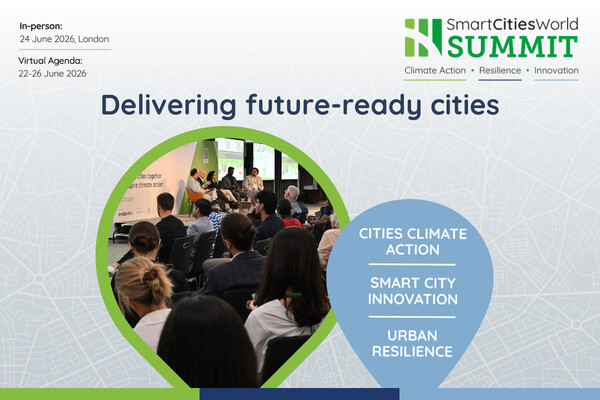
As cities confront the combined pressures of climate change, infrastructure resilience and digital transformation, the SmartCitiesWorld Summit 2026 will bring together urban leaders and partners during London Climate Action Week to explore how these agendas intersect – and how cities can translate strategy into practical action.
Find out how Sunderland is repositioning itself as a leading smart city – using digital infrastructure and low-carbon innovation to build a resilient, future-focused economy in the latest SmartCitiesWorld City Profile.
Find out how Dublin is innovating to improve experiences and services for its communities in the latest SmartCitiesWorld City Profile, including digital twin projects, traffic reduction, and economic growth.
Tune into the SmartCitiesWorld podcast to understand the world of sovereign AI for cities, featuring PNY Technologies’ Youssef Nadiri as our expert guest.
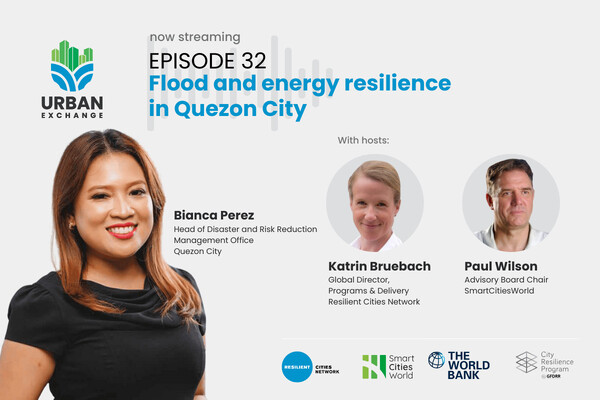
Tune in for the latest Urban Exchange where we get a first-hand account of city resilience measures from Quezon City following unexpected extreme rainfall.
How smart sensor networks can help improve indoor safety by detecting risks early, improving situational awareness and supporting healthier, more secure and sustainable buildings.
Gareth Tang, President of Urban Solutions at ST Engineering, explains how urban AI applications are set to evolve, detailing projects where AI is already making significant impact.
Deal will put Rubicon’s smart city software at the heart of Phoenix’s Public Works Department, providing waste and recycling collection to some 418,000 locations.
City and County of Denver’s entire fleet of more than 150 solid waste and recycling vehicles will make use of the technology to enhance residential services.
The company is helping the cities transition from manual processes to digital operations and balance waste and recycling routes to provide an equitable service.
Texan city will use Rubicon’s smart city technology to help improve residential waste and recycling services and increase efficiency of municipal fleet operations.
Rubicon Technologies’ acquisition of software and solutions company Civix will expand the smart waste company’s routing capabilities and help drive its growth into additional international markets.
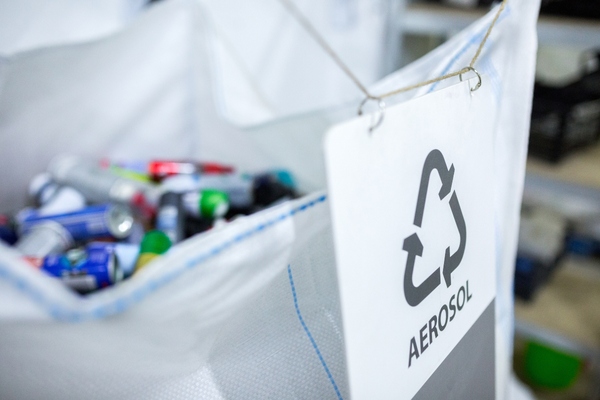
The RubiconMarketplace service aims to help cities channel items like aerosol cans, plastic bags, light bulbs, PPE and batteries away from landfills and into recycling streams.
Smart waste solution specialist Rubicon has announced an agreement to bring XL Fleet’s electrification offerings to its network of waste and recycling hauler partners.
The recycling boxes can be filled with discarded sweet wrappers and other packaging and returned once full to be disposed of in a way that avoids landfilling.
Michael Nutter is expanding his role with the smart waste and recycling company after partnering with RubiconSmartCity in his capacity as an advisory board member for two years.
Rubicon’s report, Toward a Future Without Waste, presents a roadmap for cities and governments on how to implement technology-based solutions to build a more sustainable future.
Applying smart technology to waste and recycling fleets provides a win for citizens, governments and the environment, and helps build equitable communities, says Rubicon’s Michael Allegretti.
The city in Alabama has awarded the contract after piloting the Rubicon SmartCity platform for six months last year, which enabled the solid waste department to work smarter.
The lab is being formalised through the creation of the Montgomery Smart Community Alliance, a public-private partnership focused on smart city initiaitives