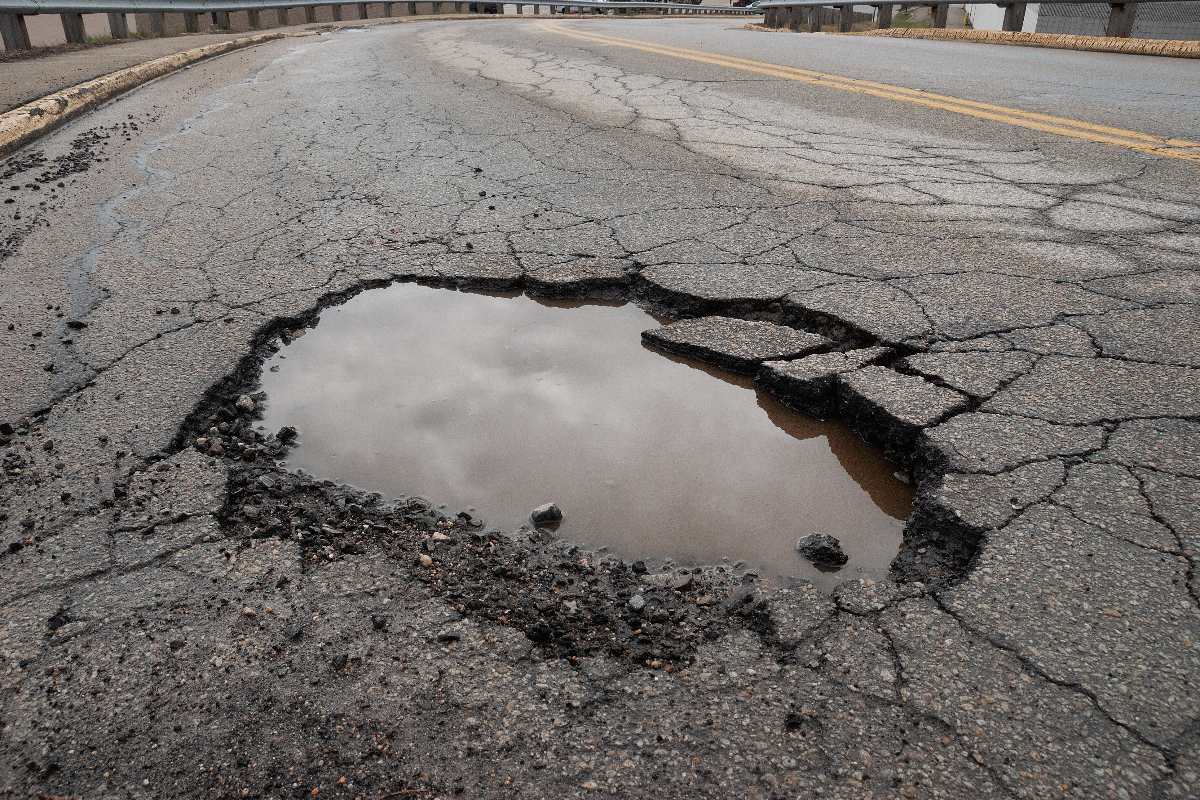
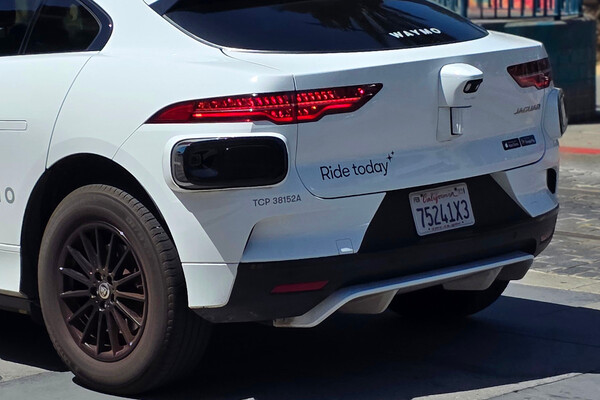
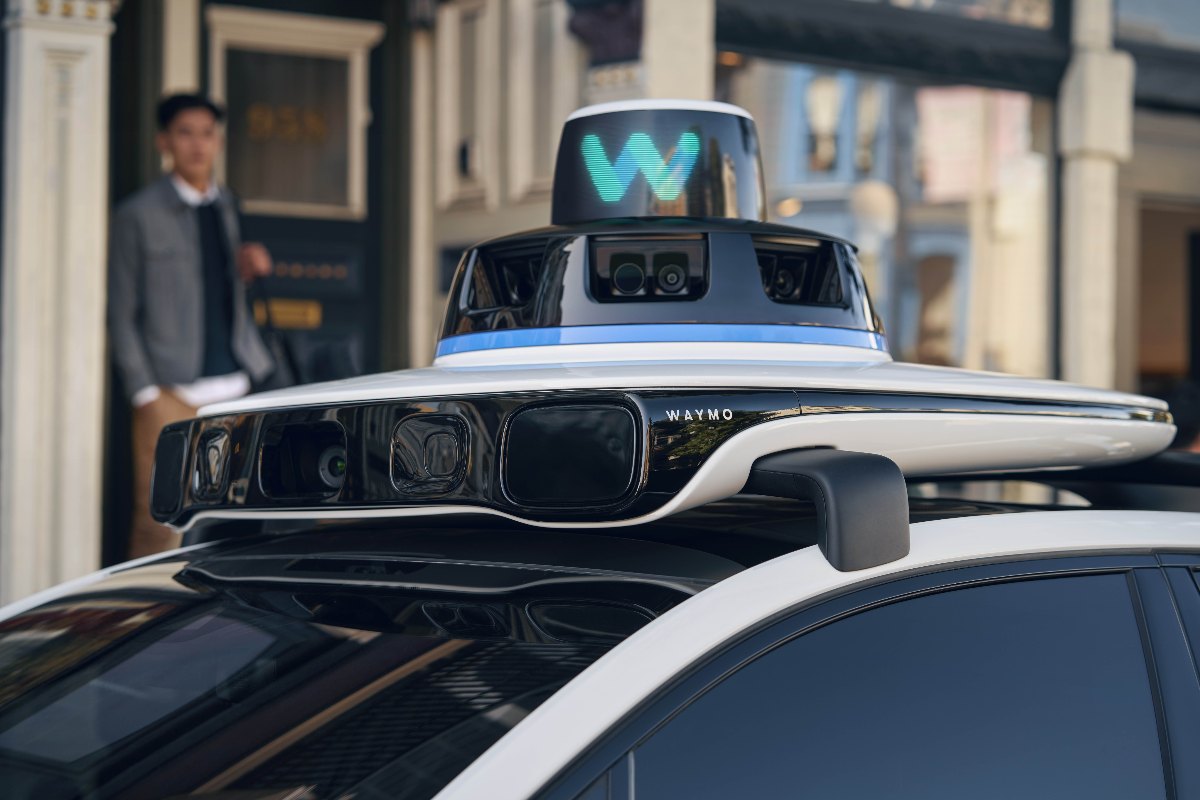
The programme uses Waymo’s perception and physical feedback systems to detect and provide up-to-date information for cities on potholes where Waymo operates.
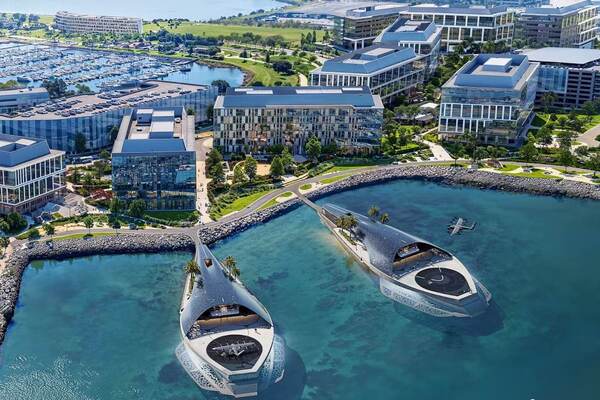
Flight departed from Oakland International Airport and kicks off Joby’s 2026 Electric Skies Tour, a showcase timed to celebrate the US’ 250th anniversary.
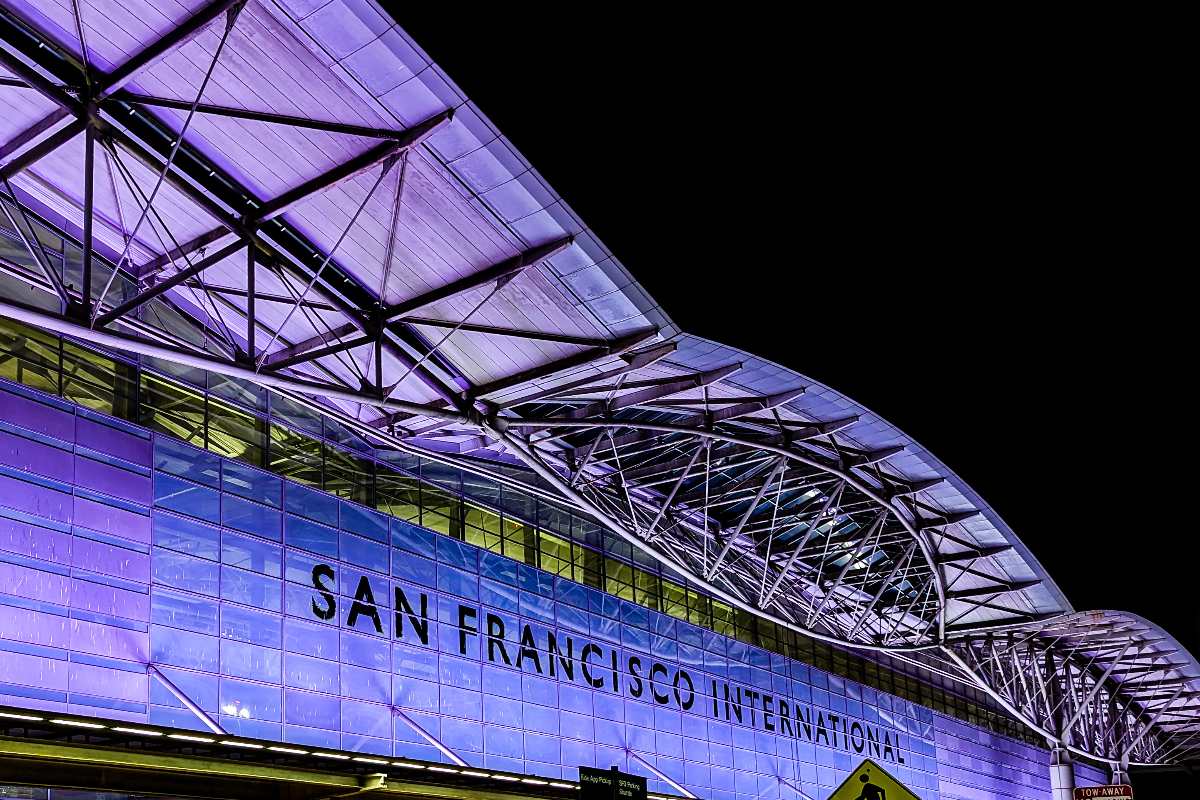
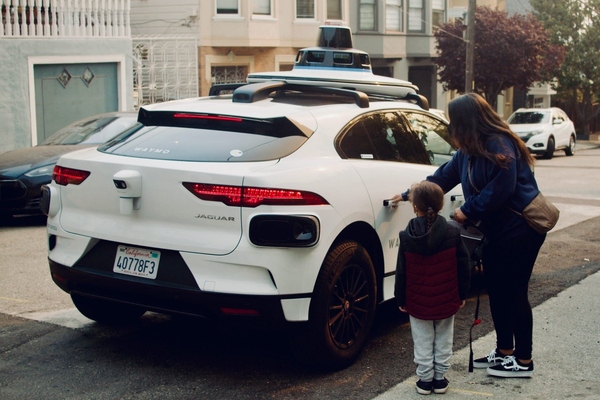
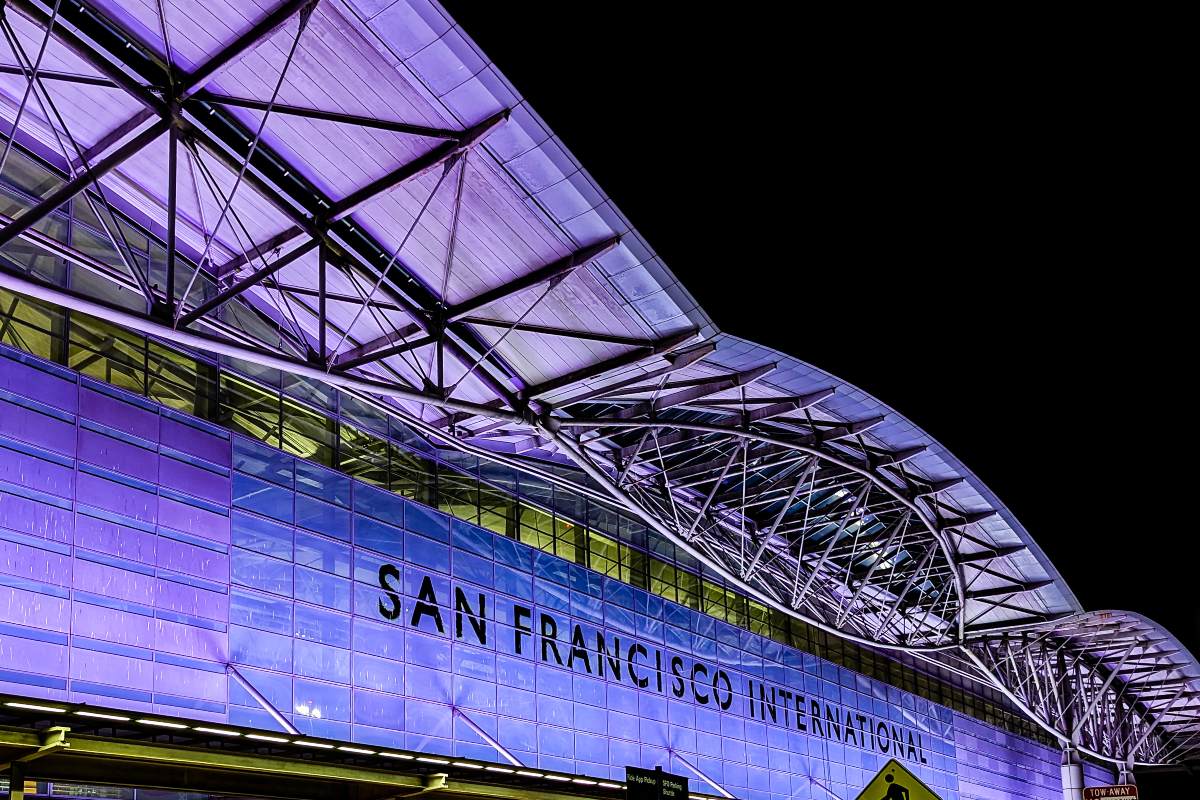
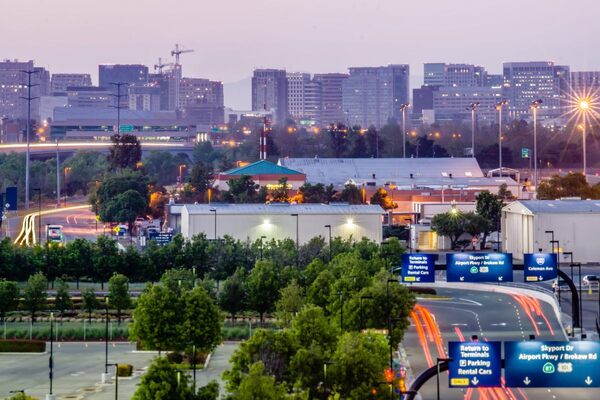
Serving San Francisco International Airport delivers one of the most requested features for Waymo riders and further deepens its relationship with the city.
New deployment across California’s Tri-Valley and Central Contra Costa regions add to mobility-as-a-service platform SilverRide’s growing footprint in the state.
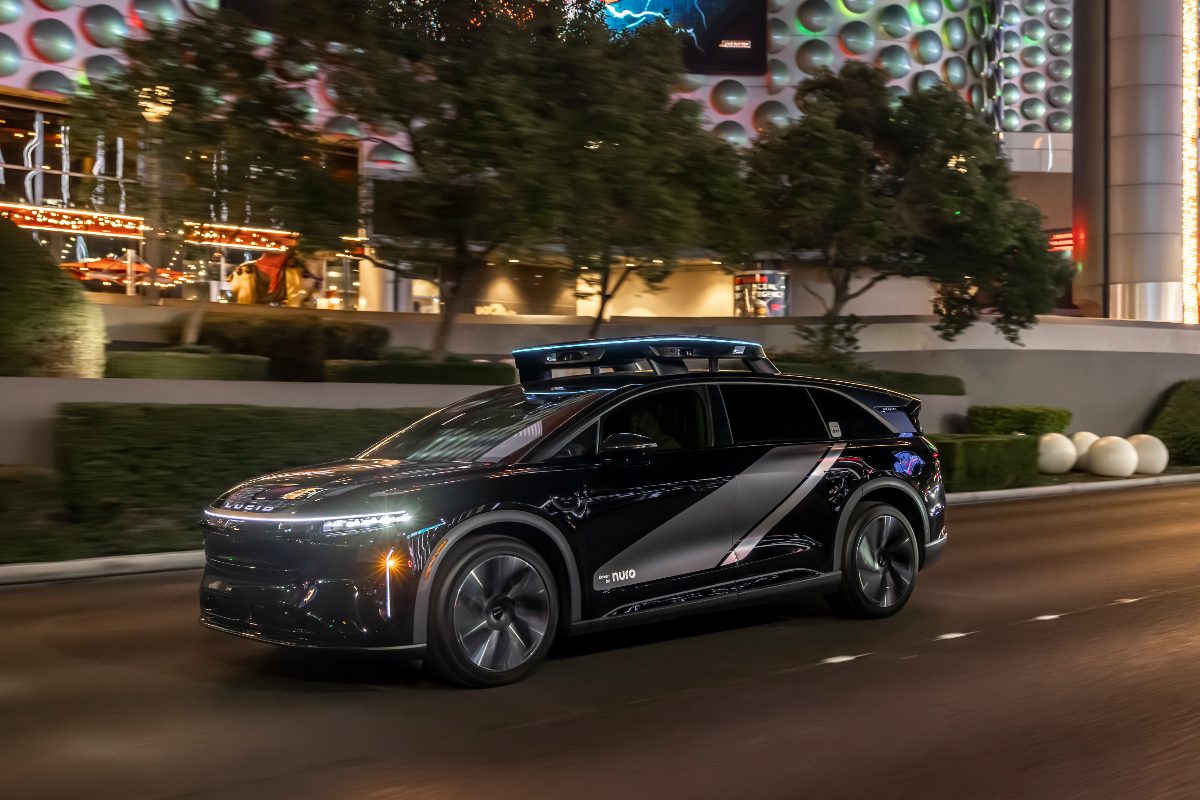
Autonomous on-road testing, led by Nuro, began in December last year, marking an important milestone in service validation and path to launch later in 2026.
The San Francisco Municipal Transportation Agency contract includes three 40-foot battery-electric buses and three 60-foot articulated battery-electric buses.
Start of limited rideshare aims to re-energise Market Street and boost downtown footfall as part of Mayor Daniel Lurie’s broader economic recovery push.
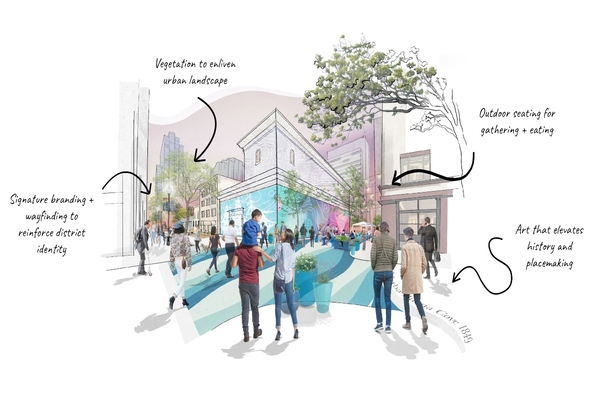
Downtown SF Partnership has launched Downtown Gateway, part of the Public Realm Action Plan, reimagining the underutilised cable car stop at Robert Frost Plaza.
The secure, enterprise-grade artificial intelligence assistant tool will be a valuable new resource for nurses, social workers, and other City workers.
Resonance’s America’s Best Cities 2025 reflects fresh realities, including affordability pressures, reshoring of critical industries and new mobility patterns.
The 2025 ProptechOS Smart City Index analyses 95 global cities, including the 50 largest cities by population in the US and 45 major cities across Europe.
Autonomous vehicle specialist Waymo will begin mapping the corridor in the coming days, with a passenger service expected to launch as soon as this summer.
The city is piloting the camera technology at 33 locations in its High Injury Network and aims to shift driver behaviour and make streets safer for all.
The research was conducted to benchmark the leading metropolitan statistical areas based on their capacity to generate and embrace emerging technologies.
Once installed, the pilot programme establishes a data-gathering partnership with the charging providers to monitor usage, demand, and other key metrics.
Waymo will continue to add riders to its ride-hailing service in San Francisco, Phoenix, Los Angeles, as well as Austin and Atlanta through its partnership with Uber.
Indoor Lab transitions to 4D lidar with planned deployments at JFK airport’s Terminal One, along with mass transit and smart infrastructure integrations.
2022 Sector-based Greenhouse Gas Emissions Inventory also revealed levels remained flat following the city’s economic and social rebound from the pandemic.
Network is anticipated to provide connectivity to communities, allowing people to replace up to two-hour drives to cities around the bay with 20 minute flights.
The goal of this benchmarking effort is to provide context to San Francisco’s work and progress on key Vision Zero metrics alongside 12 other US cities.
Grant recipients will use the federal funding to make rail stations more accessible and inclusive and in line with the Americans with Disabilities Act.
Two further greywater reuse systems are fully operational in residential buildings in the city, which will recycle three million gallons of water annually.
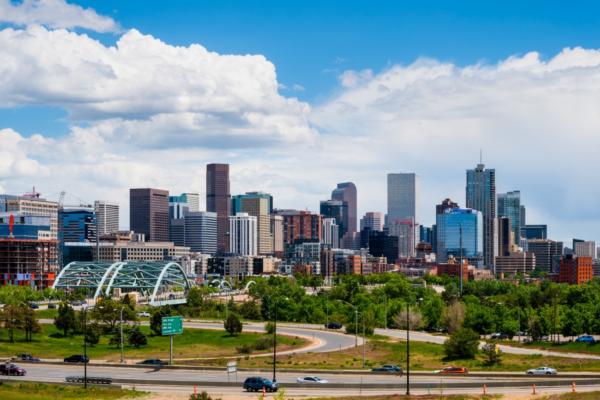
All of these companies are building smart cities technology solutions to issues confronting quality of life in communities across the state of Colorado.
The IESE analysed 183 cities in 92 countries worldwide for the 2024 Cities in Motion Index according to 114 indicators that feed into nine key dimensions.
The Department of Elections is launching its Vote Ready tool ahead of the March Primary Election to help any local voter understand their voting options.
SF Climate Week 2024 will play a crucial role in advancing discussions and actions on climate change and emphasise the role of innovation and technology.
New partnership aims to deliver guaranteed on-time transit connections for passengers, ensuring a seamless experience for riders in Fairfield and Sonoma County.
Smart mobility infrastructure specialist Iteris will provide managed services that support traveller information and toll lane operations across the Bay Area.
The Alliance for Urban Innovation aims to connect urban innovators and entrepreneurs to new markets while helping to build more resilient local economies.
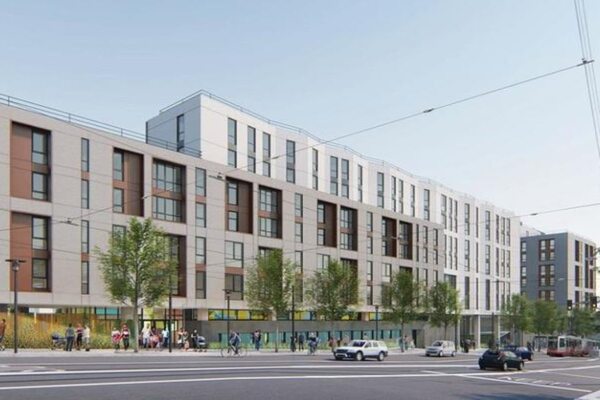
Kapuso in the Upper Yard is a transit-oriented, affordable housing development, providing homes for low-income families, including public housing residents.
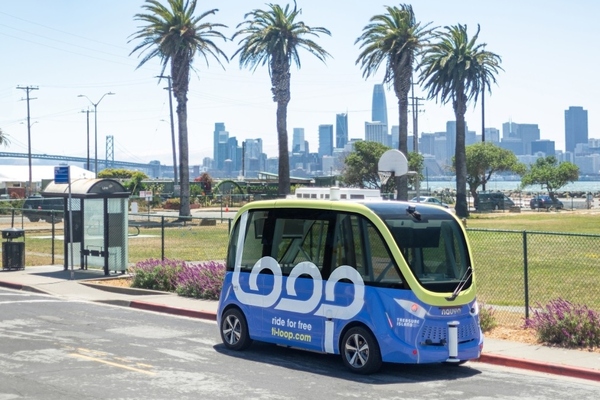
It will operate for nine months on the San Francisco island and will help the authorities better understand how a shuttle service could meet people’s needs.
The Californian regulators have approved resolutions granting additional operating authority for Cruise and Waymo to conduct commercial passenger services.
The bikeshare stations’ rollout will further ease congestion around Golden Gate Park as well as encourage biking to both special events and everyday visits.
The Heat and Air Quality Resilience Plan outlines strategies to make the city more resilient to heat waves and wildfire smoke in the face of climate change.
San Francisco Municipal Transportation Agency is working with AT&T and Boldyn Networks to bring wireless connectivity for travellers on its rail service.
The city is awarding more than $1m in additional grant funding to projects that support the San Francisco Climate Action Plan and zero waste and GHG goals.
Boston Consulting Group has surveyed more than 50,000 people in 79 cities to find out what makes urban residents want to move away from them or remain.
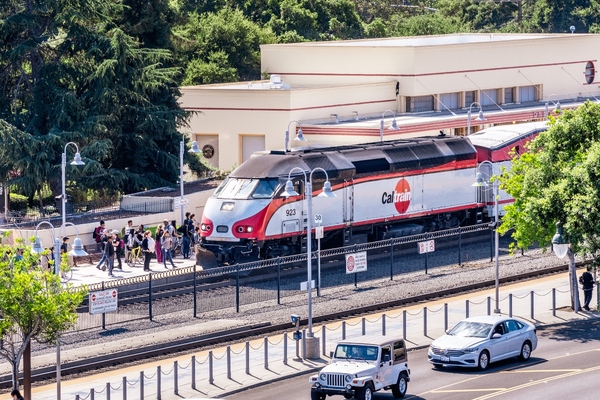
Nomad Digital implemented and is operating a turnkey trackside radio network and on-train digital services for the San Francisco to San Jose rail line.
Data will be used to create heat maps of the city as part of the Urban Heat Watch programme to inform how San Francisco plans for and responds to heat waves.
Urban design firm Sitelab is working with the Downtown SF Partnership to reinvent the area as a pedestrian-centric, more vibrant and culturally rich space, based on a framework and vision to influence change.
The Savills 2022 Impacts programme examined 500 cities using metrics around economic strength, knowledge economy and technology, environmental and social governance, and real estate investment.
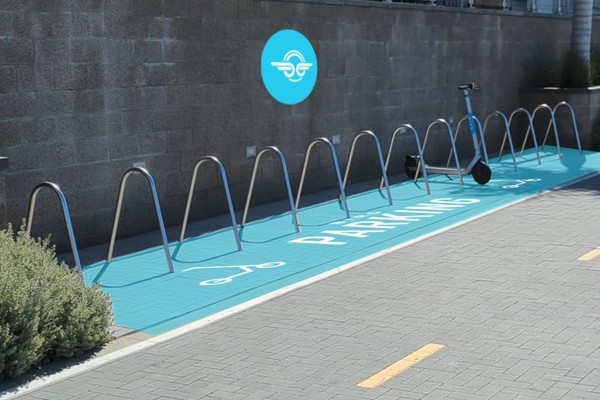
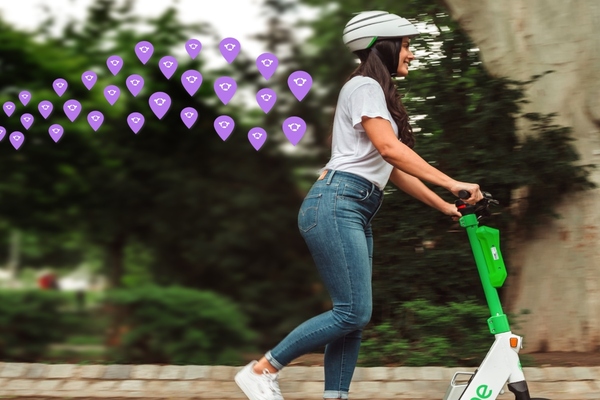
Powered by Google’s ARCore Geospatial API, Bird’s visual parking system enforces parking norms and is available for free to the e-scooter provider’s city partners.
C40 is inviting creative multidisciplinary teams – including architects, developers, community groups and more – to compete to design and develop climate-friendly urban projects.
The San Francisco Bay Area city’s programme is expected to drive transformational energy efficiencies for the municipality by reducing utility consumption by more than 4.2 million kWh of electricity per year.
San Francisco Municipal Transportation Agency has deployed Quanergy’s 3D Lidar Flow Management solution integrated with TNL’s traffic flow management platform to improve the travel time of San Francisco’s light rail vehicles.
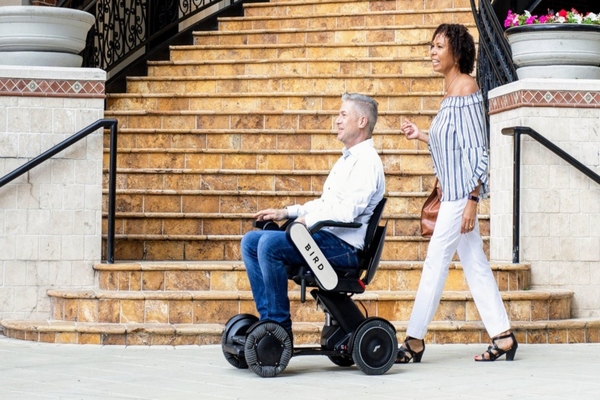
San Diego and San Francisco have become the latest cities to join the Scootaround programme that seeks to improve access to sustainable mobility options for everyone.
With safety and mobility inherently linked, the micromobility company will provide free rides on its scooters and bikes for women to verified SafeUp guardians in a number of cities.
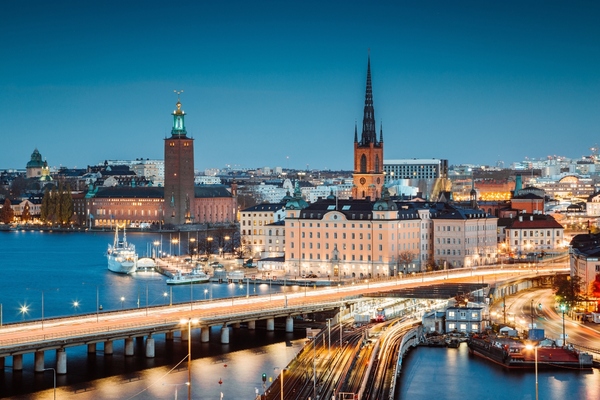
Stockholm is ranked number one in mobile sustainability thanks to continued investment in electrification and micromobility infrastructure, as well as corresponding increases in walking and cycling.
SITELAB urban studio and the Downtown Community Benefit District will develop a public realm action plan to revitalise the 43 blocks comprised of the city’s financial district and Jackson Square historic district.
The Cities of the Future Index by EasyPark uses publicly available data to find out which cities are best adopting new technological solutions to improve sustainability and liveability.
The AI construction tech company Buildots uses computer vision to capture every detail of the fit-out phase and provide objective, data-backed insights to contractors.
Three-year grants will fund innovation teams, or “i-teams,” to help mayors leverage data and digital technologies to enhance public services and create new value for communities.
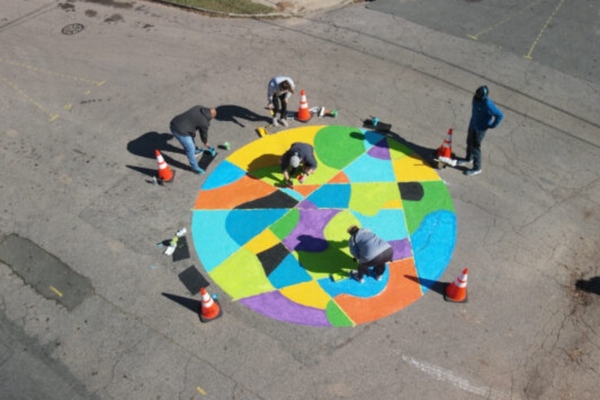
The selected cities will receive $50,000 to work with local community partners to transform streets into community assets that aid in the Covid-19 pandemic recovery.
With the adoption of the New Building Electrification Ordinance, Sacramento joins 45 other cities that have passed electrification ordinances, including San Francisco, San Jose and Oakland.
Energy and water conservation measures in the plan are expected to reduce utility consumption and save more than $1.5m in energy and water costs per year.
Analysis from StreetLight Data reveals that New York City, Sarasota and Portland lead when it comes to the reduced impact of transportation on the environment.
Digitising the kerb opens the door for more dynamic regulations and new approaches to kerb-usage fees that could enable more goal-driven management strategies.
The prototype office is an interactive learning centre where leaders can experience first-hand latest designs, technologies and collaborations for workplace health, security, confidence and comfort.
CDP has named 88 global cities that are working to become resilient, healthy, and prosperous places to live and work while cutting emissions and rapidly building resilience against the climate crisis.