









 22 - 26 June 2026: Find out more
BUILD YOUR OWN
RESOURCE LIBRARY



Opinions
Smart lighting: enabling smart cities beyond illuminationSponsored by Paradox Engineering

How AI and biometrics are shaping next-generation mobility paymentsSponsored by ST Engineering
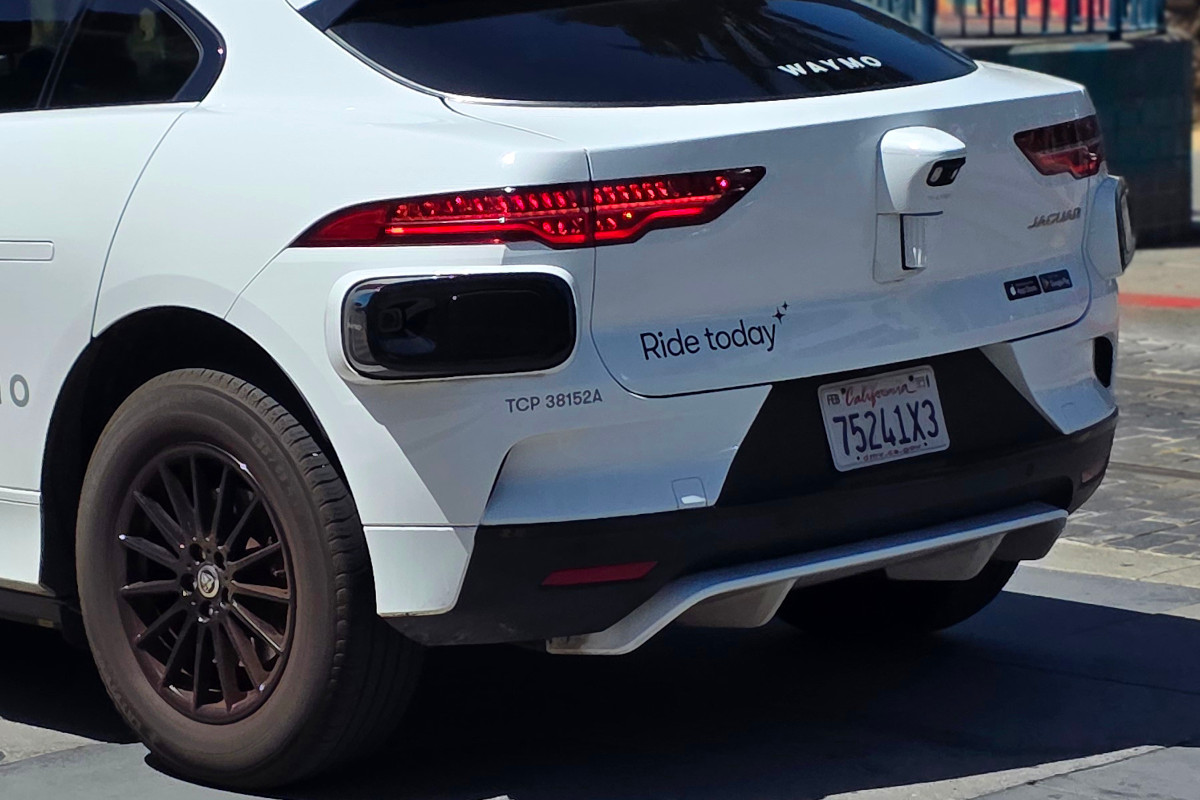
San Francisco moves to next phase of Waymo operations
Start of limited rideshare aims to re-energise Market Street and boost downtown footfall as part of Mayor Daniel Lurie’s broader economic recovery push.


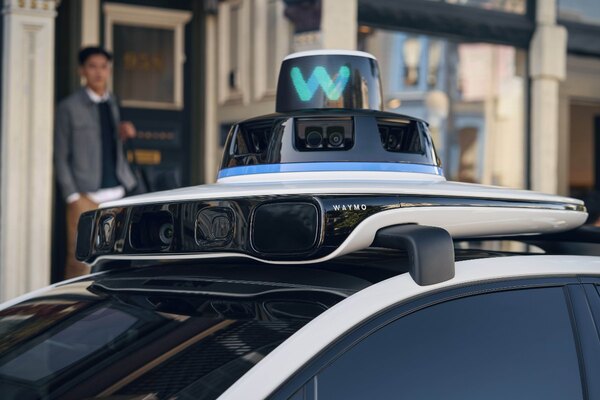
San Francisco is moving forward with a new phase of mobility innovation on its most iconic thoroughfare, as the city begins a limited roll-out of autonomous passenger services from Waymo, Uber, and Lyft along Market Street.
The pilot is designed to expand access while supporting the city’s ongoing efforts to bring residents, workers, and visitors back downtown. Under the plan, the San Francisco Municipal Transportation Agency (SFMTA) will oversee an evaluation of autonomous rides and premium rideshare pickups along the corridor. Waymo will operate during daytime and off-peak hours, while Uber Black and Lyft Black will operate overnight services. Pick-ups and drop-offs will be limited to seven designated loading zones, including near IKEA, the Warfield Theatre, and Trinity Place.
Mayor Lurie is taking major steps to revitalise the city’s downtown, with innovation and creativity at the centre of Market Street’s revitalisation – including supporting the Urban Land Institute and Civic Joy Fund’s ‘Market Street Reimagined’ ideas competition. Hotel room bookings associated with events at the Moscone convention centre increased nearly 70 per cent from 2024, while the PermitSF initiative is cutting red tape for businesses and helping them grow. The mayor is also keeping downtown safe, with overall crime down more than 40 per cent in Union Square and the financial district.
“The Market Street corridor is key to our cities recovery, and by thoughtfully expanding transportation options, we’re going to bring residents and visitors back to enjoy everything Market Street has to offer,” said Mayor Lurie.
SFMTA will ensure all modes of transportation are safe and efficient. The city will monitor municipal operations, traffic conditions, safety incidents, plus Waymo, Uber Black, and Lyft Black’s performance through shared data and on-street observations.
Read More
“Market Street is one of the most vital corridors in San Francisco that we remain committed to. Keeping cyclists and pedestrians safe, and ensuring Muni and emergency services run efficiently without disruption as we expand into this next phase, is our priority,” said Julie Kirschbaum, Director of Transportation for SFMTA. “We support the city’s broader work to advance our downtown recovery and will continue to help create safe, accessible, and reliable travel for everyone who uses Market Street.”
The rollout builds on months of mapping and preparation with Waymo, which began surveying Market Street early this year. Waymo’s Nicole Gavel, Head of Business Development and Strategic Partnerships, framed the move as part of a broader urban safety strategy.
“Serving riders on Market Street is the result of Waymo’s strong collaboration with the city and our community. We are proud to support a vibrant downtown and advance the corridor safety goals, given our technology significantly reduces collisions where we operate,” she said.
Private sector partners, Uber and Lyft also welcomed the city’s decision. Ramona Prieto, Head of California Public Policy and Communications at Uber, said: “It’s a meaningful step towards more a vibrant and connected San Francisco. Uber is committed to helping downtown thrive by supporting local businesses, improving access, and working closely with city leaders, drivers, and riders every step of the way.”
Nicholas Johnson, Public Policy Director at Lyft, added: “Market Street is such an important corridor for San Francisco, and we’re glad to be part of its continued revolution. Our purpose is to serve and connect people to the places that matter most, and Lyft Black’s service will restore that vital link to the area’s shops, offices, restaurants and entertainment.”
Why not try these links to see what our SmartCitiesWorld AI can tell you.
(Please note this is an experimental service)
How will autonomous rides improve safety on Market Street?What measures ensure efficient traffic flow during rideshare operations?How does the pilot support downtown economic recovery efforts?What criteria determine the designated loading zones for pickups?How will SFMTA monitor and evaluate rideshare performance data?
Latest City Profile
Latest Urban Exchange Podcast
Latest Special Report
SmartCitiesWorld Newsletters (Daily/Weekly)
You may also like these related articles...
BECOME A MEMBER
© 2026 SmartCitiesWorld
Smart Cities World Ltd, 27 Clements Lane, London, EC4N 7AE