
















Discover how AI-powered digital twins are transforming urban infrastructure and how these innovations can improve efficiency, resilience, and sustainability.
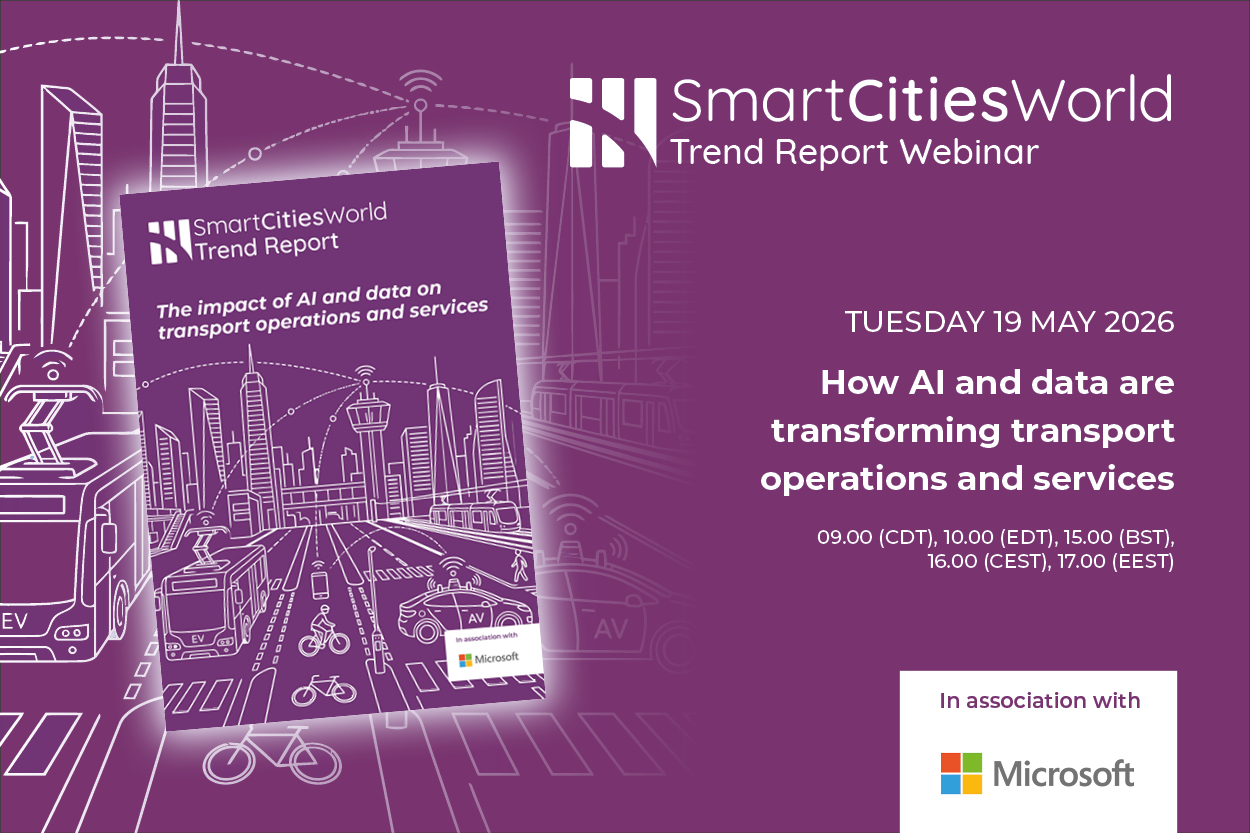
Explore how data and AI is being used in urban transport networks to support planning, day-to-day operations, and improve outcomes for communities and passengers.
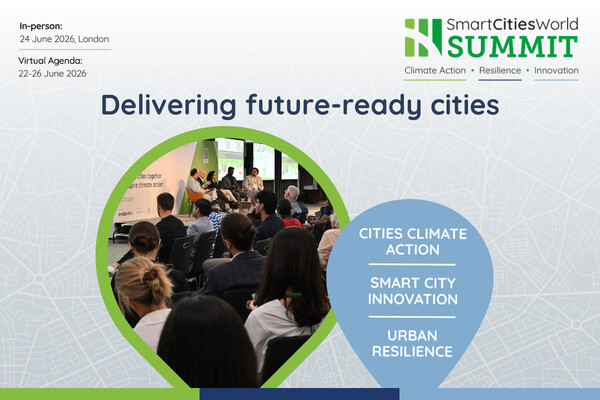
As cities confront the combined pressures of climate change, infrastructure resilience and digital transformation, the SmartCitiesWorld Summit 2026 will bring together urban leaders and partners during London Climate Action Week to explore how these agendas intersect – and how cities can translate strategy into practical action.
Find out how Sunderland is repositioning itself as a leading smart city – using digital infrastructure and low-carbon innovation to build a resilient, future-focused economy in the latest SmartCitiesWorld City Profile.
Find out how Dublin is innovating to improve experiences and services for its communities in the latest SmartCitiesWorld City Profile, including digital twin projects, traffic reduction, and economic growth.
Tune into the SmartCitiesWorld podcast to understand the world of sovereign AI for cities, featuring PNY Technologies’ Youssef Nadiri as our expert guest.
Tune in for the latest Urban Exchange where we get a first-hand account of city resilience measures from Quezon City following unexpected extreme rainfall.
How smart sensor networks can help improve indoor safety by detecting risks early, improving situational awareness and supporting healthier, more secure and sustainable buildings.
Gareth Tang, President of Urban Solutions at ST Engineering, explains how urban AI applications are set to evolve, detailing projects where AI is already making significant impact.
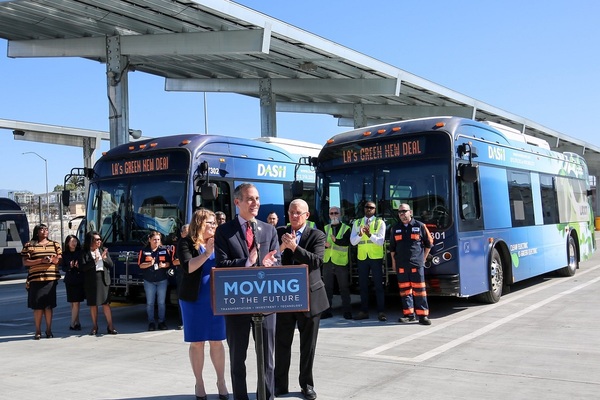
The collaboration will deliver the first commercially available combination solar canopy and overhead electric vehicle charging solution covered by a power purchase agreement.
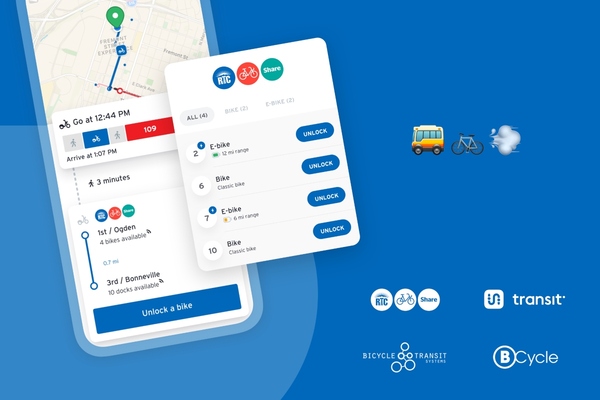
By merging transit and bike-share into one experience with Transit, riders can plan a multi-modal trip, purchase a transit pass, and unlock a bike with just a few taps.
Moovit’s free app combines official information from LBT, as well as crowdsourced information to calculate the best route for each journey in Long Beach and beyond.
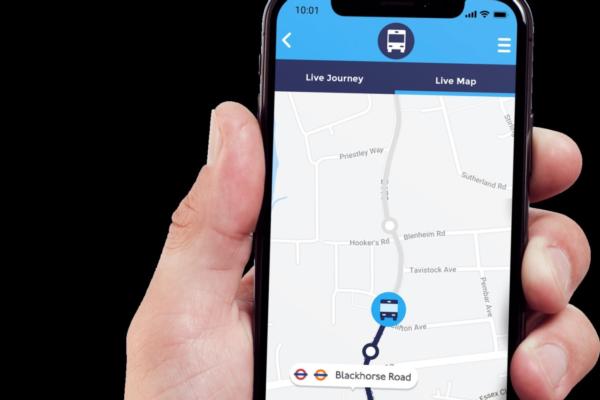
Department for Transport is working with MaaS specialist Moovit to utilise the Bus Open Data Service, a central source of timetable, bus location, and fare data.
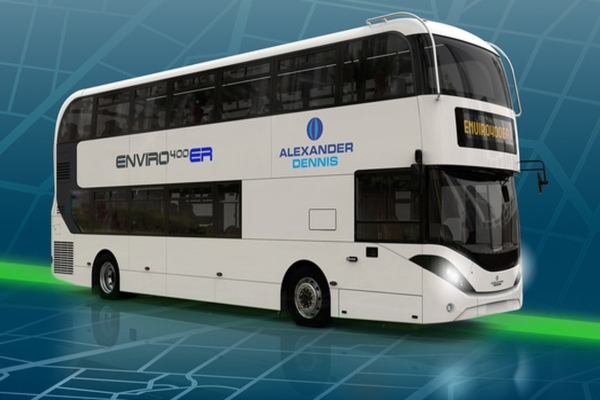
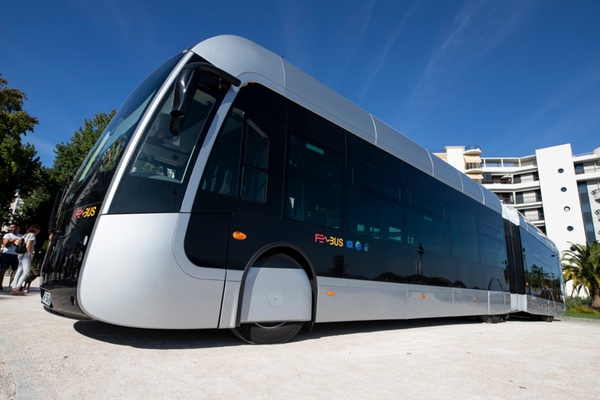
BAE Systems’ new plug-in technology means that as well as using the onboard generator to charge itself while the bus is on the move, the buses can also plug into the grid for power.
Launch of mobile ticketing solution for RTD public transit makes customers in the Denver Metro region the first to be able to purchase tickets to ride local buses and trains through the Lyft app.
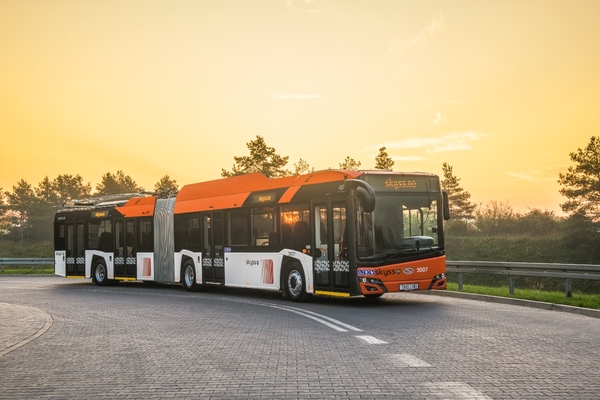
The roll-out follows 18 months of preparation after the city’s public transport authority awarded multi-modal transport operator Keolis a 10-year contract to operate 138 green vehicles.
Technology from Iteris will be used to make timing improvements at key intersections throughout Florida’s District 7, which houses over 1,100 signalized intersections.
Storstockholms Lokaltrafik has awarded Keolis a €500m, four-year extension to operate and maintain the fleet, which will serve the centre of Stockholm and Lidingö island.
As Europeans adapt to huge changes in their daily lives to cope with the Covid-19 pandemic, e-bikes can play a big part in everyone’s future, according to a report commissioned by Shimano.
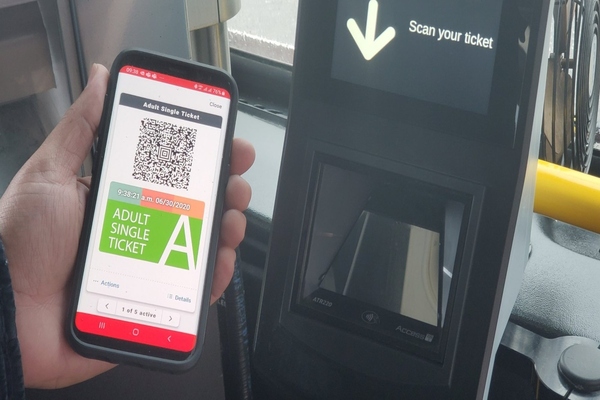
Masabi’s JustRide platform allows passengers to buy tickets and passes anytime, anywhere, using their smartphones and provides a contactless service in the Covid-19 era.
Zeelo has developed an application that helps people to maintain social distance while using its services during the Covid-19 crisis, as well as support customers to contact trace if necessary.
Actions shared include converting parking spaces into restaurant food pick-up zones, allowing rear-door bus boarding, suspending fare collections and converting car lanes for pedestrians and cyclists.
Goals behind the transport plan include connecting citizens with new job and training opportunities, prioritising people over cars and revitalising the city centre and local areas.
In addition to being able to use reliable, high-performance onboard wi-fi, passengers will have instant access to accurate arrival times, assistance and onward travel options.
The sensor beacon technology being developed and trialled could eventually result in the removal of ticket barriers and signal an end to queues at the ticket machine.
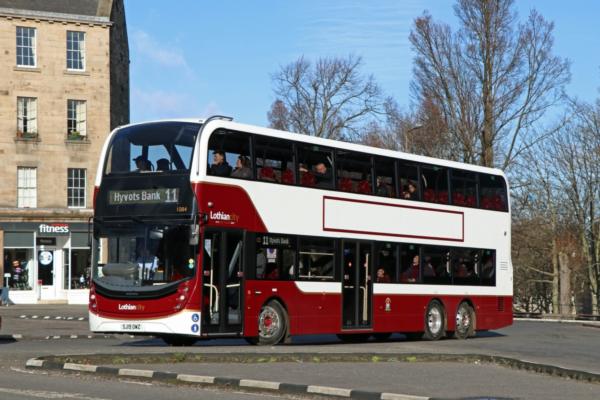
Bus company Lothian is introducing the country’s first contactless and fare-capped public transport system in Edinburgh as part of a partnership with Flowbird Transport Intelligence.