













 22 - 26 June 2026: Find out more





BUILD YOUR OWN
RESOURCE LIBRARY



Podcasts

Cities Thriving on Lighting, Episode 2 – Simplicity by design in smart lightingSponsored by Paradox Engineering
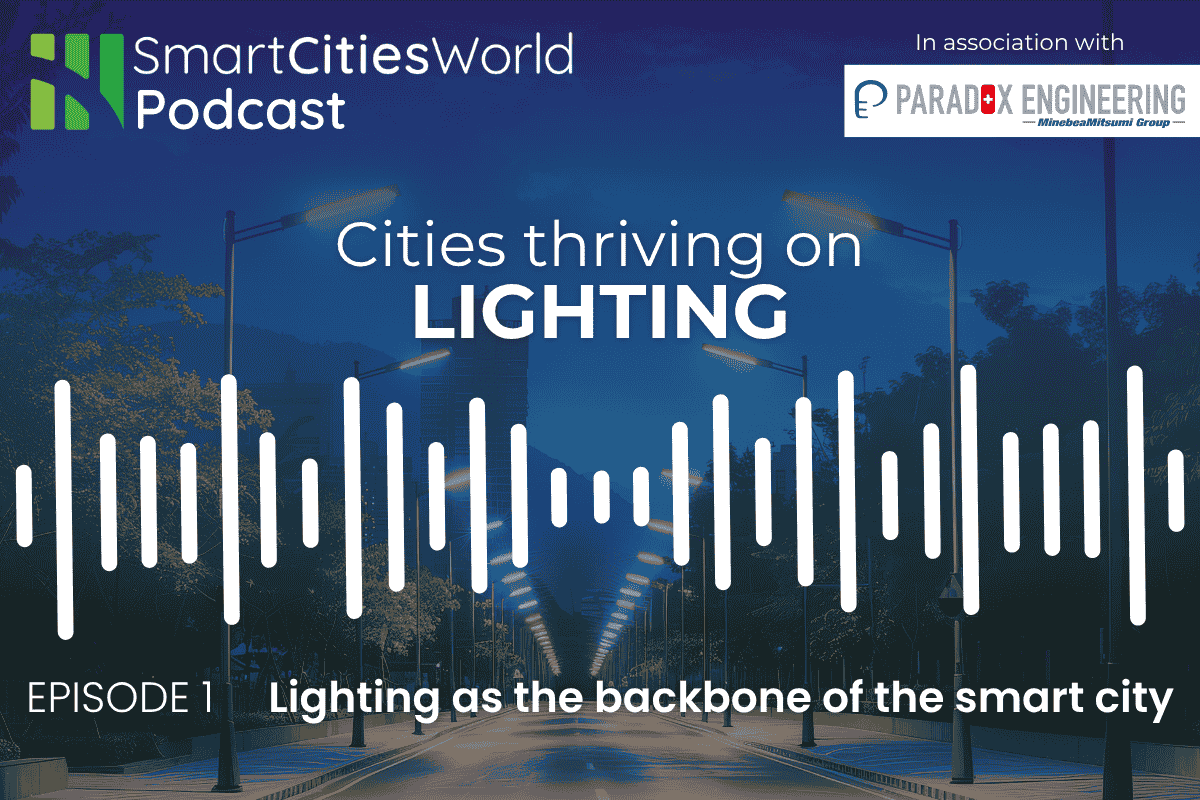
Cities Thriving on Lighting, Episode 1 – Lighting as the backbone of the smart citySponsored by Paradox Engineering
Opinions

Transforming indoor public safety with smart sensor networksSponsored by Motorola Solutions
Baltimore utilises AI tool to detect collapsed rooftops
The tool will help the City to flag buildings for possible emergency demolition and provide advance warning to first responders about dangerous structures.


The Maryland Association of Counties (Maco) has recognised Baltimore’s Department of Housing & Community Development (DHCD) for developing an artificial intelligence (AI) tool that detects collapsed rooftops in the city.
Maco presented the City with a County Innovation Award, which is given to “recognise superb and leading-edge county programmes that improve overall quality-of-life and service delivery for a county’s residents”.
Data for social good
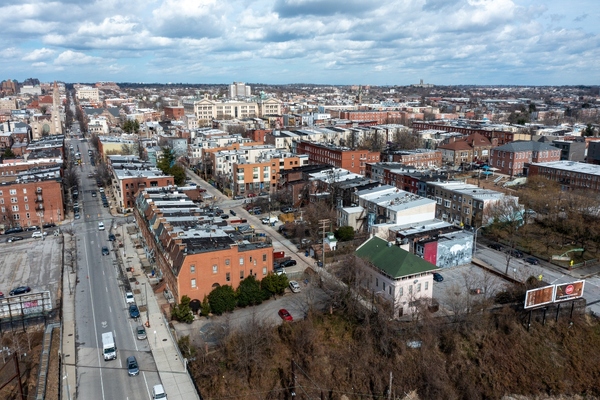
In partnership with the City’s chief data officer and the Data Science for Social Good (DSSG) research group at Carnegie Mellon University, DHCD is testing the use of an AI algorithm to automatically detect rooftops showing signs of damage or collapse using the City’s existing code enforcement data and geographic information systems (GIS) aerial flyover imagery.
This tool will help the City to be proactive in flagging buildings for possible emergency demolition, and in the future, will provide further advance warning to first responders about dangerous structures.
“This tool will save lives, and it provides a new ‘north star’ for how the City integrates data more deeply into its operations”
In 2018, DHCD staff organised a project for interns from the Youth Works programme. Interns manually reviewed imagery of every block with a vacant building, capturing properties with roof issues. DHCD utilised the data captured from this project as an essential component in building the AI tool.
This process identified vacant properties for emergency or high-priority demolition. However, this approach was labour intensive, using thousands of labour hours to review just a quarter of all rooftops in the city, and the study could only be performed every few years.
Read More
Following the deaths of City firefighters Lt Paul Butrim, firefighter/paramedic Kelsey Sadler, and EMT/firefighter Kenny Lacayo in January 2022, mayor Scott called on all agencies to reevaluate their approaches to combatting vacant properties in the city. In response, DHCD committed to a new rooftop study using 2021 aerial imagery. Additionally, DHCD was accepted into DSSG’s Summer Fellowship programme to explore automating the study.
Eventually, the tool will augment DHCD’s vacant building information that is now integrated into the City’s computer-aided dispatch (CAD), alerting first responders to potentially hazardous buildings.
“This is a great example of how we are leveraging modern technology to improve government operations as part of our Responsible Stewardship of City Resources priority pillar,” said mayor Scott. “By identifying unstable vacant properties, we are able to prioritise the demolition of structures that pose the greatest threat to residents, first responders and communities at-large.”
Chief data officer Justin Elszasz added: “This represents cutting-edge data use in local government and I couldn’t be prouder of or more impressed by DHCD’s forward thinking. This tool will save lives, and it provides a new ‘north star’ for how the City integrates data more deeply into its operations.”
Why not try these links to see what our SmartCitiesWorld AI can tell you.
(Please note this is an experimental service)
How does the AI tool detect collapsed rooftops using aerial imagery?What data sources are integrated to improve building safety assessments?How will the AI tool enhance emergency response for hazardous buildings?In what ways does the AI tool support prioritizing demolitions effectively?How does collaboration with DSSG and Carnegie Mellon improve the AI tool?AI and Machine LearningBaltimoreConnectivity & DataGovernance and CitizenhousingMunicipal buildingsurban space

Latest City Profile
Latest Urban Exchange Podcast
Latest Special Report
SmartCitiesWorld Newsletters (Daily/Weekly)
You may also like these related articles...
BECOME A MEMBER
© 2026 SmartCitiesWorld
Smart Cities World Ltd, 37 Lombard Street, London, EC3V 9BQ