

$5.8m will support residential projects including solar, HVAC upgrades, EV chargers and efficiency improvements with a priority on low-to-moderate income households.
At a glance
Who: Washington State Green Bank/Washington Builds.
What: Washington State has signed a supplemental capital budget bill, capitalising the Washington State Green Bank with an initial $25m appropriation.
Why: To serve as a specialised clean energy lender for households, small businesses, and Tribal nations across the state.
Where: Washington Builds will finance renewable energy and energy efficiency projects statewide.
Washington State has signed a supplemental capital budget bill, capitalising the Washington State Green Bank with an initial $25m appropriation.
The green bank, which will formally rebrand as Washington Builds, will have a legislative intent for an additional $25m committed for the 2027–2029 budget cycle.
Washington Builds will serve as a specialised clean energy lender for households, small businesses, and Tribal nations across the state – stepping in to attract private lenders in markets that traditional lenders have overlooked and making clean energy financing accessible to the households and businesses that need it most.
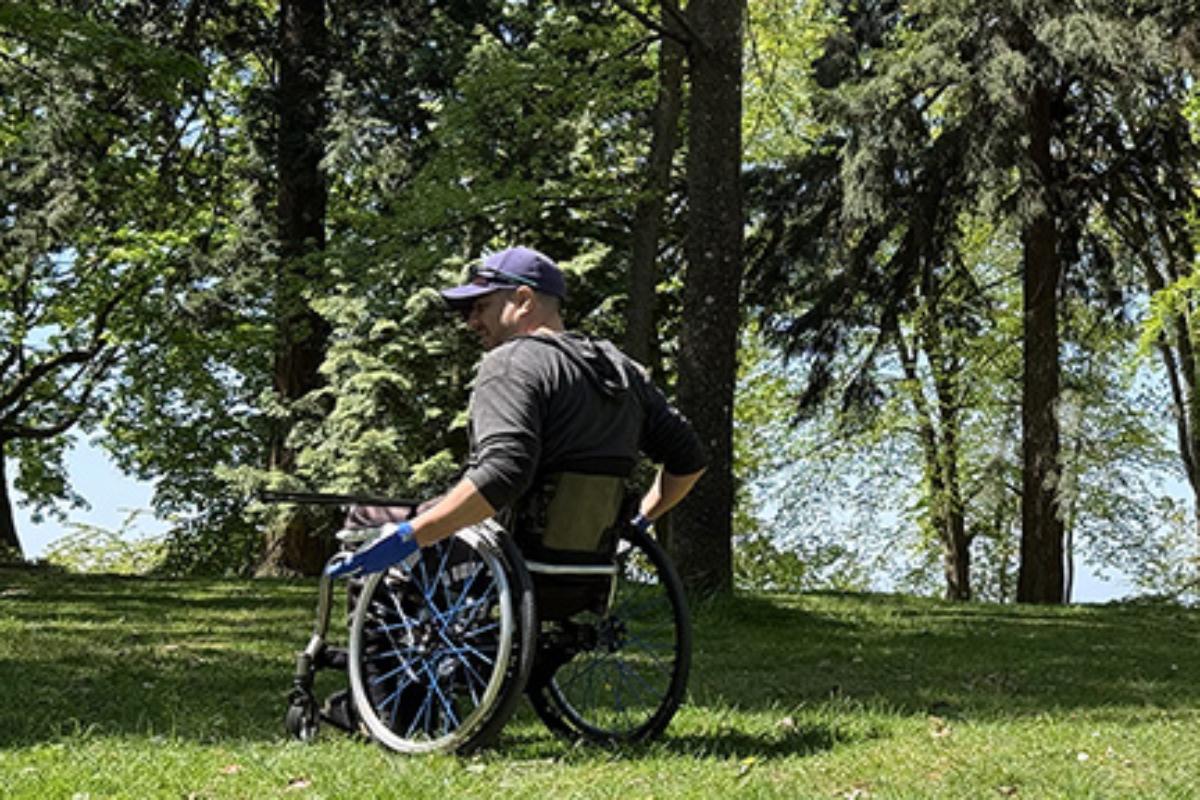
Of the initial $25m, $5.8m will support residential projects, including solar, HVAC upgrades, EV chargers, and efficiency improvements, with a priority on low-to-moderate income households. Another $17.4m will support commercial projects, providing small businesses and Tribes with the low-cost, affordable financing needed for clean energy upgrades, fleet transitions, and building improvements that lower long-term operating costs.
“Washington is proving that the most durable work happens when states take the lead in investing in community-driven financial infrastructure”
“This is about making clean energy financing work for people who’ve typically been left out,” said Eli Lieberman, executive director of Washington State Green Bank. ”For too long, access to affordable energy efficiency and cost-saving clean energy upgrades has come down to whether you have affordable financing options available to you, and for most families and small businesses, those were out of reach.”
Lieberman added: “Washington Builds was created to change that, to help working families and small business owners access the benefits of clean energy, and our mission-driven institution is built to serve them. We’re proud to get to work.”
To secure the additional $25m, Washington Builds must demonstrate it has leveraged state dollars at a 15:1 ratio for residential projects and a 3:1 ratio for commercial, which is a standard designed to ensure public funds catalyse significantly larger private investment.
“Washington is proving that the most durable work happens when states take the lead in investing in community-driven financial infrastructure,” said Dan Adler, executive director of the US Green Bank 50 (GB 50).
“We’ve seen that we cannot wait for federal cycles to dictate the pace of local progress. By establishing Washington Builds, the state is leveraging proven models for public-private partnerships that turn $1 of public funding into as much as $15 of total investment. This is about market-driven solutions that help communities and grow local economies, delivering energy affordability at a critical time, regardless of federal policy changes.”
“Washington Builds was created to help working families and small business owners access the benefits of clean energy, and our mission-driven institution is built to serve them”
Washington Builds reflects a successful model that has taken root in states across the country. Through collaborative networks like the US Green Bank 50, green banks and clean energy lenders share best practices, streamline processes, and standardise financial products – building the kind of lasting, scalable infrastructure that no single state could develop alone.
Washington Builds will operate under strict accountability requirements, including competitive bidding for partners and contractors, a public-facing website disclosing financing rates, annual financial audits, and a November report to the state governor Bob Ferguson and legislature each year detailing jobs created, carbon reduced, and project outcomes.
Why not try these links to see what our SmartCitiesWorld AI can tell you.
(Please note this is an experimental service)
How will Washington Builds prioritize low-to-moderate income household projects?What financing structures enable a 15:1 public-to-private leverage ratio?How can small businesses access low-cost capital for clean energy upgrades?What metrics will measure jobs created and carbon reductions annually?How will Washington Builds attract private lenders to underserved markets?