









 22 - 26 June 2026: Find out more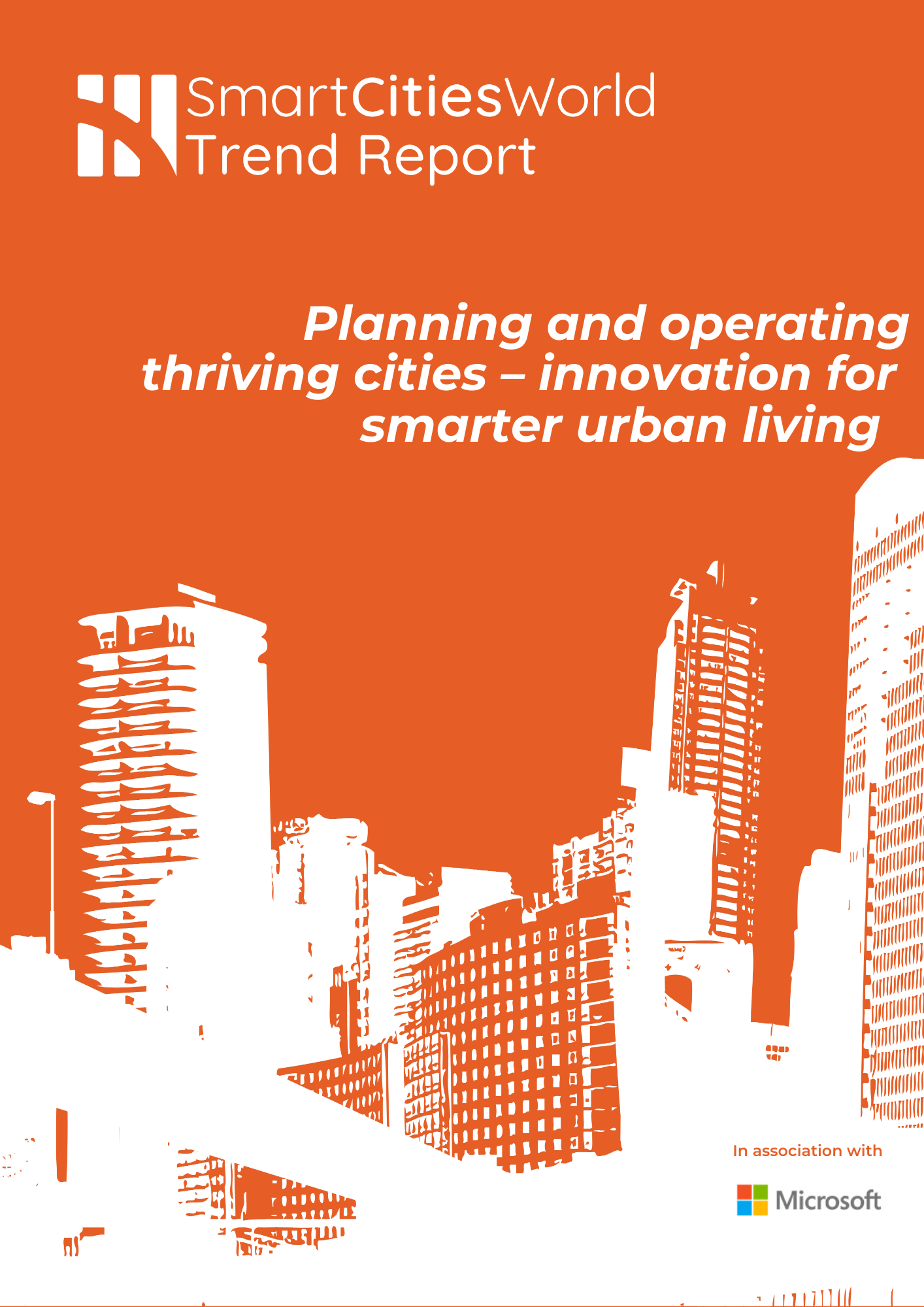







BUILD YOUR OWN
RESOURCE LIBRARY



Podcasts
Cities Thriving on Lighting, Episode 2 – Simplicity by design in smart lightingSponsored by Paradox Engineering
Cities Thriving on Lighting, Episode 1 – Lighting as the backbone of the smart citySponsored by Paradox Engineering
Opinions

Transforming indoor public safety with smart sensor networksSponsored by Motorola Solutions
White Paper: Building truly sustainable cities
How connected systems can help cities build sustainability and wellbeing into their indoor and outdoor spaces


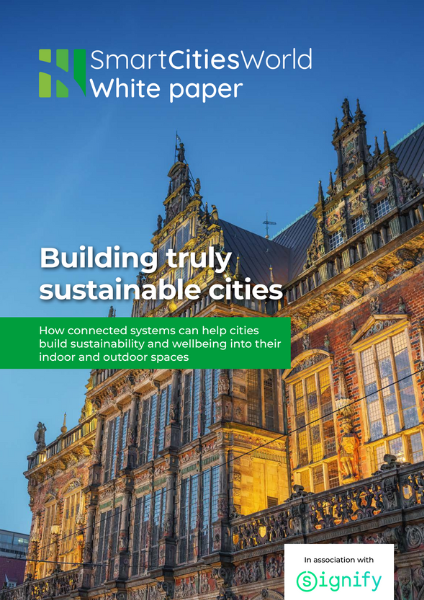
Building Truly Sustainable Cities Signify White Paper front cover
Sustainability touches all areas of human life – from land and sea to health and wellbeing, from the buildings we live and work in to how we get from A to B, and from what we eat and consume to how we produce goods and procure them. It is also inextricably linked to the battle against climate change and reducing carbon emissions. For cities in particular, sustainability is fast becoming the watchword guiding a range of strategies and initiatives across all municipal departments.
There are no shortage of targets and frameworks to guide sustainability strategies, chiefly the Paris Agreement and the United Nations Sustainable Development Goals. Reducing emissions in areas like the built environment is crucial to achieving such goals and cities know they sit on the front line of the action. They have a window of opportunity to work with their ecosystem of technology partners, system integrators, consultants and other stakeholders to build more sustainable indoor and outdoor environments.
Energy efficiency – using less energy to perform the same task – must be key to sustainability strategies and can enable a reduction-first clean energy transition, delivering benefits in far shorter timeframes than other approaches. This white paper, in association with global lighting leader Signify, aims to provide targeted and actionable advice to helping cities accelerate their low-carbon plans and become truly sustainable.
This white paper covers:
- The scale of the decarbonisation challenge faced by cities.
- How cities can use connected technologies to create greener buildings and the vital role of retrofitting
- Detailed analysis of the energy- and cost-savings that energy efficiency programmes can bring in cities.
- Why connected LED lighting is one of the most powerful decarbonisation tools
- How the City of Mesa in Arizona worked with Signify to become more sustainable
- The human side of sustainability and why it is vital for healthier lives and improving quality of life
- What funding options and technology options are available.
In association with

.
Why not try these links to see what our SmartCitiesWorld AI can tell you.
(Please note this is an experimental service)
How can connected LED lighting accelerate urban decarbonisation efforts?What role does retrofitting play in improving building energy efficiency?How do data analytics optimize energy savings in sustainable city projects?Which funding models best support low-carbon technology adoption in cities?How can AI and machine learning enhance resilience in urban infrastructure?5GAI and Machine LearningAirportAnalyticsCAVsChallengesclimate actionClimate change/ResilienceCloud and edge computingcongestionConnectivity - DevicesConnectivity - NetworksConnectivity - SensorsConnectivity & DataDataData - AnalyticsData - Data CentresData - SecurityData CentresData marketplace/PlatformData monetisationdata privacyDevicesdigital inclusiondigital twinselectric vehiclesEnergy & EnvironmentFibre networksGovernance and CitizenLightinglogisticsMicromobilitymobility-as-a-servicenet zeroNetworkOpen DataPortsPublic-private partnershipsRailregulationRenewablesresilienceRoadSea travelSectorSecuritySensorsSustainable Development GoalsTransport hubsurban spacewaste

Latest City Profile
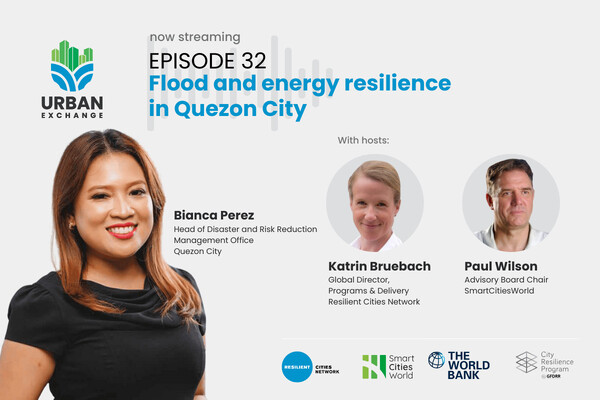
Latest Urban Exchange Podcast
Latest Special Report
SmartCitiesWorld Newsletters (Daily/Weekly)
You may also like these related articles...
BECOME A MEMBER
© 2026 SmartCitiesWorld
Smart Cities World Ltd, 37 Lombard Street, London, EC3V 9BQ