













 22 - 26 June 2026: Find out more





BUILD YOUR OWN
RESOURCE LIBRARY



Podcasts

Cities Thriving on Lighting, Episode 2 – Simplicity by design in smart lightingSponsored by Paradox Engineering
Cities Thriving on Lighting, Episode 1 – Lighting as the backbone of the smart citySponsored by Paradox Engineering
How to decarbonise the building sector
Latest report by the Energy Transitions Commission global coalition aims to provide a complete picture of the industry’s emissions and energy usage.


Decarbonising the buildings sector is a story of “many transitions” highlights a new report which aims to provide a complete picture of the industry’s emissions and energy use
Achieving Zero-Carbon Buildings: Electric, Efficient and Flexible report, published by the Energy Transitions Commission, describes how a combination of electric, efficient and flexible solutions can decarbonise buildings, improve standards of living, and reduce energy bills if supported by ambitious policy.
Achieving net-zero emissions
The Energy Transitions Commission is a global coalition of leaders from across the energy landscape committed to achieving net-zero emissions by mid-century, in line with the Paris climate objective of limiting global warming to well below 2°C and ideally to 1.5°C.
The global buildings sector currently contributes a third of greenhouse gas emissions, which comes from the use of fossil fuels for heating, cooling, cooking, lighting, powering appliances, and constructing residential and commercial buildings.
“It is possible to achieve zero-emissions, efficient, and flexible homes with low-carbon building design techniques and technology that runs on clean electricity”
The commission said there is not a one-size-fits-all solution for decarbonisation, as different solutions work for different building types, countries, and climates, but it details three key priorities:
1. Electrification replacing fossil fuels: decarbonising heating and cooking is essential. Currently, gas and oil heating accounts for 8 per cent of global emissions, or 3GtCO2. Switching from fossil-based heating and cooking to cost-effective electric and efficient technologies, such as heat pumps and electric hobs, is crucial and must be accompanied by the continued decarbonisation of electricity generation. By 2050, 80 per cent of the energy used in buildings could be electricity; this would bring annual emissions from building use close to zero if electricity supply is decarbonised by then.
Read More
2. Dramatically improving energy efficiency: rising use of air conditioners and the electrification of heating and cooking would result in electricity demand for buildings almost tripling, from 12,800 TWh to around 35,000 TWh by 2050 if energy efficiency is not simultaneously increased. But this could be reduced to around 18,500 TWh via a combination of:
- Improvements in the technical efficiency of heat pumps, air conditioners, and other appliances
- Improvements in the energy efficiency of both new and existing buildings, considering a range of so-called “passive heating and cooling” building design techniques, such as insulation and painting roofs white in hot countries
- Smart building management systems and consumer choices which avoid wasteful use of heating or cooling.
These improvements, together with the deployment of building-level batteries and other energy storage, smart building control systems, and rooftop solar generation are particularly important for reducing the growth of peak electricity demand, which is a crucial driver of electricity system costs.
3. Constructing efficient and low-carbon buildings: constructing new buildings accounts for 7 per cent of global emissions a year, or 2.5 GtCO2. Global floor area (area covered by buildings) is set to expand by 55 per cent by 2050 (or 140 billion m2, which is almost 150 times the size of Hong Kong), predominantly in Asia, Africa and South America. If the average carbon intensity of construction remains unchanged, this expansion would result in a cumulative 75 GtCO2 emissions between now and 2050. These cumulative emissions could be reduced to around 30 GtCO2 via a combination of:
- Decarbonising the production of steel, cement, concrete, and other building materials
- Using fewer materials in building construction via lightweight design and modular construction or using less carbon-intensive materials such as timber
- Better utilising existing buildings via extended building lifetimes and shared working spaces.
“Decarbonising the buildings sector is a story of many transitions. It’s vital for our climate goals and it’s an opportunity to improve living standards and reduce energy costs,” said Lord Adair Turner, chair of the Energy Transitions Commission.
“It is a timely reminder of the connection between buildings and the energy system. The two are intrinsically linked – we cannot decarbonise one without the other”
“Electric heating and cooking technologies will significantly improve air quality and have lower running costs than gas heating and traditional use of biomass. Cooling is essential to quality of life, especially as global warming intensifies due to man-made emissions. It is possible to achieve zero-emissions, efficient, and flexible homes with low-carbon building design techniques and technology that runs on clean electricity.”
The report also highlights that implementing some of the decarbonisation options for buildings poses more complex challenges than faced in other sectors of the economy, for instance:
- For existing buildings, residential and commercial building owners can choose from many different low-carbon technologies and options to improve the energy efficiency of their homes, some of which can be disruptive and involve high upfront costs (for example, roof or wall insulation, new windows, higher-efficiency heating and ventilation systems). The availability and cost of finance vary greatly between low and high-income households and across countries. Government policies must therefore combine clear targets to ban the sale of fossil-fuel boilers and cookers, with financial support for low-income families, as well as external finance (for example, from multilateral development banks) to lower-income countries
- For new construction, specific optimal solutions vary by country, regional climate, and building type, and there are sometimes trade-offs to be struck between designing to minimise construction emissions versus in-use operational emissions. In addition, construction sectors often entail complex value chains of subcontracting and a large role for small and medium enterprises. Careful design and implementation of building design and construction codes, learning from international experience but tailored to specific circumstances is therefore vital.
“WorldGBC mobilises a global network towards the just transition of the built environment for people and planet. We are proud to support this ETC report. It is a timely reminder of the connection between buildings and the energy system. The two are intrinsically linked – we cannot decarbonise one without the other,” said Cristina Gamboa, CEO of World Green Building Council (WorldGBC).
Roxanna Slavcheva, global lead for built environment at World Resources Institute (WRI), added: “A comprehensive, informative and crucial contribution to advance climate action, this ETC report on building decarbonisation provides a holistic and pragmatic view of how the building sector can transition to a low-carbon future. A must-read for policymakers and industry leaders alike, the report’s regional approach ensures tailored solutions and valuable insights from best practice to turn ambition into action.”
Achieving Zero-Carbon Buildings: Electric, Efficient and Flexible has been developed in collaboration with ETC members from across industry, financial institutions, and civil society. ETC members include Arup, bp, HSBC, Iberdrola, National Grid, Octopus Energy, Petronas, Saint Gobain, Schneider Electric, Shell, SSE, Rabobank, Vattenfall, We Mean Business, and World Resources Institute. The coalition said the report constitutes a collective view of the ETC, however, it should not be taken as members agreeing with every finding or recommendation.
Download the report at: www.energy-transitions.org/publications/achieving-zero-carbon-buildings
Why not try these links to see what our SmartCitiesWorld AI can tell you.
(Please note this is an experimental service)
How can electrification replace fossil fuels in building heating and cooking?What energy efficiency improvements reduce electricity demand in buildings?Which low-carbon materials best reduce emissions in new building construction?How do smart building systems help manage peak electricity demand effectively?What policies support low-income households in adopting energy-efficient technologies?climate actionClimate change/ResilienceCommercial buildingsEnergy & EnvironmenthousingMunicipal buildingsnet zeroPedestrianisationRenewablesurban space

Latest City Profile
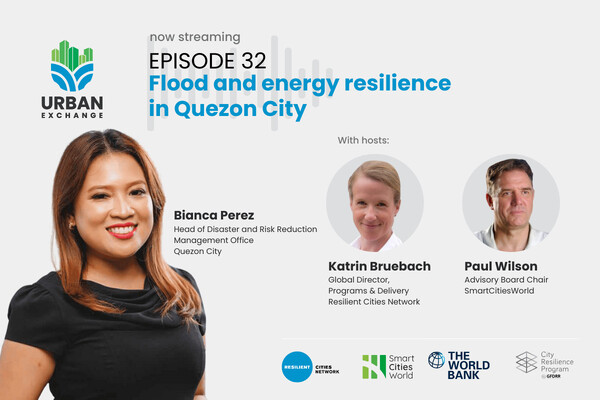
Latest Urban Exchange Podcast
SmartCitiesWorld Newsletters (Daily/Weekly)
You may also like these related articles...
BECOME A MEMBER
© 2026 SmartCitiesWorld
Smart Cities World Ltd, 37 Lombard Street, London, EC3V 9BQ