







By using AI and machine learning to coordinate and adjust heat pump usage, the project aims to transform how we manage the growing demand for electricity.
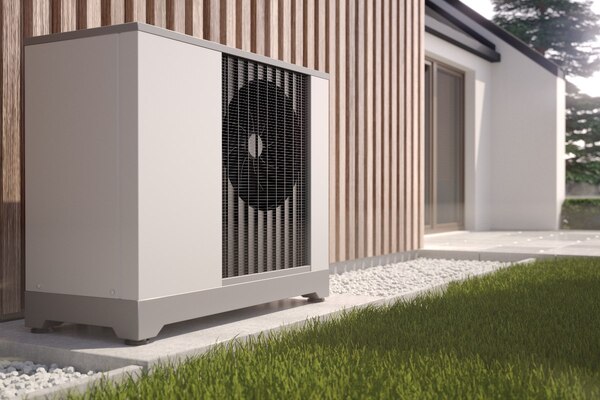
The UK’s biggest electricity distributor, UK Power Networks, is exploring how smart technology could be used to enable heat pumps to enhance the nation’s energy grid as well as provide heating.
By leveraging artificial intelligence (AI) and machine learning (ML) to coordinate and adjust heat pump usage, the HeatNet project aims to transform how the nation manages the growing demand for electricity, flexing energy usage without impacting customers.
The innovation is being developed in collaboration with energy management company Passiv and independent experts from Imperial College via Imperial consultants.
The UK government aims to install 600,000 heat pumps annually by 2028, up from 35,000 a year. This large-scale adoption is crucial for the UK’s carbon reduction goals but adds to the demand on the electricity grid, especially during peak times.
“Our goal is to develop a solution that maximises the capacity of existing networks and makes the integration of heat pumps smoother and more efficient”
Building on over a decade of research in heat pump optimisation, HeatNet aims to ensure that heat pumps operate efficiently without compromising people’s comfort or requiring unnecessary infrastructure upgrades.
“The HeatNet project is all about using technology to solve complex challenges,” said Luca Grella, head of Innovation at UK Power Networks. “Our goal is to develop a solution that maximises the capacity of existing networks and makes the integration of heat pumps smoother and more efficient.
“We’re also committed to ensuring that households won’t notice any disruptions to their heating, as everything will be fully automated. Ultimately, we aim not to be a blocker to the energy transition and to support more homes in connecting heat pumps quickly and easily.”
The project will also explore innovative ways to reward consumers for their involvement in supporting the grid. This could include direct payments for allowing their heat pump to be used for voltage management, reduced network charges, and faster connections for large-scale heat pumps, especially for social housing providers.
HeatNet is supported by the Strategic Innovation Fund, an Ofgem programme managed in partnership with Innovate UK, and is in its alpha or proof-of-concept phase. The project’s initial scoping phase explored the viability of the new tool as well as the methods used in different situations.
Matt Osborn, solutions manager at Passv and HeatNet lead, said: “We are excited to be partnering with UK Power Networks on the HeatNet project. This collaboration brings together our expertise in heat pump optimisation for a smarter, more efficient energy grid.
“By harnessing the power of AI and machine learning, HeatNet offers an exciting opportunity to reduce carbon emissions, optimise energy usage and support the UK’s transition to a low-carbon future.”
Why not try these links to see what our SmartCitiesWorld AI can tell you.
(Please note this is an experimental service)
How can AI optimize heat pump usage to reduce electricity demand?What methods enable heat pumps to support voltage management in grids?How does HeatNet ensure customer comfort during automated heat pump control?What incentives encourage consumers to participate in grid-supporting programs?How will large-scale heat pump adoption impact existing electricity networks?