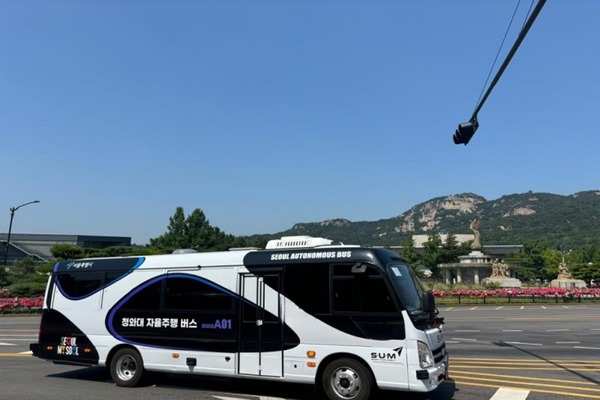

Following an 11-month pilot, the Seoul Cheongwadae Autonomous Bus will end its trial period and begin paid service as part of the public transport system.
Following an 11-month pilot operation, the Seoul Cheongwadae Autonomous Bus Service is being integrated into the Korean capital’s public transportation system.
In a separate announcement, the Seoul Metropolitan Government (SMG) has released analysis that shows its public bike service fleet has grown from 440 in 2010 to 45,000 in 2024.
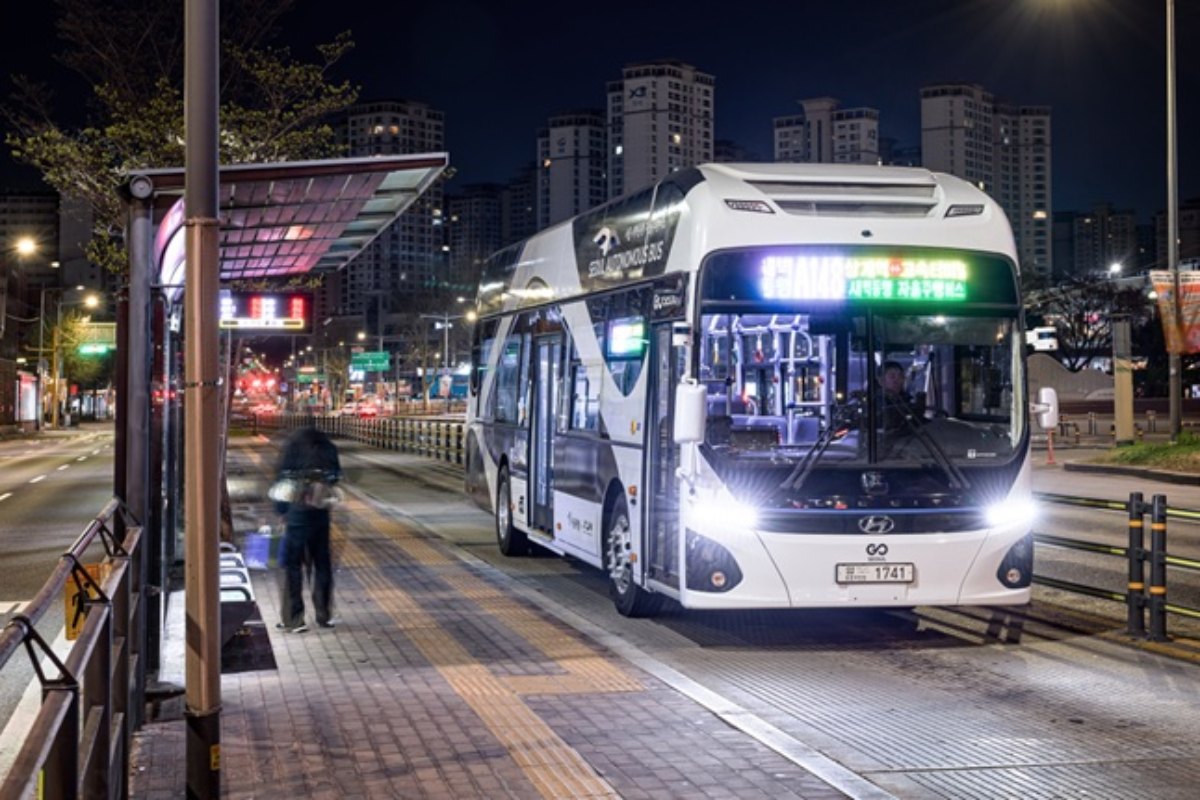
The autonomous bus service covers a 2.6 km route between Gyeongbokgung Palace, Cheongwadae, and the Gyeongbokgung Station.
SMG announced that the Cheongwadae Autonomous Bus will end its trial period and begin paid service. The Hyundai e-County Medium bus will stop at five locations every 15 minutes and charge a fare of KRW 1,400, the same as regular city buses. It also provides free transfer to passengers with transportation cards and unlimited access for Climate Card users.
The bus reported a large number of users and a high satisfaction rate, with a total of 45,621 local and international passengers
The Cheongwadae Autonomous Bus began pilot operation in December 2022. During the 11-month pilot period that ended last October, the bus reported a large number of users and a high satisfaction rate, with a total of 45,621 local and international passengers.
Its operation temporarily closed last November to prepare for paid service, during which time the city upgraded the buses’ stability through internal system inspection, improvements, and repeated test drives.
The city reviewed and upgraded the system, ensuring stability through multiple test drives.
The city government analysed the demand for its 15-year-old public bicycle service, Ttareungi, and found 190 million uses between 2010 and May 2024.
Launched by mayor Oh Se-hoon, Ttareungi began its pilot operation in 2010 with 440 bicycles, followed by the official launch in 2015. It was inspired by Bixi, Canada’s public bicycle rental service.
Ttareungi rides have consistently increased over the past five years from January to April, showing its role shift from leisure to transportation, with higher ridership between 6-7pm on weekdays. SMG reports the service has been used 190 million times since its 2010 launch until the last month.
It represents an average of 20 rides per Seoul citizen (based on the registered population in the first quarter of 2024). The daily number of rides also increased 298 times, from 413 in 2010 to about 120,000 in 2023.
The number of bicycles in operation increased 102 times from 440 in 2010 to 45,000 in 2024. The number of rental stations also soared from 44 in 2010 to 2,700 in 2024.
An analysis of monthly usage over the past five years (2019-2024) shows an increase of 3.5 times in the winter, from January to April, from 3.34 million rides in 2019 to 11.77 million in 2023. The finding suggests that Ttareungi is fast becoming a means of transport for daily uses rather than a leisure service.
Why not try these links to see what our SmartCitiesWorld AI can tell you.
(Please note this is an experimental service)
How does the autonomous bus integrate with Seoul's existing transport system?What safety improvements were made before starting the paid autonomous bus service?How has Ttareungi's ridership growth impacted urban mobility in Seoul?What factors contributed to the increase in winter bicycle usage in Seoul?How does the fare system support seamless transfers for autonomous bus passengers?