















BUILD YOUR OWN
RESOURCE LIBRARY



Podcasts

Podcast: Using mobility data to shape the future of citiesSponsored by TomTom
Podcast: Building resilient cities: trustworthy AI, digital twins, and urban innovation at YII 2025Sponsored by Bentley Systems
Opinions
Smart lighting: enabling smart cities beyond illuminationSponsored by Paradox Engineering

How AI and biometrics are shaping next-generation mobility paymentsSponsored by ST Engineering
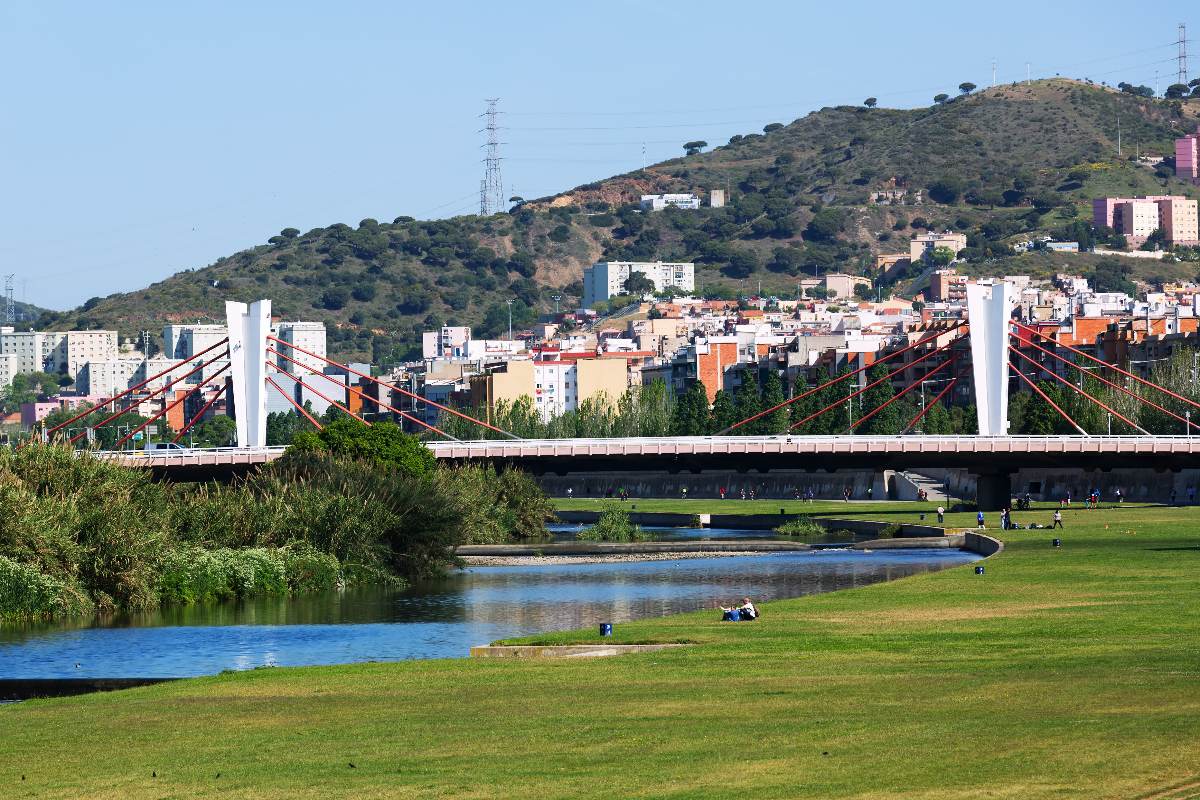
Barcelona pilots technology to tackle challenges of ageing
The latest edition of The Proactive City challenge called for entries that respond to society’s gradual ageing and to promote a more inclusive and caring city.


At a glance
Who: Barcelona City Council; Fundació BIT Habitat.
What: Six pilot projects are being rolled out to address the challenges of ageing in the Spanish city following the sixth edition of The Proactive City Challenge.
Why: To develop new technologies that improve the wellbeing of elderly people, adapt homes to the changing needs resulting from this demographic change and articulate more people-friendly neighbourhoods. In 2040, one in four people in Barcelona will be over the age of 65.
When: The projects will last 12 months; this includes development time and implementation as a pilot project in a real city environment. During the following six months, the results and general impact will be assessed.
Barcelona is rolling out the six winning pilot projects in the latest edition of The Proactive City by the Fundació BIT Habitat, which aims to respond to the challenges associated with demographic change and society’s gradual ageing.
Fundació BIT Habitat develops programmes and services to promote and facilitate urban innovation in the Spanish city to address global challenges and improve the city of today and tomorrow.
People-friendly neighbourhoods
The €400,000 challenge devoted the sixth edition of its annual public subsidy call for innovation to respond to society’s gradual ageing and to promote a more inclusive and caring city.
The goal is to develop new technologies that improve the wellbeing of elderly people, adapt homes to the changing needs resulting from this demographic change and articulate more people-friendly neighbourhoods.
The six winning projects were:
- A virtual support assistant specialising in Alzheimer’s
- A living lab network to adapt public space to all ages
- An intergenerational programme for flat sharing
- A platform to boost the talent of the over-55s
- A urinal with sensors to detect urinary infections
- Immersive communities to improve the emotional wellbeing of elderly people.
The projects will last 12 months, including the period to develop the solution and its implementation as a pilot project in a real city environment. During the following six months, the results and general impact will be assessed.
Read More
The challenge is jointly developed by Barcelona Activa and the Municipal Institute for Social Services and provides between €30,000 and €100,000 per project to fund them up to a maximum of 80 per cent.
The technologies aim to improve the wellbeing of elderly people, adapt homes to the changing needs resulting from this demographic change and articulate more people-friendly neighbourhoods
In 2040, one in four people in Barcelona will be over the age of 65. In this context, the City Council is promoting the government measure Barcelona towards the right to care (2025-2030). This measure sets out the strategy and actions needed to tackle the city’s care challenges and has a budget of €140.5m.
According to the latest data, life expectancy in the city is around 84 and over 21 per cent of the population is older than 65. In addition, nearly 30 per cent of elderly people live alone, increasing their risk of isolation and vulnerability.
Why not try these links to see what our SmartCitiesWorld AI can tell you.
(Please note this is an experimental service)
How do virtual assistants improve care for elderly Alzheimer’s patients?What technologies adapt homes to meet ageing residents’ changing needs?How can intergenerational flat sharing reduce elderly social isolation?What metrics assess the impact of age-friendly public space adaptations?How do sensor-equipped urinals detect urinary infections in elderly users?Latest City Profile
SmartCitiesWorld Newsletters (Daily/Weekly)
You may also like these related articles...
BECOME A MEMBER
© 2025 SmartCitiesWorld
Smart Cities World Ltd, 27 Clements Lane, London, EC4N 7AE