







 22 - 26 June 2026: Find out more

BUILD YOUR OWN
RESOURCE LIBRARY



Opinions
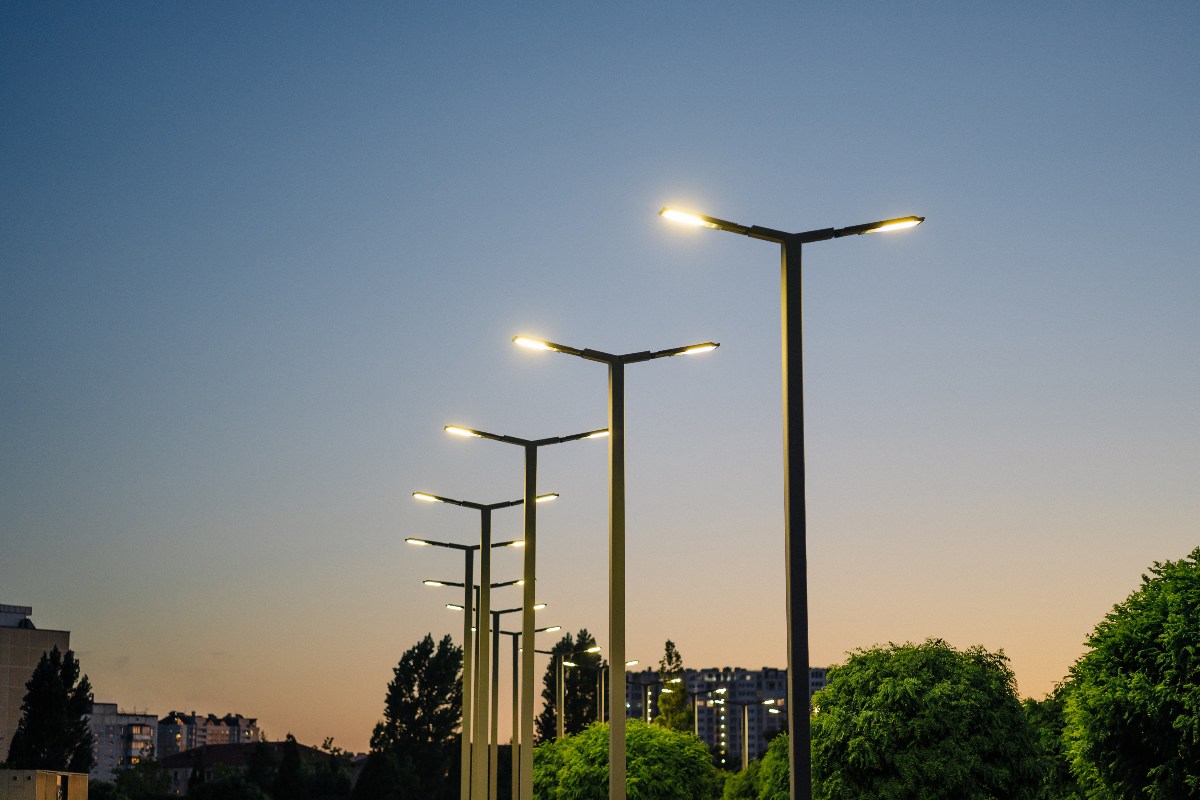
Smart lighting: enabling smart cities beyond illuminationSponsored by Paradox Engineering

How AI and biometrics are shaping next-generation mobility paymentsSponsored by ST Engineering
Dubai Municipality adopts integrated facilities management
Dubai is using advanced technologies to manage more than 246,000 assets, including parks, markets, beaches, service centres and administrative buildings.


 At a glance
Who: Dubai Municipality.
What: It is adopting an integrated facilities management model using advanced technologies such as the IoT and predictive maintenance solutions and real-time digital dashboards to manage buildings and public assets.
Why: The municipality aims to strength governance, reduce environmental impact, and elevate the performance and resilience of public assets. The integrated approach has already increased operational efficiency by more than 15 per cent.
Where: It covers approximately 2,000 buildings and public facilities and more than 246,000 assets, including parks, markets, beaches, service centres, and administrative buildings across the municipality.
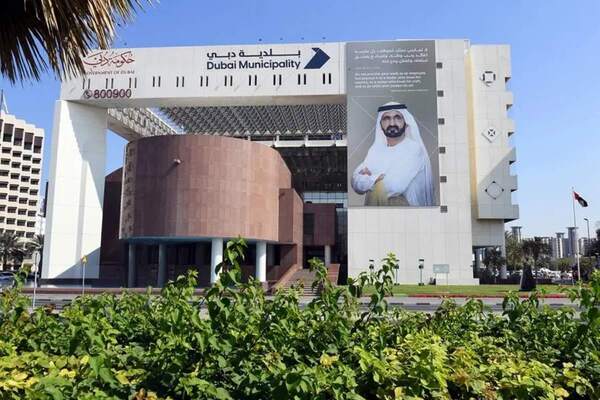
Dubai Municipality has announced the adoption of an integrated facilities management model using advanced technologies to improve the efficiency and sustainability of public assets.
It covers approximately 2,000 buildings and public facilities and more than 246,000 assets, including parks, markets, beaches, service centres, and administrative buildings.
Integrated planning and management
The new model consolidates all facilities and maintenance operations under one integrated system, replacing the previous decentralised approach.
Through integrated planning, optimised resource allocation, and smart operational oversight, the model has increased operational efficiency by more than 15 per cent, while enhancing consistency and performance across facilities.
“The adoption of the integrated facilities management model represents a strategic transformation in the management of public and government facilities”
Advanced digital technologies form the backbone of the transformation. The model leverages Internet of Things (IoT) solutions, predictive maintenance systems, and real-time digital dashboards to support data-driven decision-making and proactive service delivery.
These tools enable continuous monitoring of asset performance, early detection of faults, and maintenance scheduling based on actual operational needs, reducing downtime and improving overall service reliability.
Read More
“The adoption of the integrated facilities management model represents a strategic transformation in the management of public and government facilities,” said Bader Anwahi, chief executive officer of the Public Facilities Agency at Dubai Municipality.
“By unifying all services and maintenance operations within a single system, the model enhances operational efficiency, improves sustainability, and strengthens Dubai Municipality’s leadership in public asset management.”
“This transformation reinforces Dubai’s position as a global benchmark in facilities management. Dubai Municipality continues to strengthen infrastructure readiness, improve service quality, and adopt innovative operational models that support sustainability objectives and contribute directly to quality of life.”
The integrated model aligns with Dubai’s green building regulations and sustainability priorities through new contractual frameworks and performance indicators that promote the use of sustainable materials and technologies. It also supports measurable improvements in energy and water efficiency, faster maintenance response times, and higher customer satisfaction levels across public facilities.
By consolidating facilities management into a smart, sustainable, and integrated operational framework, Dubai Municipality aims to strength governance, reduce environmental impact, and elevate the performance and resilience of public assets, ensuring that public facilities continue to meet the evolving needs of residents and visitors in line with Dubai’s future development vision.
Latest City Profile
Latest Urban Exchange Podcast
SmartCitiesWorld Newsletters (Daily/Weekly)
You may also like these related articles...
BECOME A MEMBER
© 2026 SmartCitiesWorld
Smart Cities World Ltd, 27 Clements Lane, London, EC4N 7AE