








The low- and middle-income countries selected will receive grants of up to $50,000 for six months’ worth of vaccine preparedness activities with an emphasis on reaching high-risk populations.

Cities in Africa, Asia, and Latin America have been named as beneficiaries of funding from Bloomberg Philanthropies to help support their planning for equitable vaccine distribution rollouts.
The 18 low- and middle-income countries selected will receive grants of up to $50,000 for six months’ worth of vaccine preparedness activities with an emphasis on reaching high-risk populations.
This will include communication campaigns to increase vaccine confidence; community outreach to vulnerable populations; supplies to set up mass vaccination sites; enhancement of data capacity; training for healthcare workers and community leaders; and critical tools to achieve city-wide coordination.
The 18 cities are members of the Partnership for Healthy Cities, an initiative supported by Bloomberg Philanthropies in partnership with the World Health Organisation (WHO) and global public health organisation Vital Strategies.
Partnership cities in low- and middle-income countries were eligible to apply for the assistance, with 18 cities chosen: Abidjan, Côte d’Ivoire; Accra, Ghana; Bengaluru, India; Buenos Aires, Argentina; Cali, Colombia; Cape Town, South Africa; Guadalajara, Mexico; Fortaleza, Brazil; Harare, Zimbabwe; Kampala, Uganda; Kigali, Rwanda; Lima, Peru; Medellín, Colombia; Mexico City, Mexico; Ouagadougou, Burkina Faso; Phnom Penh, Cambodia; Quito, Ecuador; and Rio de Janeiro, Brazil.
“The equitable distribution of vaccines is not only a moral imperative, it is also an epidemiological and economic imperative,” said Dr Tedros Adhanom Ghebreyesus, director-general, World Health Organisation.
“As long as this virus is transmitting anywhere, the higher the chances that a variant will emerge that evades vaccines, and the longer the global economic recovery will take. We simply will not end the pandemic anywhere until we end it everywhere. These grants will support city leaders to reach some of the most vulnerable groups with vaccines.”
Founded in 2017, the Partnership for Healthy Cities has grown into a network of 70 cities around the world committed to saving lives by preventing NCDs, such as heart disease, diabetes, chronic lung disease and cancer, and injuries.
“We simply will not end the pandemic anywhere until we end it everywhere. These grants will support city leaders to reach some of the most vulnerable groups with vaccines”
In March 2020, Bloomberg Philanthropies expanded support to help member cities by providing tools and information for Covid-19 prevention and mitigation measures as part of the $40m Bloomberg Philanthropies Covid-19 Global Response Initiative.
“Cities are drivers of public health and over the past year have mounted a remarkable Covid-19 response. The path to widespread vaccination is complex and requires detailed planning, coordination, data management, and logistics support by urban leaders and their staff,” said José Luis Castro, president and CEO of Vital Strategies.
“We look forward to using our expertise to help cities improve their ability to reach high-risk communities as they develop and implement equitable policies and practices to safeguard health and rebuild stronger health, social, and economic systems.”
Cities in the partnership are using the funds in creative, targeted ways to reach their high-risk populations:
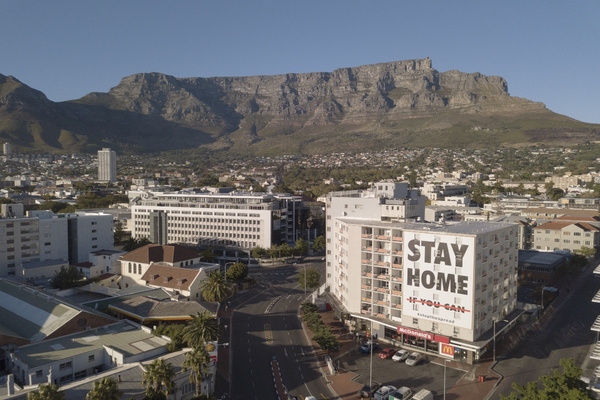
Cape Town, South Africa, for instance, is planning to use the new funds to reach the more than 530,000 people estimated to be living in homeless shelters, unhoused people, and migrants.
“We want to make sure that our communities are properly informed about Covid-19 vaccination so that they can make well-informed decisions”
The city’s methods will include advertising on minibus taxis, the dominant mode of public transport for low-income commuters, deploying mobile billboards and sky banners, and fighting misinformation using radio programming.
This will be complemented by mobile information and vaccine registration units that will partner with trusted community leaders to optimise messaging and hold socially distanced face-to-face consultations with people in hard-to-reach areas.
“It is important that while our communities have access to healthcare, they also have access to reliable health information. We want to make sure that our communities are properly informed about Covid-19 vaccination so that they can make well-informed decisions,” said Dan Plato, executive mayor of Cape Town.
“We’ve seen the power of working with trusted local voices to share Covid safety messages with vulnerable people earlier in the pandemic, and we plan to build on those efforts to encourage vaccination for all.”
You might also like:
Why not try these links to see what our SmartCitiesWorld AI can tell you.
(Please note this is an experimental service)
How can data capacity enhancements improve equitable vaccine distribution in cities?What strategies effectively increase vaccine confidence among vulnerable populations?How do mobile information units optimize vaccine outreach in hard-to-reach areas?In what ways do partnerships like Bloomberg Philanthropies support city vaccine rollouts?How can communication campaigns combat misinformation in low-income urban communities?