







If approved, a levy would be used to generate the public funding portion of the initiative that includes expansion of transit, sidewalks, bikeways, and pathways.
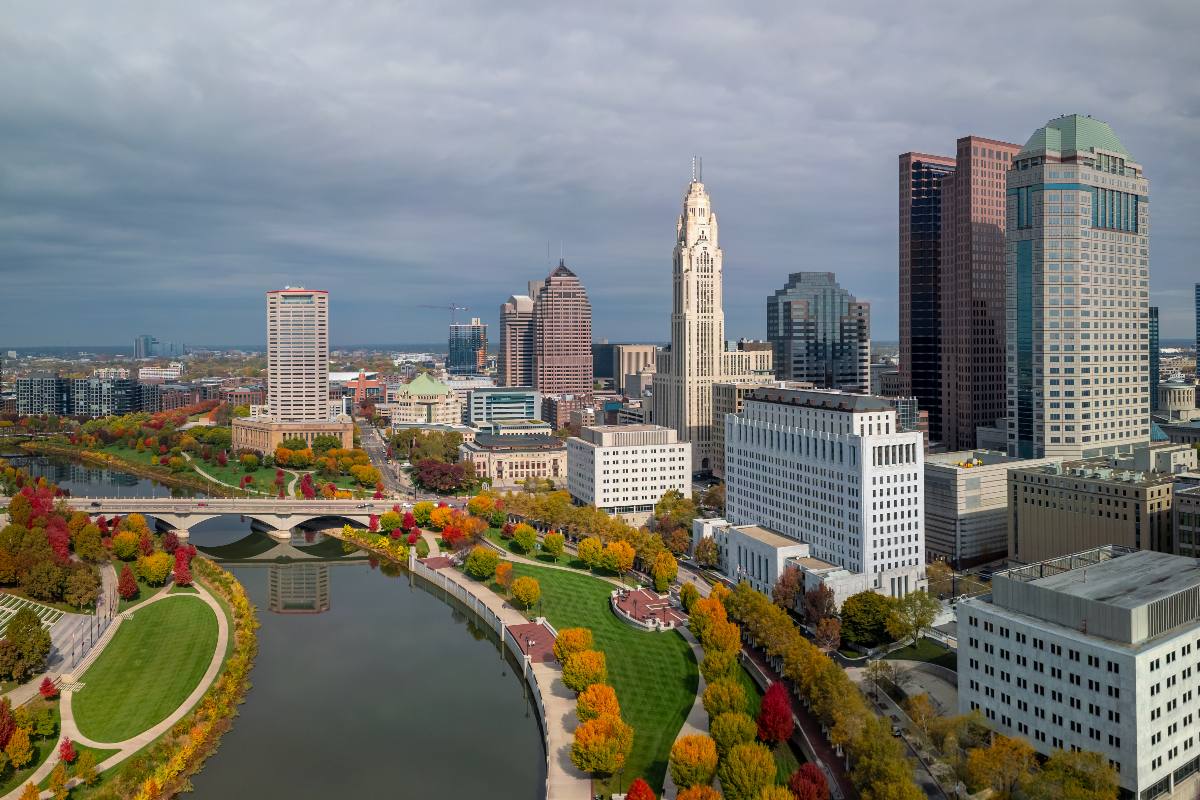
The Central Ohio Transit Authority (Cota) board of trustees has unanimously approved a ballot measure to create a dedicated funding stream for expanded modernised public transit, hundreds of miles of sidewalks, bikeways, and pathways throughout more than 40 communities in Cota’s service area.
If approved, the levy would generate the public funding portion of the revenue to initiate the LinkUS Initiative, a comprehensive mobility solution to address growth, affordability, sustainability, and opportunity in the region.
The plan was created through a partnership between Cota, the City of Columbus, the Mid-Ohio Regional Planning Commission, and the Franklin County Board of Commissioners, and with feedback from local municipalities, organisations, and community members.
“It is time for Central Ohio to join all the other regions of our size in creating a modern transit system for all modes, including transit, bikes, and cars,” said Monica Tellez-Fowler, Cota president and CEO. “We know that a modern public transit system can transform lives and communities for the better. I thank the Cota board of trustees for empowering voters with the opportunity to choose improved transit service and walkable, safer, and more connected neighbourhoods.”
“It is time for Central Ohio to join all the other regions of our size in creating a modern transit system for all modes, including transit, bikes, and cars”
The ballot initiative asks voters to increase the current local sales tax by half a penny. The result would take Cota’s share from 0.5 per cent to one per cent. Residents of Cota’s service territory, which includes all of Franklin County and portions of Delaware, Fairfield, Licking and Union counties, will vote on the issue.
“As Central Ohio continues to grow, our prosperity relies on connecting our communities to job opportunities,” said Chris Amorose Groomes, chair, Mid-Ohio regional planning commission and mayor, City of Dublin. “The LinkUs Mobility Initiative will provide access to high-quality transportation to all of our residents to ensure that as our region grows bigger we grow better.”
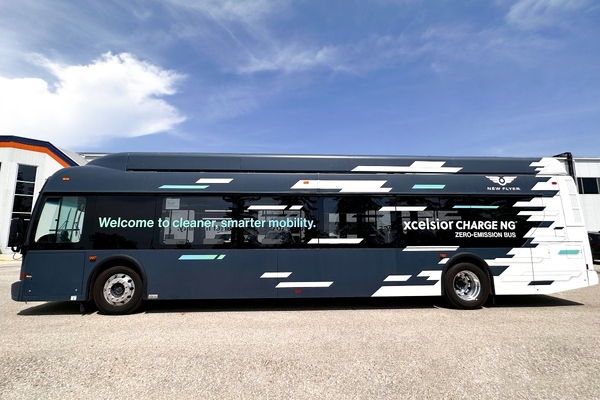
Columbus is the only city of its size without a rapid transit system. The LinkUS Initiative will help alleviate traffic as growth continues, by making buses faster and more reliable while adding new walking and bikeway connections. If the initiative is successful, Cota will increase transit service by 45 per cent. The funding will support more on-demand service, additional fixed-route lines, and increased frequency and service hours on existing lines.
“In my role as president of the Columbus Urban League, I see firsthand the need to bring more reliable and more dignified transportation options to Central Ohio,” said Stephanie Hightower. “Our focus at the Columbus Urban League is to empower the community and drive economic transformation, foundational education, and family stabilisation.”
“The LinkUs Mobility Initiative will provide access to high-quality transportation to all of our residents to ensure that as our region grows bigger we grow better”
The levy will also invest in more than 500 miles of new sidewalks, multi-use paths, and bikeways. This will allow cyclists and pedestrians to travel safely not only within their own communities, but between the suburbs and the central city, creating a network of connections for cyclists and pedestrians throughout the region.
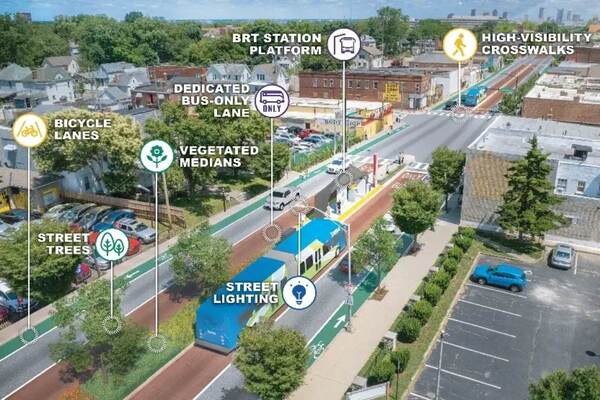
Beginning with the West Broad Street corridor, rapid transit buses will travel the majority of the time in dedicated lanes, aided by prioritised traffic signals and rail-style platforms that will speed up the boarding process. The East Main Street Corridor and a Northwest Corridor that includes Olentangy River Road and goes through and beyond Dublin’s Bridge Park will follow. Options for at least two more corridors are still under consideration.
Why not try these links to see what our SmartCitiesWorld AI can tell you.
(Please note this is an experimental service)
How will the LinkUS levy improve transit service frequency and coverage?What benefits will dedicated bus lanes bring to Central Ohio commuters?How does the initiative plan to enhance pedestrian and cyclist safety?In what ways will expanded transit support economic growth in the region?Which corridors are prioritized for rapid transit development under LinkUS?