
















BUILD YOUR OWN
RESOURCE LIBRARY



Opinions
Smart lighting: enabling smart cities beyond illuminationSponsored by Paradox Engineering

How AI and biometrics are shaping next-generation mobility paymentsSponsored by ST Engineering
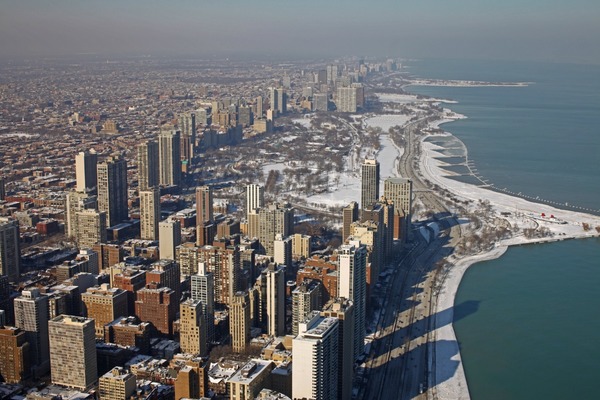
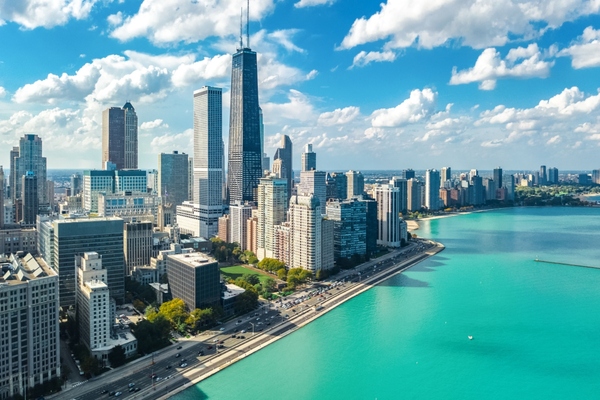
Chicago nears tree-planting target with 90 per cent achieved
Our Roots Chicago is a community-driven initiative to expand tree planting in the city, with a focus on underserved neighbourhoods with low tree canopy cover.


Chicago has announced it has reached a new milestone in its tree planting programme which includes planting trees with a focus on the city’s underserved and historically marginalised communities.
A key component of the City’s Climate Action Plan, “Our Roots Chicago” has reached 90 per cent of its target with 68,000 trees now planted throughout the city.
Successful planting season
Through a multi-departmental effort, the City reports it is on track to meet its overall project goal of 75,000 trees planted in 2026, following a successful planting season in 2025.
Our Roots Chicago is a community-driven initiative to expand tree planting in the city, with a focus on neighbourhoods with low tree canopy cover to ensure a more equitable distribution of trees across the city.
To mark the achievement, the mayor and leaders from the Departments of Environment (DoE), Streets and Sanitation (DSS) and Transportation (CDoT) gathered in Austin for a tree-planting ceremony.
“This project is a vital component of the Climate Action Plan and our efforts to eliminate disparities in public health, economic stability and quality of life for underserved communities”
“A robust tree canopy is essential to public health and the fight against climate change, however, there are unacceptable disparities in tree coverage depending on where you are in the city,” said mayor Brandon Johnson.
“My administration has worked to fill those gaps – growing the canopy in neighbourhoods particularly on the South- and West Sides of Chicago, which have too often been overlooked. I’m proud of our collective work, coming together to take bold action to create more equitable, healthy, and sustainable environments in communities across our city.”
Read More
The Our Roots Chicago project prioritises new planting in historically marginalised communities on the South and West Sides, where there is a shortage of trees. According to the City, in doing so, the effort equitably conveys ecosystem benefits to communities disproportionately impacted by the climate crisis.
“This project is a vital component of the Climate Action Plan and our efforts to eliminate disparities in public health, economic stability and quality of life for underserved communities,” said Angela Tovar, chief sustainability officer “Through historic investments and strong partnerships, we are creating meaningful impact for future generations while leaving no neighbourhood behind.”
“A robust tree canopy is essential to public health and the fight against climate change, however, there are unacceptable disparities in tree coverage depending on where you are in the city”
Trees are one of Chicago’s most important natural resources, providing improved air quality, lowering carbon emissions, providing critical habitats that help repair local biodiversity and reducing the overall effects of climate change. Additional benefits of trees include: healthier communities; lower energy bills; reduced pollution; reduced urban heat islands; and flood mitigation.
Trees are planted through a collaborative effort between the DSS Bureau of Forestry, which plants on parkways in residential areas, and CDoT, which plants on boulevards, medians and arterial streets.
Tree-related programmes
Community partners play an essential role in advancing and sustaining Chicago’s urban tree canopy. These organisations and residents collaborate with the City to inform tree-related programmes and policies and to help ensure accountability to our urban forestry goals.
Through the Tree Ambassador programme, a joint initiative of the City of Chicago and the Morton Arboretum, and the TreeKeepers’ programme, led by Openlands, community members receive specialised training to serve as dedicated stewards of the trees in their neighbourhoods.
Why not try these links to see what our SmartCitiesWorld AI can tell you.
(Please note this is an experimental service)
How does increased tree canopy improve air quality in urban areas?What strategies ensure equitable tree planting in underserved neighborhoods?How do trees contribute to reducing urban heat island effects?What roles do community programs play in sustaining urban forestry?How does tree planting support climate resilience and public health?air qualityChicagoClimate change/ResilienceEnergy & EnvironmentGovernance and CitizenHealth & Social CareinclusivityParks and green spaceresilienceurban space
Latest City Profile
SmartCitiesWorld Newsletters (Daily/Weekly)
You may also like these related articles...
BECOME A MEMBER
© 2026 SmartCitiesWorld
Smart Cities World Ltd, 27 Clements Lane, London, EC4N 7AE