














BUILD YOUR OWN
RESOURCE LIBRARY



Global ranking reflects cities’ post-pandemic resident-centric urban priorities
Influencing factors for BCG’s Cities of Choice ranking included quality of life, economic opportunities, social capital, interactions with authorities and speed of change.


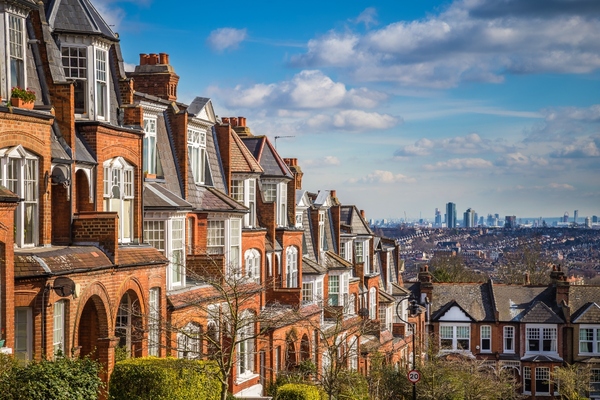
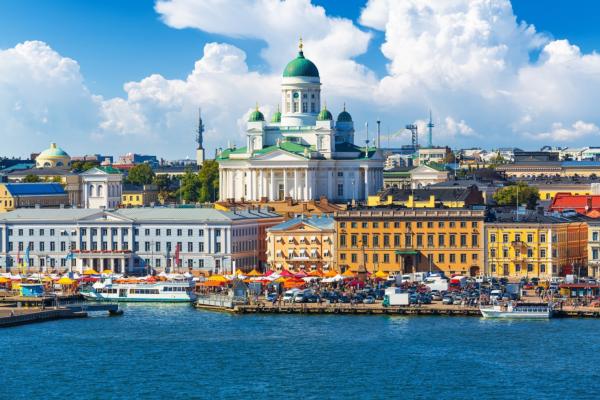
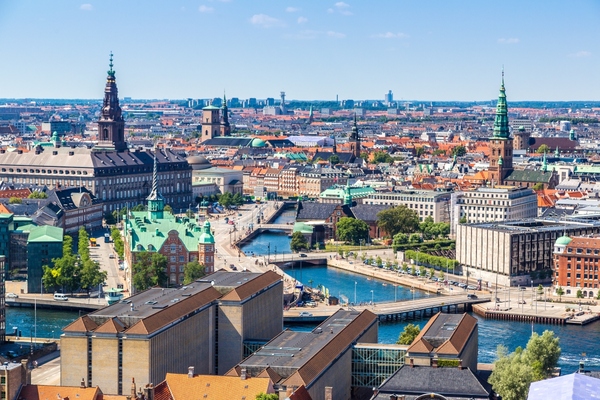
London, New York, Helsinki, Copenhagen, and Abu Dhabi have been named as the leading cities in new research to determine the best cities in which to live around the world.
The global study, conducted by Boston Consulting Group (BCG) and BCG Henderson Institute, surveyed 25,000 residents in 80 cities using 155 metrics to understand their satisfaction with urban life to come up with a final ranking of 45 cities.
Social capital
Influencing factors for BCG’s Cities of Choice ranking included quality of life, economic opportunities, social capital, interactions with authorities, and speed of change.
Publication of the study also coincided with the launch of a universal measurement tool from BCG aimed at city administrations to help assess and manage their cities.
According to BCG, its ranking is both human-centric and provides objective assessment. The ranking’s structure is based on the specific priorities and preferences of residents of each city. At the same time, using statistical indicators in the ranking ensures an objective assessment and comparability between cities and is not biased by cultural specifics or differences in levels of expectations.
Among the key findings which put London at the top were: great public transport – with only eight per cent residents reporting that the station/bus stop they use is too far from their home/work place, compared to 20 per cent on average in top-five cities; and inclusivity – 68 per cent of female respondents agree that people have equal opportunities regardless of their gender, ethnicity/race, in comparison to 51 per cent on average in top-five cities.
“Our goal was to create a useful tool for urban policy development in the ‘new reality’ we are all facing following the outbreak of the coronavirus”
While many cities considered advanced are at the top of the ranking, there were some unexpected results: several of the expected leaders – Paris, Toronto, Vancouver – ended up in the middle of the list (26, 20, 29 respectively) while a few fast-growing cities that rarely top the global rankings joined the group of leaders.
The four highest ranking emerging market cities are located in China (Beijing and Shanghai) and the UAE (Abu Dhabi and Dubai). The study noted these cities have “decisive and innovative” governments with a clear agenda in shaping their cities. At the same time, they share a people-centric strategic focus that is reflected, for example, in Shanghai’s 2040 plan and Dubai’s Happiness Agenda.
Read More
“There is no doubt that living environment in cities is a major contributor to people’s happiness, as it affects factors that drive it, from physiological needs to social integration. We can measure happiness by asking people about their satisfaction with different aspects of the city life and deriving an advocacy score,” said Vladislav Boutenko, fellow, BCG Henderson Institute.
“Unfortunately, due to its subjective nature, the advocacy score can’t be used to directly compare two cities. That’s why we decided to develop an index that measures objective factors across all areas of residents’ lives. Our goal was to create a useful tool for urban policy development in the ‘new reality’ we are all facing following the outbreak of the coronavirus.”
The study found there is a trend for urban development priorities to shift away from infrastructure problems to addressing the needs of the people. This trend stems from the fact that high satisfaction among residents increasingly contributes to the sustainable development of a city, and therefore becomes beneficial to its administration.
“Unfortunately, due to its subjective nature, the advocacy score can’t be used to directly compare two cities. That’s why we decided to develop an index that measures objective factors across all areas of residents’ lives”
While the fundamental conditions that the ranking measures reflect the availability and quality of elements of the urban environment, including the infrastructure and services available in the city, BCG said its research shows that to fully address people’s needs, it is also important to address two key issues.
First, ensure that people have successful experiences while using the infrastructure and services. This depends on high-quality processes, proximity of infrastructure, and a variety of service delivery formats. Working on these fundamental conditions will significantly increase the return on investment expressed as an increase in advocacy score.
Second, accompany improvements with effective communication to better convert them into higher advocacy scores, and to manage residents’ expectations. Analysis of satisfaction among different segments of city residents shows that less well-informed residents often perceive fundamental conditions to be worse than do better informed ones. For example, childless people rate the education system significantly worse than those who are exposed to it every day.
Read the full report here at Cities of Choice.
Why not try these links to see what our SmartCitiesWorld AI can tell you.
(Please note this is an experimental service)
How does citizen engagement improve urban policy effectiveness post-pandemic?What role does social capital play in enhancing city residents' satisfaction?How can cities measure and improve interactions between residents and authorities?What strategies increase inclusivity and equal opportunities in urban environments?How do innovative governance models accelerate positive urban change?Abu DhabiBCGBeijingBoston Consulting Groupcitizen engagementCopenhagenDubaiEconomy and financeGovernance and CitizenHelsinkiLondonmobilityNew YorkPolicy MakingShanghaiUAEurban space
Latest City Profile
SmartCitiesWorld Newsletters (Daily/Weekly)
You may also like these related articles...
BECOME A MEMBER
© 2026 SmartCitiesWorld
Smart Cities World Ltd, 27 Clements Lane, London, EC4N 7AE