









By adding the remaining corridors to the existing Scoot network of intersections, the Californian city will have all arterials operating based on real-time roadway demands.
The City of Monterey, California, is to expand its adaptive traffic control system to additional corridors within the city.
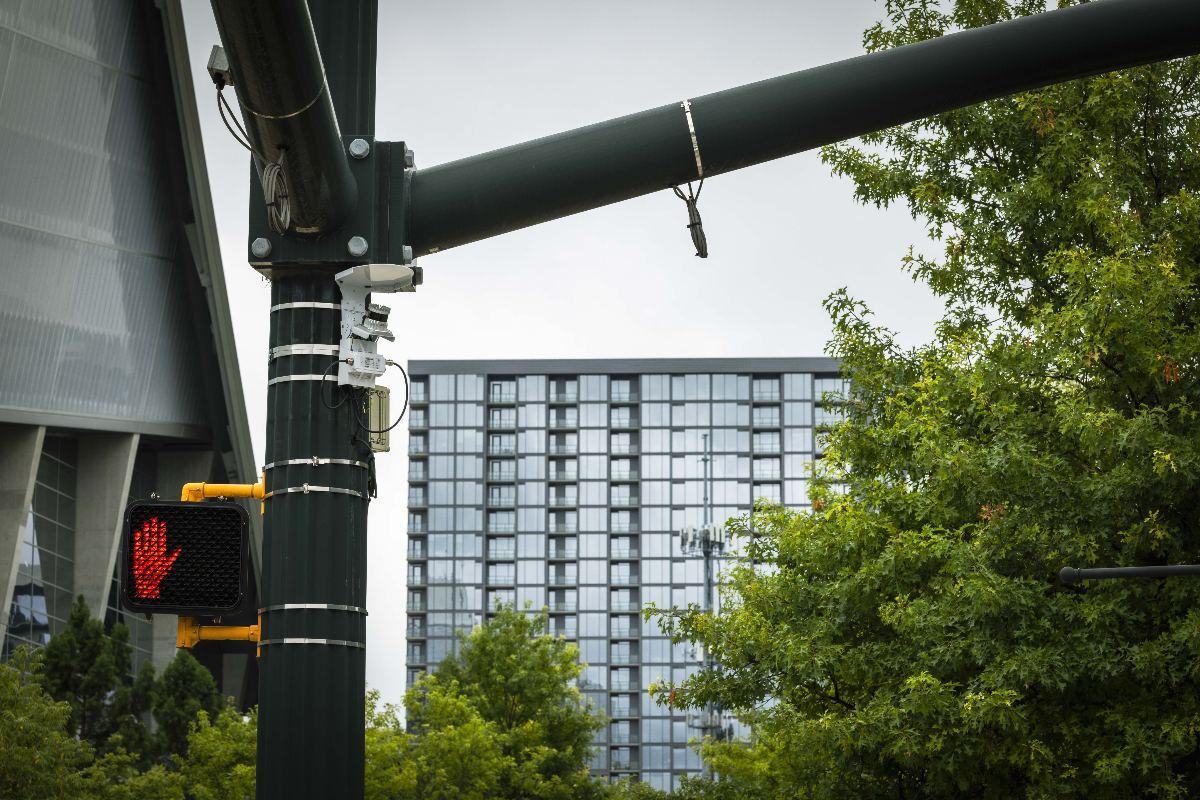
Scoot (split cycle offset optimisation technique) models traffic detected on the street to adapt three key traffic control parameters continuously – the amount of green for each approach (split), the time between adjacent signals (offset), and the time allocated for all approaches to a signalised intersection (cycle time).
As a result, the signal timing evolves with the changing traffic volumes and demands making the system a one-of-a-kind predictive adaptive traffic solution, according to Western Systems.
Several years ago, Western Systems worked with Monterey on the city’s first implementation of Scoot at intersections along Lighthouse, Del Monte and the North Freemont corridors. Since its implementation, Monterey reports traffic has significantly improved. The before and after study on Lighthouse Avenue showed:
Following success of the first implementation, the City will be adding Scoot to additional intersections along the Munras, Foam, Pacific and Franklin corridors. These corridors experience high traffic volumes and unpredictable peaks, which leads to inefficient traffic and increased vehicle emissions.
“With all main corridors running Scoot, the city will have less stop and go traffic, improved travel times and a reduction in greenhouse gas emissions”
“By adding the remaining corridors to the existing Scoot network of intersections, the city will have all arterials operating based on real-time roadway demands,” said Andrea Renny, city traffic engineer, City of Monterey.
“As a popular tourist destination, our traffic can be unpredictable and have significant variations that are difficult to address using traditional time of day signal timing methods. With all main corridors running Scoot, the city will have less stop and go traffic, improved travel times and a reduction in greenhouse gas emissions.”
In partnership with Yunex Traffic, Western systems will be providing design and engineering services, products, and installation support for this project, set to kick off later this summer.
In addition to the Scoot product, Western Systems will be providing new Stretch M traffic signal cabinets and M60 Yunex controllers.
Why not try these links to see what our SmartCitiesWorld AI can tell you.
(Please note this is an experimental service)
How does Scoot optimize traffic signal timing in real-time?What measurable improvements occurred after Scoot implementation in Monterey?How will expanding Scoot reduce greenhouse gas emissions in Monterey?What challenges does Scoot address compared to traditional signal timing?Which new technologies support the expanded Scoot traffic system?