







BUILD YOUR OWN
RESOURCE LIBRARY



Toyota to build prototype future city in Japan
Woven City will be home to 2,000 residents and researchers who will test and develop smart city technologies.


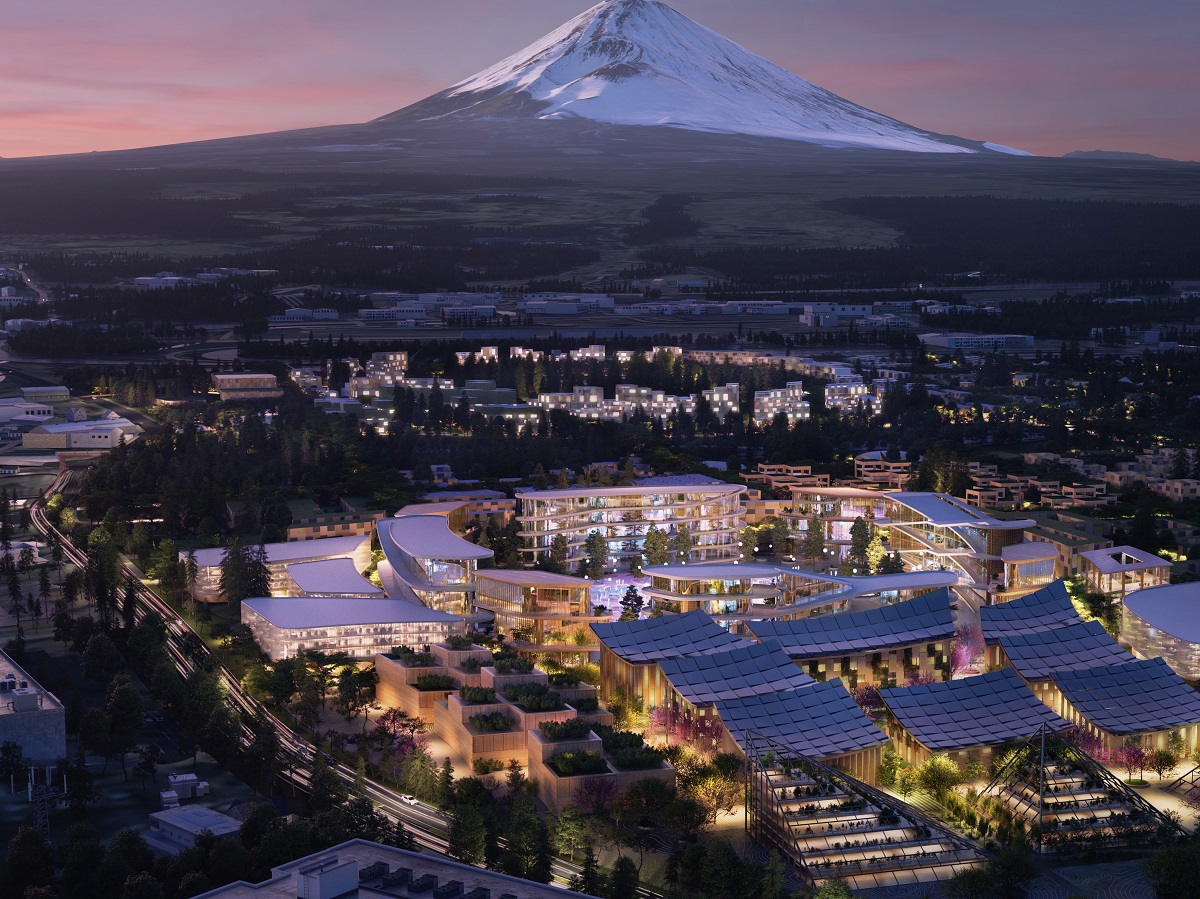
Toyota has revealed plans to build a prototype ‘city of the future’ on a 175-acre site at the base of Mount Fuji in Japan.
Pitched as a "living laboratory," Woven City will be home to full-time residents and researchers who will test and develop technologies such as autonomous vehicles, robotics, personal mobility, smart homes and artificial intelligence (AI).
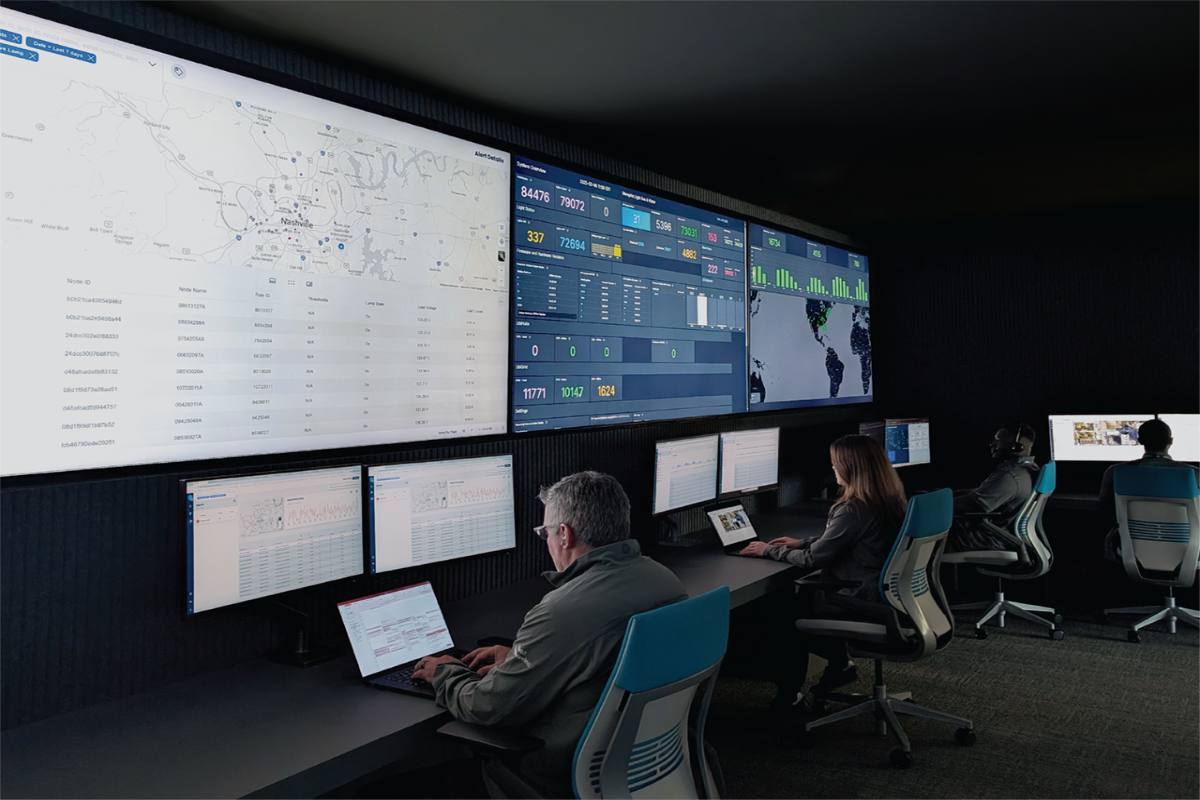
"Building a complete city from the ground up, even on a small scale like this, is a unique opportunity to develop future technologies, including a digital operating system for the city’s infrastructure," said Akio Toyoda, president, Toyota Motor Corporation, announcing the initiative at the CES tech trade show in Las Vegas. "With people, buildings and vehicles all connected and communicating with each other through data and sensors, we will be able to test connected AI technology in both the virtual and the physical realms, maximising its potential."
"Building a complete city from the ground up, even on a small scale like this, is a unique opportunity to develop future technologies, including a digital operating system for the city’s infrastructure"
Initially, 2,000 people – mainly Toyota employees and their families, retired couples, retailers, visiting scientists and industry partners – will live in Woven City and this number will grow as the initiative develops.
Toyota is inviting commercial and academic partners as well as interested scientists and researchers from around the world to come and work on their own projects in the real-world incubator.
City design
For the design of Woven City, Toyota has commissioned architecture firm Bjarke Ingels Group (BIG). The team has designed many high-profile projects, including the 2 World Trade Centre in New York, Lego House in Denmark, and Google’s Mountain View and London headquarters.
"A swarm of different technologies are beginning to radically change how we inhabit and navigate our cities," said Bjarke Ingels, founder and creative director, BIG.
"Connected, autonomous, emission-free and shared mobility solutions are bound to unleash a world of opportunities for new forms of urban life. With the breadth of technologies and industries that we have been able to access and collaborate with from the Toyota ecosystem of companies, we believe we have a unique opportunity to explore new forms of urbanity with the Woven City that could pave new paths for other cities to explore."
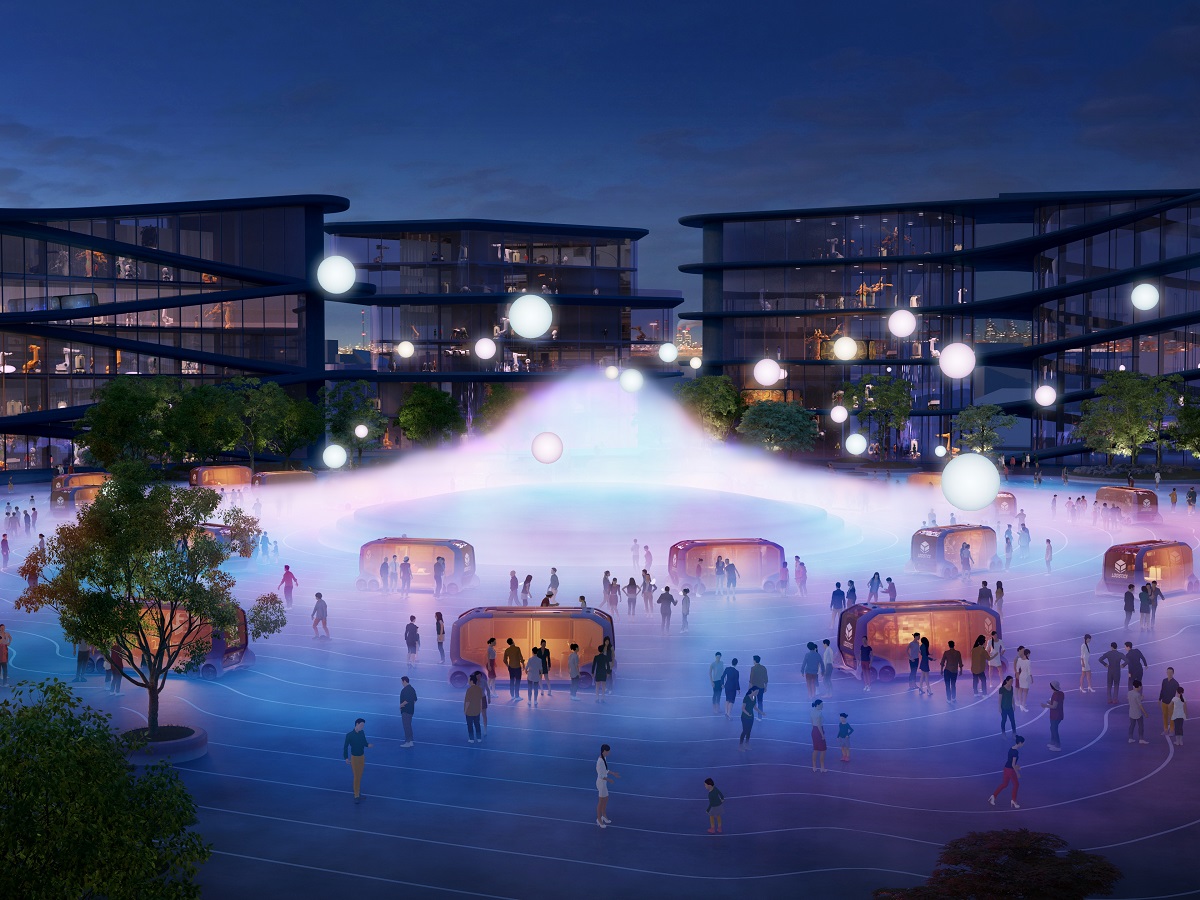
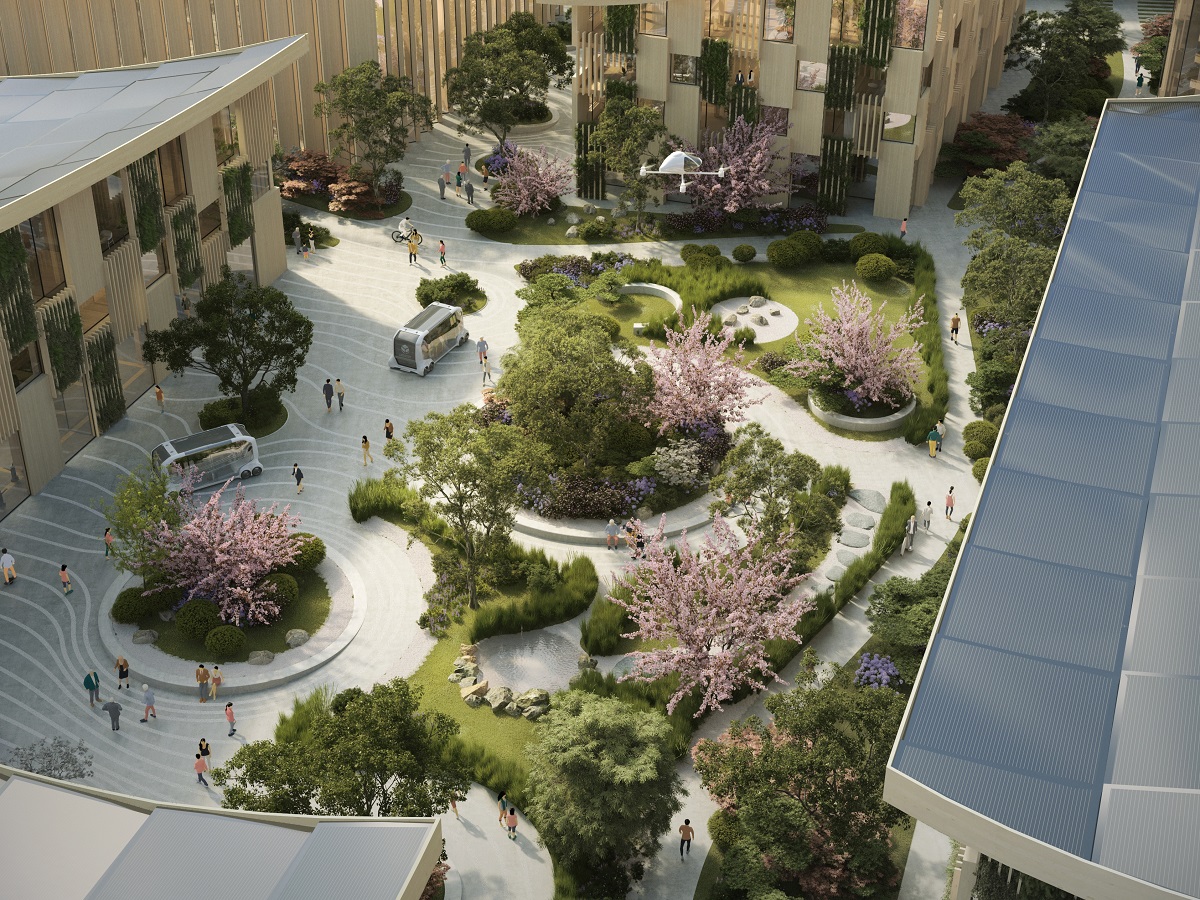
The masterplan of the city includes designations for three types of usage: areas for faster vehicles only; streets for a mix of lower-speed, personal mobility and pedestrians; and a park-like promenade for pedestrians only. These three street types weave together to form an “organic grid pattern” which aims to help accelerate the testing of autonomous vehicles.
Sustainability
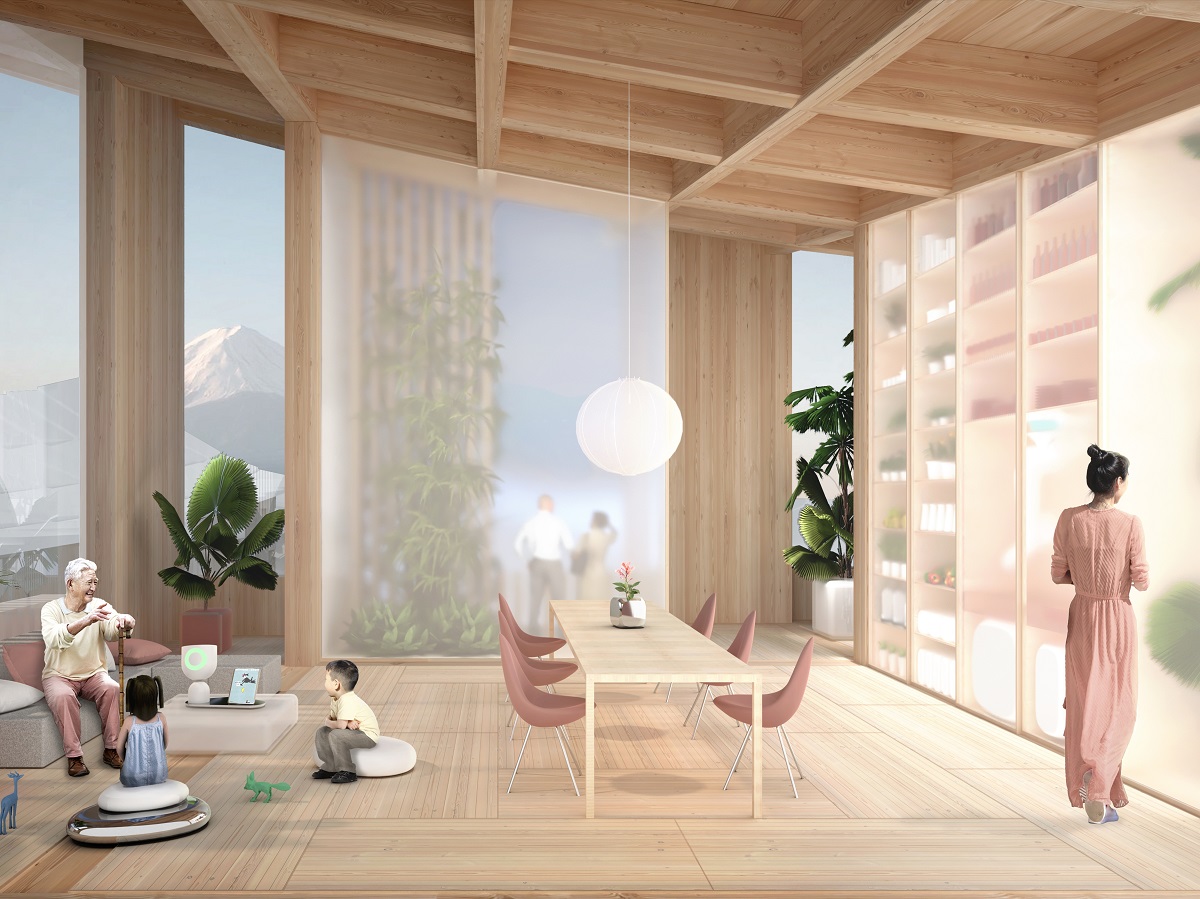
Buildings will be mostly made of wood to minimise the carbon footprint and will be built using traditional Japanese wood joinery, combined with robotic production methods. The rooftops will be covered in photo-voltaic panels to generate solar power in addition to power generated by hydrogen fuel cells. Toyota plans to bring the outdoors in throughout the city, with native vegetation and hydroponics.
The rooftops will be covered in photo-voltaic panels to generate solar power in addition to power generated by hydrogen fuel cells
Residences will be equipped with technologies such as in-home robotics and sensor-based AI to check occupants’ health.
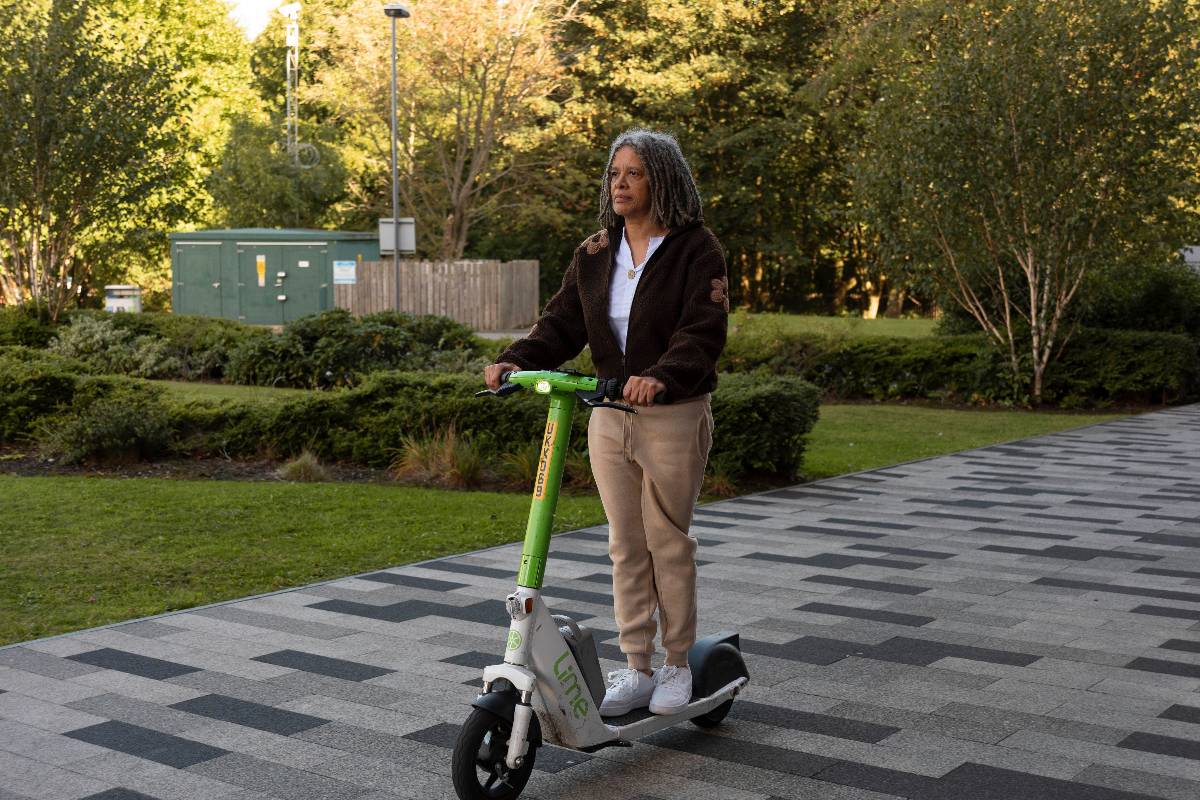
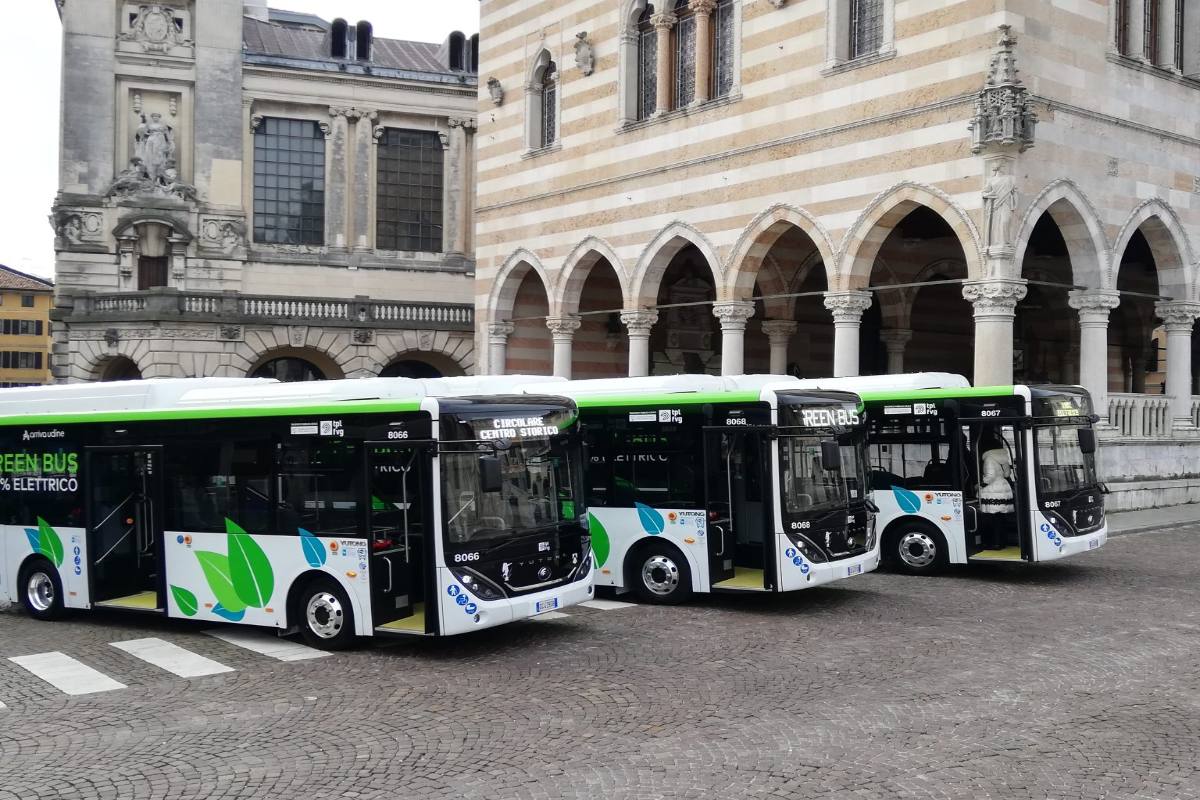
To move residents through the city, only fully autonomous, zero-emission vehicles will be allowed on the main thoroughfares. Autonomous Toyota ’e-Palettes’ will be used for transportation and deliveries, as well as for flexible mobile retail.
There will be neighbourhood parks and a large central park, as well as a
central plaza for social gatherings.
The site development will begin in early 2021.
You might also like:
- The Orbit high-tech development aims to reimagine rural living in Canada
- Culdesac to build car-free neighbourhood in Arizona
- NYC development to showcase ’nature’s civil engineering’ for waterfront resilience
Why not try these links to see what our SmartCitiesWorld AI can tell you.
(Please note this is an experimental service)
How will AI and sensors optimize infrastructure management in Woven City?What sustainability benefits arise from using wood and solar power buildings?How can autonomous vehicles improve mobility and reduce emissions in the city?In what ways will in-home robotics support residents' health monitoring?How does the city’s organic grid design enhance autonomous vehicle testing?ageing societyartificial intelligenceBuildingsCAVscitizen engagementClimate change/ResilienceCommercialConnectivityDataDevicesEnergyFeaturedhealthHOMEhousinghydrogenJapanLondonNetworkNew YorkNews highlightsRenewablesRetailRoadSensorssmart homesolar powerToyotaTransportWoven City
Latest City Profile
SmartCitiesWorld Newsletters (Daily/Weekly)
You may also like these related articles...
BECOME A MEMBER
© 2026 SmartCitiesWorld
Smart Cities World Ltd, 27 Clements Lane, London, EC4N 7AE