















A competitive cities tracker from Arup reveals that cities must focus more on issues like climate action to be successful in the future and attract investment.
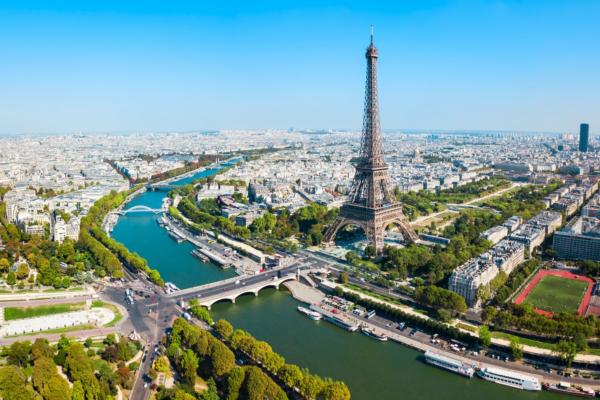
Paris, Vancouver, and Singapore are among the cities rated and judged to be leaders in the future, according to a new competitive cities tracker.
A report based on the findings also reveals that cities must focus far more on issues like climate action and demographic shifts to be successful in the future and urges cities to think beyond traditional indicators like economic performance and transport infrastructure to attract investment.
The City Competitiveness Redefined Tracker from sustainable development consultancy Arup shows which cities are best placed for long-term success. It measures 63 cities against 37 future success indicators – with around one quarter focused on climate action.
These indicators span four key assessment areas for city competitiveness: investor attractiveness, assets and infrastructure, liveability and lovability, and urban management and governance.
“Cities must build resilience into every aspect of planning and operations – from changing climates to energy and water security – or risk becoming unattractive to investors and citizens”
Paris, Vancouver, and Singapore received a high ‘best in class’ rating due to clear action on critical factors for long-term success, like flood risk and access to renewable energy, along with other major issues like demographic shifts and liveability. Other cities were categorised as ‘leader’, ‘contender’, ‘emerging’, or ‘aspiring’ based on preparedness for future success.
The analysis up-ends some traditional assumptions about globally competitive cities and reveals how tomorrow’s leaders could be quite different from successful cities today. Lima is a leader for investor attractiveness, showing potential to challenge traditional powerhouse cities, with Peru rising as a regional leader in green finance.
Cities like Seoul, Melbourne, and Buenos Aires are championing climate action and resilience, and are also front runners for investor attractiveness. Barcelona, Berlin and Toronto, showed strong evidence of promoting inclusivity and equality – a major factor for future success. But only 29 per cent of cities scored well on inclusivity, showing the need for major improvement globally.
The tracker demonstrates how cities are already under siege from climate change. The World Bank estimates the number of people vulnerable to floods has risen to 1.8 billion and it has been estimated that the number of cities exposed to extreme temperatures – 35°C and above – will triple by 2050.
The report authors advise that there is a growing relationship between cities with strong climate resilience and mitigation plans, and their potential to attract and retain investment, business, and talent. The tracker found 76 per cent of cities studied have well-developed climate strategy plans, and authors warn that cities need to put them into action as failure to manage climate risks can be detrimental to a city’s global competitiveness.
Miami is one city shown in the study that has taken clear action to manage its exposure to climate hazards. It launched a $400m ‘forever bond’ to finance climate resilience, helping build more water pumps, flood defences, and other vital infrastructure. And while almost half of the cities in the study have chief sustainability or resilience officers, Miami went a step further by hiring the world’s first chief heat officer.
“This new tracker shows how boosting resilience is a win-win for cities and their residents”
“Traditional economic and infrastructure indicators are no longer sufficient to gauge a city’s long-term competitiveness,” said Andy Hodgson, global advisory services leader at Arup. “Cities must build resilience into every aspect of planning and operations – from changing climates to energy and water security – or risk becoming unattractive to investors and citizens.
“Those cities that do this will be better positioned to thrive in the long term by protecting their people and assets whilst attracting investment. And there are new, emerging cities leading the way in building resilience to extreme weather like severe heatwaves and flooding and challenging the traditional powerhouses.”
Mark Watts, executive director at C40 Cities, added: “This new tracker shows how boosting resilience is a win-win for cities and their residents. This tracker goes beyond just telling them what they are already doing well and shows the direction they need to take to remain attractive to investors.”
Why not try these links to see what our SmartCitiesWorld AI can tell you.
(Please note this is an experimental service)
How do climate action strategies improve a city's investor attractiveness?What indicators best measure a city's resilience to climate change?How can cities integrate demographic shifts into long-term planning?What role does renewable energy access play in urban competitiveness?How do chief sustainability officers impact city climate resilience efforts?