










BUILD YOUR OWN
RESOURCE LIBRARY



Opinions
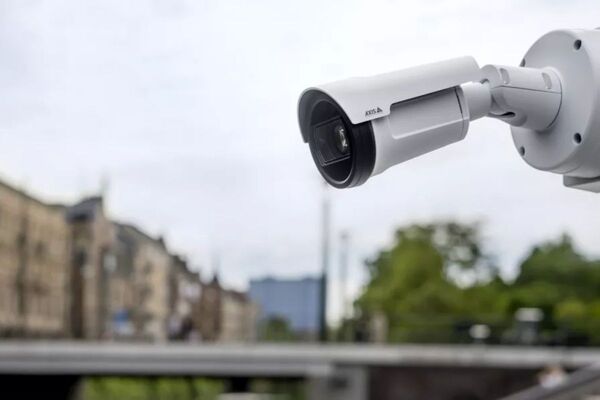
Beyond video: how cameras as IoT sensors are changing city safety operationsSponsored by Axis Communications

Building smarter cities: scaling sustainability and efficiency with smart city platformsSponsored by ST Engineering
OnDemand COP30 Webinar: Powering the future: energy innovation for people and planet
Webinars01 Oct 2025


Date recorded: Tuesday 11 November 2025
Length: 60 minutes + Q&A
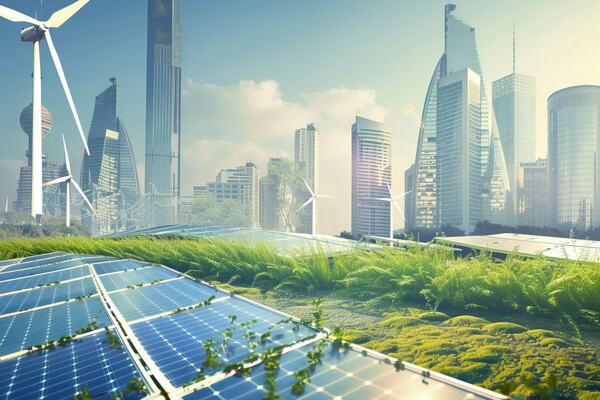
Energy systems are the foundation of climate action, but cities need new approaches to balance technical innovation with social equity and environmental resilience. The energy transition now spans everything from advanced renewables and smart grids to nature-based cooling and community engagement programmes.
This webinar examines how cities are creating energy systems that are both innovative and people-centred. It highlights how digital tools, IoT-enabled efficiency platforms, and AI optimisation are driving progress, alongside community-focused initiatives that ensure inclusivity in the transition.
Key talking points:
- Next-generation renewables, smart grids, and storage systems
- AI and digital twins for optimising distributed energy infrastructure
- The role of behavioural change and community initiatives
- Integrated examples of city-led energy innovation.
Key learnings:
- Understand how cities are combining technology, nature, and people-centred approaches
- Learn which innovations are most effective for urban energy resilience
- Explore how to build inclusive, future-ready city energy systems.
Speakers
 |
James Nowlan, Executive Director, Environment, Climate and Forestry City of Toronto
James Nowlan is the Executive Director of Environment, Climate and Forestry at the City of Toronto. He oversees the team responsible for the development of corporate environment and climate policies, such as TransformTO the City’s strategy to be net-zero by 2040, the Net-Zero Existing Buildings Strategy and the Electric Vehicle Strategy, working with many City of Divisions, agencies and external partners in the community. The Division also works on a number of innovative projects that support achieving City climate goals, and oversees a number of funding programs such as the Energy Retrofit Loan program and the Home Energy Loan Program. |
|
 |
Alanna Gluck Engagement Lead CReDO
A native New Yorker, Alanna Gluck has worked in local and national programme delivery in the US and Spain before relocating to the UK. As Delivery and Engagement Manager at Connected Places Catapult, Alanna leads and contributes to several projects in both an advisory and delivery capacity, providing insight on policy and market intervention development and analysis, and engagement activities. She believes that better use of the built environment improves social, economic and environmental outcomes for people and places, with a special interest in the interface between the digital operation of infrastructure and improved public services including public health and education. |
|
 |
Luke Antoniou SmartCitiesWorld
Luke has been reporting on the implementation of smart technologies that benefit citizens and the public sector since 2017.
He has a particularly keen interest in smart and sustainable mobility and its role in influencing the decisions of urban planners, citizens and governments alike.
As rapid urbanisation continues, he keeps his finger on the pulse of the myriad urban challenges facing local and central governments, making new connections in the public and private sectors and finding new angles from which to cover the latest smart city developments around the world. |
Why not try these links to see what our SmartCitiesWorld AI can tell you.
(Please note this is an experimental service)
How can AI optimise distributed energy infrastructure in urban environments?What role do digital twins play in managing smart grid efficiency?How do IoT-enabled platforms improve energy consumption in cities?Which community initiatives best support inclusive energy transitions?How can nature-based solutions enhance urban energy system resilience?AI and Machine Learningclimate actionClimate change/ResilienceConnectivity & DataCOP30digital twinsInternet of Things (IoT)RenewablesresilienceSensors
Latest City Profile
SmartCitiesWorld Newsletters (Daily/Weekly)
You may also like these related articles...
BECOME A MEMBER
© 2025 SmartCitiesWorld
Smart Cities World Ltd, 27 Clements Lane, London, EC4N 7AE