












 22 - 26 June 2026: Find out more



BUILD YOUR OWN
RESOURCE LIBRARY



London trams depot in Croydon makes green transition
Sustainable transformation of the depot has seen a major upgrade to its heating and power system, improving energy efficiency and saving money in the long-term.


At a glance
Who: Transport for London (TfL); Department for Energy Security and Net Zero; Salix; and Vital Energi.
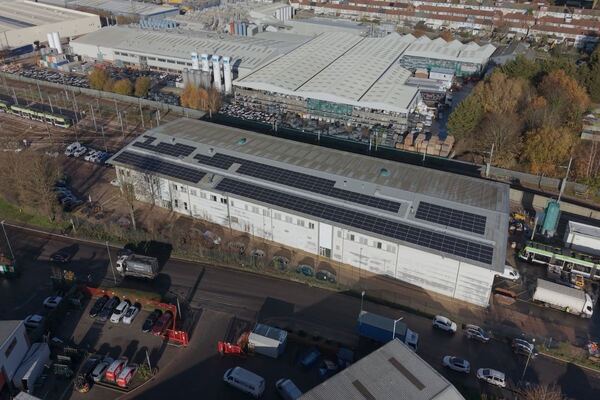
What: TfL Has sustainably upgraded the heating and power system at its Therapia Lane depot, where London Trams are based; it includes a range of low-carbon, electric heat pumps and infrared panel heaters, while the additional electricity consumption from the new heating system will be offset by 1,800m2 of solar rooftop panels.
Why: The measures are expected to cut carbon emissions by around 183 tCO2e annually and support the mayor’s ambition of a carbon-neutral capital by 2030. The project is also helping to close the green skills gap.
Where: Therapia Lane depot in Croydon. Upgrades are also taking place at TfL’s main head office Palestra House and similar technology is planned for other offices above stations like Aldgate, Baker Street, Oxford Circus and Victoria.
Transport for London (TfL) has announced that it has sustainably upgraded the heating and power system at its Therapia Lane depot, where London Trams are based.
By adapting the Croydon depot in its biggest overhaul since it opened 27 years ago, TfL reports the new heating and power system prepares the site for the future and ensures operational sites play a role in reducing climate change impact. The heating system has been modernised with a range of low-carbon, electric heat pumps and infrared panel heaters, replacing the unsustainable fossil fuel gas boilers.
Higher energy performance
The infrared panel heaters target areas where staff work most, minimising ambient heat loss and achieving higher energy performance compared to traditional central systems. The heating system upgrade has also enhanced hot water delivery through the installation of energy-efficient, on-demand electric water heaters.
The additional electricity consumption from the new heating system will be offset by using 1,800m2 of solar panels on the roof of the depot, which will generate 187 kWp of energy. Energy savings will come from energy efficiency measures such as improved insulation and LED lighting, which will also create a better, brighter, and more comfortable working environment for staff.
“It is vital we invest now in making our operations cleaner and greener to reduce our emissions and build the next generation of green skills, further supporting the mayor’s ambition of a carbon neutral capital by 2030”
The measures are expected to cut carbon emissions by around 183 tCO2e annually – similar to the emissions from a modern housing development – delivering significant long-term sustainability benefits alongside operational cost-savings.
Work at Therapia Lane, carried out in a live operating environment working around the clock, will also help inform efforts to decarbonise other active operational buildings on TfL’s estate as well as depots across the country.
Read More
“The decarbonisation of Therapia Lane depot, one of the busiest operational spaces in south London, shows that it is possible to eliminate the use of fossil fuels from large, complex buildings as it runs on fully electric infrastructure,” said Lilli Matson, TfL’s chief safety health and environment officer.
“It is vital we invest now in making our operations cleaner and greener to reduce our emissions and build the next generation of green skills, further supporting the mayor’s ambition of a carbon-neutral capital by 2030.”
TfL also reports that the upgrade at Therapia Lane depot is also helping the wider industry close the green skills gap through net-zero placements. TfL and supplier Vital Energi are investing in the next generation of net-zero apprentices and graduates to help meet the UK’s net zero target and tackle climate change through working on TfL’s modernisation and decarbonisation projects.
“The decarbonisation of Therapia Lane depot shows that it is possible to eliminate the use of fossil fuels from large, complex buildings as it runs on fully electric infrastructure”
The project was part funded by the Government’s Public Sector Decarbonisation Scheme as well as the Public Sector Low Carbon Skills Fund. The funding is delivered by Salix and run by the Department for Energy Security and Net Zero.
While the Public Sector Decarbonisation Scheme helps fund energy efficiency works, the Low Carbon Skills Fund has funded heat decarbonisation plans and design.
As part of efforts to accelerate decarbonisation under the fund, major upgrades including air and water source heat pumps, LED lighting and using smart sensor technology to adjust ventilation, cooling and heating levels in real time at TfL’s main head office Palestra House are in the process of cutting fossil fuel reliance and reducing carbon emissions by more than 1,500 tonnes annually.
Similar technology is planned for other offices above stations like Aldgate, Baker Street, Oxford Circus and Victoria.
Why not try these links to see what our SmartCitiesWorld AI can tell you.
(Please note this is an experimental service)
How do electric heat pumps improve energy efficiency in tram depots?What role do solar panels play in offsetting depot electricity consumption?How can infrared panel heaters reduce ambient heat loss effectively?In what ways does the project support closing the green skills gap?How does the Public Sector Decarbonisation Scheme fund energy upgrades?climate actionClimate change/ResilienceEnergy & EnvironmentLondonmobilitynet zeroPeople and SkillsRailRoadsolar powerurban space

Latest City Profile
Latest Urban Exchange Podcast
Latest Special Report
SmartCitiesWorld Newsletters (Daily/Weekly)
You may also like these related articles...
BECOME A MEMBER
© 2026 SmartCitiesWorld
Smart Cities World Ltd, 27 Clements Lane, London, EC4N 7AE