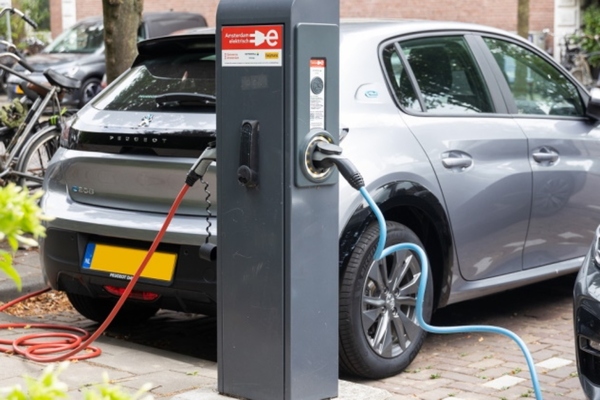
Schiphol Taxi Network is working with Invers CloudBoxx and GoodMoovs to implement the system for a growing fully electric fleet at the airport in Amsterdam.
European Sleeper passengers from Brussels, Amsterdam, Berlin, and Prague, can seamlessly plan and pay for their direct night train journeys within Moovit’s app.
The 2025 ProptechOS Smart City Index analyses 95 global cities, including the 50 largest cities by population in the US and 45 major cities across Europe.
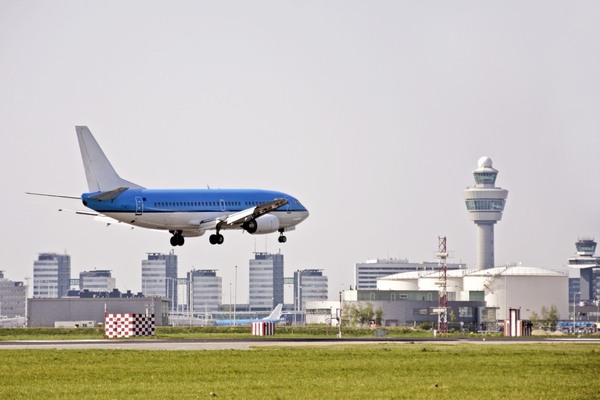
Partnership is aimed at driving Schiphol’s digital transformation to a future-ready airport with robust digital infrastructure that supports next-gen services.
ProptechOS evaluated 68 US and European cities against the smart city guidelines set out by the Organisation for Economic Co-operation and Development.
The airport is implementing a long-duration energy storage system to phase out polluting diesel ground power units that supply electrical power to aircraft.
The IESE analysed 183 cities in 92 countries worldwide for the 2024 Cities in Motion Index according to 114 indicators that feed into nine key dimensions.
Survey data suggests that negativity continues to grow towards the cost of electric vehicles, with many residents unable to commit to the higher price point.
Vianova is the only non-Dutch organisation in the consortium and will contribute mobility data to improve road safety and reduce carbon emissions in cities.
The digital signs are part of a broader approach by the Dutch city to reduce nuisance caused by noisy vehicles, which can have an impact on citizens’ health.
The Netherlands capital has published an online map of electric vehicle charging points following contributions from citizens on desired locations in the city.
Boston Consulting Group has surveyed more than 50,000 people in 79 cities to find out what makes urban residents want to move away from them or remain.
A study by ProptechOS looked at the 100 most populous cities in Europe and the US to discover which ones are the most adapted to emerging technologies.
The real estate company’s ultimate goal is to reduce embodied and operational emissions of its buildings to absolute zero by 2050 or earlier with its first net zero project in 2025.
The Digital Cities Index 2022 report by Economist Impact found that involving citizens in the design of smart city schemes underpins meaningful inclusion.
Research identifies that the most successful cities balance regulation, incentives, innovation and accelerators and work in partnership with landlords, investors, developers and occupiers.
The initiative, which will provide European cities with $25,000 for projects that use art and design to improve street safety and revitalise public spaces, spurred a reduction in traffic crashes in the US.
City and regional leaders are committing to accelerating the adoption of services within their own geographies through the new coalition, whose founding members include Amsterdam and Los Angeles.
Stockholm is ranked number one in mobile sustainability thanks to continued investment in electrification and micromobility infrastructure, as well as corresponding increases in walking and cycling.
The win was attributed to strong technology application, digital capability and pandemic performance and, for the first time in 14 years, more than half of the top 100 cities were from the US.
Three-year grants will fund innovation teams, or “i-teams,” to help mayors leverage data and digital technologies to enhance public services and create new value for communities.
Silicon Labs becomes part of the private, public and academia ecosystem set up in Hyderabad, which will help to enable the country’s smart cities and drive economic growth.
Locations chosen for the trials in the Horizon 2020 project are Santiago de Compostela in Spain, Cranfield in the UK and Amsterdam and Rotterdam in the Netherlands.
Course has been designed in partnership with the cities of Helsinki, Amsterdam and London and aims to help public administration, businesses and the public understand what the ethical use of AI means.
The 2020 Smart City Index measures citizens’ perceptions of the impact that technology has on their lives, surveying them on areas such as governance, health and safety, mobility and opportunities.
Prepared by IESE Business School´s Centre for Globalisation and Strategy, the Cities in Motion Index 2020 analyses the level of development of 174 world cities.
The study by British Business Energy examines cities across the globe to determine which offer the best and worst options for the eco-conscious worker.
The Cities Coalition for Digital Rights has issued recommendations for the responsible use of digital technologies such as contact-tracing and surveillance tools in response to the pandemic.
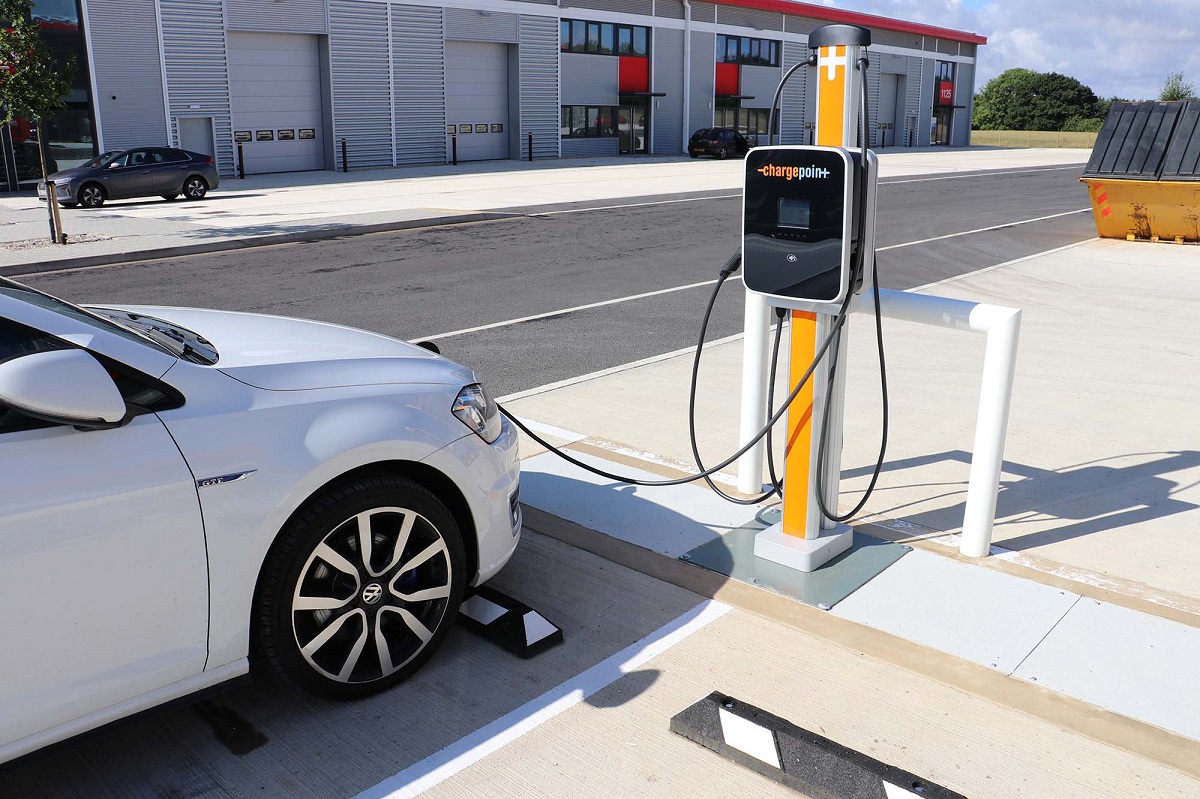
E-mobility is set to transform all aspects of transportation across the next decade as the technology becomes mainstream, writes Christopher Burghardt, Managing Director for Europe, ChargePoint.
Chaired by the mayor of Milan, the task force has been established to drive forward an economic recovery that improves public health, reduces inequality and addresses the climate crisis.
A new report by eDelivery explores how retailers and carriers are looking for new ways to reduce carbon emissions and meet customer expectations of sustainability.
A simple way to control personal data could foster greater trust around smart city initiatives and open up a discussion around what citizens really find valuable – an extension of participatory budgeting, giving people a say in how they ‘spend’ their data.
As part of DECODE, pilots in Amsterdam and Barcelona over the last three years have used advanced technology to allow citizens to decide with whom they share their data and on what terms.
A report by the World Economic Forum also finds that traffic congestion is expected to add the equivalent of 11 minutes to each passenger’s daily commute in the top 100 cities.
The Bloomberg Philanthropies initiative aims to help the cities deliver "high impact" digital services and share lessons learned with the rest of the world.
The index by the Oliver Wyman Forum ranks 30 cities on how prepared they are to incorporate the latest mobility technologies and what they are doing to reshape urban mobility.
New mobility options can improve the livability of cities but without the right strategy could have the polar opposite effect, say authors Giel Mertens and Rolf Bastiaanssen of Bax & Company, and Nico Larco of the University of Oregon.
The study by digital healthcare start-up Medbelle sought to identify the leading hospital cities based on a range of criteria, including citizen accessibility.
A new ranking reveals that Singapore, London and New York are marginally better prepared but governments and private sector institutions around the world need to do more.
The UK capital stood out from other cities in areas such as social entrepreneurship, co-working spaces, education, artificial intelligence and concerts.
The Economist Intelligence Unit’s Safe Cities Index 2019 ranks 60 cities across 57 indicators covering digital, health, infrastructure and personal security.
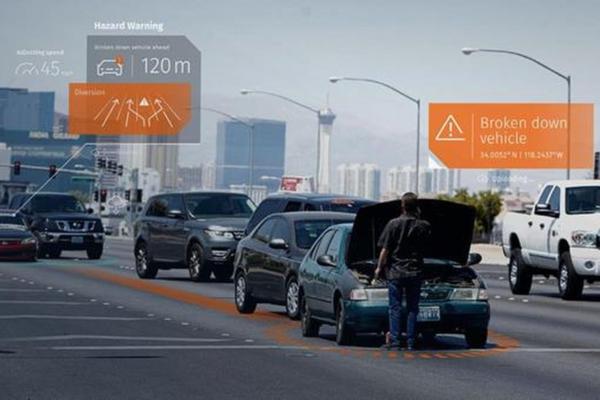
The Lane Hazard Warning system from Mitsubishi Electric and Here Technologies enables real-time sharing of the precise location of incidents from car-to-cloud-to-car.
Improving mobility is complex, affected by many inter-related and shifting trends. Phil Williams, Director of Strategic Partnerships at Iomob, looks at how we move towards ’mobility heaven’ and avoid ’driverless car hell’.
The Cities Coalition for Digital Rights is calling on cities around the world to commit to harnessing technology to provide trustworthy and secure digital services and infrastructure.
Smart cities are about people – and that includes the workers required to drive the transformation. Sarah Wray examines the skills challenge facing cities.