



















Discover how AI-powered digital twins are transforming urban infrastructure and how these innovations can improve efficiency, resilience, and sustainability.
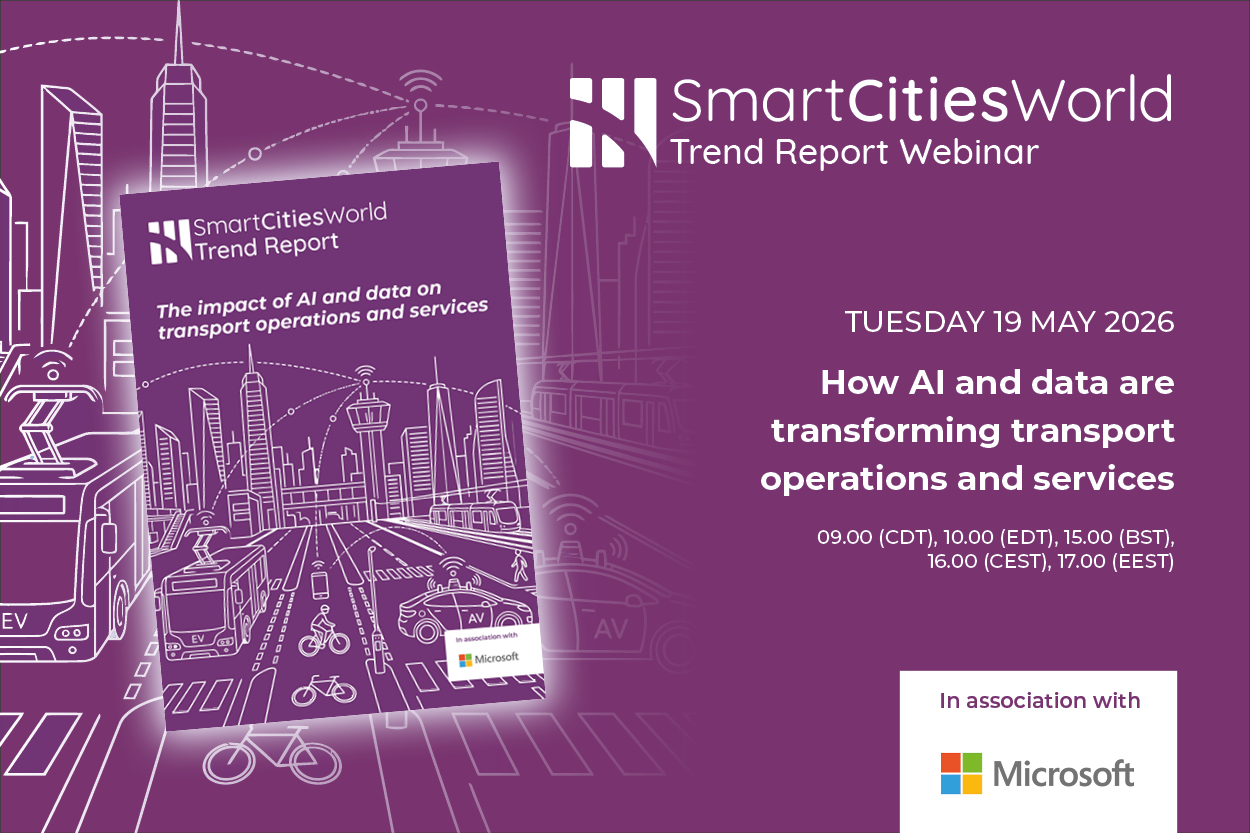
Explore how data and AI are being used in urban transport networks to support planning, day-to-day operations, and improve outcomes for communities and passengers.
As cities confront the combined pressures of climate change, infrastructure resilience and digital transformation, the SmartCitiesWorld Summit 2026 will bring together urban leaders and partners during London Climate Action Week to explore how these agendas intersect – and how cities can translate strategy into practical action.
Find out how Sunderland is repositioning itself as a leading smart city – using digital infrastructure and low-carbon innovation to build a resilient, future-focused economy in the latest SmartCitiesWorld City Profile.
Find out how Dublin is innovating to improve experiences and services for its communities in the latest SmartCitiesWorld City Profile, including digital twin projects, traffic reduction, and economic growth.
Tune into the SmartCitiesWorld podcast to understand the world of sovereign AI for cities, featuring PNY Technologies’ Youssef Nadiri as our expert guest.
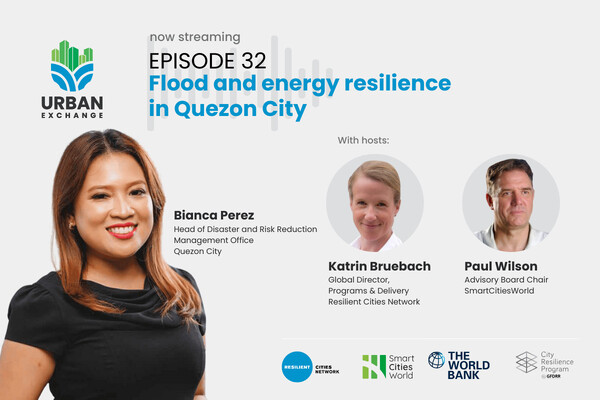
Tune in for the latest Urban Exchange where we get a first-hand account of city resilience measures from Quezon City following unexpected extreme rainfall.
How smart sensor networks can help improve indoor safety by detecting risks early, improving situational awareness and supporting healthier, more secure and sustainable buildings.
Gareth Tang, President of Urban Solutions at ST Engineering, explains how urban AI applications are set to evolve, detailing projects where AI is already making significant impact.
Throughout 2024 and 2025, the City reports Lime Technology’s service area will expand westward towards downtown and, in time, grow into a city-wide system.
Manish Kharel, general manager for Lime, says 2024 must be the year micromobility infrastructure develops in line with demand to meet active and green travel goals.
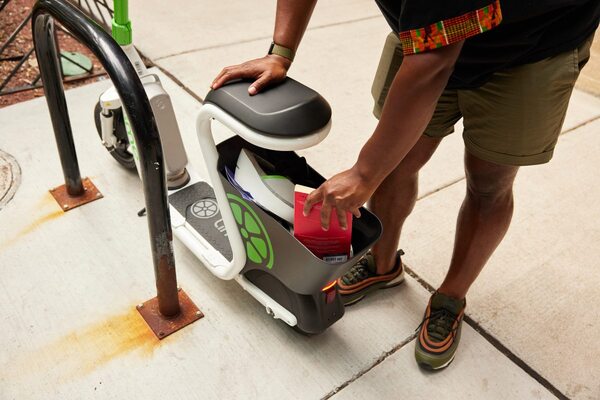
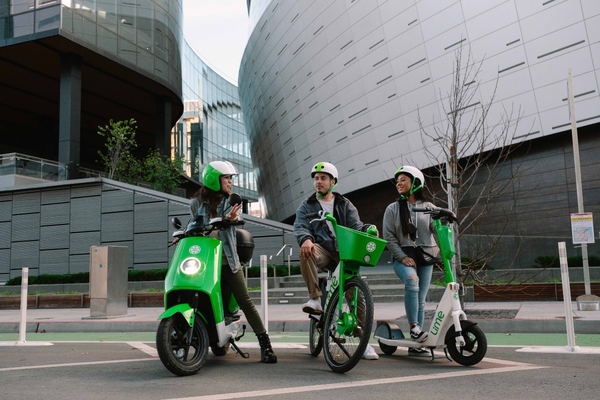
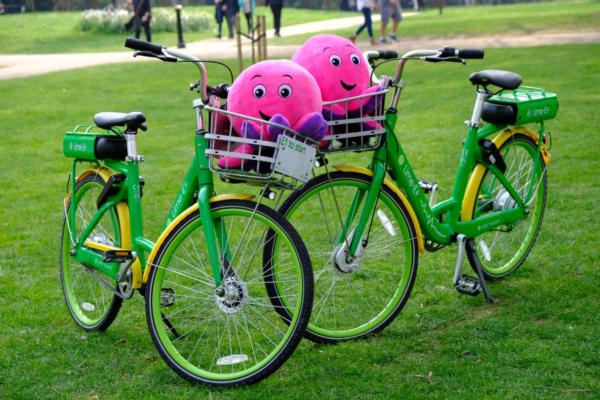
Gen4 Seated model also features storage space after pilots and research found it to be a key factor in riders choosing micromobility as a transport option.
Ulez expansion is a significant step, but a standardised framework for e-bike parking and riding is also required to maximise its success, says Manish Kharel, general manager of Lime in London.
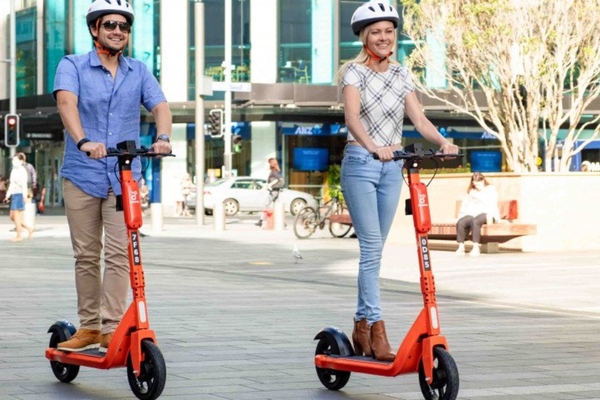
E-scooters will use real-time footpath detection, audio alerts and other technology to crack down on illegal footpath and tandem riding in the Australian city.
Report recommends an investment in the creation of a “dense network” of designated parking locations in London, to be informed by e-bike operator location data.
Sight Loss Councils and Lime have introduced in-app messaging reminding Lime’s users to park considerately and avoid obstructing the pavements for blind people.
Aim is to improve safety across the e-scooter industry by helping road users, especially partially sighted and blind people, identify when a vehicle is near.
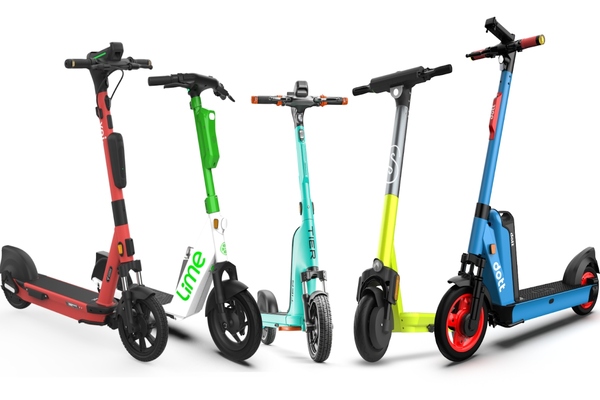
Dott, Lime, Superpedestrian, Tier Mobility and Voi have created a framework for cities to better integrate shared micromobility vehicles onto their streets.
To encourage Londoners to scrap their vehicles and switch to more sustainable transport options, Dott, Lime and Tier have launched discounted and free rides.
Lime and Spin will offer options for individuals with disabilities as well as reduced rates for those living on low income or who receive government assistance.
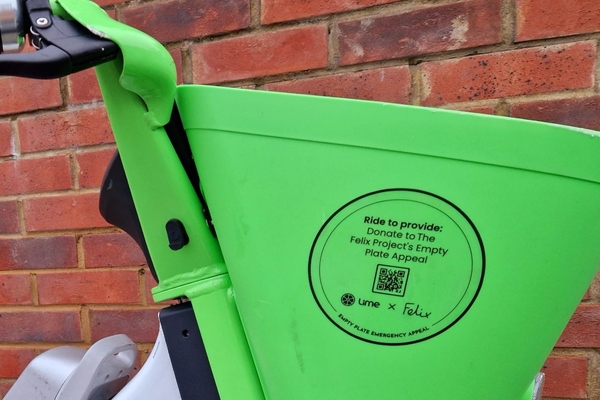
A select number of Lime’s e-bikes in London have been fitted with “Ride to Provide” stickers to support the Felix Project’s Empty Plate Emergency Appeal.
Nashville Department of Transportation and Multimodal Infrastructure will work with micromobility providers Bird, Lime, and Spin to launch the pilot programme.
The micromobility company stationed its wardens near busy e-scooter bays and congratulated riders that parked respectfully and issued notices to incentivise continued responsible parking.
Riders in these areas now have access to a second active and sustainable transport option via the app with Lime’s electric bikes already available on the platform.
Lime and Neuron Mobility e-scooters will be rolled out across the cities of Melbourne, Yarra and Port Phillip for one year which could be extended pending the outcome of the trial.
Lime’s Alan Clarke explains how the UK capital can move away from private vehicles towards a lifestyle where city-dwellers can move seamlessly between different modes of public transport.
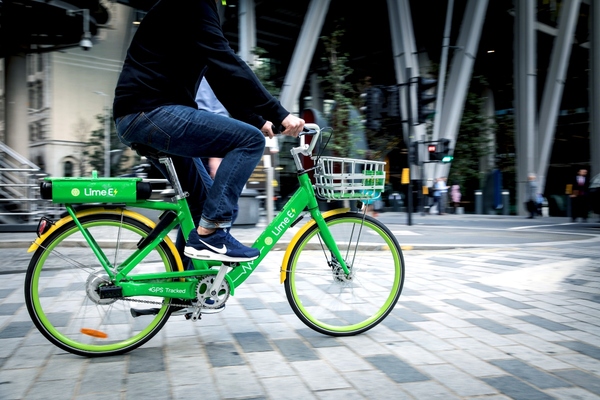
The electric bike uses a swappable, interchangeable battery that can be shared with the micromobility provider’s Gen4 electric scooter to improve sustainability, reliability and lifespan.
With safety and mobility inherently linked, the micromobility company will provide free rides on its scooters and bikes for women to verified SafeUp guardians in a number of cities.
Rewards initiative is to help support the SDoT’s “Flip Your Trip” campaign, designed to encourage people to replace car trips with other travel options such as transit, vanpooling, biking, scooting, or staying local.
Neuron Mobility will join Lime as an e-scooter provider in Christchurch, which has seen rental e-scooters and e-bikes used in the city for more than 71,000 trips a month in the past year.
E-scooter providers Bird, Lime and Veo will make up to 3,000 e-scooters available in the East Bronx for phase one of the programme with this figure increasing to 6,000 next year.
Berliners can access Lime e-scooters in the Jelbi app and the integration also coincides with the introduction of 14 new Jelbi locations in the Berlin district of Biesdorf.
Swarco and Lime are combining their expertise in a pilot project to reduce the traffic crash risk of e-scooter and e-bike users at traffic light-controlled intersections.
Lime is working with Swiftmile to add fixed charging stations for e-scooters at highly frequented hubs in the service area, which focuses on the outskirts of the city to the Brandenburg border.
Dott, Lime and Tier have been appointed to take part following the selection process, where their ability to meet strict safety requirements and high operating standards was carefully considered.
NYC DOT and e-scooter companies Bird, Lime and Veo, will work with local communities to site e-scooter parking corrals and educate the public about the pilot.
Launch will be accompanied by a comprehensive safety regime which inldues a mandatory helmet selfie check to confirm that a rider is wearing a helmet as well as an in-trip look at their ride in progress.
Lime plans to expand its e-bike service to an additional 15 European cities in 2021, while continuing to scale its scooter and moped fleet to offer a multi-modal electric vehicle offering.
The Ride to Recovery initiative provides citizens with a code for four free rides to use to travel to and from their jab appointments at any point this year.
Lime is adding e-mopeds to its fleet of e-bikes and e-scooters, which allow for two riders at a time and will provide two high-visibility helmets in the carrying case of every moped.
The new micro-mobility platform will launch this winter in Austin, Berlin, Miami and Seattle with Lime aiming to be the one-stop-shop for anyone looking to take a car-free trip under five miles.
The first trials, due to last for 12 months, are expected to begin next week and will be closely monitored so the government can assess the benefits of e-scooters and their impact on public space.
Lime surveyed citizens in Berlin, London, New York City, Seattle and Seoul about their pre- and post-Covid-19 lockdown transport choices and how these may impact future decisions.
The company will engage with members of the London Cycling Campaign and local groups across the UK capital to find out their urban mobility needs and priorities.
Scheme operators will be scored based on their performance against rigorous data benchmarks, helping cities understand which operators are meeting their compliance requirements.
Improving mobility is complex, affected by many inter-related and shifting trends. Phil Williams, Director of Strategic Partnerships at Iomob, looks at how we move towards ’mobility heaven’ and avoid ’driverless car hell’.
Based on internal and independent third party data, a research report on e-scooter safety by Bird suggests that e-scooters have a similar injury rate to bicycling.