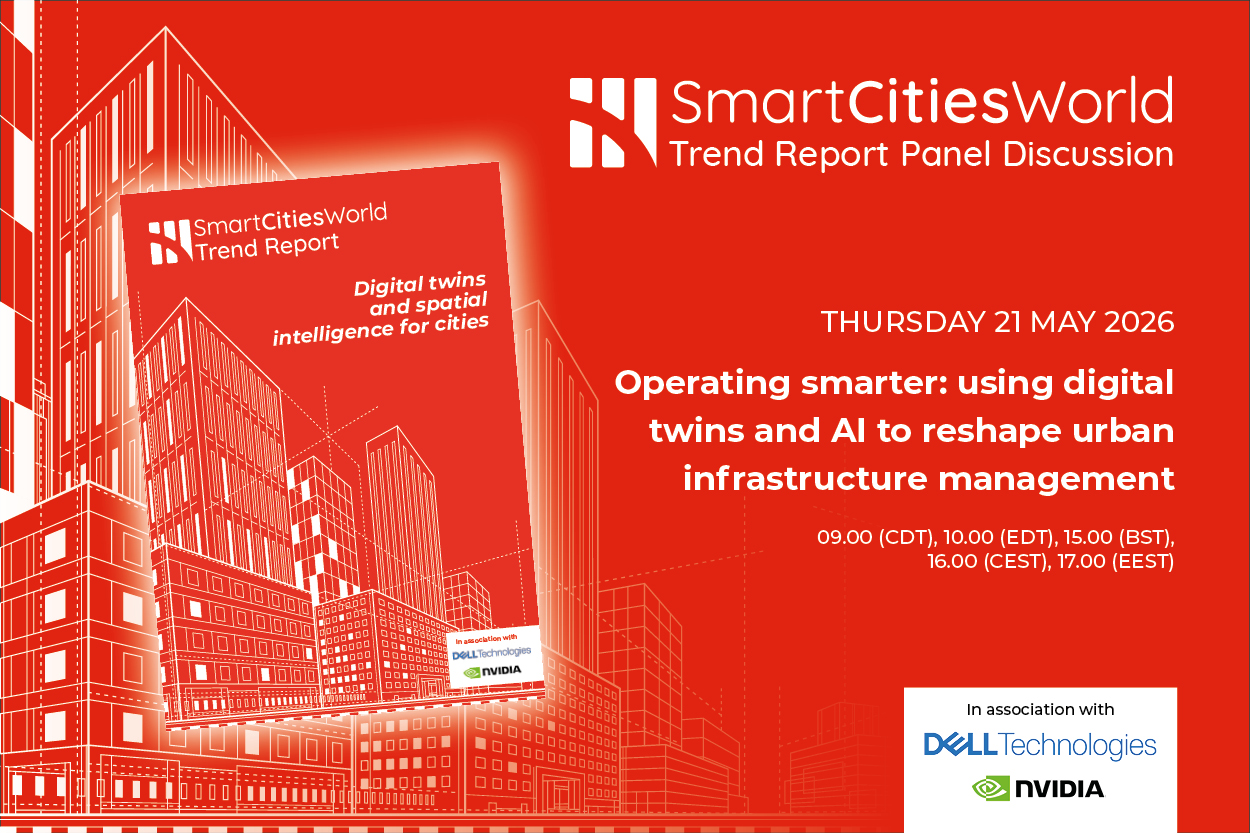






Discover how AI-powered digital twins are transforming urban infrastructure and how these innovations can improve efficiency, resilience, and sustainability.
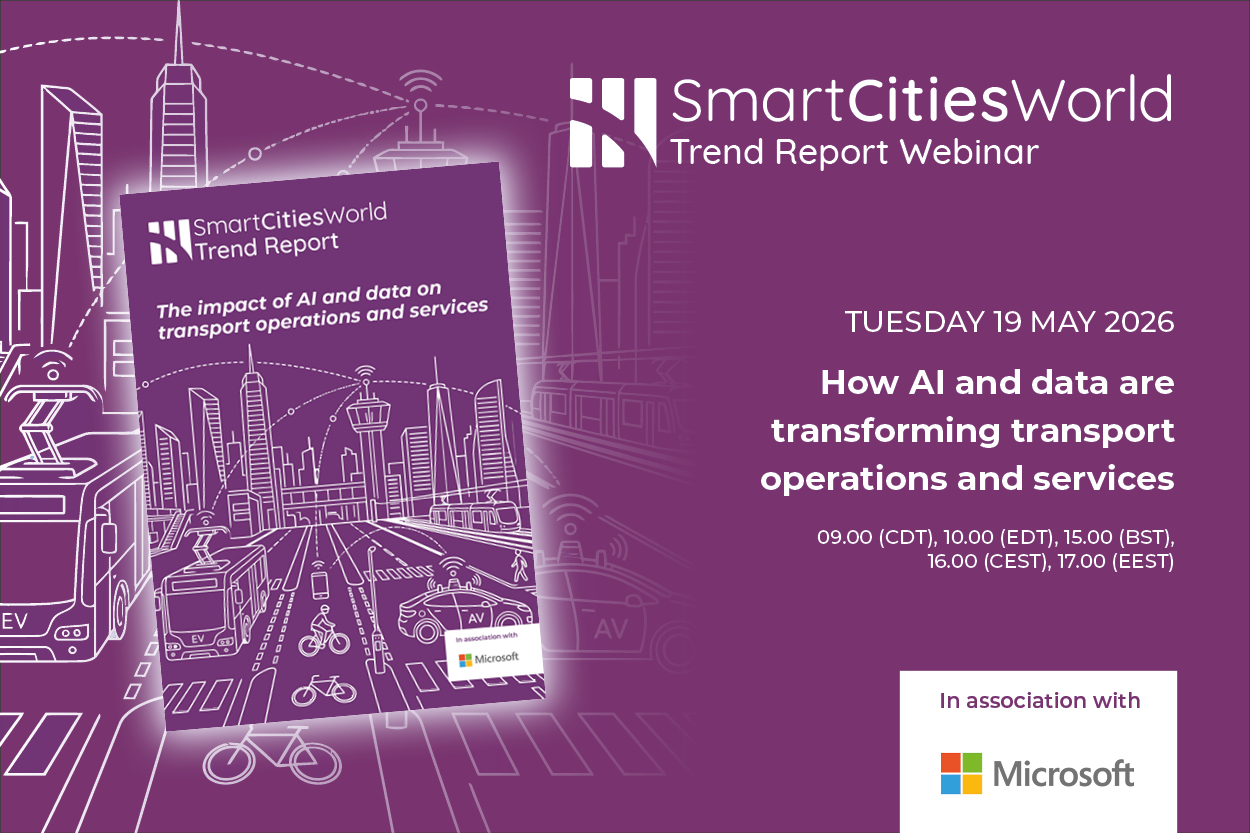
Explore how data and AI is being used in urban transport networks to support planning, day-to-day operations, and improve outcomes for communities and passengers.
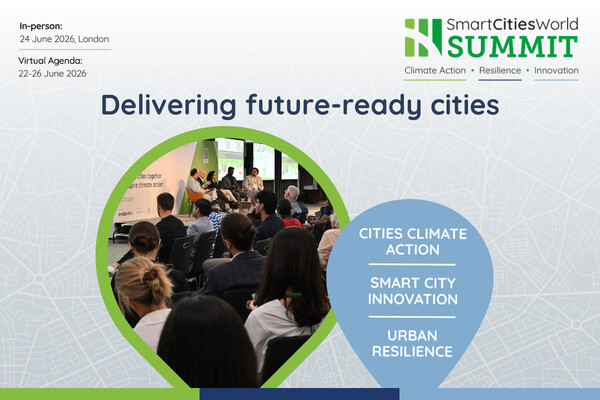
As cities confront the combined pressures of climate change, infrastructure resilience and digital transformation, the SmartCitiesWorld Summit 2026 will bring together urban leaders and partners during London Climate Action Week to explore how these agendas intersect – and how cities can translate strategy into practical action.
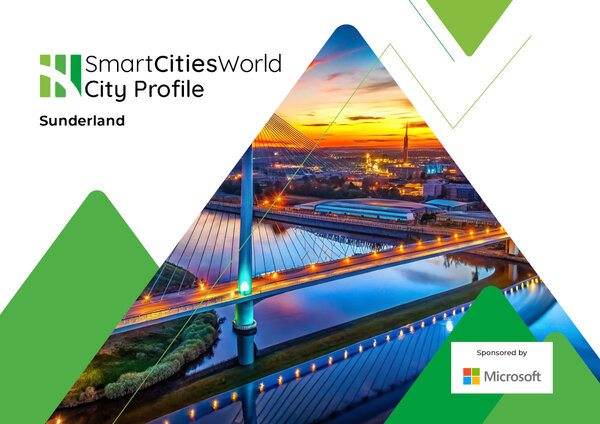
Find out how Sunderland is repositioning itself as a leading smart city – using digital infrastructure and low-carbon innovation to build a resilient, future-focused economy in the latest SmartCitiesWorld City Profile.
Find out how Dublin is innovating to improve experiences and services for its communities in the latest SmartCitiesWorld City Profile, including digital twin projects, traffic reduction, and economic growth.
Tune into the SmartCitiesWorld podcast to understand the world of sovereign AI for cities, featuring PNY Technologies’ Youssef Nadiri as our expert guest.
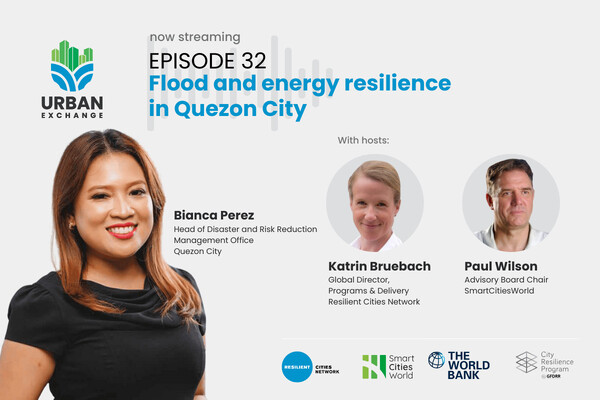
Tune in for the latest Urban Exchange where we get a first-hand account of city resilience measures from Quezon City following unexpected extreme rainfall.
How smart sensor networks can help improve indoor safety by detecting risks early, improving situational awareness and supporting healthier, more secure and sustainable buildings.
Gareth Tang, President of Urban Solutions at ST Engineering, explains how urban AI applications are set to evolve, detailing projects where AI is already making significant impact.
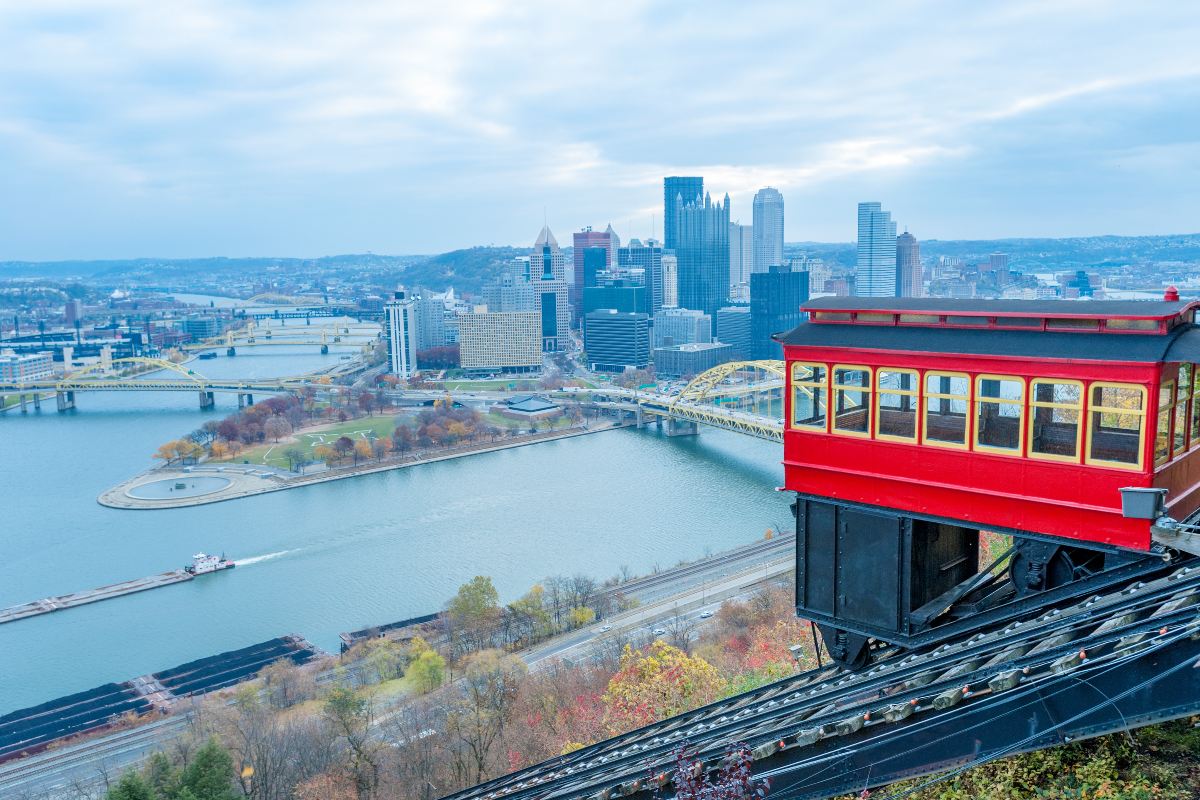
Digital twin best practices, genAI guidelines, autonomous underwater robotic scanning and thermal measurement tech all feature in the PGH Lab Cohort 11.0.
Developed in collaboration with multiple city departments, the Insights Tool brings together a wide range of datasets into a single, user-friendly platform.
With ABT, riders no longer need to purchase a ticket or select a fare in advance but rather board, tap their mobile device on an onboard validator and ride.
This donation is the culmination of multiple years of work by the Department of Innovation & Performance to give back these devices to the community and tackle the digital divide.
The Guaranteed Basic Mobility pilot aims to increase access to employment options and improve the financial quality of life for participants by alleviating the strain of transportation costs.
More than half of city facilities operate on disparate institutional networks and the move to a unified high-speed network is designed to improve the delivery of core services to residents.
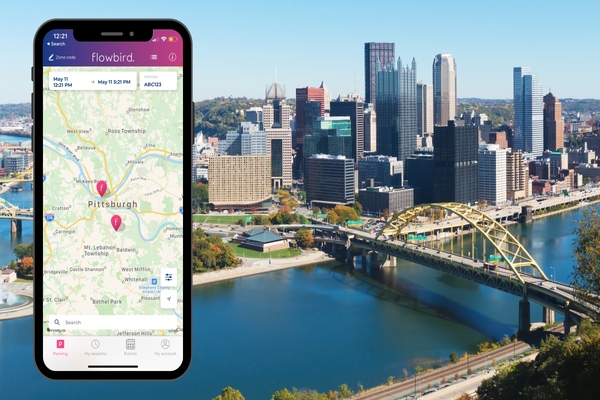
The new apps allow users to pay for parking from their mobile devices, receive text notifications when time is about to expire and extend their parking time.
Based on census records and inventory data, visualisations show low-income and Black communities disproportionately have fewer city street trees and so see less of the benefits of trees.
The Volcker Alliance’s initiative aims to connect governments’ hiring and research needs with local university capacity and is expanding into Chicago and North Carolina.
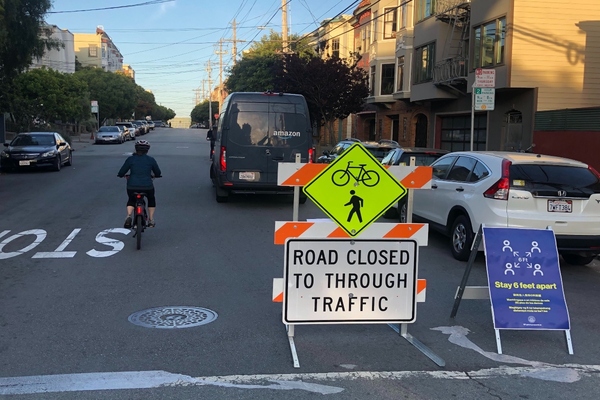
Platform allows cities to identify temporary or permanent street policies, communicate them to the general public, and digitally provide up-to-date information to key mobility stakeholders.