Discover how cities can expand their fiscal and institutional capacity to attract and manage climate finance. This session explores the role of digital tools for tracking and reporting, data platforms for transparency, and innovative approaches that allow cities to unlock new sources of investment.
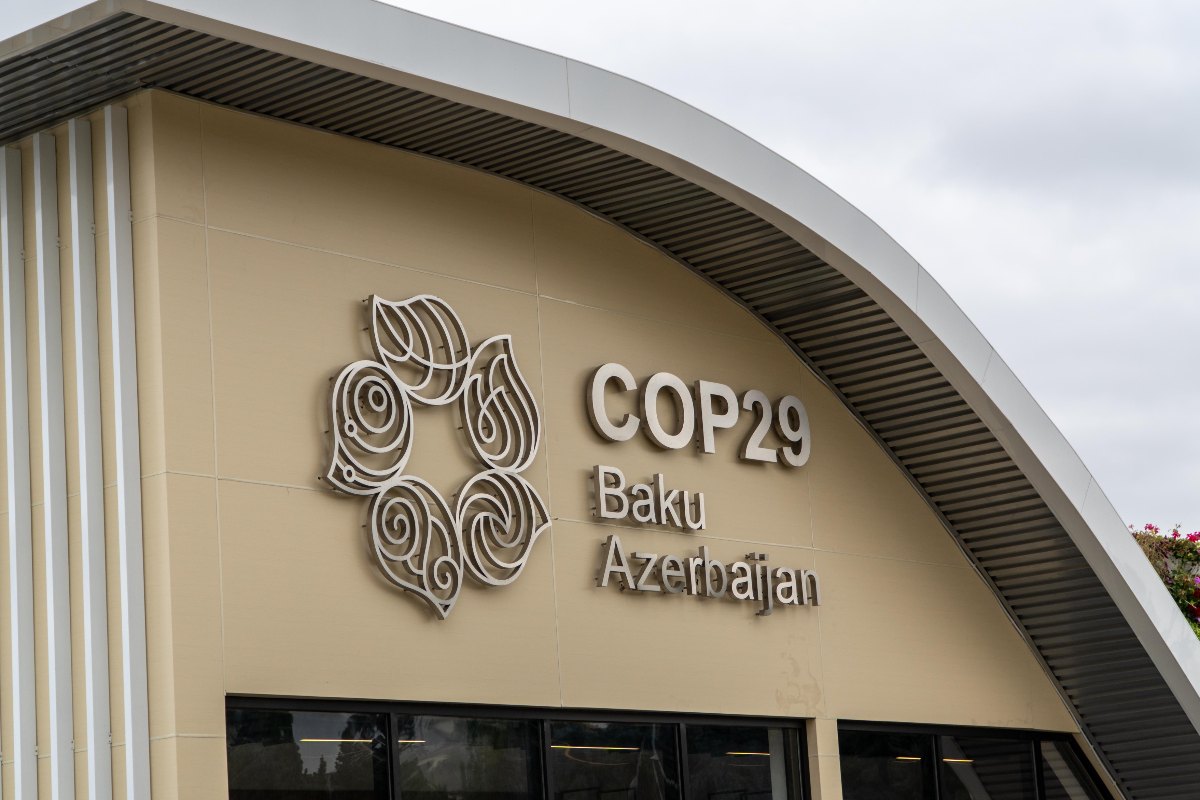
Inspired by London, find out how Baku, Rio de Janeiro, Bangkok and Prague are creating their own Climate Action Weeks to drive ambitious local change - and are helping to build a powerful global movement.
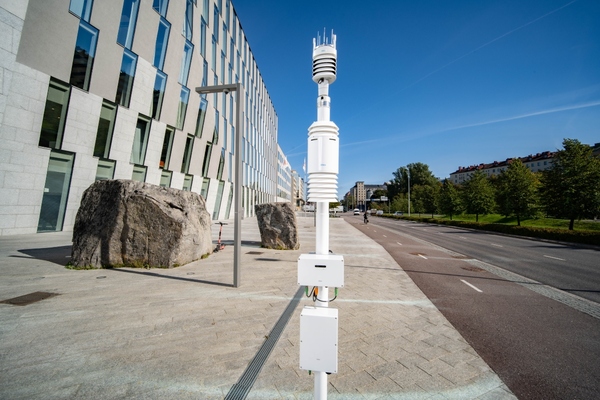
Cities around the world are trying to improve air quality, which in turn can help to mitigate the impacts of climate change. Sue Weekes explains the vital role played by compact air quality sensors and how using them in tandem with weather stations and other smart city devices can maximise their value.
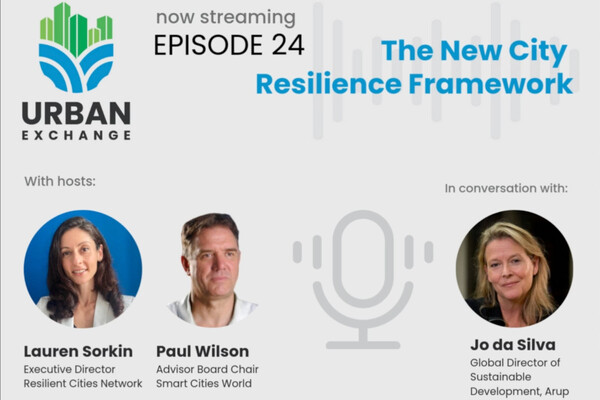
Lauren Sorkin and Paul Wilson are joined by Jo Da Silva, Global Director of Sustainable Development at Arup, to explore the updated City Resilience Framework and how it can be used by cities.
Preview: The latest episode of the Urban Exchange Podcast sees Lauren Sorkin, Resilient Cities Network, chat with Susan Aitken, Glasgow City Leader to talk COP27 and climate finance.
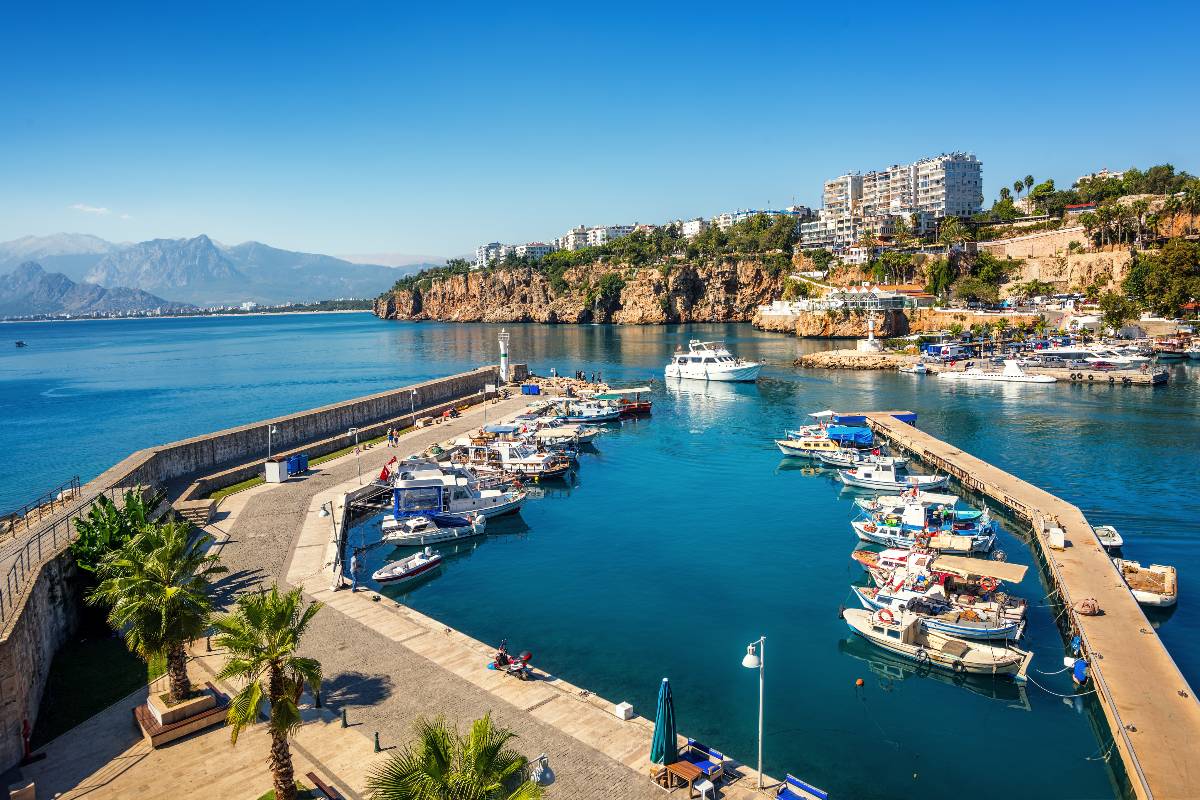
The Presidency says the November conference being held in Antalya will be “a platform for solutions” and one which will “turn words into concrete results”.
Winners of the Sustainable Cities Challenge are driving innovation in the areas of electric semi-trikes, hydrogen production, and fast-charging battery systems.
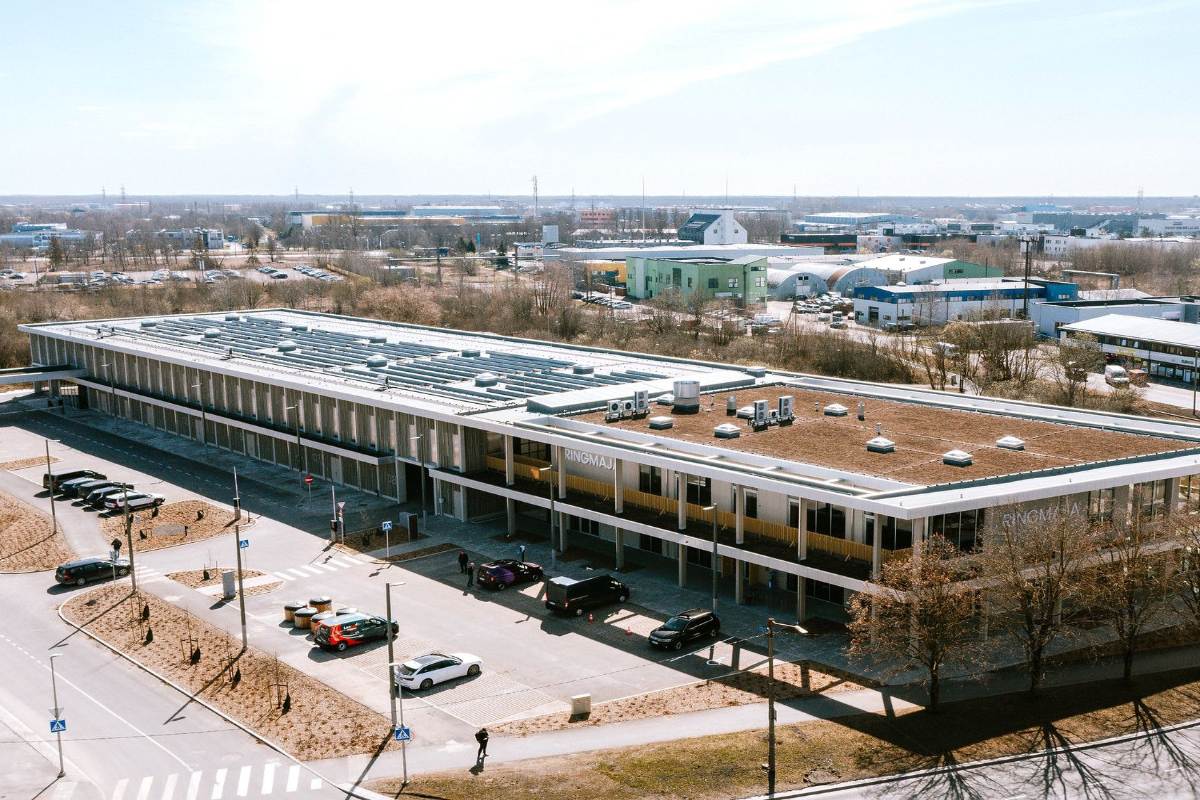
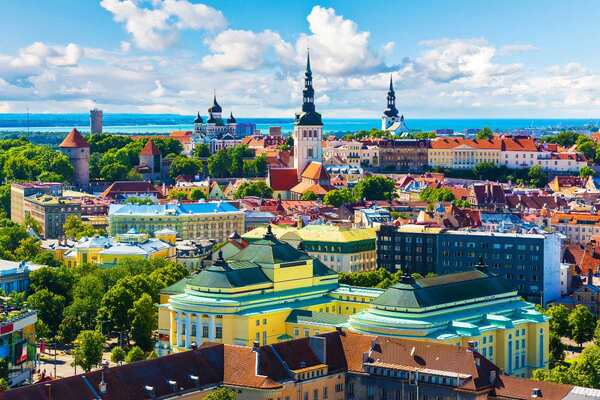
The Lasnamäe Circular Economy Centre aims to bring environmentally friendly solutions closer to residents and help embed the use of them in everyday life.
The newly selected regions in Europe will receive funding and access to tailored tools and guidance, interactive peer learning, mentoring, and expert guidance.
City of Espoo has established the Sustainable and Nature-friendly Espoo development programme and issued an open call for ideas to create a nature-friendly city.
Thirteen engineering innovators receive £3m each to develop solutions that tackle multiple causes of the climate crisis, and mitigate and adapt to its impacts.
The tech sector could unlock $800bn in value by 2030 if tech companies reduce their negative impacts on natural systems and dependencies on natural resources.
Winners’ achievements demonstrate the EC’s vision for a smarter, greener and more inclusive tourism sector, setting a benchmark for other destinations.
More than 300 city leaders will attend the summit with the goal of moving from the era of climate negotiation to the decade of delivery, with cities taking the lead.
It is awarded to cities demonstrating a commitment to achieving the UN SDGs through integrated policies across economic, social and environmental dimensions.
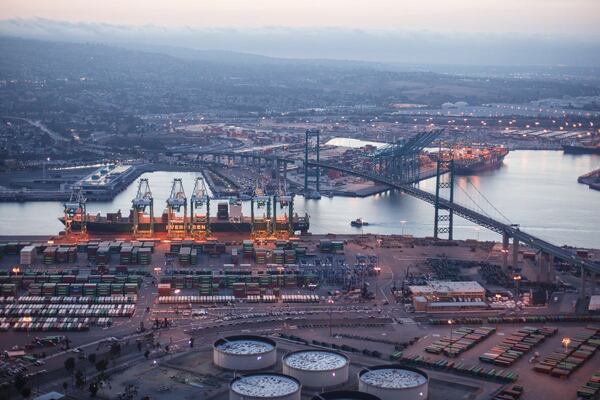
Phase one achievements of the green corridor project include expansion of shore power infrastructure to meet 100 per cent electrification serving container vessels.
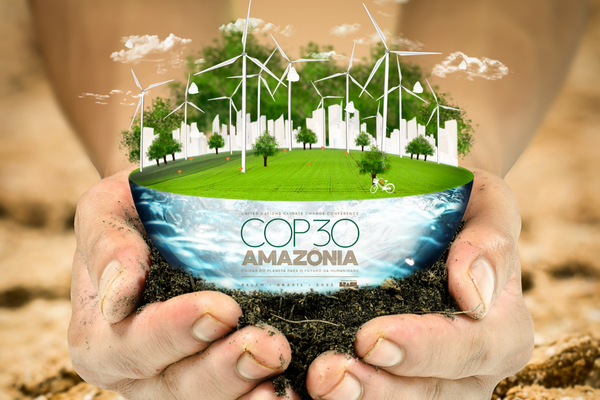
The Communique is being delivered to the Cop30 Presidency and advocates for a defined role for cities within the United Nations Framework Convention on Climate Change.
The City has invested more than $1.1bn in climate initiatives since 2023, including $974m for the Zero Emission Bus Programme and $129m in climate resiliency.
Cities vaunted as leaders of a renewed, people-centred multilateralism as communiqué presses for formalised multi-level collaboration on climate strategies.
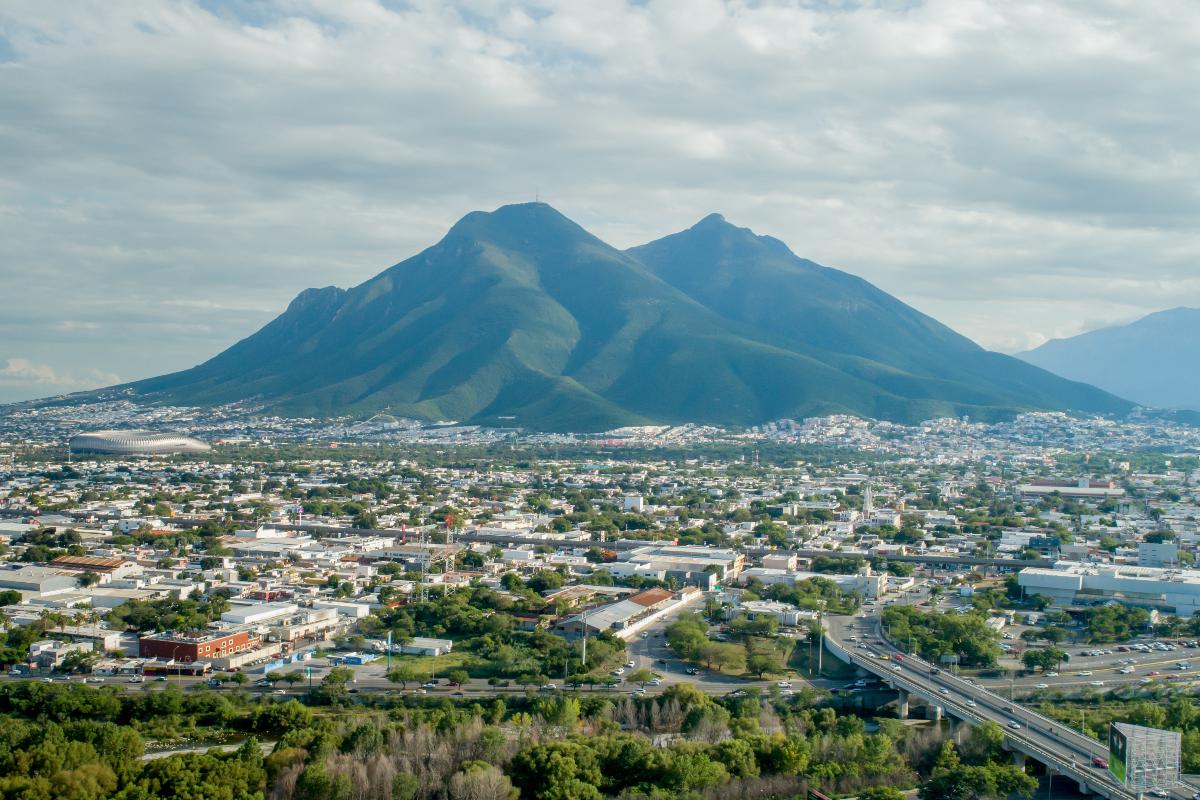
The Mexican cities are working with Xylem and Amazon to deploy Xylem Vue, an advanced software platform that applies data and analytics to detect leaks.
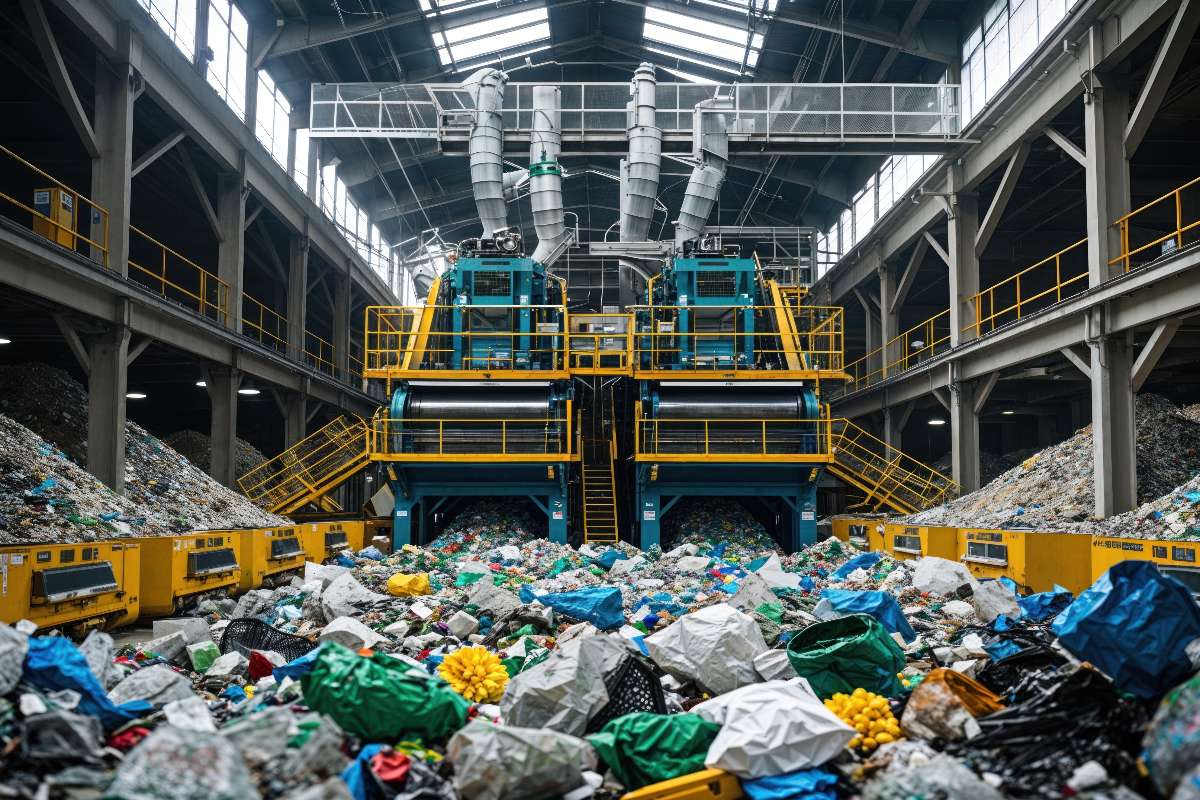
Analysis in a new report from the nonprofit Leading Cities and the Afkar Collective consultancy argue how we handle waste is “first-order resilience issue”.
To be held in São Paulo ahead of Cop30 in Belém, the forum aims to mobilise capital from public and private sectors in support of the Cop30 Presidency goals.
It is the first national standard for governments across all levels to measure the impact of climate action and uses a transparent and comparable methodology.
Champ aims to accelerate collective climate action and ensure countries work in unison with their cities and regions toward emissions reduction targets.
Taking place from 23-29 August, RCAW is an independent initiative, in support of the Cop30 Presidency and in partnership with London Climate Action Week.
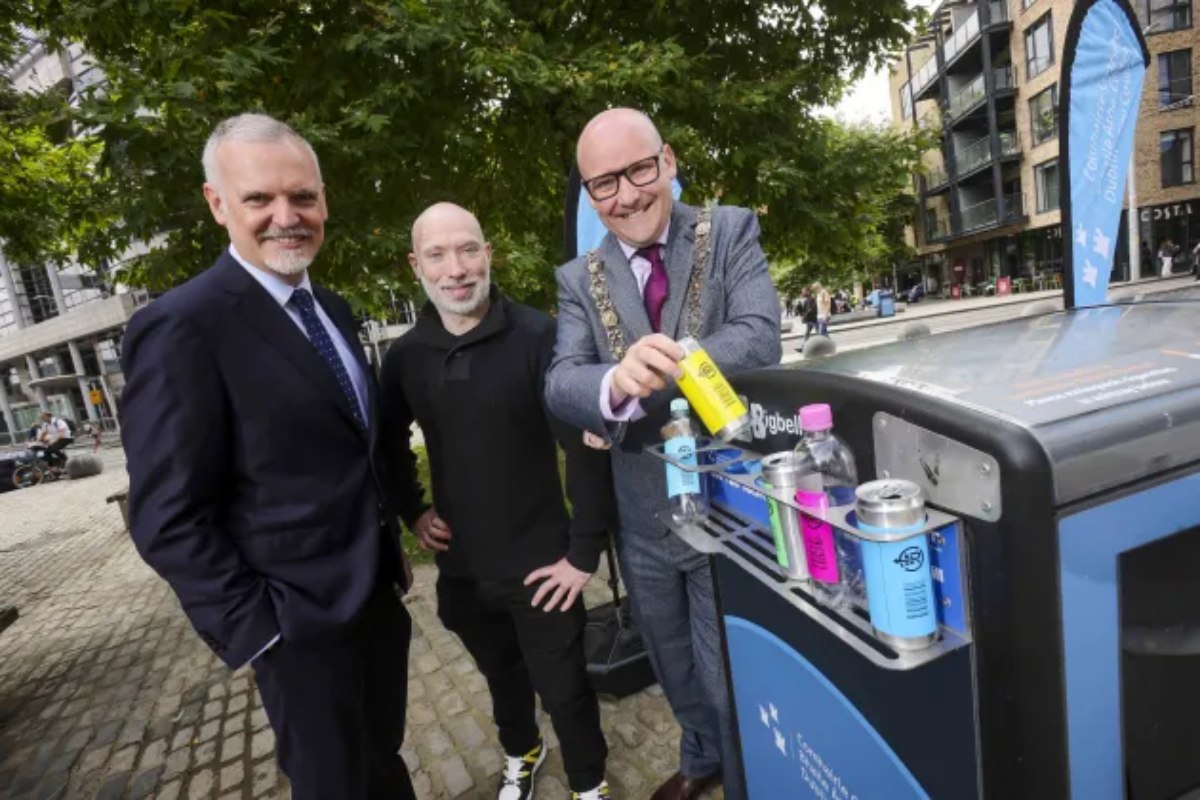
Its bin surrounds and deposit return programme allows consumers to leave their plastic bottles and cans for others to take and return to claim a deposit.
EIB will work with Athens, Thessaloniki, Kozani, Trikala, Ioannina and Kalamata, providing tailored support to prepare and implement sustainable investment plans.
Announcements include a MoU and shared commitment by C40 and Centre for Liveable Cities, Singapore, to exchange knowledge and strengthen city networks.
World Green Building Council is calling on policymakers to strengthen building plans and policies using its new tool, NDC Scorecard for Sustainable Buildings.
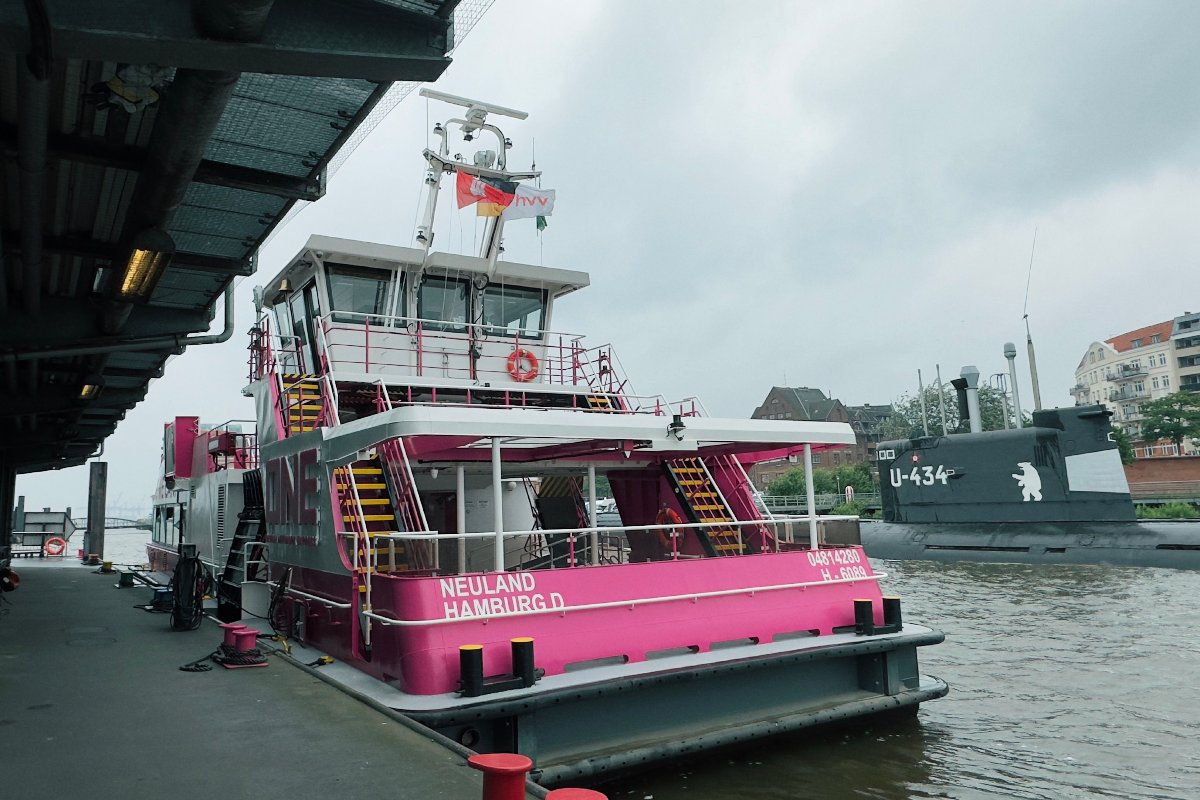
Ferry operator Hadag will use Optibus to optimise electric ferry schedules on the German city’s waterways as well as provide real-time passenger information.
Climate Emergency UK calls on UK Government to make climate action a fully funded legal duty for all UK councils to remove the national barriers they face.
Latest report by non-profit CDP on climate and economic resilience demonstrates the growing commitment and ambition by UK councils to tackle the climate crisis.
Inspired by London, find out how Baku, Rio de Janeiro, Bangkok and Prague are creating their own Climate Action Weeks to drive ambitious local change - and are helping to build a powerful global movement.
Recognising the importance of sub-national governments, the CDP environmental disclosure platform also publicly scored states and regions for the first time.
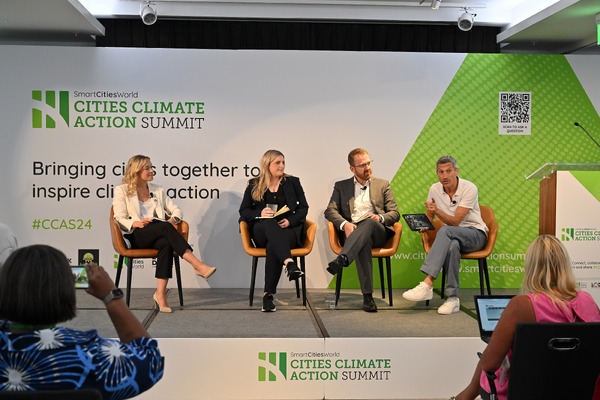
SmartCitiesWorld’s third Summit takes place on 24-25 June. Here’s a taste of what you can expect and how you can register to be part of this seminal event.
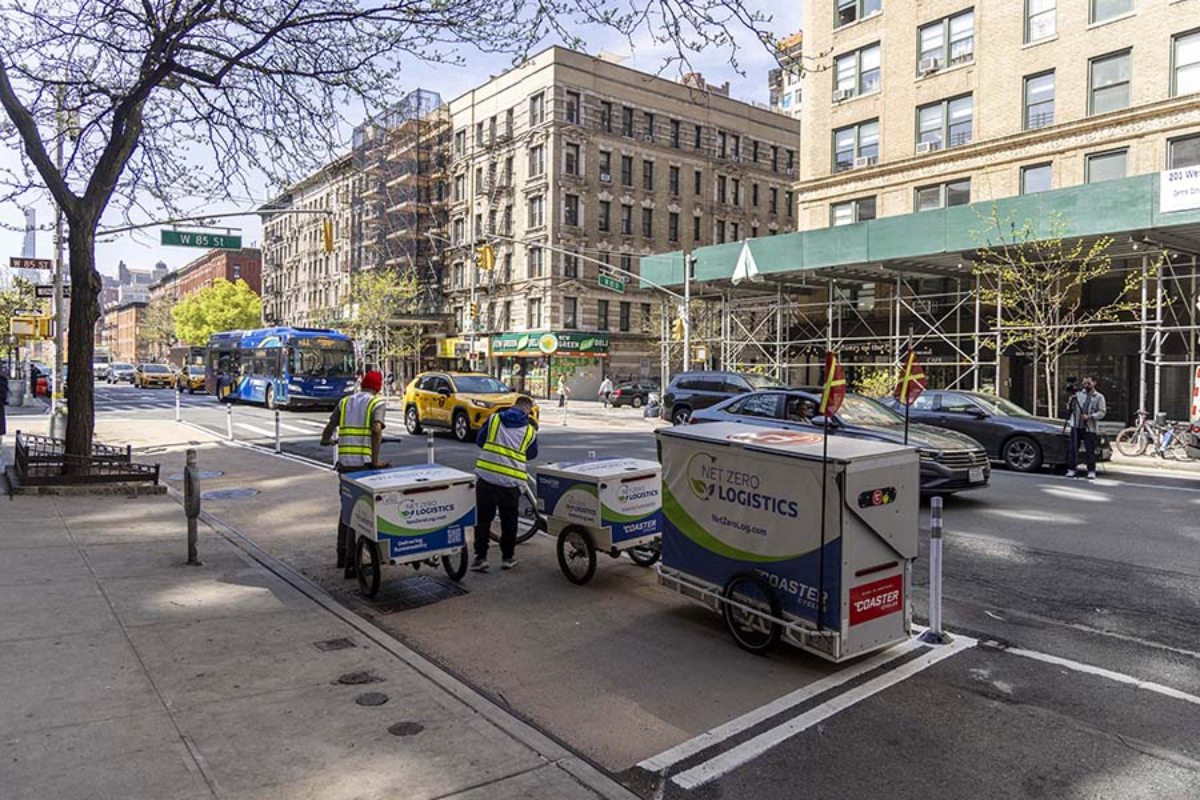
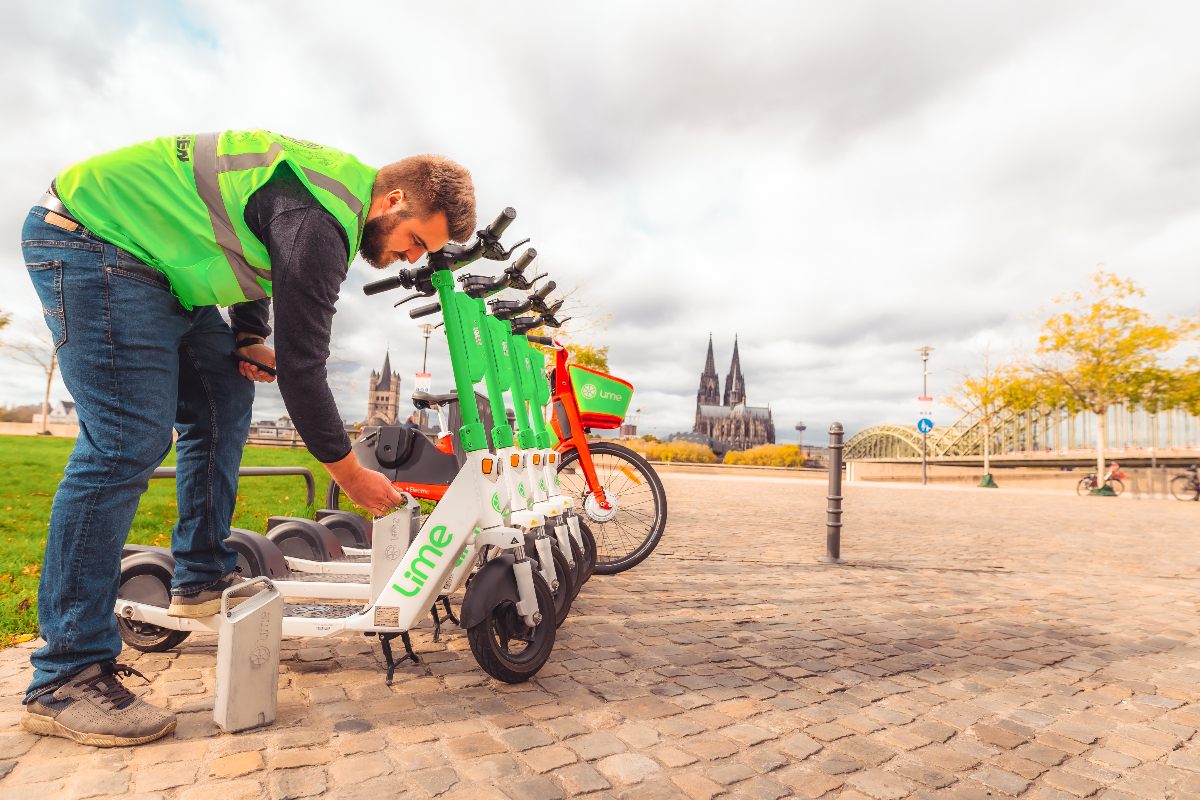
Hubs are central locations where delivery trucks can unload cargo and transfer it to smaller, more sustainable forms of transportation, such as cargo bikes.
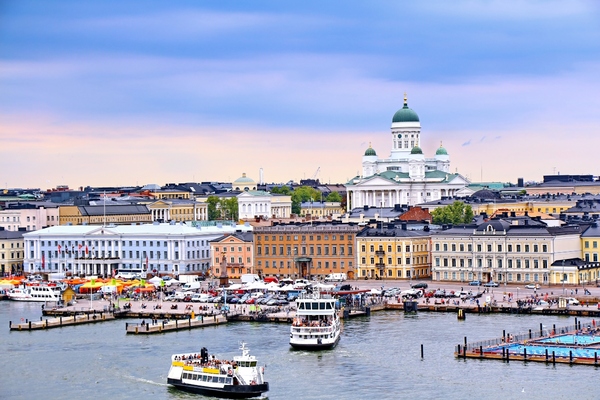
Helsinki has identified the circular economy as a key means of achieving carbon neutrality goals and wants to ensure natural resources are used sustainably.
From the rise of AI to evolving expectations around public safety, sustainability, and mobility, cities today are being asked to react quickly to a raft of challenges, often with limited resources and increasing complexity.
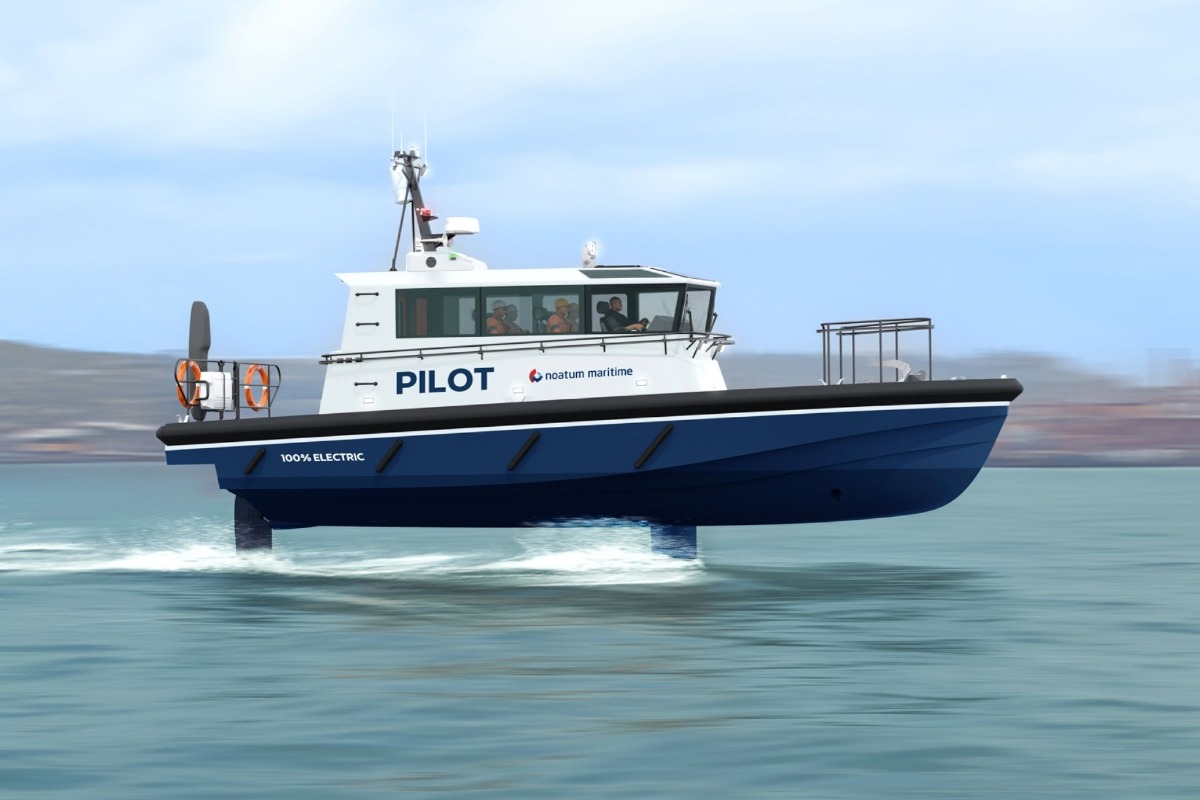
Maritime company has signed an agreement to purchase the 100 per cent electric EF-12 Pilot boat, supporting United Arab Emirates’ Net Zero by 2050 programme.
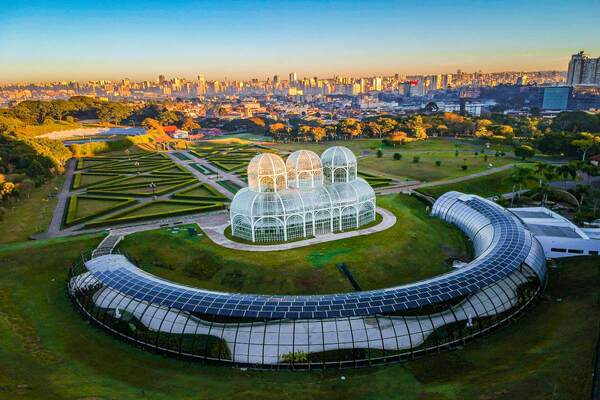
Eduardo Pimentel, mayor of Curitiba, details the initiatives that are reinvigorating public services, business and economy in the city named the world’s smartest in 2023.
The SUN4Ukraine Partnership Programme will bring together Mission Cities and Ukrainian Flagship Municipalities for knowledge exchange and shared innovation.
The fifth edition of State of Zero Waste Municipalities Report highlights how many cities are prioritising prevention, reuse and repair over recycling.
Run by The Republic of Park Royal, the hub on Minerva Road will be used by local enterprises, including Re-collective, Absolute Beginners, and Rescued Clay.
Company will work with Redwood Materials as its recycling partner for the cities in which it is operational across the US, Germany and the Netherlands.
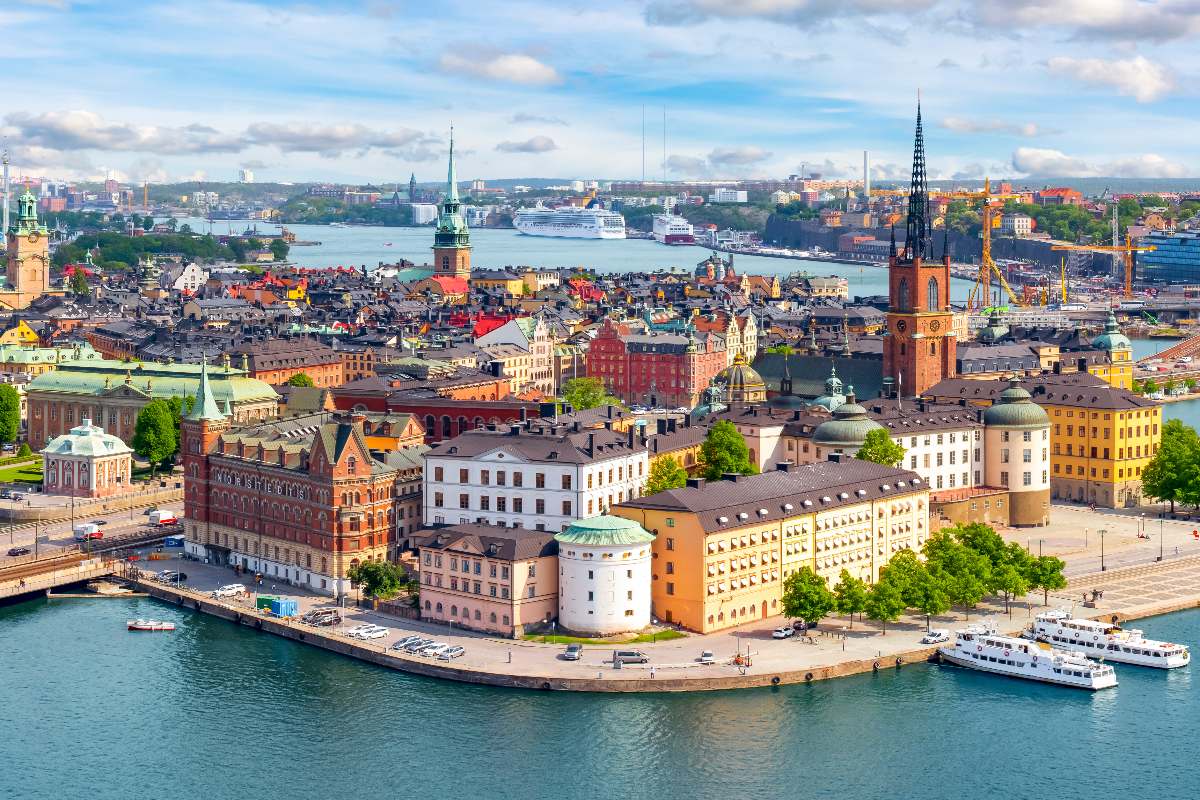
The HPC removal and capture technology will help Stockholm Exergi to capture and permanently store approximately 800,000 tons of carbon dioxide per year.
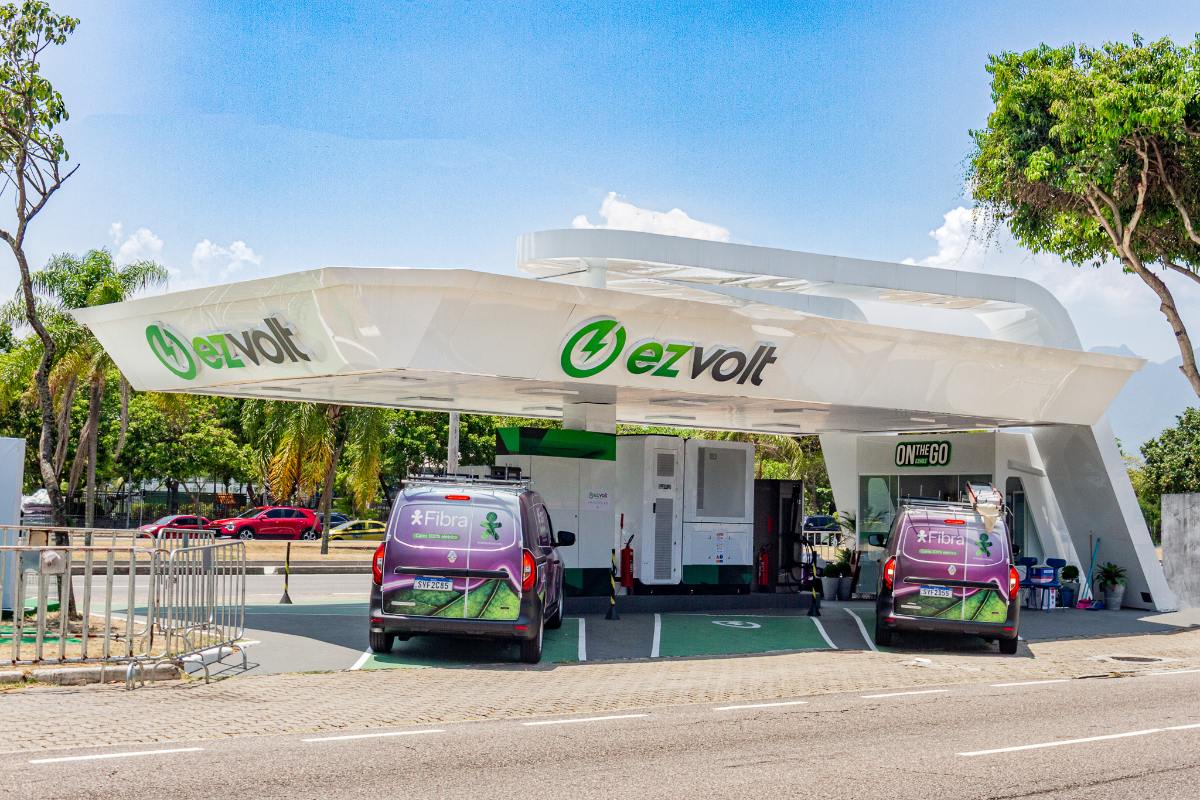
The City reports the public fast-charging initiative strengthens Rio’s commitment to reducing carbon emissions and expanding electromobility infrastructure.
One of the chief benefits of biochar is its carbon sequestration capability, making the facility a key part of the City’s 2023 Climate Equity Plan activities.
Initiative includes a solution that rewards tourists’ environmental respect, incentivises local commerce and calculates traveller’s digital carbon footprint.
Centre supports the city’s goal of creating a more environmentally conscious living environment and gives residents convenient options to change daily habits.
Initiative to award at least $300,000 to early-to-growth stage companies focused on enhancing waste diversion and driving resident education and engagement.
Cat Moncrieff, policy manager, Chartered Institution of Water and Environmental Management, explains how housing planners can tackle the UK’s growing water crisis.
It examines air quality following first year of the expanded ultra low emission zone and shows substantial improvement in outer London and across the capital.
The fifth cycle of the WRI Ross Centre Prize for Cities recognises transformative global projects that strengthen liveability and nature in urban places.
Sustainable mobility is at the heart of the plan along with 15-minute city principles to ensure essential services are in easy reach, reducing long car trips.
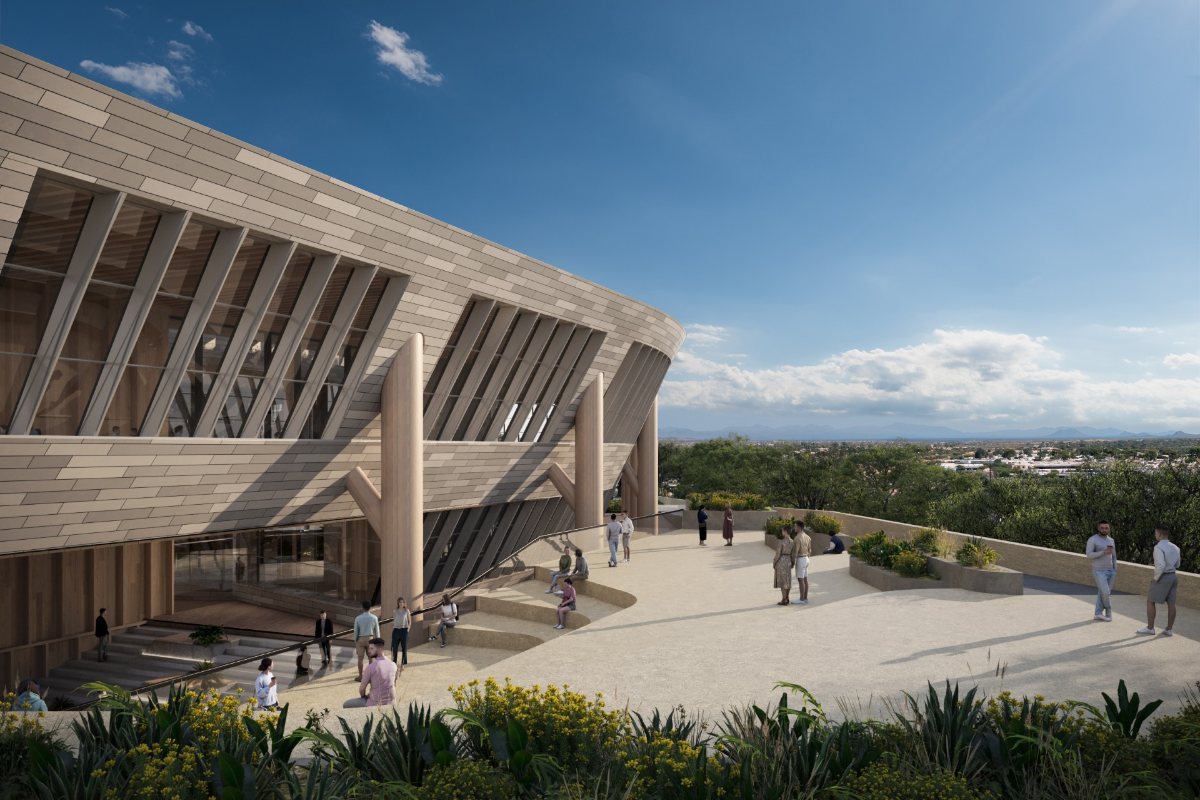
Arizona-based architectural firm Krause has designed the fully carbon-positive Resource Innovation Campus to the most rigorous sustainability certification.
Availability and access to right data is key challenge to decarbonisation efforts, despite 54 per cent of firms having mature or advanced data-driven operations.
Over 160 stakeholders, including countries and cities, have endorsed the Cop29 Multisectoral Actions Pathways Declaration for Resilient and Healthy Cities.
European lighthouse project will evaluate and explore sustainable 6G technologies, methods and use cases touching on environmental, economic and societal needs.
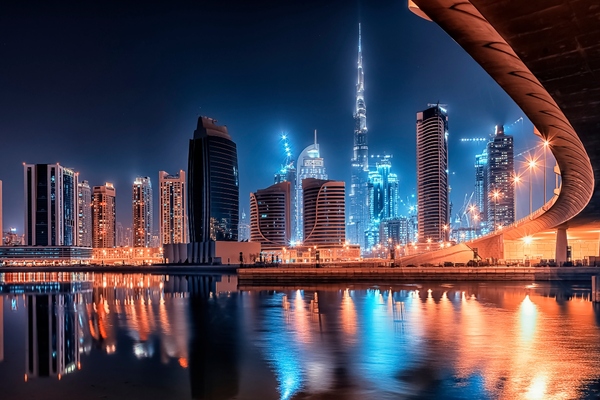
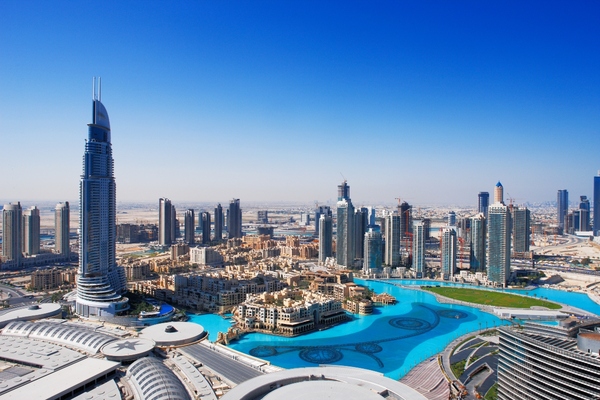
Dubai is implementing a set of plans and strategies, including the Dubai Urban Plan 2040, which takes a human-centred approach to sustainable urban development.
Global Destination Sustainability Index evaluates sustainability across key areas, including destination management and environmental and social performance.
Models are freely available through UNDP’s GeoHub dashboards, helping users access data and insights to interpret clean energy challenges and opportunities.
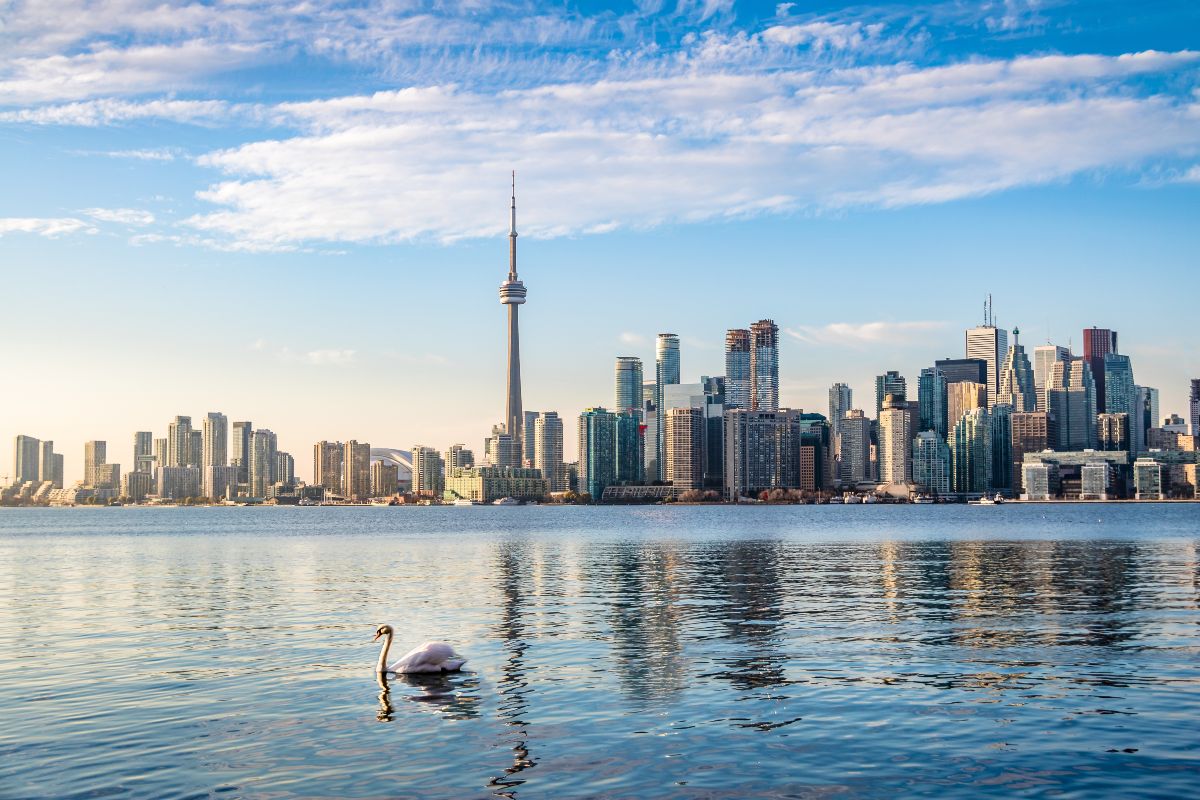
Enwave claims the expansion has effectively increased its cooling capacity by 60 per cent, with the capability of providing service to an additional 40 buildings.
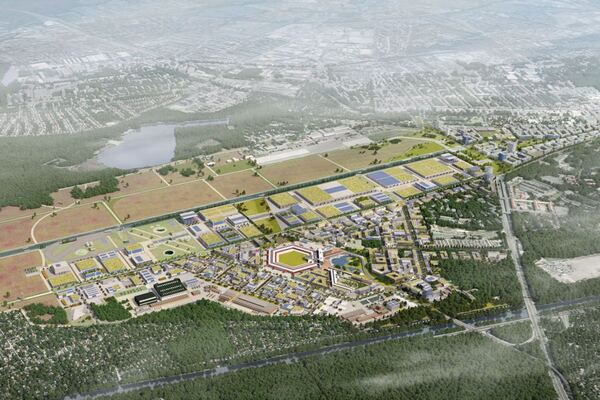
Berlin TXL project was launched in 2021 to create a smart city on the five-square-kilometre site of the former Berlin Tegel Airport, which closed in 2020.
With inclusion, diversity and technology central to the smart city vision, María J Martínez reports on how the ‘Enlightened City’ has obtained the UN-Habitat Gold Recognition in the SDG Cities Programme.